
Reviewed · COOKING CLASSES
Pastel de Nata Cooking Class in Lisbon
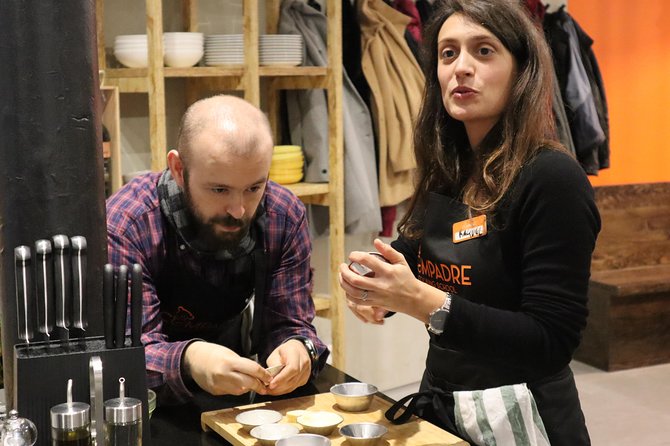
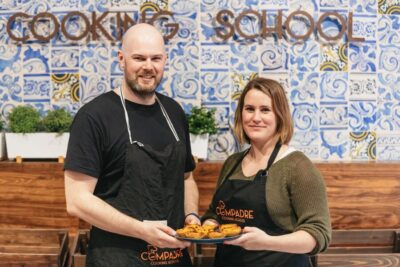
The best part of this Lisbon class is that you do not just eat a pastel de nata, you learn how the famous Portuguese custard tart comes together. At Compadre Cooking School, instructors such as Anna, Marta, and Jose mix cooking tips with the story behind the pastry, then add a second traditional recipe for a useful two-course lesson.
I like the small maximum group of 12, which gives the class a friendly feel and makes questions easier. I also like the practical finish: you eat the warm results with coffee or tea and take home the recipes. The main consideration is that the class may be less hands-on than you expect if all 12 places are filled, since some sessions use only a few workstations.
Key points at a glance
- Two Portuguese recipes in two hours: Pastel de nata is the star, with a second sweet or savory recipe included.
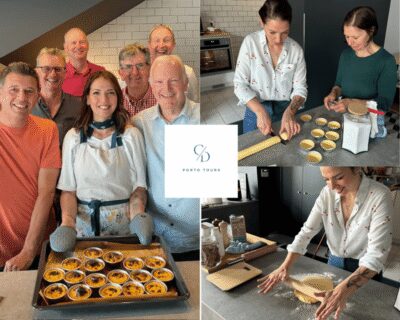
- Fresh tarts to eat or take away: Depending on the session, pairs have made around eight to ten tarts.
- A useful cultural lesson: The instructors explain the origins of Portugal’s best-known pastry as they teach.
- A central Lisbon kitchen: Compadre Cooking School is at R. Heliodoro Salgado nº14, near public transportation.
- Friendly for families and beginners: Children under 18 can join with an adult, and the recipes are taught at an approachable pace.
- Strong overall record: The class has a 4.9 rating, with 97 percent of participants recommending it.
Making pastel de nata at Compadre Cooking School
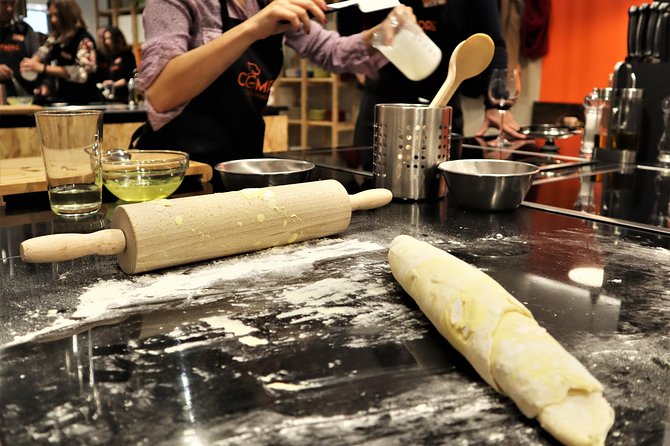
This is a short, focused cooking class rather than a full-day food tour. You meet at Compadre Cooking School at R. Heliodoro Salgado nº14, 1170-176 Lisboa, and the activity finishes at the same address.
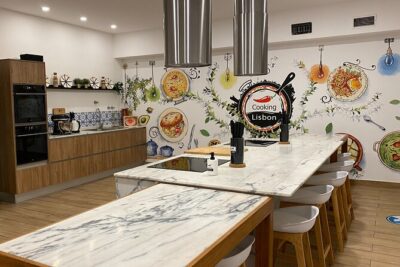
The kitchen is described as clean, well arranged, and easy to find. There is also a bathroom and a small locker for personal items, useful if you are carrying a day bag. The location is near public transportation, though you should still allow enough time to find the correct entrance and arrive ready for the scheduled start.
Once everyone is settled, the instructors introduce the plan. The class centers on pastel de nata, Portugal’s classic egg tart, but it also includes a second traditional recipe. That extra dish is part of what makes the price easier to assess. You are not paying for a single demonstration followed by one small sample. You get a compact lesson in Portuguese baking and home cooking.
The exact second recipe can vary in the way it is described. The planned menu calls it another Portuguese traditional recipe, while several sessions included cod fritters, a popular savory dish. If you have your heart set on cod fritters, it is sensible to confirm the current menu before booking. The pastel de nata portion is the consistent reason to come.
More Cooking Classes in Lisbon
- Lisbon: Pastel de Nata Baking Class
★ 4.9 · 2,106 reviews - Lisbon: Traditional Portuguese Cooking Class
★ 4.9 · 592 reviews - Lisbon: 2-Hour Pastel de Nata Cooking Class
★ 4.8 · 461 reviews
The pastel de nata lesson, from pastry to filling
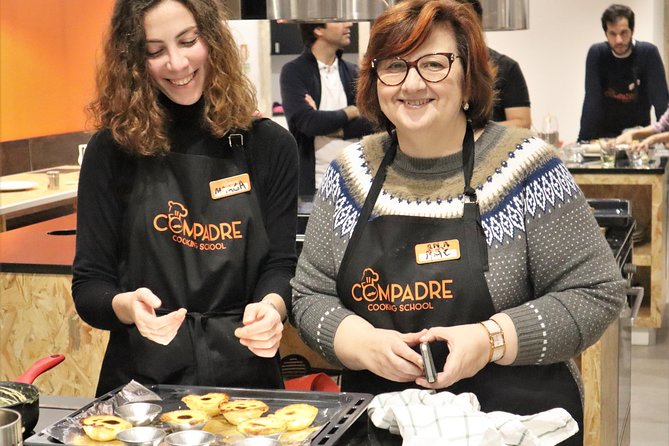
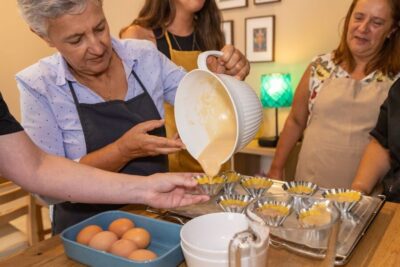
The class teaches the main elements of the tart, including the pastry and custard filling. You will spend part of the session watching the instructor explain the method, then take part in the work available at your station.
This is important because hands-on cooking classes differ widely. Here, the pastry work can be more demonstration-led than some people expect. One participant felt there was too much listening and not enough making, especially when the lemon rind for the filling had already been prepared.
That does not make the class poor, but it changes the experience. If you want a relaxed introduction, the instructor-led format helps you follow the method without feeling rushed or lost. If you want to do every step yourself, ask early how the work will be divided.
The class has received praise for making the recipe feel manageable. The instructors simplify the process, answer questions, and explain why each part matters. That is useful when you plan to repeat the recipe at home, since pastel de nata looks simple but depends on careful handling of pastry and filling.
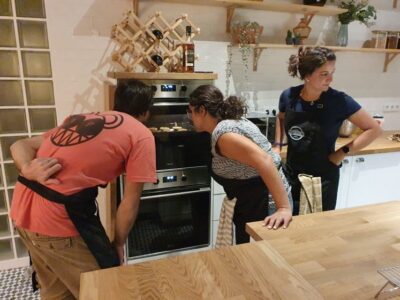
The number of workstations matters here. The maximum group size is 12, but one full session had 11 people and only four stations prepared. Participants worked in pairs or waited for a turn while the instructors demonstrated. A smaller class, especially outside the busiest season, can give you more direct time at the counter.
Fresh tarts, coffee, and the second Portuguese recipe
The reward comes from the oven. You try the pastel de nata you helped prepare, with coffee, hot or cold tea, and water available. Some sessions produced about eight tarts per couple, while another participant described making ten. The exact number may depend on the group and recipe setup.
Freshly baked custard tarts are a good reason to schedule this experience in the morning or afternoon rather than after a large meal. The class is short, and the food gives it a clear finish. You can eat your creations at the school or take some with you, depending on how the class divides the results.
The second recipe adds welcome variety. Several sessions included cod fritters, giving the lesson a savory contrast to the sweet tarts. That makes the class more useful for anyone curious about Portuguese food beyond the pastry counter.
The second dish also gives you another recipe to recreate at home. One of the strongest practical benefits is that the recipes are provided after the class. You are not relying on a few hurried notes or memory. You can bring the method back to your own kitchen and make the food again for family or friends.
The class does not include alcoholic beverages. Water or tea is provided instead for participants under 18, so the activity works well for families and mixed-age groups.
The people who guide the class
The instructors are a major part of the experience. Anna, Marta, and Jose are among the teachers named in the feedback, and they are repeatedly described as friendly, patient, and willing to answer questions.
Anna is praised for being warm and patient with beginners. Marta is described as welcoming and fun, with handmade earrings providing one small personal touch that helped create a relaxed mood. Jose received praise for his patience during a birthday outing.
The teaching style is informal rather than formal or stiff. You get a bit of Portuguese food culture alongside the recipe, including the origins and background of pastel de nata. That context matters because the tart is not just a generic dessert. It is one of the foods most closely tied to Lisbon and Portugal’s pastry tradition.
I value this kind of short history lesson when it stays connected to what you are cooking. Here, the cultural information appears to be part of the class rather than a separate lecture. It gives the recipe a place in Portuguese daily life and makes the food easier to remember.
More Food Tours in Lisbon
- Lisbon Small-Group Food Tour with 18 Tastings in Alfama District
★ 5.0 · 1,967 reviews - Lisbon: Baixa District Food Tour with Dinner and Drinks
★ 4.9 · 1,870 reviews - Devour Lisbon: The Ultimate Portuguese Food Tour
★ 5.0 · 1,782 reviews - Lisbon Food Tour with 10+ Tastings of Local Delicacies & Wines
★ 5.0 · 1,339 reviews
How hands-on is the class?
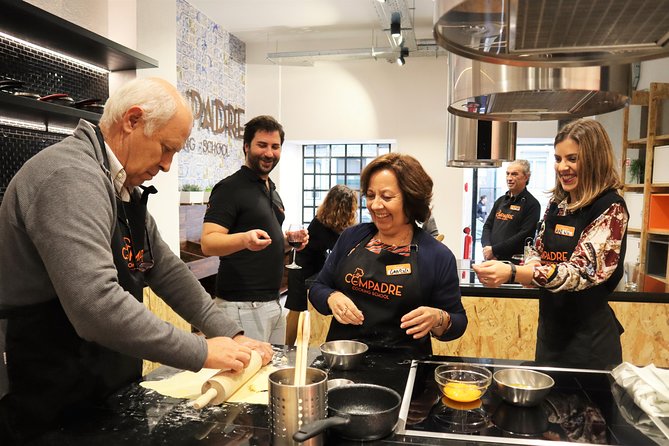
This is the key question to ask before booking. The class is advertised as hands-on, and many participants found it fun, active, and easy to follow. Families, couples, solo visitors, and groups of friends have all found the two-hour format manageable.
Still, the amount of personal cooking time can change with the group size. With four workstations and two instructors, a large class may require shared tasks. You might prepare the filling or take part in one stage while the instructor handles another. The pastry may be demonstrated instead of made fully by every person.
That arrangement has two sides. Beginners may appreciate seeing the tricky parts clearly before trying them. Experienced home cooks may find the pauses frustrating, particularly if they expected to make each tart from start to finish.
I would book this class for learning, tasting, and meeting people, not for intensive professional training. The strongest sessions appear to be smaller ones, when there are fewer people around each workstation. Since the experience is often booked about 26 days ahead, planning early gives you a better chance of choosing a convenient date and perhaps a quieter period.
A good Lisbon activity for families and first-time cooks
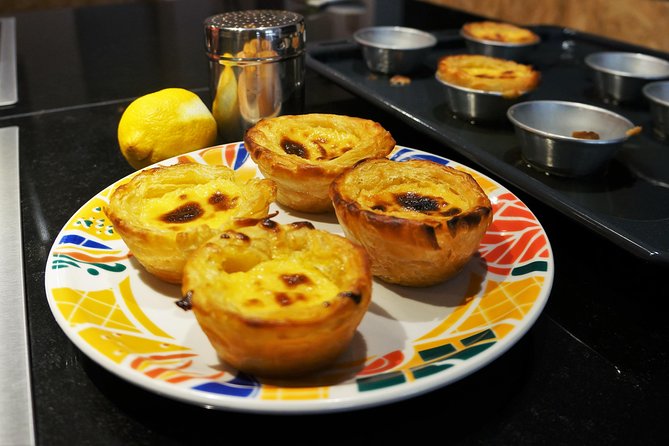
The class suits children and teenagers when they are accompanied by an adult participant aged 18 or older. The recipes are accessible enough for beginners, and the two-hour length is manageable for a family outing.
Teenagers can take part in a food activity that feels more memorable than simply visiting another museum. They also get something tangible from it, since the recipes can be used at home later. The class has been especially well suited to family groups who want an activity everyone can share.
Couples can use it as a low-pressure morning or afternoon plan. Solo visitors also have a natural way to meet other people without the forced structure of a group sightseeing tour. The kitchen setting encourages conversation while everyone works toward the same snack.
Friends celebrating a birthday or taking a short Lisbon break can fit the class into a busy schedule. It begins and ends at the same place, and the two-hour duration leaves much of the day free for neighborhoods, museums, or a long meal.
I would be more cautious about booking it if your main aim is advanced pastry technique. The class is designed for a broad audience, so the instructor must keep the pace clear for people with different levels of experience.
What the $62.89 price gets you
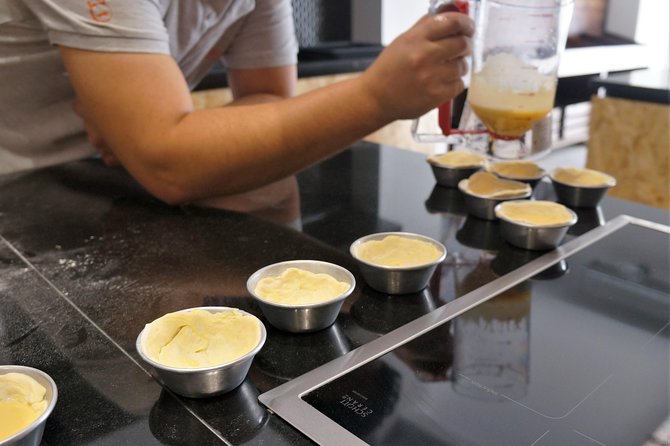
At $62.89 per person, this is not the cheapest way to eat pastel de nata in Lisbon. You can buy the pastry for little money at bakeries throughout the city. The value comes from the lesson, the second recipe, the food you make, the drinks, and the chance to take the recipes home.
The price makes better sense if you would otherwise pay for a food activity during your visit. You receive about two hours of instruction, a small-group setting capped at 12, and a cultural explanation of the pastry. The coffee, tea, and snacks are included, while alcohol is not.
The value is strongest for people who enjoy participation. If you only want to taste a great custard tart, spend your money at a bakery. If you want to understand the process and bring a Portuguese recipe into your own kitchen, this class offers more.
The two-course format also helps. A pastel de nata lesson alone might feel brief, especially if much of the pastry work is shown rather than completed by each participant. Adding a second traditional dish makes the class feel more like a small food workshop.
Timing, transport, and booking advice
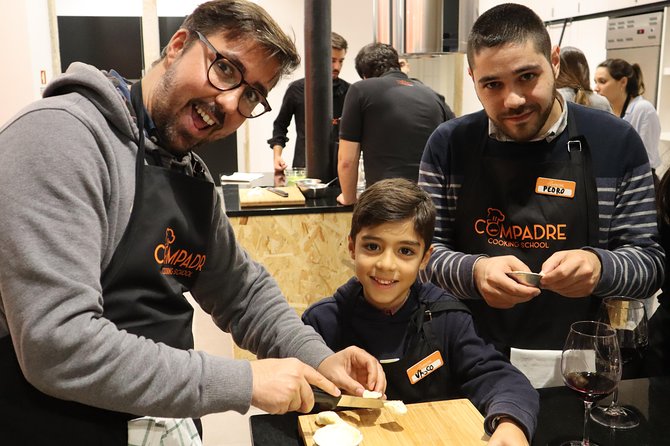
The meeting point is central enough to be near public transportation, and the venue is considered easy to find. I would still leave a little extra time, since arriving late can mean missing the opening explanation and the first preparation stage.
The activity lasts approximately two hours and returns you to the original meeting point. That makes it easy to place before lunch, after breakfast, or during an afternoon gap in your Lisbon plans.
The class is offered in English. Confirmation arrives at booking, and the maximum group is 12 people. A minimum number of participants is required, so the provider may offer another date or a full refund if the class has to be canceled for that reason.
You can cancel for a full refund if you do so at least 24 hours before the local start time. Changes or cancellations inside that window are not accepted for a refund, so avoid booking it too tightly around a flight, train, or other fixed plan.
What I like most, and what I would improve
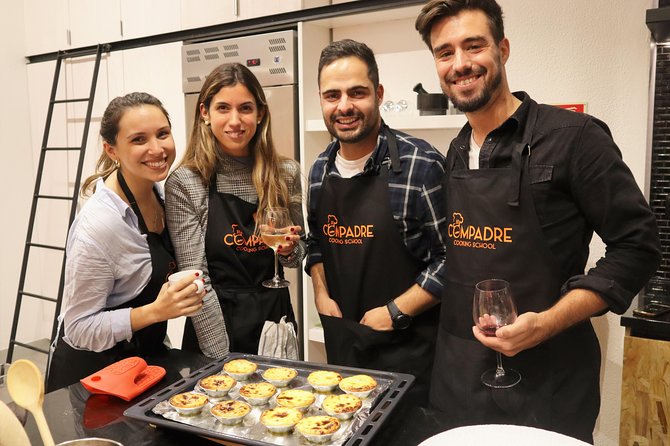
The strongest feature is the mix of cooking and culture. You learn how to prepare a famous Portuguese pastry, hear where it fits in local food traditions, and then sit down to eat what you made. The instructors’ friendly, patient approach is another clear plus.
I also like the take-home recipes. A good cooking class should continue after the holiday, and the ability to make pastel de nata or the second dish for friends gives this experience a lasting use.
The weak point is consistency in hands-on time. A small group can feel personal, but a near-capacity class may involve more watching than doing. The class could improve by preparing a workstation for every pair or by explaining the division of tasks more clearly at the start.
The second recipe can also make the lesson feel hurried. One session moved quickly because it covered both a savory and sweet dish. That is a fair trade for the extra recipe, but you should not expect a slow, detailed pastry workshop.
Should you book this pastel de nata class?
Book it if you want a friendly, compact introduction to Portuguese food and prefer making your own treat to simply ordering one. It is especially suitable for couples, families, beginners, solo visitors, and anyone who wants recipes to use at home.
I would book early because the experience is commonly reserved several weeks ahead. If possible, choose a date when the group is likely to be smaller, and ask about the current second recipe if cod fritters are important to you.
Skip it if you demand full control of every cooking step or want advanced pastry instruction. For most visitors, though, the combination of fresh tarts, a second Portuguese dish, cultural context, and a central Lisbon kitchen makes the $62.89 worthwhile.
FAQ
How long does the pastel de nata cooking class last?
The class lasts approximately two hours.
Where does the class meet?
It meets at Compadre Cooking School, R. Heliodoro Salgado nº14, 1170-176 Lisboa, Portugal. The activity ends back at the same meeting point.
Is the class offered in English?
Yes. The experience is offered in English.
What food will I make?
You will make pastel de nata, Portugal’s traditional egg tart, and another Portuguese traditional recipe. Several sessions included cod fritters, but you should confirm the current second dish if that matters to you.
Are drinks and food included?
Coffee, water, and hot or cold tea are included, along with the food you prepare and eat. Alcoholic beverages are not included or served to participants under 18.
Can children join the class?
Yes. Participants up to age 17 must be accompanied by an adult participant who is at least 18 years old.
What happens if I need to cancel?
You can receive a full refund by canceling at least 24 hours before the experience start time. Cancellations or changes made less than 24 hours before the start are not accepted for a refund.
More Workshops in Lisbon
- Pastel de Nata Pastry Class: Bake and Enjoy Your Own Treats
★ 5.0 · 485 reviews - Lisbon Portuguese Cooking Class with 3-Course Dinner
★ 5.0 · 445 reviews - Lisbon: Azulejos’ Design Create Your Own Tile Workshop
★ 4.9 · 420 reviews - Lisbon: Surfing Lesson on Costa de Caparica Beach
★ 5.0 · 322 reviews
New around Lisbon
- Arrábida, Setúbal, Sesimbra, Olive with wine tasting★ 5.0 · 75 reviews
- Lisbon: Sunset Sailing Boat Cruise with Wine★ 5.0 · 75 reviews
- Lisbon Half Day Private Tour★ 5.0 · 75 reviews
- Private Half Day Tour to Fatima from Lisbon★ 5.0 · 75 reviews
- Fátima, Nazaré and Óbidos Private Tour from Lisbon★ 5.0 · 76 reviews
- Central Lisbon 3-Hour Guided E-Bike Tour★ 4.8 · 76 reviews
- Lisbon Historic City Tour by Tuk-Tuk★ 5.0 · 76 reviews
- Sintra World Heritage and Cascais Village Private Deluxe Tour★ 5.0 · 76 reviews
Cooking Classes, compared.
Pastel de Nata Cooking Class with Grandma’s Recipe
Read our review →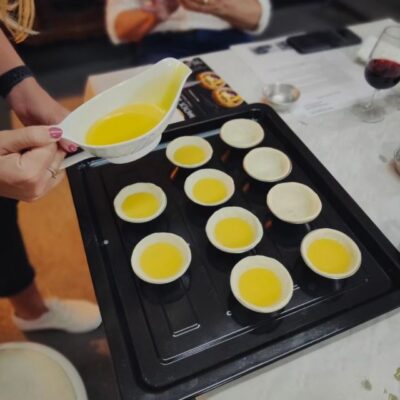
Pastel de Nata Cooking Class with Port Wine – Sé
Read our review →
Lisbon Portuguese Cooking Class with 3-Course Dinner
Read our review →
Pastel de Nata Cooking Class with Porto Wine (Sé do Porto)
Read our review →Browse the lists this tour appears in