
Reviewed · COOKING CLASSES
Lisbon: 2-Hour Pastel de Nata Cooking Class
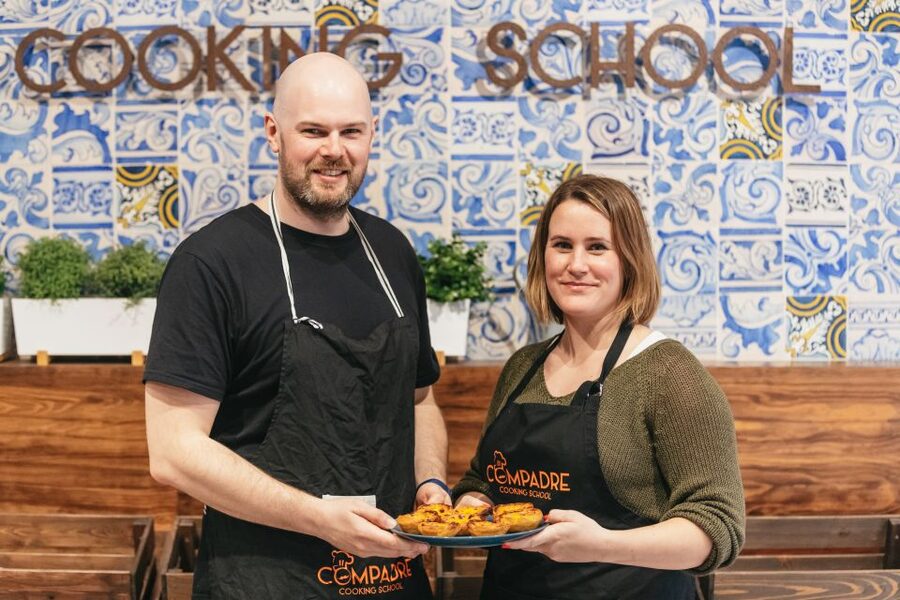
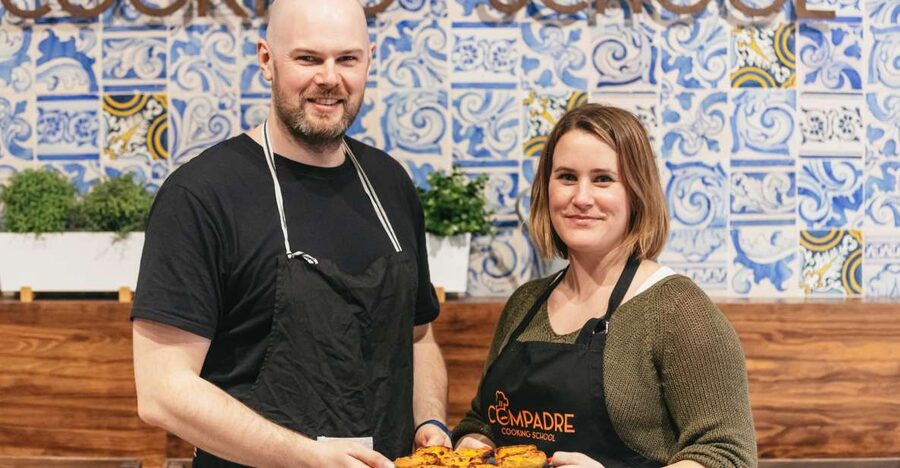
Lisbon’s most famous pastry is far more fun when you make it yourself. In this two-hour class, you work with cooks such as Anna and Marta to shape pastel de nata, prepare the custard, and learn the small tricks that help produce a crisp shell and browned top. The class also includes a second Portuguese recipe, often another dessert or a savory treat.
I like the friendly, story-filled teaching, which gives the pastry a place in Portuguese culture rather than treating it as just a sweet snack. I also like the practical result: you leave with two recipes, so the class can continue in your own kitchen. The main consideration is that this is a beginner-friendly workshop, not a full pastry apprenticeship. Some of the dough is prepared ahead, and the custard is deliberately simple.
Key points at a glance
- Make two Portuguese recipes: Pastel de nata is the star, with a second traditional recipe included.
- Learn from Anna and Marta: English-speaking instructors explain the method, history, and useful pastry tricks.
- Expect a clean, modern kitchen: Equipment, ingredients, utensils, and insurance are included.
- Plan for a light tasting, not a full lunch: Tea is included, but drinks beyond those listed are not.
- Stand for about 1 hour and 20 minutes: Wear comfortable shoes and avoid the class if standing causes back trouble.
- Take the lesson home: You receive both recipes and may have pastries left to carry away.
Why pastel de nata is the right Lisbon cooking lesson
Pastel de nata is Portugal in miniature: simple ingredients, careful technique, and a long story behind a very small pastry. The familiar tart has roots in 19th-century monasteries and grew into one of the country’s best-known foods. You will hear about that background while working in the kitchen, which helps explain why the pastry matters beyond its cinnamon-dusted surface.
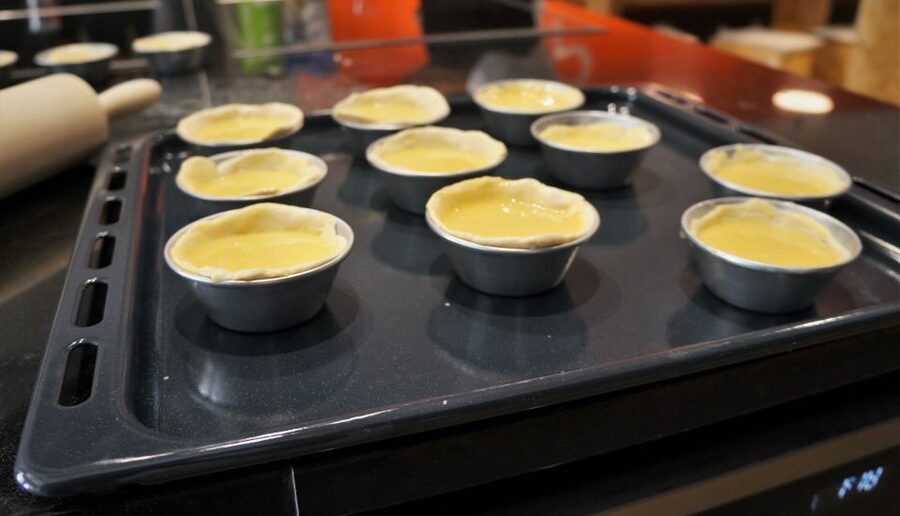
The recipe has two main parts. First comes the pastry shell, which needs to be thin, layered, and shaped neatly into the small tins. Then comes the custard, made from a few straightforward ingredients but still capable of going wrong if the balance or heat is off. The class focuses on the little corrections that home bakers often miss.
You are not simply handed a tart and told where it came from. You take part in the making, then sit down to eat what you prepared. That change from watching to doing is the best reason to choose this class over a standard pastry tasting.
More Cooking Classes in Lisbon
- Lisbon: Pastel de Nata Baking Class
★ 4.9 · 2,106 reviews - Lisbon: Traditional Portuguese Cooking Class
★ 4.9 · 592 reviews - Lisbon Portuguese Cooking Class with 3-Course Dinner
★ 5.0 · 445 reviews
Entering the kitchen at Compadre Cooking School
The meeting point is the local partner’s kitchen in Lisbon. Pay close attention when entering the address during booking: the city should be listed as Lisbon, not simply the wider Lisbon District. Pickup and drop-off are not included, so you make your own way to the kitchen.
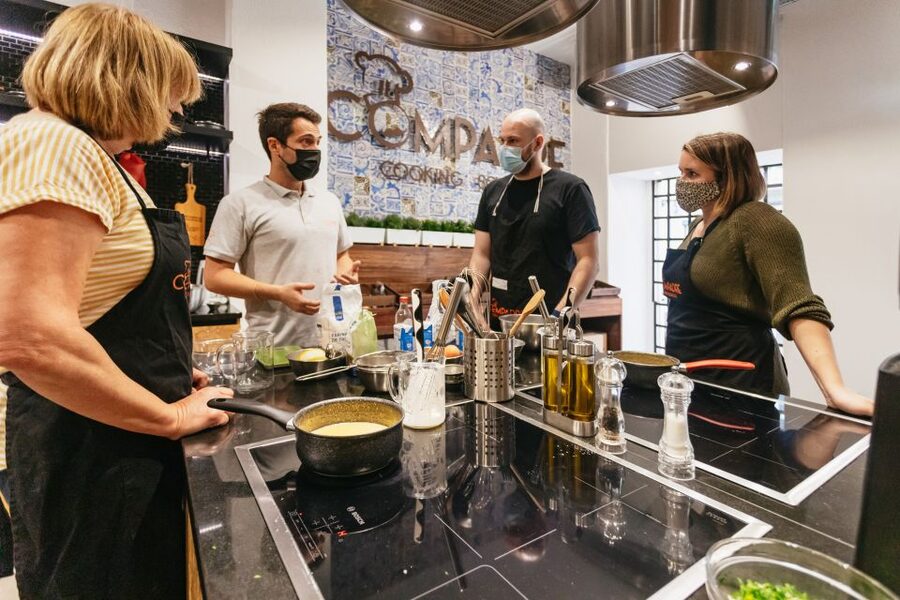
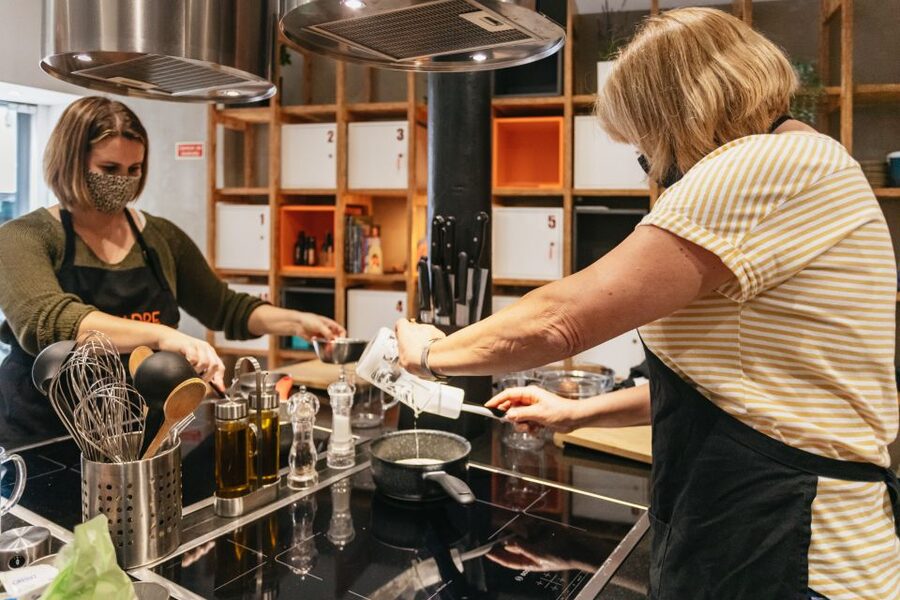
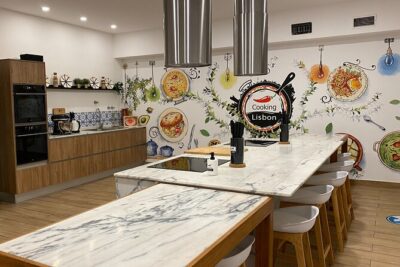
The cooking space has been described as clean, modern, and well equipped. Air conditioning has also been useful during Lisbon’s hot summer months. That matters in a hands-on class, since you will be standing, handling ingredients, and moving around the work area rather than sitting through a demonstration.
The class is taught in English. Anna and Marta are names that come up often in connection with the sessions, and their approach combines clear instructions with stories about the food. You do not need advanced baking skills. The instructions are intended for beginners, and the method is broken into manageable steps.
You should arrive ready to participate. Comfortable shoes are specifically recommended, and pets and smoking are not allowed. The class involves standing for roughly 1 hour and 20 minutes, so it is not a good choice if you have back problems or need to sit frequently.
Shaping the pastry shells
The most useful part of the class is learning how the pastry is handled. Pastel de nata looks humble, but the shell gives the tart much of its character. A good one should be crisp and flaky outside, with enough structure to hold the custard without becoming tough or soggy.
You will work with the pastry and shape it into the small tart molds. The instructors explain the technique carefully and point out the details that affect the finished result. Several classes have used dough prepared ahead of time, so you should not expect to begin with flour and make every part from scratch.
That is not necessarily a weakness. Preparing dough from start to finish would take more time and would leave less room for the second recipe, the history lesson, and the shared tasting. If your goal is to learn the complete professional pastry process, this workshop may feel shortened. If your goal is to understand the shaping and reproduce the tarts at home, the choice keeps the two-hour format practical.
The class is also useful for people who describe themselves as poor cooks. The instructors demonstrate each step, then let you try it with help nearby. You get a real feel for the pastry rather than only a printed formula.
Preparing the custard and getting the finish right
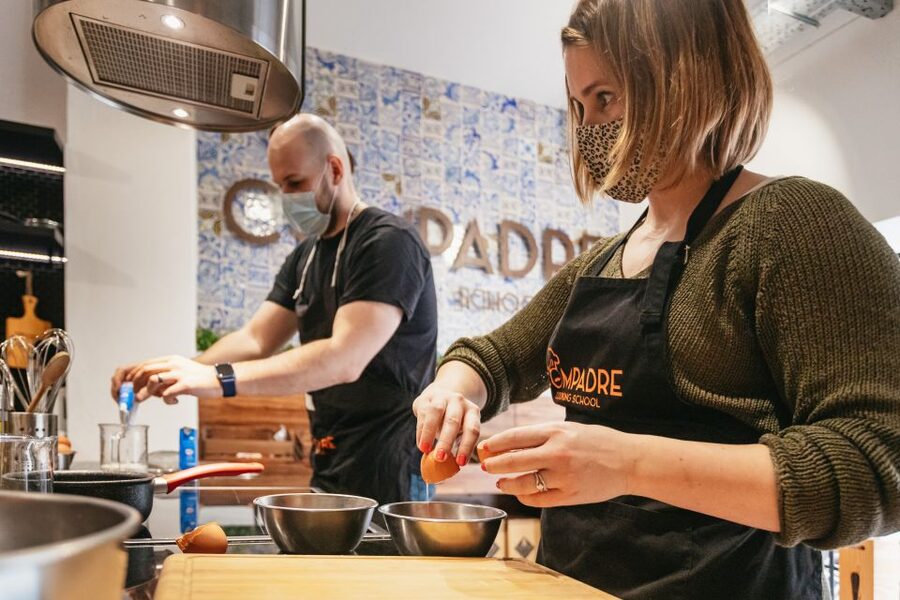
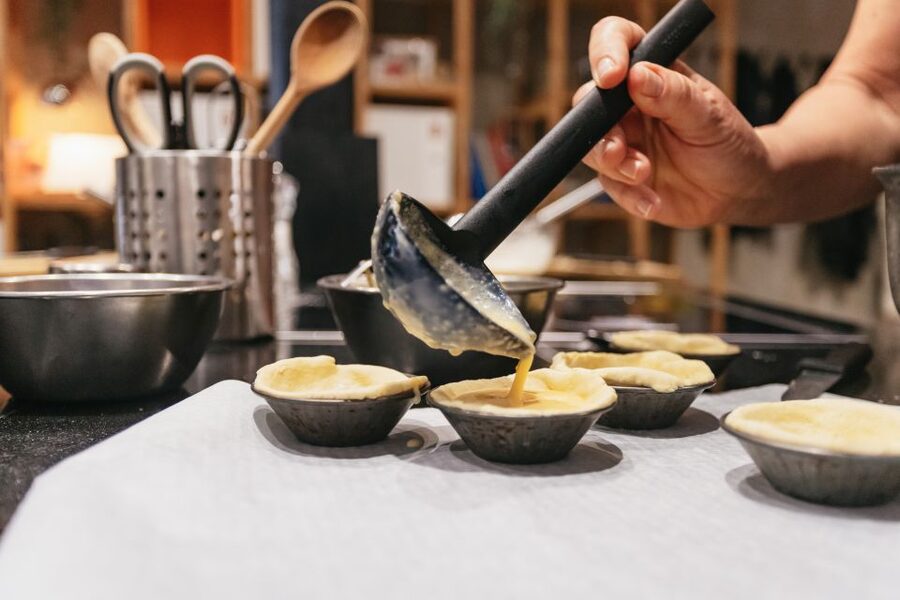
The custard is simple, but simple does not mean unimportant. The tart’s creamy center needs the right texture, and the final high heat creates the dark spots that make pastel de nata recognizable.
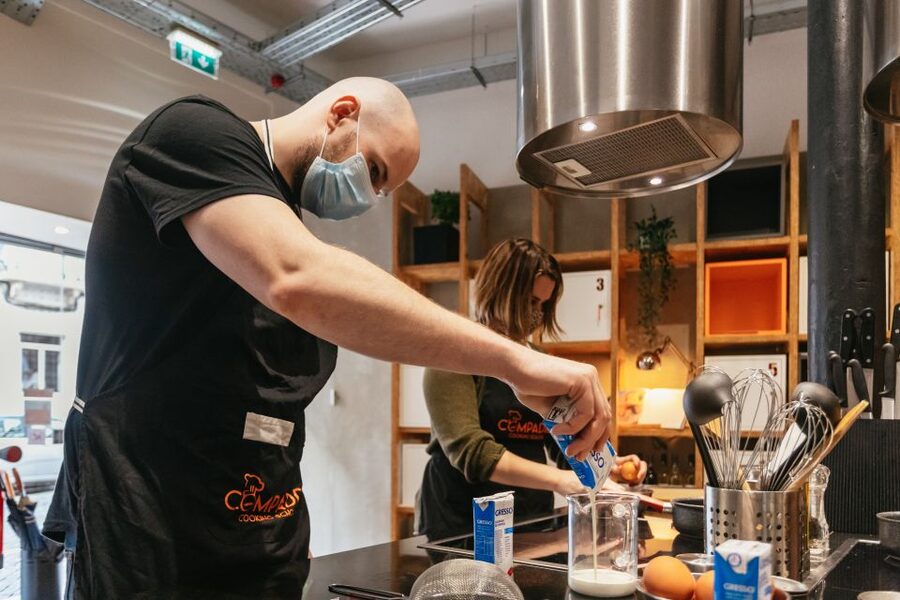
Anna and Marta explain how to prepare the filling and how to combine it with the pastry shells. The demonstrations include practical tips for getting a near-perfect tart, not just a general list of ingredients. You also hear enough about the pastry’s background to connect the technique with the Portuguese tradition.
Some people may find the custard stage too basic. One participant noted that the filling was very simple, and that is fair. This is not a scientific pastry course focused on advanced custard control, laminated dough, or several variations of the recipe. It is a short, friendly class that gives you a reliable starting point.
Once the tarts are ready for the oven, the class turns toward the second recipe. The exact dish can vary, but past sessions have included farófios, a meringue dessert with custard, and cod fritters. That variety gives the workshop more range than a single-item baking lesson.
More Food Tours in Lisbon
- Lisbon Small-Group Food Tour with 18 Tastings in Alfama District
★ 5.0 · 1,967 reviews - Lisbon: Baixa District Food Tour with Dinner and Drinks
★ 4.9 · 1,870 reviews - Devour Lisbon: The Ultimate Portuguese Food Tour
★ 5.0 · 1,782 reviews - Lisbon Food Tour with 10+ Tastings of Local Delicacies & Wines
★ 5.0 · 1,339 reviews
The second Portuguese recipe adds real value
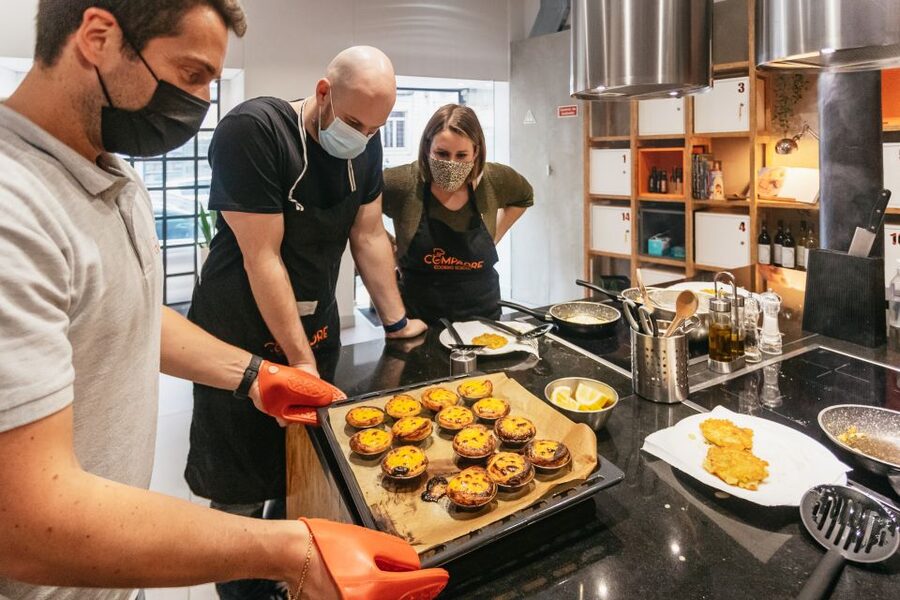
The extra recipe is not just filler. It gives you another view of Portuguese cooking, often contrasting the small pastry with a different texture or flavor. A second dessert keeps the class focused on sweets, while cod fritters introduce a savory classic and help show how broad Portuguese home cooking can be.
Past participants have learned to make cod cakes alongside the natas, while other classes have prepared a dessert involving meringue and custard. Since the supplied details do not promise one fixed second dish for every session, you should treat the additional recipe as a welcome traditional extra rather than book for a specific item.
This second dish also helps justify the price. At $64 per person, you are paying for more than a pastry recipe. The fee covers the instructor, ingredients, cooking equipment, utensils, insurance, two recipes, and tea. You also get a shared tasting and a social activity that occupies a useful two hours in Lisbon.
For comparison, the value is strongest if you want to cook and learn. If you only want to eat pastel de nata, Lisbon’s bakeries offer a cheaper route. The class makes sense when you want a skill, some cultural context, and a memory you can recreate at home.
Sitting down to taste the results
After the cooking, you sit together and eat the pastries and the second dish. This is described as a light meal, but you should plan your day as if it were a substantial snack rather than lunch. The food you make is the main part of the tasting, and water may be available at the table.
Tea is included in the activity details. Coffee and tea are also described as part of the shared finish, but one participant found that tea and coffee were not offered during a particular class. I would not rely on this as your only drink or meal plan. Bring your expectations down to a relaxed tasting, and confirm the drink arrangements if they matter to you.
The shared table is one of the nicer parts of the format. You cook beside other people, then sit down with them to try the results. The atmosphere is casual, and the mix can include families, couples, solo participants, and people of different ages. If you are traveling alone, the class still works, and solo booking has been accepted.
You may also receive bags for leftover pastries. That is handy if you manage not to eat everything at once. The tarts are meant to be enjoyed fresh, but saving a few for later can turn the lesson into a second treat back at your accommodation.
What the instructors add
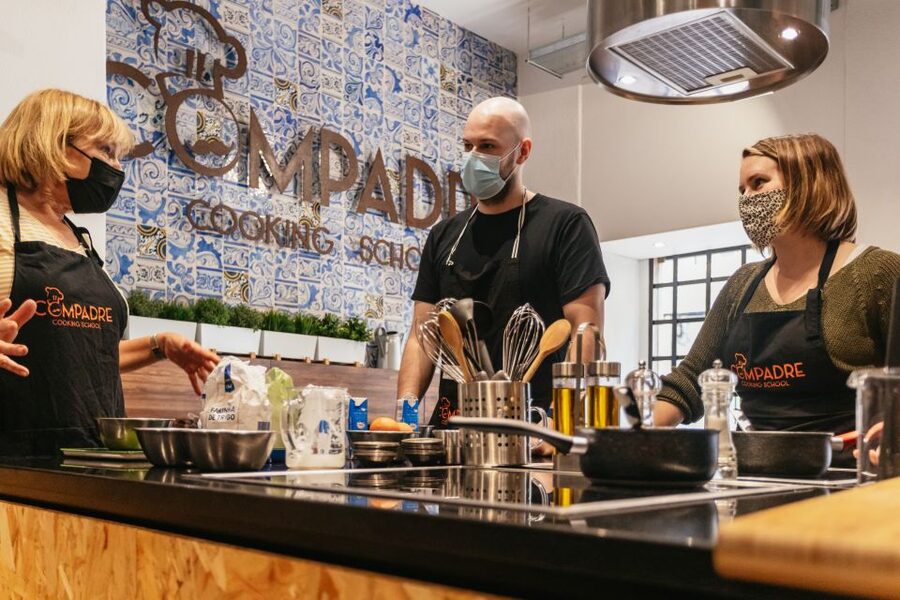
The teaching is the heart of this experience. Anna is often praised for her energy, storytelling, and simple explanations, while Anna and Marta are frequently described together as a strong teaching team. Their role is not only to demonstrate the recipe but also to keep the two-hour session moving.
You get background on the origin of pastel de nata, advice about the technique, and suggestions for trying the pastry around Lisbon. That last detail is useful. After making your own, you will understand more clearly what to look for in a bakery version: the pastry should have a good snap, the custard should be smooth, and the top should show the characteristic baked marks.
The instructors also seem comfortable with beginners and families. An eight-year-old took part successfully with a parent, and families with teenagers have found the cooking a good way to connect with Portuguese food. The class does not require you to be an enthusiastic cook before you arrive. Curiosity is enough.
The social side is informal rather than forced. One useful suggestion for improving the group atmosphere is to have everyone introduce themselves and say where they are from at the beginning. Even without that formal step, the shared work and meal give you natural chances to talk.
Dietary needs and physical comfort
Portuguese cuisine is not especially vegan-friendly, and the supplier asks vegan participants to get in touch beforehand. Do not assume that a vegan version will be available simply because the pastry looks simple. Ask before booking if you need substitutions.
Vegetarian needs have been accommodated in the past, but you should still contact the local supplier in advance. The available information does not promise a particular alternative dish, so advance notice is the sensible approach for any dietary requirement.
The class is not suitable for people with back problems because you stand for about 1 hour and 20 minutes. Comfortable footwear is a must. There is no stated pickup service, and no other accessibility details are provided, so ask the supplier directly if you need seating, mobility assistance, or a specific kitchen arrangement.
Booking, cancellation, and timing
The duration is two hours, but the starting time depends on availability. Check the schedule before arranging other plans, especially if you want to combine the class with a museum visit or a meal.
The booking terms are friendly to changing plans. You can cancel up to 24 hours in advance for a full refund, and reserve now while paying later. That flexibility is useful if your Lisbon schedule is still taking shape, though I would still confirm the meeting address and any dietary request before the day of the class.
Because there is no hotel pickup or drop-off, allow enough time to reach the kitchen. The meeting point is at the local partner’s kitchen, not a sightseeing stop, so the activity works best when you treat it as a planned appointment rather than something to squeeze in between nearby attractions.
Who should book this Lisbon cooking class?
I would choose this class for:
- First-time Lisbon visitors who want food culture with more substance than a bakery stop.
- Families with older children and teenagers who enjoy practical activities.
- Solo visitors who like meeting people through a shared task.
- Beginner cooks who want a recipe they can repeat at home.
- Pastry fans curious about the techniques behind Portugal’s signature tart.
- Couples and friends looking for a relaxed indoor activity, especially on a hot day.
I would hesitate if you want a long, technical baking course. The dough may be prepared ahead, the custard is not difficult, and the class moves quickly. You also need to plan another meal if you are hungry, since the tasting is light rather than a full lunch.
Is the $64 price worth it?
At $64, this is not the cheapest way to eat pastel de nata in Lisbon. A bakery visit costs less and takes only a few minutes. The value comes from the instruction, the equipment, the ingredients, the second recipe, the cultural background, and the chance to sit down with what you made.
The price looks fair if two people or a family will use the recipes at home. It is also a good use of time when the weather is hot or when you want a break from sightseeing. The clean kitchen, air conditioning in at least some sessions, and organized teaching make the experience feel more comfortable than a rushed demonstration.
The value is weaker if you mainly want a full meal, a fixed menu, or advanced pastry training. Be clear about what you are buying: a lively two-hour workshop with tasting, not a restaurant meal or professional qualification.
Should you book the pastel de nata class?
Yes, if you want to understand Lisbon through its food and enjoy doing something with your hands. The best parts are the clear guidance from Anna and Marta, the pastry tips, the story behind the tart, and the second Portuguese recipe. You finish with food to taste and instructions you can use at home.
Book with three practical points in mind: confirm the Lisbon meeting address, tell the supplier about dietary needs, and do not count the tasting as lunch. If standing for more than an hour is uncomfortable, choose a different activity. For everyone else, this is a cheerful, useful way to turn Portugal’s most famous pastry into a skill rather than just another holiday snack.
FAQ
How long does the pastel de nata cooking class last?
The class lasts two hours. Starting times vary, so check availability when you book.
Is the class taught in English?
Yes. The listed instructor language is English.
What is included in the price?
The $64 price includes the instructor, cooking equipment, utensils, ingredients, insurance, two different recipes, and tea.
Is a full lunch included?
No. The activity includes a light shared meal or tasting after cooking. You should plan another meal if you need a full lunch, and drinks beyond those specifically listed are not included.
Can vegans or vegetarians join?
Portuguese cuisine is not very vegan-friendly, so vegan participants should contact the local supplier before booking. Vegetarian needs have been accommodated, but you should also give advance notice.
Is the class suitable for people with back problems?
No. The activity involves standing for about 1 hour and 20 minutes and is not recommended for people with back problems. Comfortable shoes are advised.
More Workshops in Lisbon
- Pastel de Nata Pastry Class: Bake and Enjoy Your Own Treats
★ 5.0 · 485 reviews - Lisbon: Azulejos’ Design Create Your Own Tile Workshop
★ 4.9 · 420 reviews - Lisbon: Surfing Lesson on Costa de Caparica Beach
★ 5.0 · 322 reviews - Traditional Portuguese Cooking Class in Lisbon
★ 5.0 · 287 reviews
More 2-Hour Experiences in Lisbon
- 2 Hour Lisbon Sunset and Wine Sailing Tour
★ 5.0 · 2,680 reviews - 2-Hour Lisbon Traditional Boats Sunset Cruise with White Wine
★ 4.5 · 2,091 reviews - Lisbon: 1 or 2-Hour Cruise along the Tagus River
★ 4.8 · 1,079 reviews - Lisbon Small Group 2h Sunset Sailing- Live Commentary & a Drink
★ 5.0 · 620 reviews
New around Lisbon
- Arrábida, Setúbal, Sesimbra, Olive with wine tasting★ 5.0 · 75 reviews
- Lisbon: Sunset Sailing Boat Cruise with Wine★ 5.0 · 75 reviews
- Lisbon Half Day Private Tour★ 5.0 · 75 reviews
- Private Half Day Tour to Fatima from Lisbon★ 5.0 · 75 reviews
- Fátima, Nazaré and Óbidos Private Tour from Lisbon★ 5.0 · 76 reviews
- Central Lisbon 3-Hour Guided E-Bike Tour★ 4.8 · 76 reviews
- Lisbon Historic City Tour by Tuk-Tuk★ 5.0 · 76 reviews
- Sintra World Heritage and Cascais Village Private Deluxe Tour★ 5.0 · 76 reviews
Cooking Classes, compared.
Pastel de Nata Cooking Class with Grandma’s Recipe
Read our review →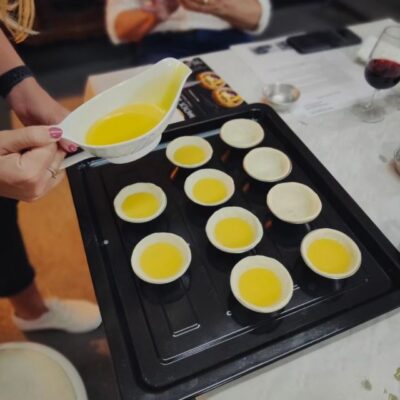
Pastel de Nata Cooking Class with Port Wine – Sé
Read our review →
Lisbon Portuguese Cooking Class with 3-Course Dinner
Read our review →
Pastel de Nata Cooking Class with Porto Wine (Sé do Porto)
Read our review →
Traditional Portuguese Cooking Class in Lisbon
Read our review →Browse the lists this tour appears in