
Reviewed · COOKING CLASSES
Lisbon: Portuguese Cooking Class for Beginners
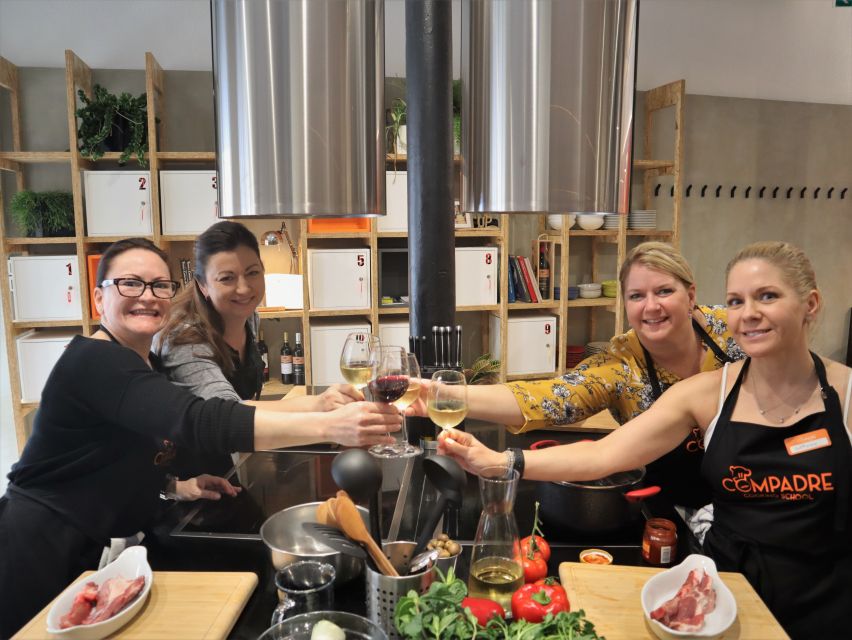
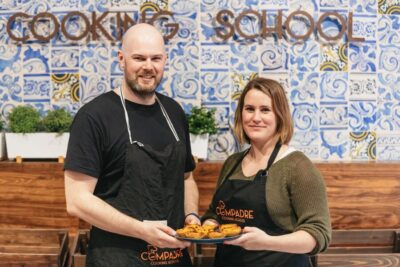
Portugal’s food culture comes alive around a shared table, and this class puts you to work before it puts dinner in front of you. At Compadre Cooking School, you’ll prepare three dishes, hear the story behind the ingredients, then sit down with wine, tea, and coffee to eat what you made. I especially like the hands-on format and the small groups, capped at six people. You are not watching a chef perform from across the room.
I also like that the class gives you something useful to take home: the recipes. Instructors including Anna and Marta have been praised for patient, step-by-step teaching, and the menu can include Portuguese favorites such as cod, prawns, or chicken piri piri. The main consideration is physical: you’ll stand for at least two hours, so this is not a good fit if you have significant back problems.
Key Points
- Three dishes in three hours: You cook the meal yourself, then sit down to enjoy it.
- A small Lisbon class: The group is limited to six, which allows plenty of help at the worktop.
- Portuguese food with context: Recipes come with stories about ingredients, family customs, and culinary tradition.
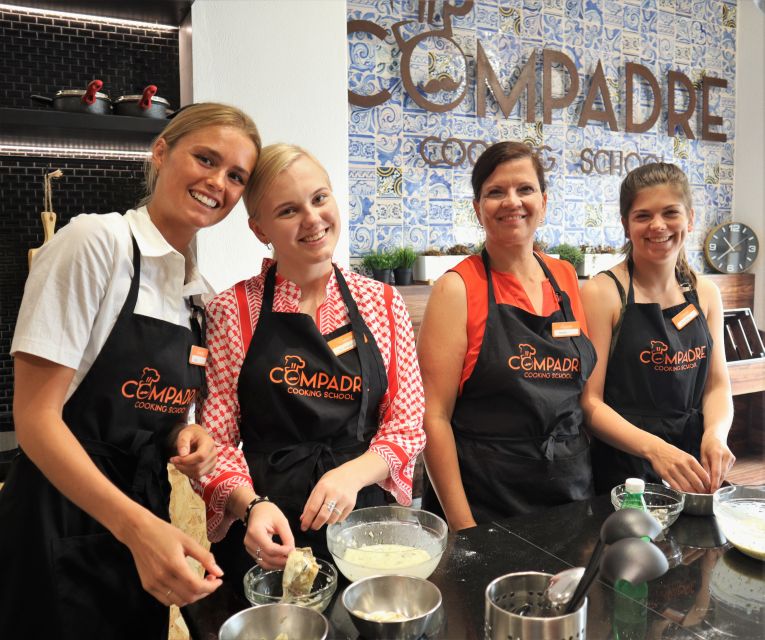
- Friendly named instructors: Anna and Marta are among the instructors associated with the class.
- A useful take-home souvenir: You receive recipes so you can recreate the dishes for friends.
- Drinks are included: Wine, tea, coffee, and the full meal are part of the experience.
Cooking Portuguese Food at Compadre Cooking School
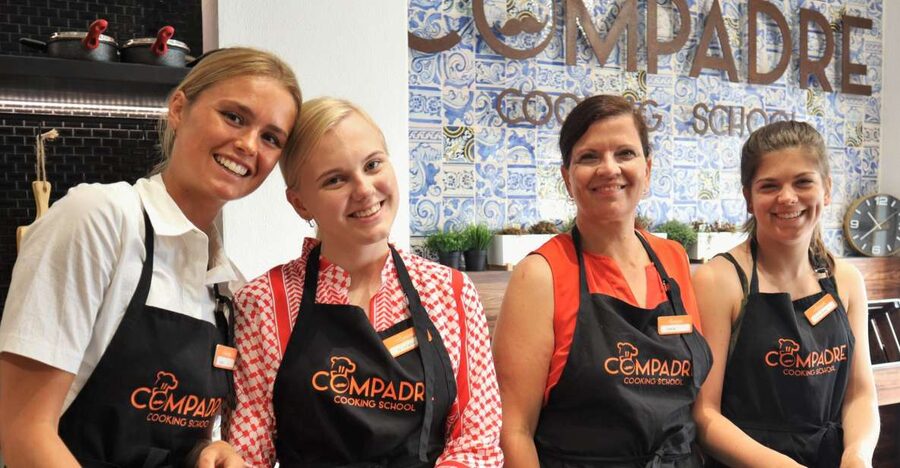
This is the sort of Lisbon activity that gives you more than a meal. You spend three hours at Compadre Cooking School in Lisbon District, learning how Portuguese dishes are put together and why food matters so much in daily life.
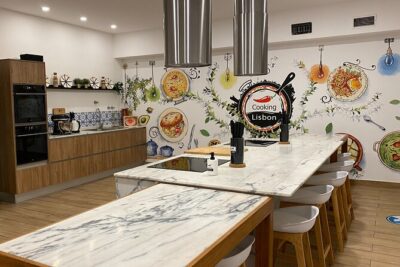
The class begins in a kitchen setting rather than at a restaurant table. Your instructor introduces the dishes and ingredients, then explains the background behind the recipes. That opening matters. Portuguese cooking is closely tied to family life, local products, and recipes passed between generations, so a little context helps you understand what you are preparing instead of simply following instructions.
You then make three different dishes with the instructor’s guidance. The exact menu is not specified in advance here, and it may vary, but the class can include dishes based on cod, prawns, and chicken piri piri. That variety gives you a useful taste of Portugal’s cooking range, from seafood traditions to the spicy, crowd-pleasing chicken dish.
The cooking is hands-on. You should expect to help with preparation and cooking rather than simply watch a demonstration. That makes the class a good choice even if your kitchen skills are modest. The instructors help you through each stage, and the small group size means the experience is more personal than a large cooking workshop.
More Cooking Classes in Lisbon
- Lisbon: Pastel de Nata Baking Class
★ 4.9 · 2,106 reviews - Lisbon: Traditional Portuguese Cooking Class
★ 4.9 · 592 reviews - Lisbon: 2-Hour Pastel de Nata Cooking Class
★ 4.8 · 461 reviews
Why the Small Group Size Matters
The class is limited to six participants, one of its strongest practical features. Cooking classes can become frustrating when one instructor is trying to monitor a dozen or more people, especially when several tasks happen at once. Here, you have a better chance of getting a close look at each step and asking for help when you need it.
I would choose this format over a large group if you want to actually cook. You can work at a comfortable pace, and the instructor can make adjustments when needed. One participant with little interest in seafood was able to work with the team on a chicken piri piri version and make adjustments to the cod and prawn dishes.
That example also points to an important benefit: the class is not presented as a test. You do not need to arrive as an experienced cook. The instructors, including Anna and Marta, are described as friendly, patient, and willing to explain each step. If you are nervous about handling unfamiliar ingredients, the class gives you room to learn without feeling rushed.
The small group also helps with the social side. You cook alongside people from different countries, then share the meal you have prepared. If you are visiting Lisbon alone, this is a natural way to meet others without having to force conversation over a formal dinner.
From Portuguese Ingredients to Family Traditions
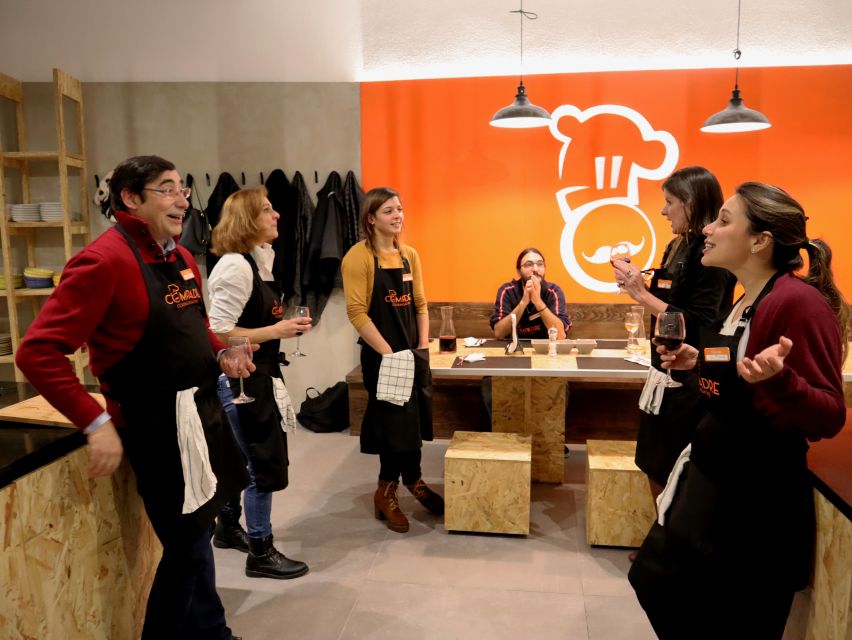
The food is the center of the class, but the stories give it meaning. Your instructor explains where the recipes and ingredients fit into Portuguese culture, history, and everyday life. That can include the way food brings families, friends, and strangers together around the table.
You will not just leave knowing that a dish tastes good. You will have a clearer idea of why certain foods appear so often in Portuguese cooking and how recipes can reflect the country’s connection to home cooking and shared meals.
The history portion seems to be one of the most valued parts of the experience. An opening explanation of the origins of each dish helps set up the cooking, while conversation during the class can lead to broader suggestions about Portugal. The instructors have also been praised for offering recommendations beyond the kitchen, which can be useful if you want to keep exploring Portuguese food during the rest of your stay.
The class is especially worthwhile for people who like to connect food with place. A standard restaurant meal gives you a finished dish. This experience lets you see the work, choices, and traditions behind it.
Three Dishes, Then a Proper Meal
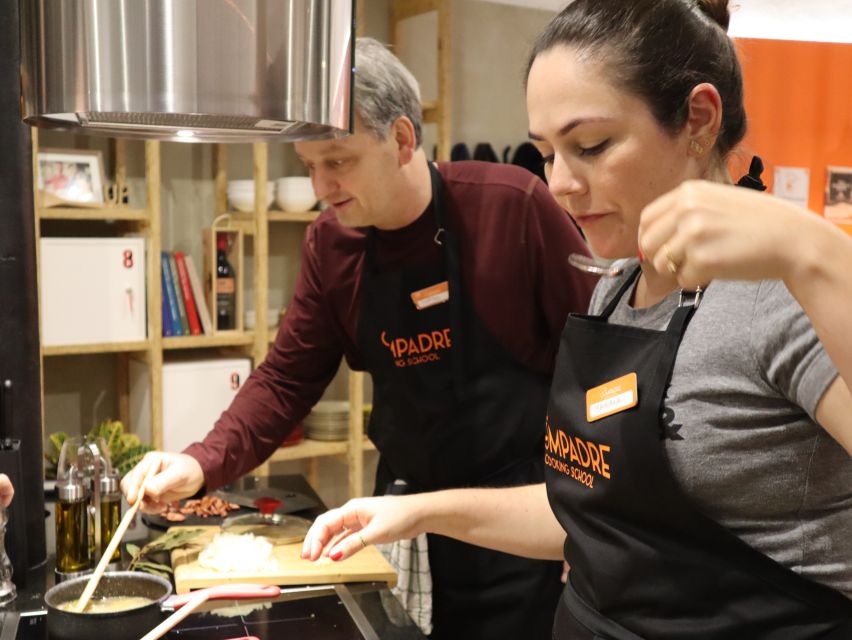
The three-hour schedule is long enough to feel substantial without taking over an entire day. You prepare three dishes, usually with the instructor dividing the work into manageable steps. The order will depend on the menu, but you can expect to move between preparation, cooking, instruction, and conversation.
After the cooking is finished, you sit down for a full meal. This is not a quick sample at the end of a demonstration. You eat the dishes you helped prepare, along with included beverages such as wine, tea, and coffee.
That meal is an important part of the value. You get to taste the results while the instructions are still fresh in your mind. You can compare the dishes, ask last questions, and enjoy the social rhythm of a Portuguese table.
Some cooking classes leave you with small portions or a few bites. This one is designed as a complete meal experience, so it can also serve as lunch or dinner during your Lisbon visit. You may want to avoid scheduling a large restaurant meal immediately afterward.
The group meal also gives the class a pleasant finish. Cooking side by side creates easy conversation, and sitting down together makes the experience feel less like a lesson and more like a shared cultural activity.
More cooking classes around Lisbon:
- Lisbon Portuguese Cooking Class with 3-Course Dinner
★ 5.0 · 445 reviews - Traditional Portuguese Cooking Class in Lisbon
★ 5.0 · 287 reviews - Pasteis de Nata Baking Class from Lisbon
★ 5.0 · 248 reviews - Portuguese Cooking Class in Lisbon
★ 5.0 · 141 reviews
Seafood, Piri Piri, and Menu Flexibility
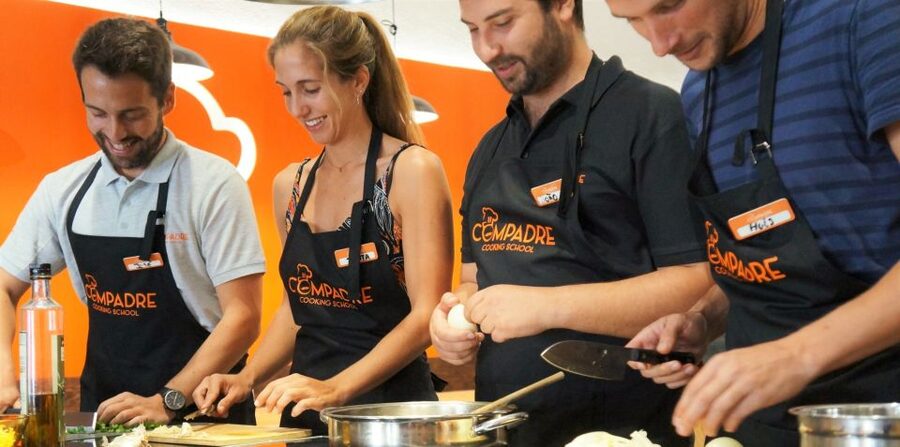
Portuguese food often includes seafood, and the class may feature cod and prawns. If you enjoy seafood, that is a chance to work with ingredients strongly associated with Portugal. If you do not, it is worth raising the issue with the instructor at the start.
The class can accommodate adjustments in at least some cases. A participant who was not a big seafood eater worked with the team on a chicken piri piri recipe and made changes to other dishes. I would not assume every dietary request can be met, since the available information does not promise a fixed range of substitutions, but asking early is sensible.
Chicken piri piri offers a different side of Portuguese cooking. It is familiar enough to appeal to many people, while still giving you a recipe with a strong local identity. Cod and prawns, meanwhile, help show why seafood has such an important place in Portuguese meals.
The key point is that you should not book expecting one guaranteed menu unless the provider confirms it. Book for the cooking method, cultural explanation, and shared meal, with the exact dishes treated as subject to the class plan.
What the Instructors Add
The instructor can make or break a cooking class, and the teaching style here appears to be a major strength. Anna is specifically praised for explaining each step clearly and working at the group’s pace. Marta is also noted for guiding participants through the process and keeping the session fun.
You can expect instruction in English or Portuguese. That makes the class practical for international visitors, while Portuguese speakers can take part in the local language if preferred.
The tone sounds warm and social rather than formal. You will get help with preparation and cooking, but you will also hear stories about Portuguese dishes and receive suggestions for enjoying the country beyond the class.
That balance suits beginners. You learn enough technique to repeat the recipes, yet the class does not sound like a professional culinary exam. If you make a mistake, the point is to fix it and understand what happened.
Is $88 a Fair Price?
At $88 per person, this is not a cheap meal, but it is more than a meal. The price covers three hours of instruction, equipment, ingredients, three dishes, a full meal, beverages, recipes, and insurance.
I see the strongest value in the combination of food and teaching. A restaurant dinner would give you the finished dishes, but not the preparation, explanations, or recipes. A shorter demonstration might cost less, but you would have less time to cook and less contact with the instructor.
The group limit also matters. You are paying for a small class of no more than six participants, not a packed workshop where you spend much of the time waiting for a turn. For someone who wants an interactive food experience, that makes the price easier to justify.
The value is weaker if you dislike cooking, have no interest in Portuguese food, or mainly want a quick tasting. You will be standing for at least two hours and taking part in the work. This is an activity for people who want to do something with their meal.
Hotel pickup and drop-off are not included, so you need to make your own way to Compadre Cooking School in Lisbon. Check the exact meeting details and starting time when booking, since the class runs for three hours and available times can vary.
Practical Details Before You Book
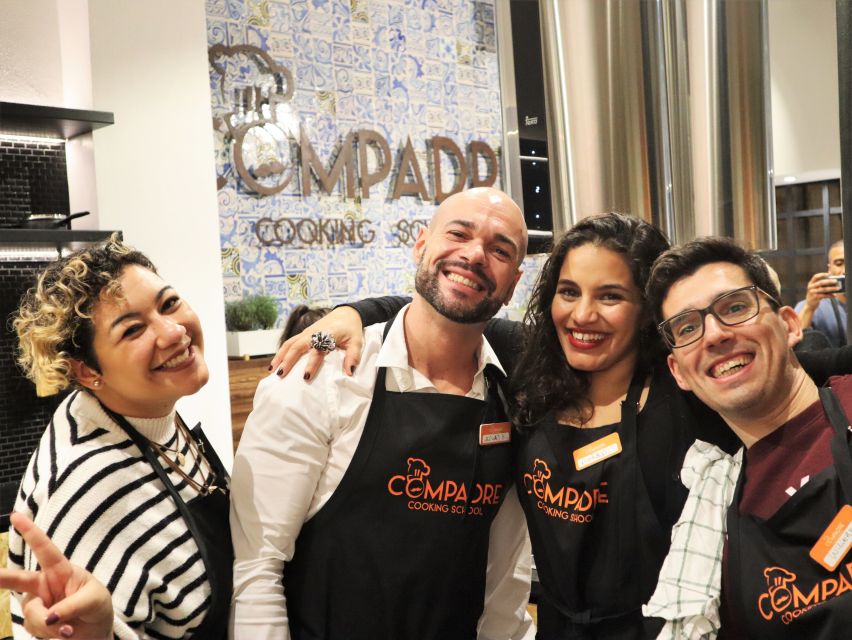
Wear comfortable shoes. You will be on your feet for at least two hours, and kitchen work requires moving around rather than sitting through a presentation.
The class is not recommended for people with big back problems. That is the main physical limitation provided for this activity, and it should be taken seriously. Pets and smoking are not allowed.
Cancellation is flexible if your schedule is still changing. You can cancel up to 24 hours in advance for a full refund, and the reserve-now, pay-later option lets you hold a place without paying immediately.
The class is available in English and Portuguese. Since the group is small, it is worth arriving ready to take part, ask questions, and share the work. Bring an appetite, but do not expect to remain seated throughout the session.
Take the Recipes Home
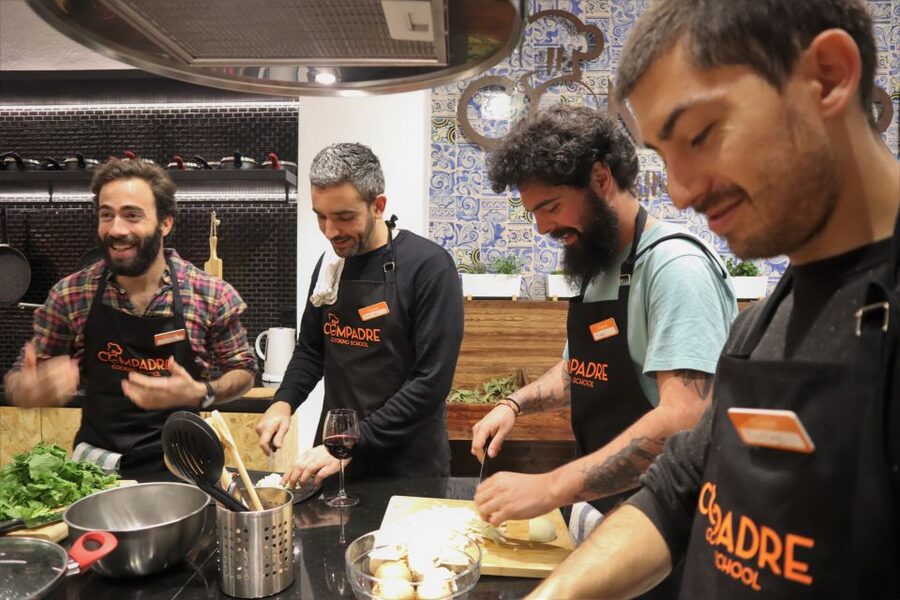
The recipes are one of the best long-term benefits. A food tour can fade into a pleasant memory, but written recipes give you a practical way to bring the experience home.
You can prepare the dishes for friends and use the meal as a small reminder of Lisbon. One participant also received access to an extensive Portuguese cookbook through a QR code, including the recipes made in class. The supplied information confirms that recipes are provided, though the exact format may vary.
I like this kind of souvenir because it does not take up luggage space. It also helps you keep exploring Portuguese food after you leave. If you make the dishes at home, you will remember the instructor’s explanations and the group meal as well as the ingredients.
Who Will Enjoy This Lisbon Cooking Class?
This class is a strong match for:
- First-time cooks who want patient, guided instruction
- Couples looking for a hands-on alternative to sightseeing
- Solo visitors who enjoy meeting people over food
- Food lovers curious about cod, prawns, chicken piri piri, and Portuguese culinary customs
- Anyone who wants recipes to recreate at home
- Visitors with a free three-hour block who want a meal and an activity in one
It is less suitable if you have serious back problems, dislike standing, or want a passive food tasting. You should also ask about the menu if you have seafood concerns or other dietary needs, since the class description does not list a full set of dietary accommodations.
Should You Book It?
I would book this class if you want to understand Portuguese food by preparing it yourself. The small group, clear instruction from teachers such as Anna and Marta, included meal and drinks, and take-home recipes make the $88 price reasonable for an interactive three-hour experience.
Book it especially if you are new to cooking. You do not need advanced skills, and the instructor helps you through the full process. If you are short on time, remember that the class lasts three hours and requires standing, but it also combines a lesson, a social gathering, and a complete meal.
Choose another activity if you only want to taste food, avoid seafood completely, or cannot comfortably stand for long periods. For everyone else, Compadre Cooking School offers a friendly and useful way to leave Lisbon with more than a full stomach.
FAQ
Where does the Portuguese cooking class take place?
The class takes place at Compadre Cooking School in Lisbon, Portugal. Be sure to select Lisbon when checking the location.
How long does the cooking class last?
The experience lasts three hours. Starting times vary, so check availability when booking.
How many dishes will I prepare?
You will learn to prepare three different Portuguese dishes during the class.
Are food and drinks included?
Yes. The experience includes equipment and ingredients, a full meal, and beverages such as wine, tea, and coffee.
Is the class taught in English?
Yes. Instruction is available in English and Portuguese.
Do I receive the recipes afterward?
Yes. Recipes are provided after the class so you can prepare the dishes for friends at home.
Is the cooking class suitable for people with back problems?
The class is not recommended for people with big back problems because you will be standing for at least two hours.
More Workshops in Lisbon
- Pastel de Nata Pastry Class: Bake and Enjoy Your Own Treats
★ 5.0 · 485 reviews - Lisbon: Azulejos’ Design Create Your Own Tile Workshop
★ 4.9 · 420 reviews - Lisbon: Surfing Lesson on Costa de Caparica Beach
★ 5.0 · 322 reviews - Lisbon: 1.5-Hour Surf Lesson
★ 4.8 · 257 reviews
New around Lisbon
- Arrábida, Setúbal, Sesimbra, Olive with wine tasting★ 5.0 · 75 reviews
- Lisbon: Sunset Sailing Boat Cruise with Wine★ 5.0 · 75 reviews
- Lisbon Half Day Private Tour★ 5.0 · 75 reviews
- Private Half Day Tour to Fatima from Lisbon★ 5.0 · 75 reviews
- Fátima, Nazaré and Óbidos Private Tour from Lisbon★ 5.0 · 76 reviews
- Central Lisbon 3-Hour Guided E-Bike Tour★ 4.8 · 76 reviews
- Lisbon Historic City Tour by Tuk-Tuk★ 5.0 · 76 reviews
- Sintra World Heritage and Cascais Village Private Deluxe Tour★ 5.0 · 76 reviews
Cooking Classes, compared.
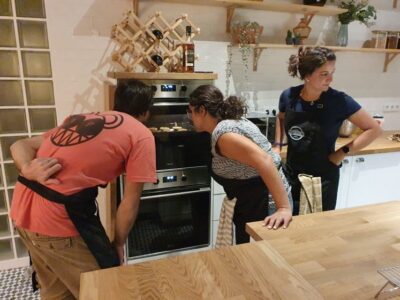
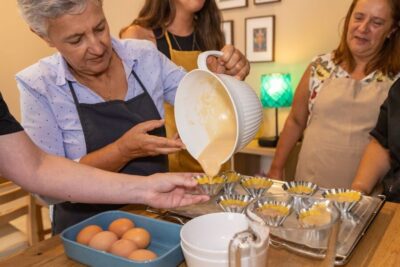
Pastel de Nata Cooking Class with Grandma’s Recipe
Read our review →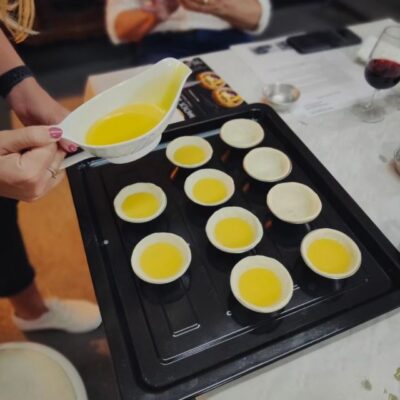
Pastel de Nata Cooking Class with Port Wine – Sé
Read our review →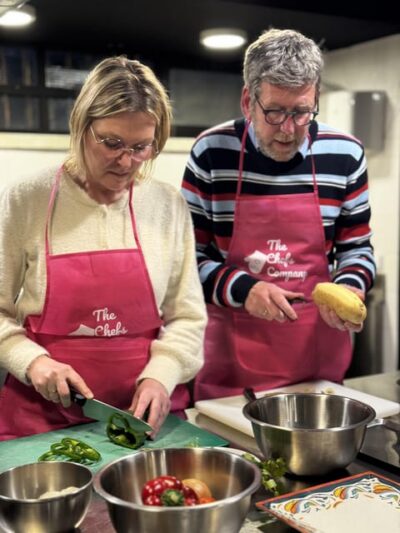

Lisbon Portuguese Cooking Class with 3-Course Dinner
Read our review →
Pastel de Nata Cooking Class with Porto Wine (Sé do Porto)
Read our review →Browse the lists this tour appears in