
Reviewed · COOKING CLASSES
Lisbon: Pasteis de Nata Baking Class
Lisbon’s most famous pastry is much more fun when you make it yourself. In this two-hour class, chef Miguel guides you through the flaky pastry, creamy custard, shaping, and baking, then serves the finished pastéis de nata with a drink.
I like the small maximum of eight, which gives you room to ask questions and work with personal guidance. I also like the practical format: you make the tarts from scratch, eat some fresh, and can take the rest with you. The main consideration is that the class does not claim to use the original bakery recipe, so serious pastry experts may want a more technical course.
Key points at a glance
- Make the pastry and custard from scratch, rather than simply decorating prepared tarts.
- Learn with chef Miguel, whose relaxed, patient teaching style suits beginners and experienced bakers.
- Work in a group of up to eight, with some sessions operating in pairs.
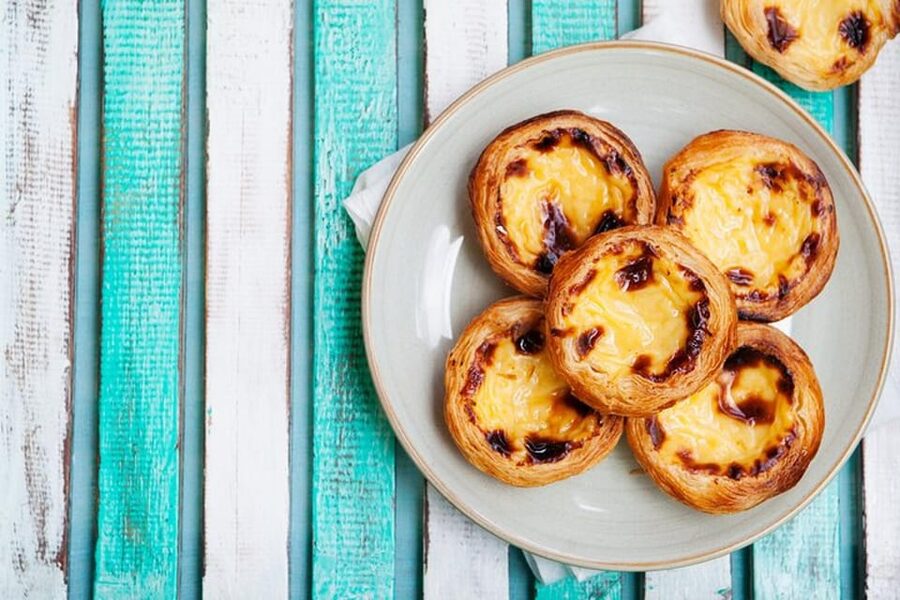
- Taste your own warm pastéis de nata with coffee, tea, water, and one alcoholic drink.
- Take leftover tarts home, with some participants making about five each or ten per pair.
- Fit it neatly into a sightseeing day, thanks to the two-hour length and morning or afternoon start times.
A Lisbon pastry class with real hands-on work
This is not a quick demonstration followed by a pastry handed to you. You take part in the whole process. That matters because pastéis de nata look simple on a plate, yet the crisp shell and soft custard depend on several small steps.
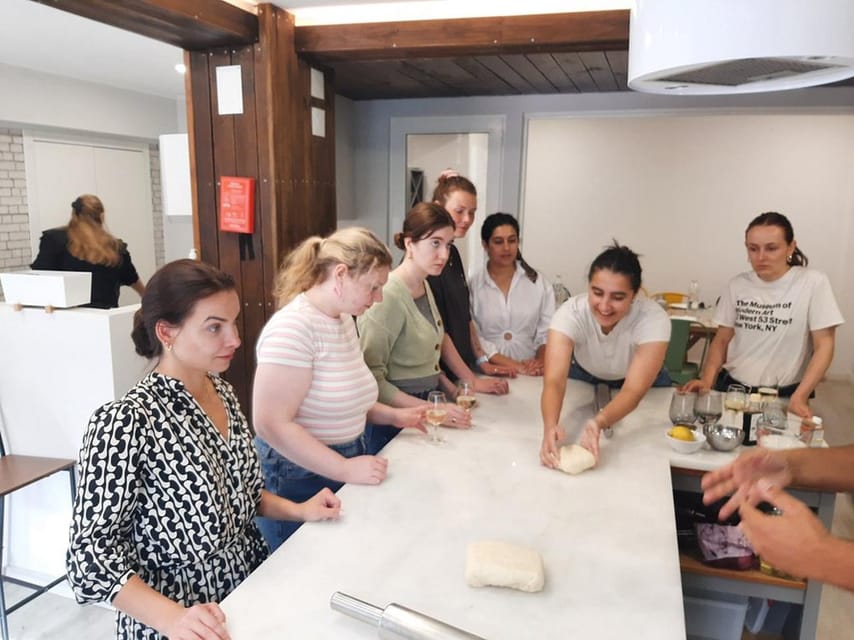
You will work on the pastry, prepare the filling, shape the shells, and watch the tarts go into the oven. The format is active without demanding professional baking skills. Several people with little or no baking experience found the instructions easy to follow, while more confident cooks appreciated learning why each stage matters.
Chef Miguel leads the session in English and Portuguese. His approach is informal and friendly, with enough explanation to make the class useful without turning it into a lecture. You can expect him to guide you step by step, answer questions, and keep the pace moving.
The wording around the recipe is worth noting. The studio does not have the original recipe from the pastry’s birthplace, but it uses the chef’s own trusted method. That makes this a lesson in making a tasty Portuguese custard tart, not a claim that you will reproduce a famous bakery’s exact formula.
More Cooking Classes in Lisbon
- Lisbon: Pastel de Nata Baking Class
★ 4.9 · 2,106 reviews - Lisbon: Traditional Portuguese Cooking Class
★ 4.9 · 592 reviews - Lisbon: 2-Hour Pastel de Nata Cooking Class
★ 4.8 · 461 reviews
Entering the private courtyard kitchen
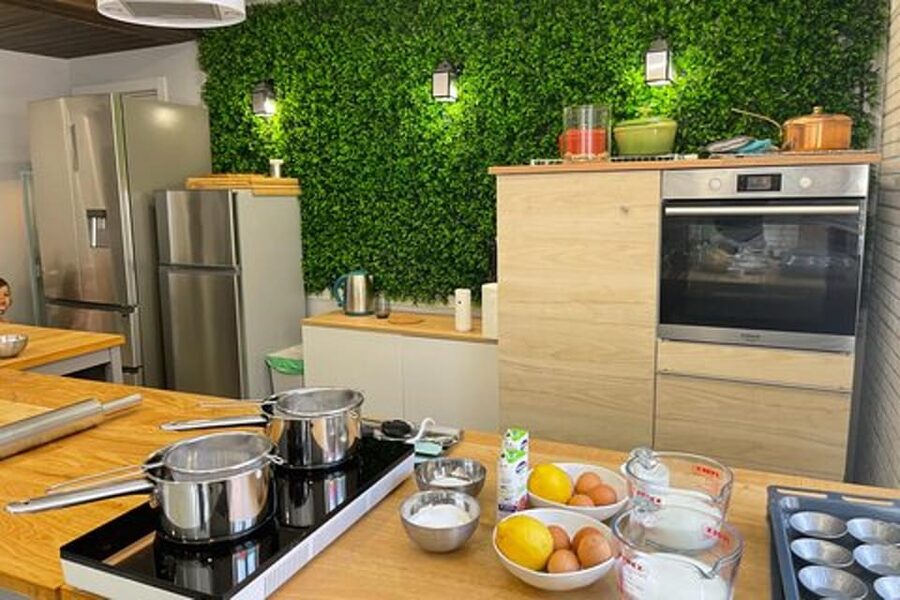
The studio is inside a private yard, with the meeting point at the green gate. That detail is important in Lisbon, where a small entrance can be easy to miss among ordinary streets and buildings. Give yourself a little extra time to find the gate, especially if you are arriving for the first session of the day.
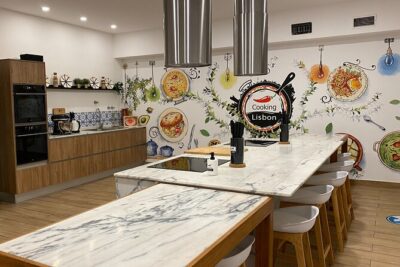
The kitchen itself has been described as clean, comfortable, and well prepared. Ingredients and equipment are ready when the class begins, so you spend your two hours baking rather than waiting for setup.
The setting is not presented as a grand cooking school or a polished restaurant kitchen. Its appeal is more personal. You are working in a compact studio with a chef who can keep an eye on the group and offer help when a pastry shell needs attention.
The private courtyard also adds a quieter feel than you may expect in central Lisbon. One useful point from the practical side: the studio is accessible from the centre by bus or rideshare service. Hotel pickup and drop-off are not included, so you need to make your own way there and back.
The first stage: building the flaky shells
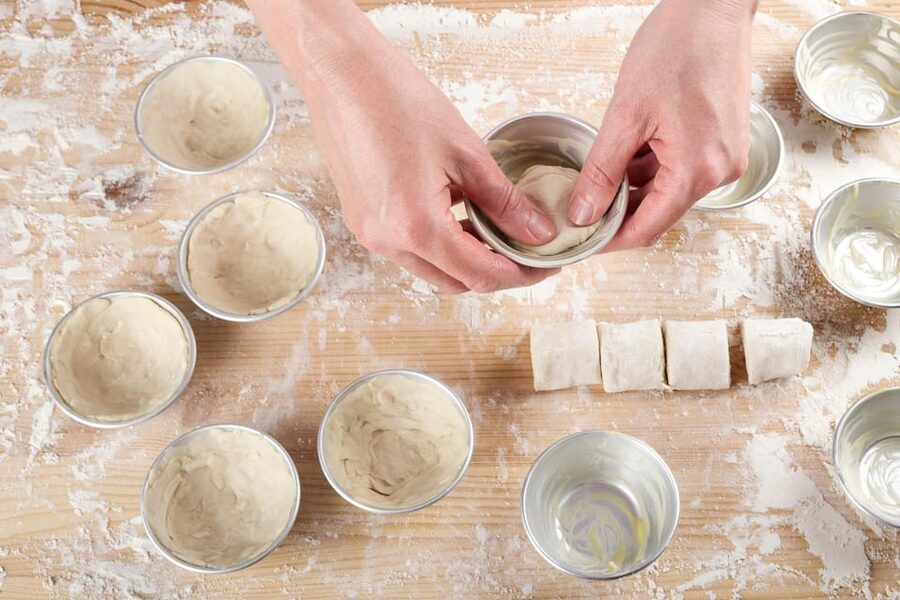
Pastéis de nata depend on their pastry as much as their filling. The shell needs to be thin and crisp, with enough structure to hold the custard without becoming heavy.
You will make the pastry yourself instead of starting with ready-made dough. That gives the lesson its main cooking value. Chef Miguel shows the group how to handle the dough and shape it into the small tart cases. The work is hands-on, but the instruction is paced so beginners can keep up.
This is also the part where a small class helps. With no more than eight people, the chef can correct a technique or explain a detail without leaving the rest of the group behind. Some sessions have participants cooking in pairs, which can make the work easier for couples, friends, or family members booking together.
You should not expect to leave with professional pastry-chef skills after two hours. You will, however, understand why the shell is shaped carefully and how the pastry affects the finished texture. That is a useful lesson when you try the recipe at home.
Preparing the custard filling
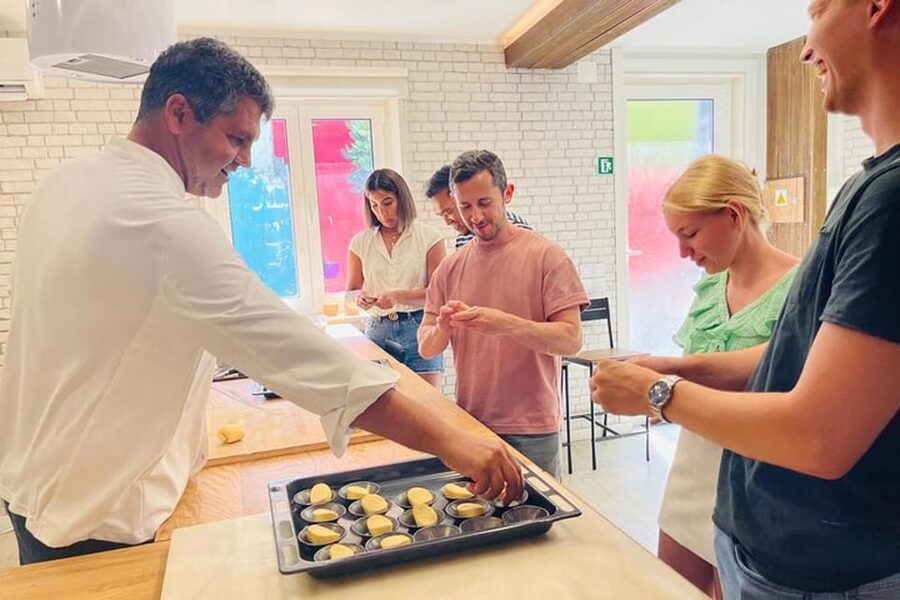
The custard is the other half of the equation. It needs to be smooth enough to pour, firm enough to set, and balanced against the crisp pastry.
The class includes the filling as part of the from-scratch process. Miguel explains the steps and the reasoning behind his method, including the details that help produce the familiar creamy centre. The instruction is practical rather than overly formal, which makes it easy to ask questions as you go.
You may find this part especially helpful if you have eaten pastéis de nata all over Lisbon and want to understand the differences between them. The pastry and filling can change the experience more than you might expect. Making your own gives you a clearer sense of how the two parts work together.
The emphasis is on a reliable and tasty result. It is not a competition, and there is no pressure to produce identical tarts. That relaxed mood suits people who want a cultural activity rather than a demanding baking exam.
More Food Tours in Lisbon
- Lisbon Small-Group Food Tour with 18 Tastings in Alfama District
★ 5.0 · 1,967 reviews - Lisbon: Baixa District Food Tour with Dinner and Drinks
★ 4.9 · 1,870 reviews - Devour Lisbon: The Ultimate Portuguese Food Tour
★ 5.0 · 1,782 reviews - Lisbon Food Tour with 10+ Tastings of Local Delicacies & Wines
★ 5.0 · 1,339 reviews
Shaping, baking, and the best moment of the class
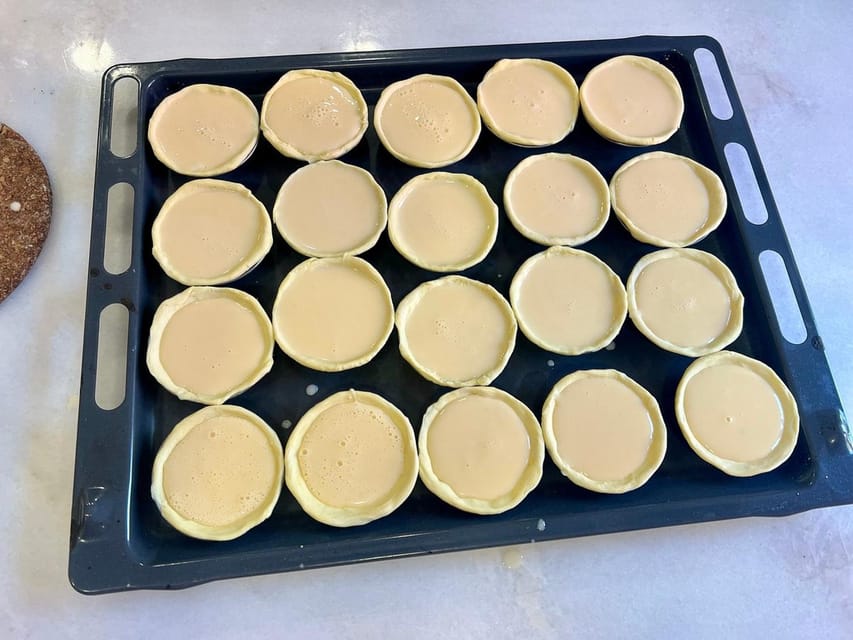
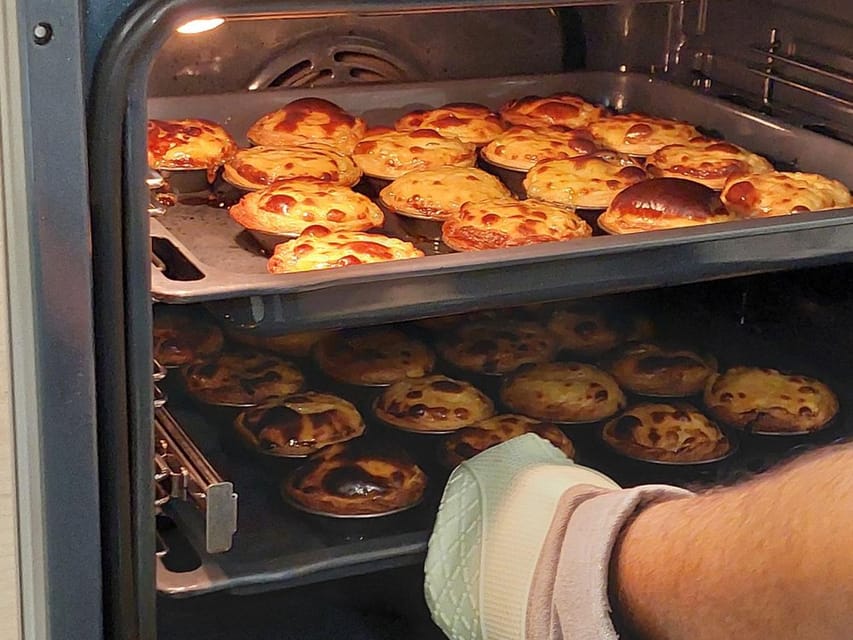
Once the shells and custard are ready, the tarts go into the oven. This is the point when the class shifts from work to anticipation.
While the pastéis bake, you get time to enjoy a drink and hear about the pastry’s place in Portuguese food culture. Coffee and tea are included, as is bottled water and one alcoholic beverage. The drink service gives you a chance to sit, talk, and compare notes with the rest of the group while the oven does its work.
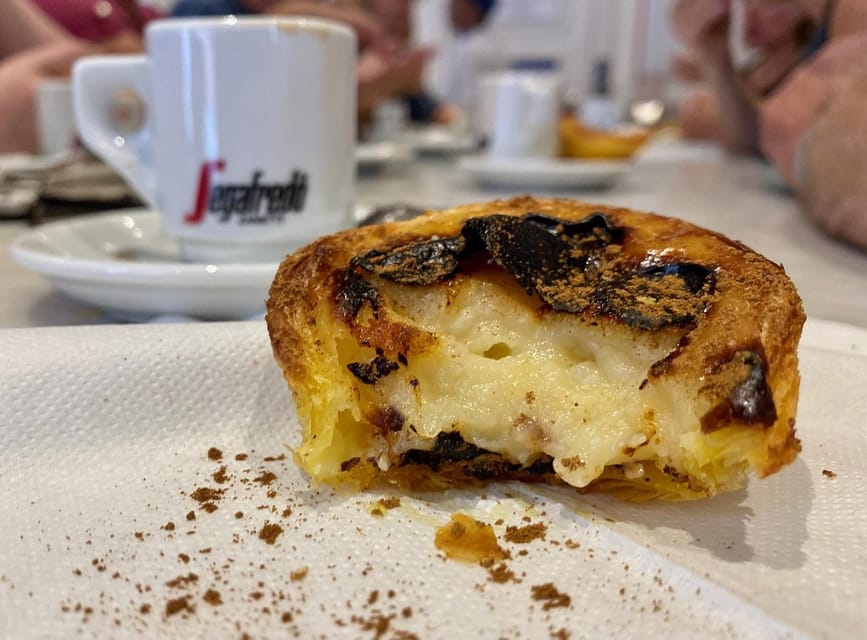
Then comes the payoff: tasting the tarts you made. Several people found their own batch among the best pastéis they ate during their Lisbon visit. That may be partly the pleasure of eating something fresh and partly the satisfaction of having made it yourself, but the warm result is clearly central to the experience.
The class also provides a useful amount to take away. Depending on how the session is organized, you might make around five tarts per person or ten per pair. Leftovers can be boxed up for later, which is handy if you are not ready for another pastry immediately after the tasting.
Why the two-hour format works well
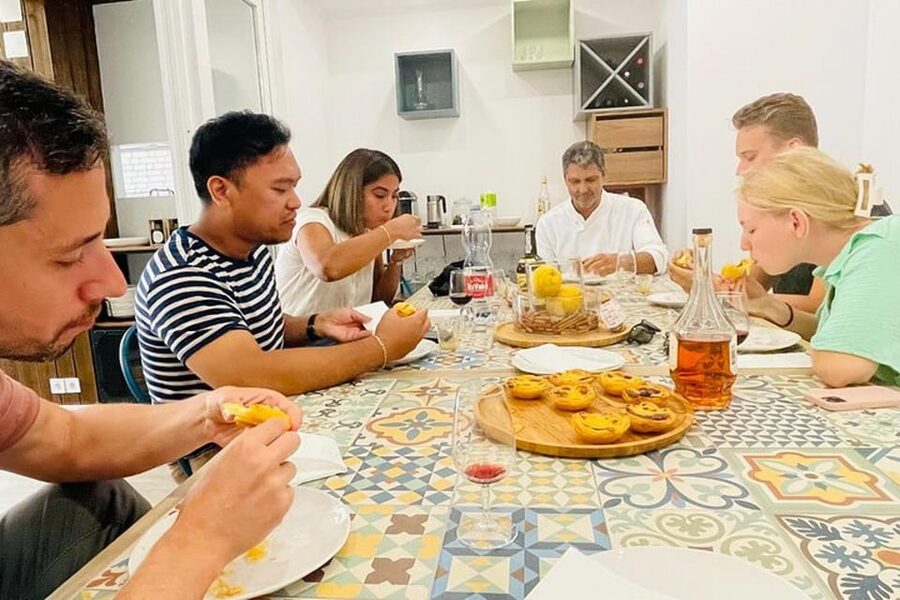
Two hours is short enough to fit into a busy Lisbon schedule. A morning class leaves most of the day for sightseeing, while an afternoon class can break up a long day of museums, viewpoints, and walking.
I like this length because it keeps the activity focused. You learn one specialty, make it from start to finish, taste the result, and leave. You are not committing half a day to a broad cooking course with several dishes.
The short duration also makes the class easier to add to an itinerary with nearby plans. Just allow time for transport and for finding the green gate. Since start times vary, you need to check the available morning or afternoon slot when booking.
There is one tradeoff. If you want a full Portuguese cooking lesson covering several dishes, this class will feel narrow. It is specifically about pastéis de nata. That focus is a strength if the custard tart is the food you most want to understand, but a limitation if you are looking for a wider menu.
What makes the small group worth paying for
At $76 per person, this is not the cheapest way to eat a pastel de nata in Lisbon. You can buy the pastry itself for far less at bakeries and cafés.
The value comes from the combination of instruction, ingredients, drinks, your own baking, and the social setting. You are paying to learn a method, use the kitchen, receive help from Miguel, eat your own batch, and take some home. For a visitor who values activities over another café stop, that is a fairer comparison than the price of a single tart.
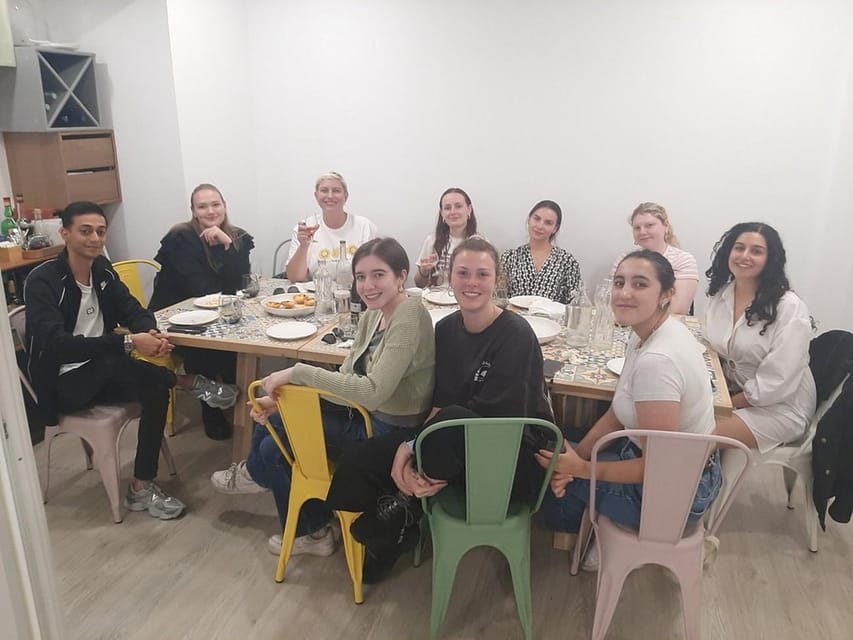
The eight-person limit is especially important here. Pastry work involves small physical details, and a large demonstration class would give you less time with the dough. A smaller group also works well for solo participants, who can join a shared table without needing to organize a private booking.
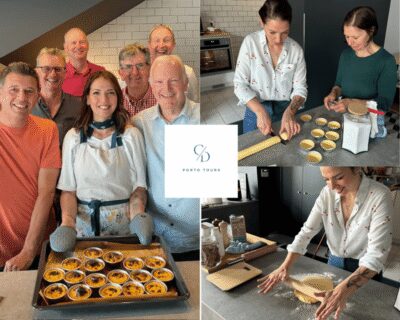
Private sessions may be possible depending on availability. One pair had a private class, while a full group of eight used the activity as a team event. You should not assume a private session is included at the standard price, but the group size allows several kinds of bookings.
Who will enjoy this most
I would choose this class for:
- Couples looking for a relaxed activity they can do together.
- Solo visitors who want a social experience with a clear structure.
- Families with older children who enjoy hands-on food activities.
- Beginner bakers who want patient guidance.
- Experienced home cooks curious about a Portuguese specialty.
- Food-focused visitors who have already eaten several pastéis and want to learn the method.
- Small work or friend groups seeking a two-hour team activity.
You do not need to arrive with baking experience. The class is designed around instruction and participation, not prior skill.
It may be less suitable if you want a formal pastry qualification, a broad Portuguese menu, or a class built around advanced technique. It is also not the right choice if you prefer to spend your Lisbon time only visiting major sights. This experience takes two hours plus transport, and its reward is the making as much as the eating.
A comfortable choice for solo visitors and couples
The tone of the class is one of its strongest features. Miguel is described as patient, kind, encouraging, and entertaining. Those qualities matter in a small kitchen, where a hurried instructor could make beginners feel awkward.
You can ask questions as you work. The class is structured, but not stiff. That makes it a good option if you want a local food experience without the formality of a high-end culinary school.
Couples can share the work and taste the results together. Solo participants can still fit in easily because the group is small and the baking gives everyone something to do. A group of six also works comfortably, leaving enough room for conversation without making the session feel crowded.
The social side is natural rather than forced. While the tarts bake, you have a chance to talk with the other participants and hear about their time in Lisbon. If you are travelling alone, that pause can be a pleasant change from eating every meal on your own.
Accessibility, language, and practical planning
The activity is wheelchair accessible. Instruction is offered in English and Portuguese, so English-speaking visitors can follow the class without needing a translator.
Hotel pickup and drop-off are not included. You will need to reach the private courtyard independently and look for the green gate. The studio can be reached from central Lisbon by public bus or rideshare service, according to the practical directions available for the class.
Bring an appetite, but do not plan on this being a full meal. You receive the tarts you make, drinks, and water. The main food is the pastry itself.
Cancellation is flexible up to 24 hours before the start time for a full refund. You can also reserve now and pay later, which helps if you are still arranging your Lisbon schedule.
My recommendation for booking
Book this class if you want to do more than photograph a pastel de nata. The hands-on work, small group, warm tarts, and take-home leftovers make it a useful two-hour addition to a Lisbon visit.
The best reason to choose it is the combination of personal instruction from Miguel and a manageable group size. You get a cultural food lesson without giving up an entire day.
Skip it if your priority is the lowest possible food cost or a longer course with several Portuguese dishes. At $76, the price reflects an activity rather than a simple snack. For food lovers, couples, solo visitors, and curious beginners, I think the experience earns that difference.
FAQ
How long does the pastéis de nata class last?
The class lasts two hours. Morning and afternoon start times are available, depending on the schedule.
How much does the class cost?
The listed price is $76 per person.
What will I make during the class?
You will make pastéis de nata from scratch, including the pastry and custard filling.
Who teaches the class?
Chef Miguel leads the class. Instruction is available in English and Portuguese.
How many people can join?
The class is limited to a maximum of eight participants.
Are drinks included?
Yes. Coffee, tea, bottled water, and one alcoholic beverage are included.
Can I take pastries home?
Yes. You receive your own pastéis de nata, and leftover tarts can be taken away. The number may vary by session, with some participants making about five each or ten per pair.
Is the class wheelchair accessible?
Yes, the activity is listed as wheelchair accessible.
Is hotel transportation included?
No. Hotel pickup and drop-off are not included. The meeting point is at the green gate of the private courtyard containing the kitchen studio.
More Workshops in Lisbon
- Pastel de Nata Pastry Class: Bake and Enjoy Your Own Treats
★ 5.0 · 485 reviews - Lisbon Portuguese Cooking Class with 3-Course Dinner
★ 5.0 · 445 reviews - Lisbon: Azulejos’ Design Create Your Own Tile Workshop
★ 4.9 · 420 reviews - Lisbon: Surfing Lesson on Costa de Caparica Beach
★ 5.0 · 322 reviews
New around Lisbon
- Arrábida, Setúbal, Sesimbra, Olive with wine tasting★ 5.0 · 75 reviews
- Lisbon: Sunset Sailing Boat Cruise with Wine★ 5.0 · 75 reviews
- Lisbon Half Day Private Tour★ 5.0 · 75 reviews
- Private Half Day Tour to Fatima from Lisbon★ 5.0 · 75 reviews
- Fátima, Nazaré and Óbidos Private Tour from Lisbon★ 5.0 · 76 reviews
- Central Lisbon 3-Hour Guided E-Bike Tour★ 4.8 · 76 reviews
- Lisbon Historic City Tour by Tuk-Tuk★ 5.0 · 76 reviews
- Sintra World Heritage and Cascais Village Private Deluxe Tour★ 5.0 · 76 reviews
Cooking Classes, compared.
Pastel de Nata Cooking Class with Grandma’s Recipe
Read our review →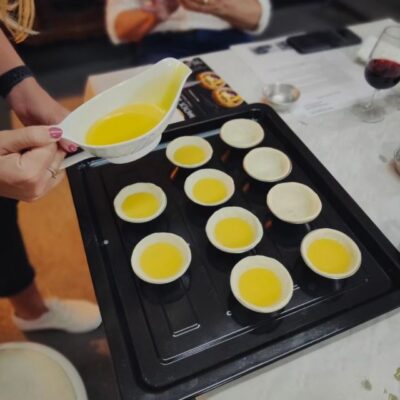
Pastel de Nata Cooking Class with Port Wine – Sé
Read our review →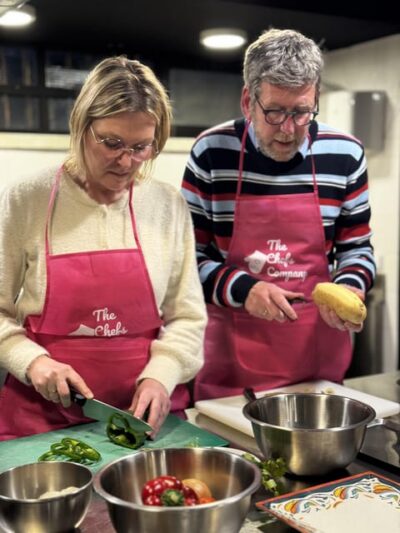
Lisbon Portuguese Cooking Class with 3-Course Dinner
Read our review →
Pastel de Nata Cooking Class with Porto Wine (Sé do Porto)
Read our review →Browse the lists this tour appears in