
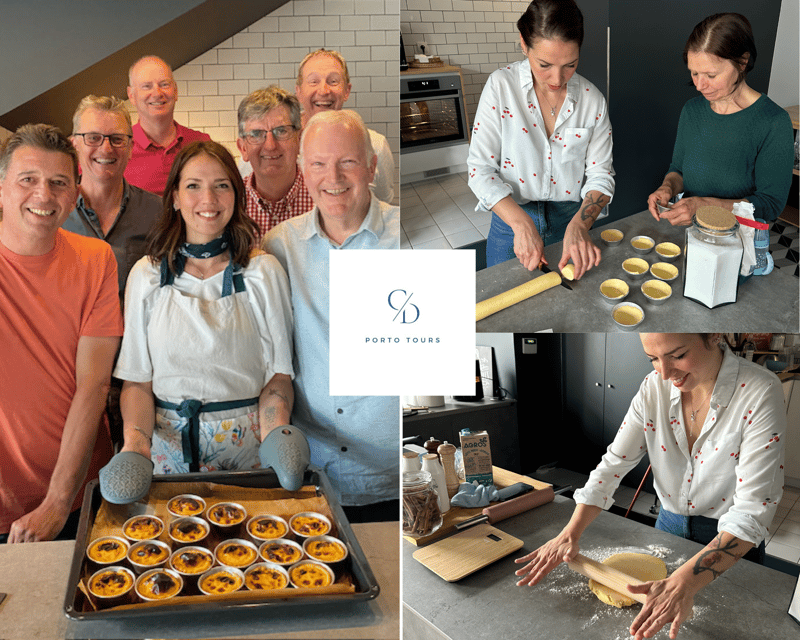
Reviewed · COOKING CLASSES
Porto: Pastel de Nata Cooking Class from Scratch
Making pastel de nata from a ready-made pastry sheet is easy. Making the dough yourself is the useful part of this Porto cooking class. Over 2.5 hours, you work through the pastry, custard, shaping, and baking, then eat the results warm from the oven.
I like the relaxed group setup and the way the instructors, including Ana, Clara, Mariah, Vanessa, and Maria, keep the room social without making beginners feel clumsy. I also like that you receive the method digitally, so the class can continue in your kitchen at home. The main drawback is that you share the work, so you may not personally handle every stage for long.
- You make the pastry dough from scratch, not just the custard filling.
- The group can include up to 12 adults, with participants taking turns at each stage.
- English-speaking instructors explain techniques, pastry history, and Portuguese food culture.
- A regional wine is included, along with the warm pastel de nata you make.
- A modern show kitchen and shared table create an easy setting for meeting people.
- Children under 15 cannot join the group class, and late entry is not allowed.
Why Making the Dough Matters in Porto
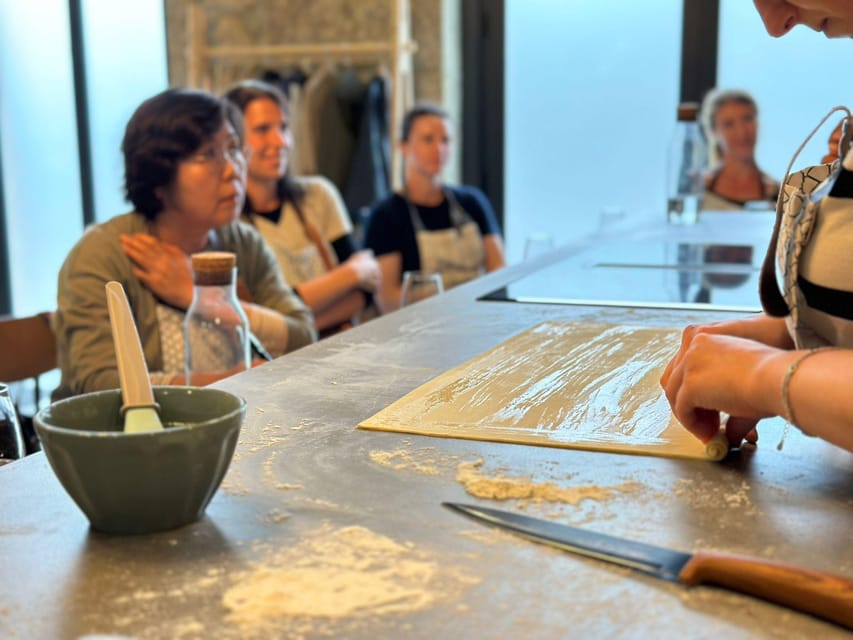
Pastel de nata is often eaten in two bites: crisp pastry, soft custard, a little cinnamon, gone. This class slows the process down enough for you to understand what gives the tart its character.
The key attraction is that you make the pastry dough, rather than starting with purchased puff pastry. That extra step takes more care, but it gives you a better chance of recreating the dessert at home. You learn how the dough is handled, shaped, and prepared for the filling.
The filling matters, too. The instructor takes you through the custard and explains the balance that makes a good pastel de nata feel light rather than heavy. You also hear about Portuguese pastry traditions and the place these small tarts hold in local food culture.
I would not book this class simply to eat a pastry. Porto has plenty of bakeries where you can do that quickly and cheaply. Book it if you want to understand the work behind the pastry and enjoy a social kitchen session along the way.
The 2.5-Hour Class, Step by Step
The workshop begins at its scheduled time. This is not a casual drop-in activity. The door closes when the class starts, and late entry is not permitted, with no exceptions.
That strict start is worth taking seriously. The dough work is shared across the group, and the schedule depends on each stage happening in order. Arrive early enough to find the meeting point and settle in before the class begins. The exact meeting point can vary depending on the option you book, so check your confirmation carefully.
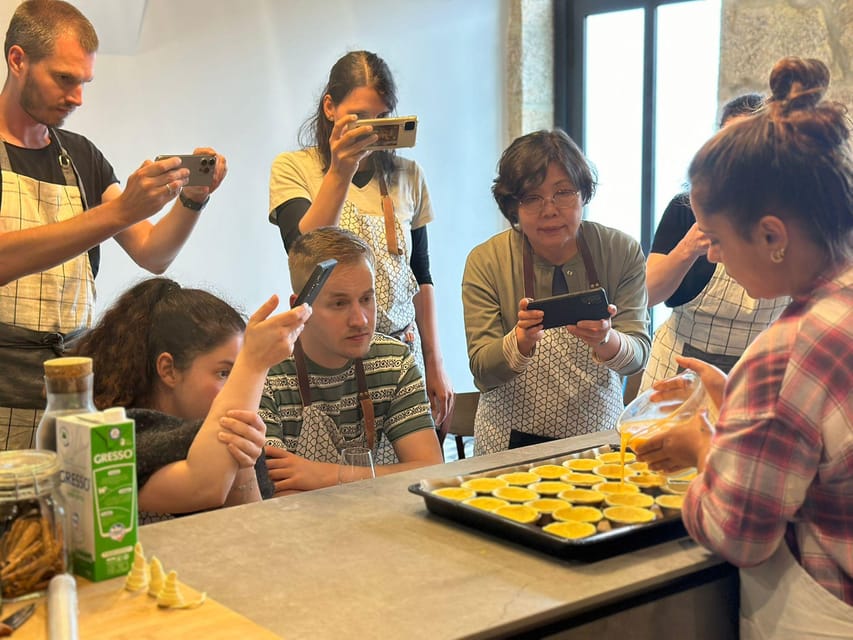
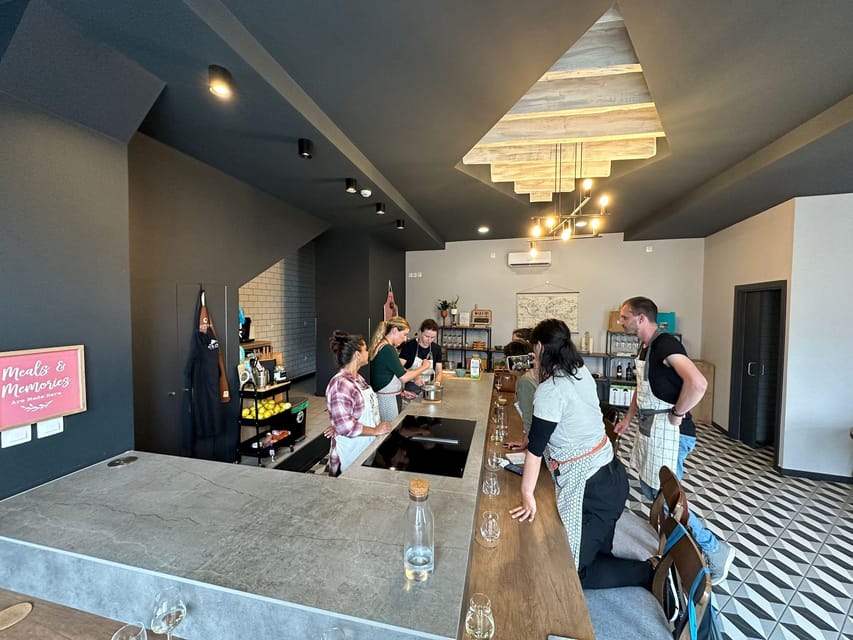
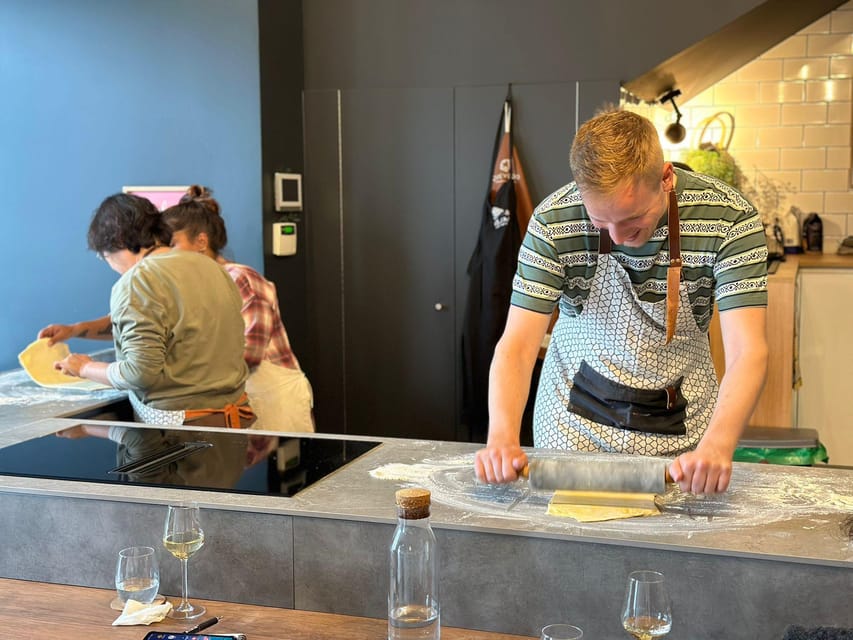
Once inside, you sit around a large shared table in a modern show kitchen. The format is social and practical. Instead of watching a demonstration for two hours, one or two participants, or sometimes a small team of two to four people, step forward for each task while the rest of the group follows along.
This setup has a clear advantage: beginners do not have to produce a perfect batch alone. The instructor can demonstrate, correct a technique, and keep the pace moving. The tradeoff is that you may not get equal hands-on time with every single stage. If you want a private, individual cooking lesson, this group workshop may feel less tailored.
More Cooking Classes in Porto
- Porto: Pastel de Nata Cooking Class with Port Wine – Sé
★ 4.8 · 888 reviews - Porto: Pastel de Nata Cooking Class with Porto Wine (Sé do Porto)
★ 5.0 · 340 reviews - Porto Local Market Visit & Cooking Class / Showcooking
★ 5.0 · 206 reviews
Dough, Custard, and Shaping the Tarts
The pastry is the heart of the class. You work with the dough from the beginning and learn the handling that creates the thin, layered shell. That is the part many short pastry classes skip, and it is the strongest reason to choose this one over a simple tasting activity.
Expect the instructor to break the process into manageable steps. You do not need to be an experienced baker. The class is designed as a shared activity, and the steps are explained plainly enough for people who do not usually bake.
The shaping stage gives you a better sense of why pastel de nata has its familiar form. The pastry must sit neatly in the small molds, with enough structure for the custard but enough delicacy to crisp properly. This is a technique you can reuse at home, even if your first batch is not bakery-perfect.
Next comes the custard. The class covers both the dough and the filling, so you leave with a full recipe rather than half the story. You can ask questions as the group works, and the instructor adds practical tips that are hard to pick up from a printed recipe alone.
A digital recipe is provided through a QR code after the class. That is a small but important benefit. You can concentrate on the cooking instead of trying to write down every measurement while your hands are busy.
Warm Pastéis, Wine, and Portuguese Food Stories
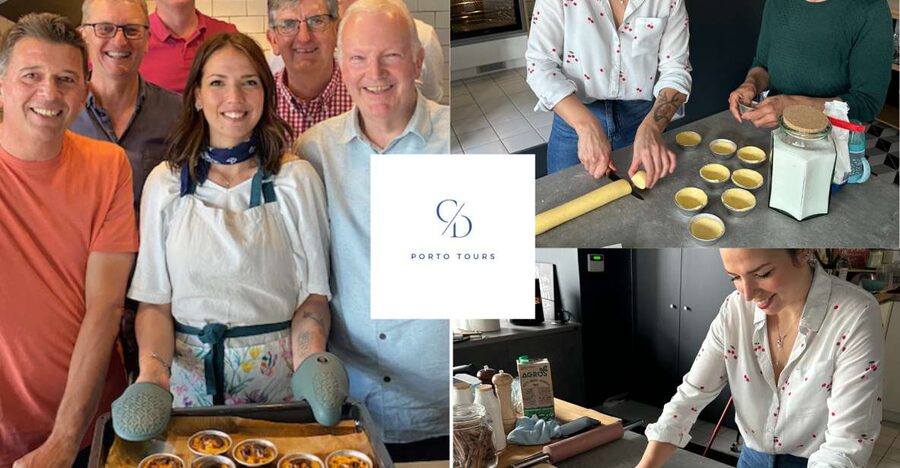
When the tarts come out of the oven, you eat them warm. This is the payoff, but it is not the only one. Fresh pastry has a crispness and warmth that a tart sitting in a bakery case cannot quite match.
The activity includes pastries and a glass of regional wine. Some sessions have offered extra wine, coffee, or iced tea, but the confirmed inclusion is one glass, so I would treat anything beyond that as a possible extra rather than a promise.
The food conversation gives the class more shape than a standard baking lesson. While the pastries cook, the instructor shares Portuguese culture and pastry stories. The tone is light, with plenty of room for humor and conversation.
That social element is particularly useful if you are traveling alone or want an easy way to meet people without committing to a full dinner. The table may bring together people from several countries, and the cooking gives everyone a natural subject to talk about.
The wine is also part of the rhythm of the class. It turns the session into a small cultural outing rather than a strict technical lesson. If you do not drink, the pastry work remains the main event, but the included beverage is worth noting when you compare the price with other cooking activities.
How Much Hands-On Work Will You Get?
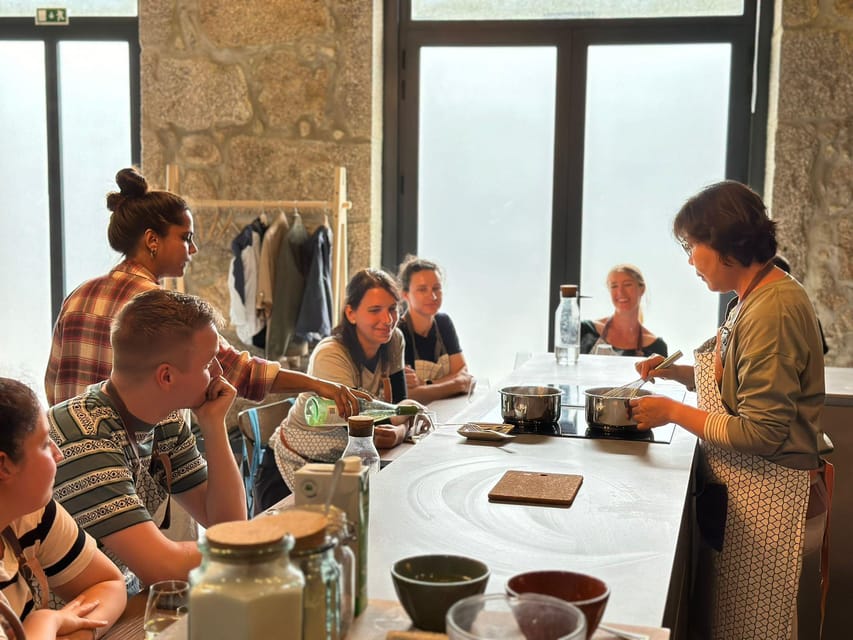
This is a group class of up to 12 adults. The instructor divides the work so that participants take turns. You may help with one part while watching another, then step in again later.
I like this approach for a holiday activity because it keeps the pressure low. If the dough is your weak point, you are not left alone with it. If you are an enthusiastic baker, though, you may want more time with the tools and ingredients than the group format allows.
The most useful strategy is to take part whenever your turn comes and ask to repeat a technique if you are unsure. The instructors are described as patient and encouraging, and the class is structured to include everyone.
The teaching style varies by instructor, but the names associated with the workshops include Ana, Clara, Mariah, Vanessa, Maria, Anna, Claudia, and Klara. The consistent strengths are clear explanations, humor, and an effort to draw quieter people into the process.
One small criticism is worth keeping in mind: because the class works on a shared batch, not every person does every step in equal measure. You will learn the full sequence, but your physical practice may be limited at certain moments.
More Food Tours in Porto
- Porto: Pastel de Nata Pastry-Making Workshop
★ 4.9 · 1,542 reviews - Porto: 3-Hour Food Tour
★ 4.9 · 807 reviews - Workshops Pasteis de Nata in Porto, Portugal
★ 4.9 · 520 reviews - Pastel de Nata | Workshop from scratch | Porto’s city center
★ 5.0 · 449 reviews
The Instructors Make the Difference
The pastry recipe is important, but the instructor controls the mood and pace. Ana is praised for making the class fun while explaining each step. Clara is known for patience, clear instruction, and a welcoming manner. Mariah brings a lively style and works hard to help the group relax.
Vanessa and Maria are also among the instructors connected with the experience. Their sessions are described as friendly, humorous, and inclusive, with time for conversation as well as baking.
That range of names tells you that this is not a single chef-led demonstration with one fixed personality. Your instructor may differ depending on the date and option booked. I would book for the format and content first, then consider the individual host a pleasant part of the experience rather than something you can always select.
The strongest teaching detail is the use of simple stages. The class makes a technical pastry feel approachable. You are not expected to arrive with professional skills, and the instructors keep the room moving while still making space for questions.
Is $50 a Fair Price?
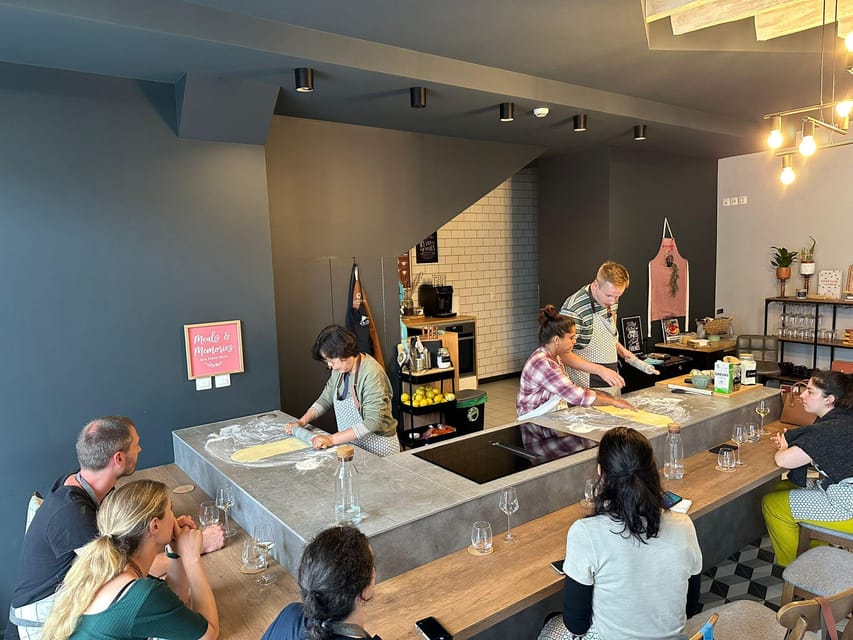
At $50 per person, this is not the cheapest way to eat pastel de nata in Porto. You can buy the finished pastry for a small amount at a bakery.
The comparison is not really pastry against pastry. The fee covers 2.5 hours of instruction, the ingredients, the kitchen space, the finished food, an instructor, and a glass of wine. You also take away a recipe and the practical knowledge needed to attempt the pastry at home.
For me, the value is strongest if you enjoy food experiences and want more than a quick tasting. The class adds a break from sightseeing, gives you a warm meal-sized snack, and offers a cultural conversation in English.
It is less good value if you only want to sample Porto’s signature tart or if you dislike shared activities. You may also find it hard to justify the price if you will not bake at home and prefer to spend your time in museums, markets, or restaurants.
The portions can be generous. Depending on the session, you may eat several pastel de nata and have one or two to take away. The confirmed details promise pastries, but the exact number can vary with the group and the batch.
Who Should Book This Class?
I would recommend this experience to:
- First-time visitors who want a food activity tied closely to Portugal.
- Solo visitors who enjoy meeting people around a shared table.
- Couples looking for a relaxed alternative to another walking tour.
- Beginner bakers who want clear guidance.
- Experienced home cooks who want to learn the pastry technique.
- Anyone planning a rainy-day activity in Porto.
The class is less suitable for children, since participants must be at least 15 for the group workshop. Families with younger children need to request a private workshop instead.
You should also skip it if you have gluten intolerance or lactose intolerance. The activity uses pastry and dairy ingredients, and no suitable alternative is specified.
Alcohol is included, so participants must be at least 18 to consume it in Portugal. Minors cannot attend without an adult, and intoxicated participants are not allowed. Pets, indoor smoking, and unaccompanied minors are also not permitted.
Practical Details Before You Go
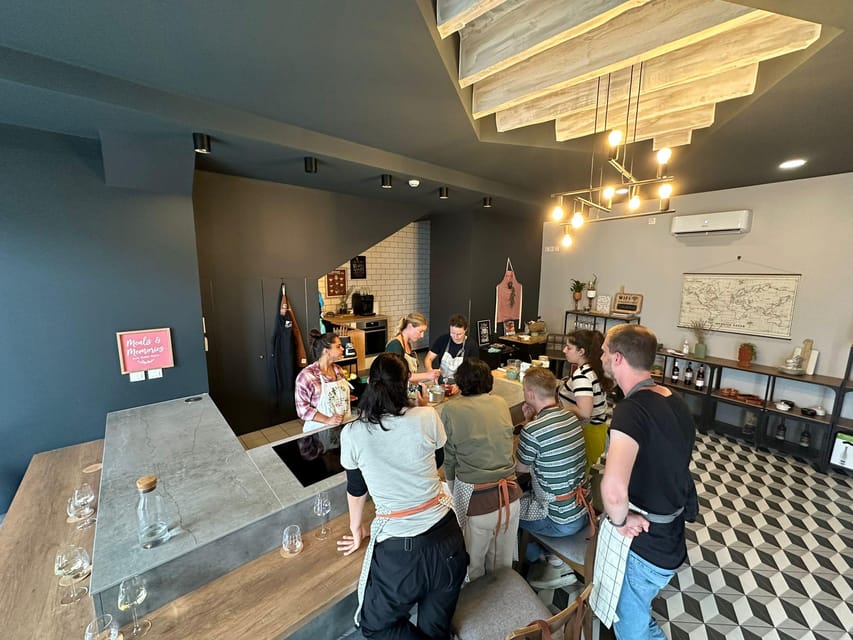
Plan around the full 2.5 hours. This is long enough to feel like a real activity, but short enough to fit into a morning or afternoon in Porto.
Do not schedule something immediately afterward if you need to cross the city. The class starts on time, and the late-entry rule is unusually firm. Since the meeting point may vary by booking option, confirm the address before leaving your accommodation.
Only people with reservations can enter. Companions who are not booked cannot wait inside, regardless of age. That matters if someone in your party plans to watch without baking.
The working language is English. Small-group availability is offered, but the standard group can reach 12 participants. Ask about the group size when comparing options, especially if personal hands-on time is your priority.
Free cancellation is available up to 24 hours before the activity for a full refund. You can also reserve now and pay later, which helps if you are still arranging your Porto schedule.
How This Fits Into a Porto Visit
Pastel de nata is connected with Portugal as a whole, not just Porto. That makes this class a good complement to a city visit focused on churches, tiled streets, bridges, and port wine.
The experience also gives you a reason to pause. Porto sightseeing involves hills, stone streets, and plenty of walking. A seated kitchen class offers a change of pace without feeling passive.
I especially like it for a last day in the city. You learn a recipe you can repeat after returning home, and the class provides a final food memory that is more personal than buying one more pastry from a counter.
A morning session can work as an unusual breakfast activity, since wine may be served alongside the baking. An afternoon or evening class may feel more natural if you prefer to pair the pastry with a later drink. Starting times depend on availability.
Should You Book the Pastel de Nata Class?
Book it if you want to make the pastry from the dough up, enjoy a friendly group, and leave Porto with a recipe you can try at home. The best features are the full pastry lesson, warm results, clear English instruction, and relaxed conversation over wine.
Think twice if you need a private lesson, want every participant to make a complete batch alone, or are mainly looking for a cheap snack. The shared format means your hands-on time is divided, and the $50 price reflects the class experience rather than the food alone.
For most food-minded visitors, I would call this a worthwhile Porto activity. It is practical, sociable, and focused on a real Portuguese specialty. Just arrive early, check the meeting point, and do not expect the door to open after the scheduled start.
FAQ
How long does the pastel de nata class last?
The class lasts 2.5 hours.
How much does the experience cost?
The listed price is $50 per person.
Is the class taught in English?
Yes. The live tour guide and instruction are in English.
Do I make the pastry dough from scratch?
Yes. The class includes making the pastel de nata dough as well as the filling.
Is wine included?
Yes. A glass of regional wine is included.
Can children join the group workshop?
Children under 15 cannot join the group workshop. Families with younger children need to request a private workshop.
Can I join if I arrive late?
No. Entry is not allowed once the class has started, and the door will be closed at the scheduled time.
Is hotel pickup and drop-off included?
No. Hotel pickup and drop-off are not included.
Can I cancel for a refund?
Yes. You can cancel up to 24 hours in advance for a full refund.
More Workshops in Porto
- Matosinhos: Surfing Lesson with Equipment
★ 4.8 · 704 reviews - Porto: Small Group Surf Lesson with Transportation
★ 4.9 · 594 reviews - Porto: Tile-Painting Workshop with Porto Wine – Bainharia
★ 4.9 · 526 reviews - Port Wine class with 3 or 5 Port tasting and pairings
★ 4.9 · 441 reviews
New around Porto
- Porto: City Bike Rental★ 4.6 · 75 reviews
- Fado Concert with Welcome Drink★ 5.0 · 75 reviews
- Boat Trip to Régua Through the Douro Valley with Breakfast and Lunch★ 4.5 · 76 reviews
- Porto City Tour Half Day – Private★ 5.0 · 77 reviews
- Port : Private Cruise in the Douro — 6 Bridges & Sunsets★ 5.0 · 78 reviews
- Porto Private Airport Departure Transfer★ 4.5 · 78 reviews
- Douro Valley Small-Group Tour: 2 Wineries, Lunch, Optional Cruise★ 5.0 · 78 reviews
- Half-Day Walking Tour Tasting Local Food in Porto★ 5.0 · 78 reviews
Cooking Classes, compared.
Pastel de Nata Cooking Class with Grandma’s Recipe
Read our review →
Pastel de Nata Cooking Class with Port Wine – Sé
Read our review →
Lisbon Portuguese Cooking Class with 3-Course Dinner
Read our review →
Pastel de Nata Cooking Class with Porto Wine (Sé do Porto)
Read our review →
Traditional Portuguese Cooking Class in Lisbon
Read our review →Browse the lists this tour appears in