
Reviewed · WINE TASTINGS & DOURO VALLEY TOURS
Port Wine class with 3 or 5 Port tasting and pairings
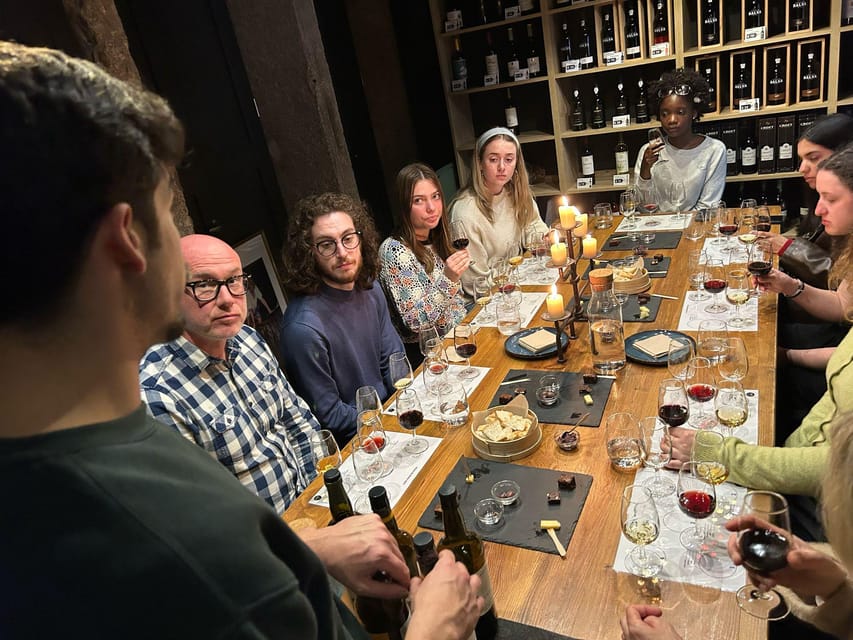
Port wine makes far more sense once you taste its styles side by side. This small-group class in central Porto gives you that useful introduction without sending you across the river to a traditional cellar. The setting is a room inside a shop, directly opposite the Palácio da Bolsa, so you can fit it neatly between sightseeing stops.
I like the clear comparison between white, tawny, ruby, and LBV port. I also like the relaxed human touch: hosts such as Rui, Ruan, and João explain the wines with humor, answer questions, and sometimes finish with music. The main consideration is that this is not a cellar visit, and the three-port option may leave serious beginners wishing they had booked five.
Key points at a glance
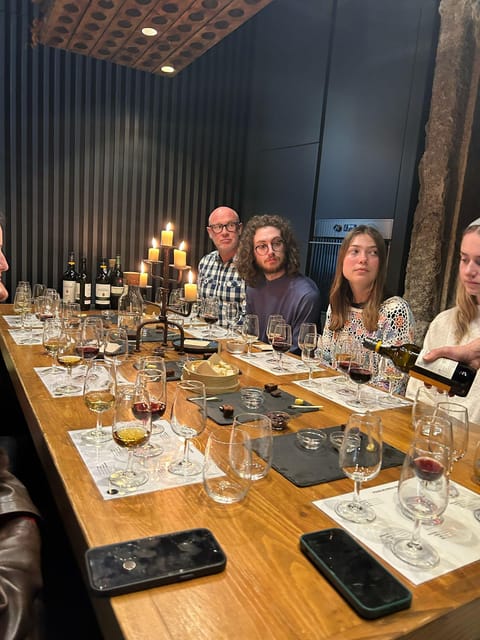
- Five distinct styles in the longer option: Taste two white ports, tawny, Ruby Reserve, and LBV port.
- Across from the Palácio da Bolsa: The central meeting point makes this easy to add to a day in Porto.
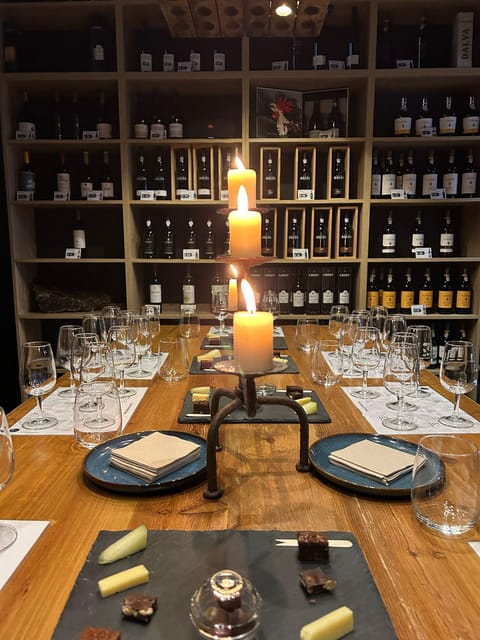
- Food is part of the lesson: Olives, fruit, chocolate, cheese, and brownie show how different ports work with food.
- Groups stay small: A maximum of 10 people allows plenty of room for questions and conversation.
- Three or five tastings: The shorter choice takes about 45 minutes, while five ports usually takes about 75 minutes.
- English-language hosting: Rui, Ruan, João, and other hosts have been praised for clear explanations, warmth, and wit.
Why this port class works so well in Porto
Port is one of Porto’s defining drinks, yet it is easy to approach it the wrong way. A visitor may taste one sweet ruby port after dinner and assume all port tastes the same. This class fixes that quickly by putting several styles in front of you.
The lesson begins with the story of port: how it was created, why the wine was developed, and how its production changed over time. That background matters because port is not simply a sweet red wine. It has different colors, ages, textures, and serving roles.
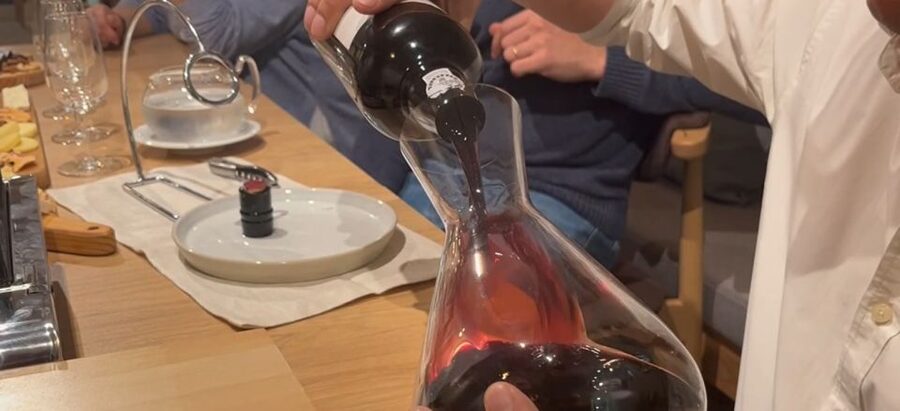
I like that the class focuses on comparison rather than a single brand. You can notice how a white port differs from a tawny, then see how a ruby reserve and Late Bottled Vintage port move the experience in another direction. You do not need prior wine knowledge. The explanations are aimed at beginners, but there is enough detail for anyone who wants to understand what they are ordering later.
The guide also connects port with Porto and Vila Nova de Gaia, the neighboring city across the Douro where many famous port houses are based. That makes this a useful first stop before visiting cellars, and an efficient substitute if your schedule does not allow a longer cellar tour.
More wine tastings around Porto:
- From Porto: Douro Valley w/ Boat Tour, Wine Tasting & Lunch
★ 4.7 · 19,061 reviews - Complete Douro Valley Wine Tour with Lunch, Wine Tastings and River Cruise
★ 5.0 · 12,920 reviews - Porto: Live Fado Show with Glass of Port Wine
★ 4.8 · 6,498 reviews
Finding the room opposite Palácio da Bolsa
The meeting point is the provider’s shop in front of the Palácio da Bolsa, one of Porto’s most recognizable buildings. This is an excellent location for a short tasting because it sits in the historic center, close to major sights and walking routes.
There is one practical detail to take seriously: check in at the tourist office. The tasting room is in the same building, but it is not necessarily presented like a separate wine bar or cellar entrance. One person specifically found the storefront harder to identify because they were looking for a wine shop.
I would arrive a few minutes early and look for the tourist office rather than searching only for a port cellar. The class takes place indoors in a back room, not in a historic underground lodge. That means you give up cellar atmosphere, but you gain a clean, comfortable base in the heart of Porto.
The room has also been described as air-conditioned, which can be a welcome break on a sunny afternoon. Seating may be on benches around a shared table rather than individual padded chairs, so comfort is practical rather than luxurious.
The first lesson: how port came to be
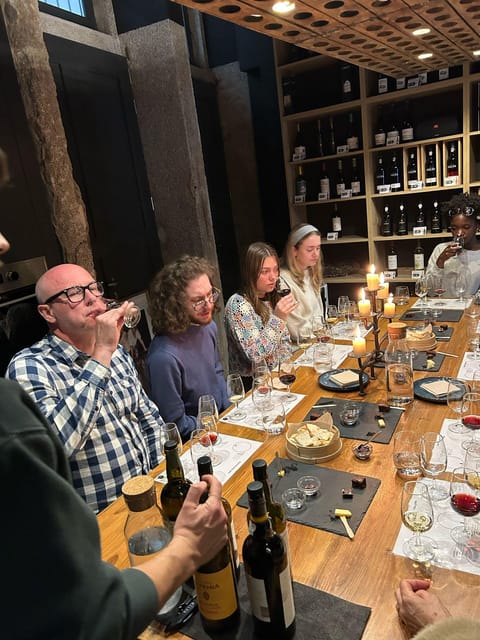
The host starts with the origins and development of port wine. You learn how it was invented, why it became important, and how the drink reached its modern form.
This opening is more useful than a list of dates. It gives you a framework for the tasting that follows. Once you know that port styles differ in color, aging, and production, each glass has a place in the story.
The guide-led format is a real strength. Rui has been described as both entertaining and precise, while Ruan is known for mixing solid wine instruction with jokes and lively conversation. João has also led sessions, with a clear and friendly approach. Host assignments can change, but the style is consistent: English explanations, an informal tone, and room for questions.
You should feel free to ask about sweetness, aging, food matches, or how to order port in Portugal. The class is designed to be conversational, not a lecture where you simply sit quietly and wait for the next pour.
Three ports or five: choosing the right option
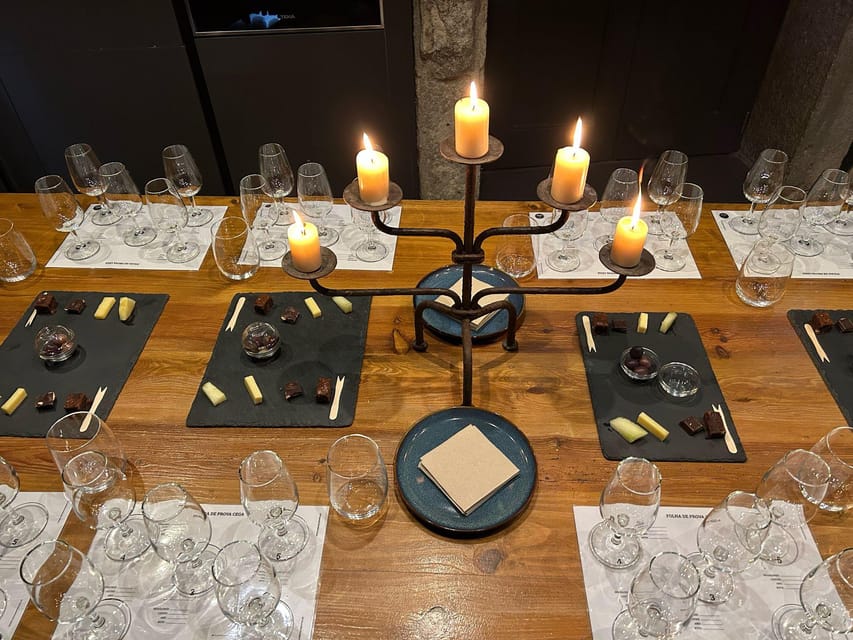
The three-port option lasts about 45 minutes. It suits you if you want a compact introduction before dinner, or if you have only a narrow gap between visits to Porto’s churches, markets, and historic buildings.
The five-port option takes about 75 minutes, sometimes closer to 90 minutes when the group has plenty of questions. I think it offers better value for anyone who is genuinely curious about port. Three glasses can show contrast, but five give you a fuller map of the category.
The longer tasting includes:
- Two white ports
- One tawny port
- One Ruby Reserve port
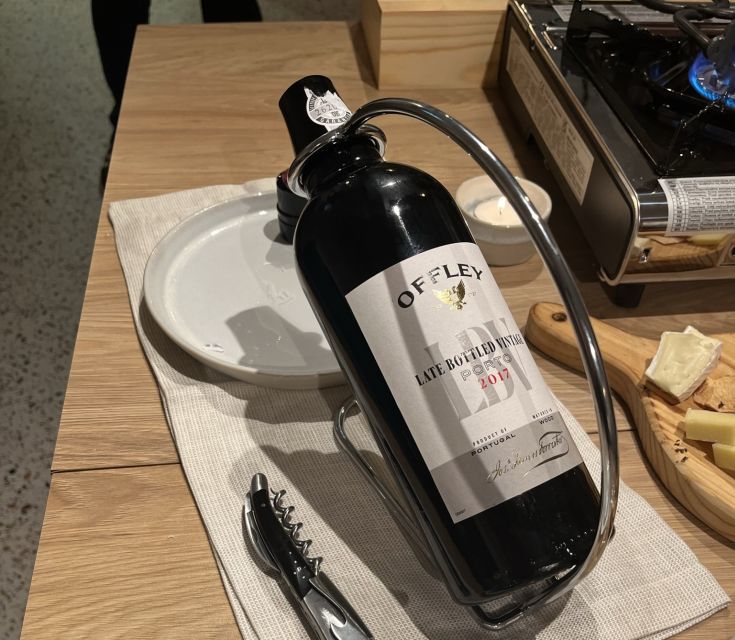
- One LBV, or Late Bottled Vintage, port
This sequence gives you a useful spread. The two white ports let you compare styles within the same broad category. Tawny brings a different character, while Ruby Reserve offers a fuller, fruit-driven red style. LBV adds another important reference point for understanding vintage-dated port that has been aged longer before release.
The exact brands are not specified, so you should book this for the range of styles and teaching rather than a guaranteed lineup of famous labels. That is also part of the appeal. You are learning how to recognize categories, not simply ticking off brand names.
If you already enjoy port, choose five. Several people who selected three later wished they had allowed time for the longer tasting. If you rarely drink fortified wine or have a busy afternoon, three is a sensible starting point.
A few other Porto half-days worth a look
- Porto: Cálem Cellar Tour, Interactive Museum & Wine Tasting
★ 4.5 · 4,113 reviews - Douro Valley Small-Group Tour with Wine Tasting, Lunch and Boat
★ 5.0 · 3,642 reviews - Porto: Cálem Cellar Tour, Fado Show & Wine Tasting
★ 4.4 · 3,530 reviews - Porto: Taylor’s Port Cellars & Tasting
★ 4.6 · 3,374 reviews
Portuguese pairings that explain the wine
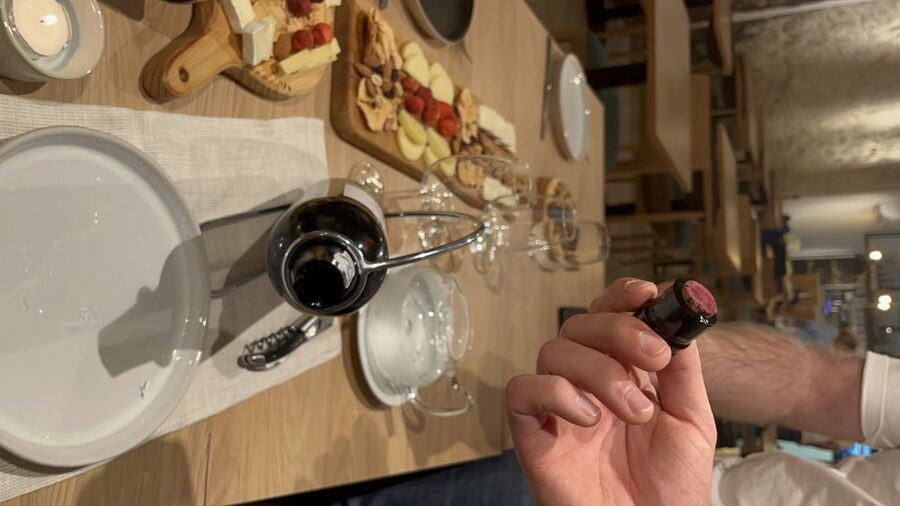
Each pour comes with food, and this is not just decoration on the table. The pairings include olives, fruit, chocolate, cheese, and brownie.
That range helps you see how port changes with food. Fruit can reinforce the wine’s sweetness without making the combination heavy. Chocolate and brownie make sense with fuller, sweeter styles, while cheese offers a salty contrast. Olives bring a sharper, savory note that keeps the tasting from becoming one long sugar rush.
Port is often treated as an after-dinner drink, but the food pairings show why it can work in several parts of a meal. You may also find that a port you did not enjoy by itself becomes much more appealing with the right bite.
The portions have been described as generous, and the food as well presented. Still, this is a tasting, not a full meal. The snacks add substance and context, but you should not book it as a substitute for lunch or dinner.
The social side of a maximum-10 group
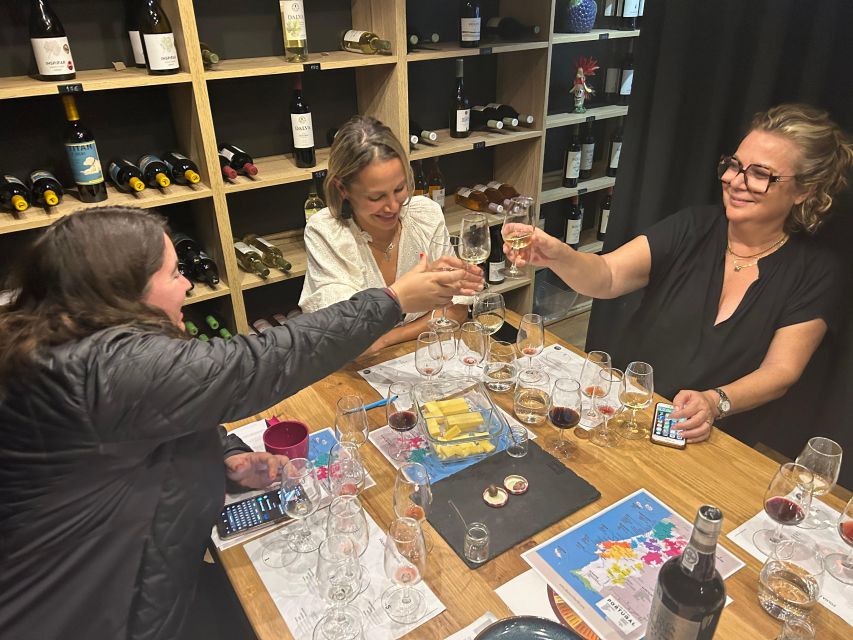
A group limit of 10 is just right for this kind of class. It is small enough for direct questions, yet large enough to create a friendly table atmosphere.
Solo visitors should feel comfortable booking. The setup encourages conversation, and the hosts make an effort to involve the whole group. At some sessions, people have continued talking over drinks afterward, which tells you something about the tone: this is social without being a forced team activity.
The group can also be very mixed, with people from several countries sharing one table. That adds a pleasant travel element, especially if you are visiting Porto alone or want an easy way to meet other people without joining a large tour.
There is a possible tradeoff. A shared table and active host mean the experience depends partly on the energy of the group. A quiet group may produce a calmer class, while a talkative one can stretch the session beyond the stated time. Since the host welcomes questions, the pace is not rigid.
More than a standard tasting
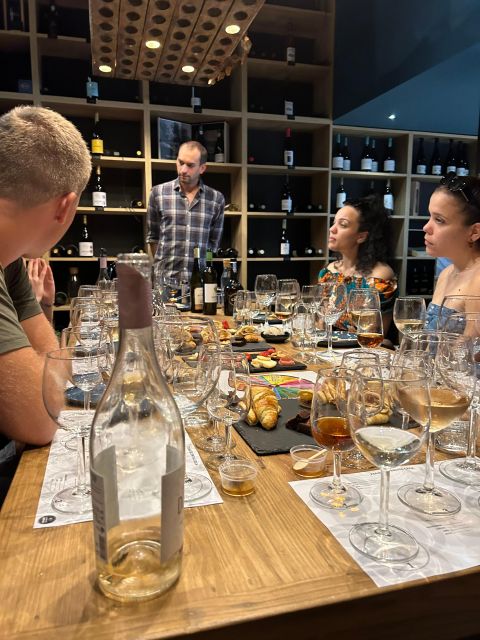
The wine lesson is the main event, but some sessions include an unexpected artistic finish. Rui has played guitar and sung flamenco and fado, and one tasting ended with music that participants found especially memorable. Another account refers to a surprise ending, but the details are best left undisclosed.
This extra touch is not something to treat as a guaranteed part of every booking. It depends on the host and the day. Still, it gives the experience a distinct local flavor that a simple counter tasting would not provide.
The hosts are a major part of the value. Rui has been praised for balancing humor with clear explanations. Ruan has been called entertaining, patient, and full of unusual talents. João has received similar praise for his friendly, professional presentation. The individual names matter because the class is personal, not an automated tasting with a script and a printed sheet.
What $23 buys you
At about $23 per person, this is a strong-value activity for central Porto. You get an English-language introduction, three or five pours, several food pairings, and a small-group format. The price is especially reasonable if you choose five ports, since the longer option gives you a broader lesson and more time with the host.
The value is not based on rare or luxury bottles. The brands are not specified, and the class is held in a shop room rather than a famous cellar. You are paying for the range of styles, the explanations, the pairings, and the convenience of the location.
Compare that with buying several different ports on your own. You would still need to know what to choose, how to compare them, and what food to serve. Here, the host gives you a guided tasting in under 90 minutes, which can save both money and guesswork.
The tasting also helps you decide if a formal port cellar tour is worth adding to your itinerary. If you are short on time, this class covers the basics efficiently. If port becomes a major interest, you will leave with better questions to ask on a later visit to the Douro Valley or a Gaia lodge.
Who should book this experience
I would recommend it most strongly to first-time Porto visitors, casual wine drinkers, and anyone who wants a clear introduction before ordering port in restaurants or shops.
It also suits solo visitors well. The group is limited, the host keeps people involved, and the food creates natural conversation. Couples and small groups can enjoy it too, though you should expect to share the table rather than have a private tasting.
Book the five-port version if you want to understand the main styles, enjoy asking questions, or have a real interest in Portuguese wine. Choose three if you want a quick, affordable sample and already have several other activities planned.
This may not satisfy you if your priority is architecture, barrel rooms, or a visit to the Douro vineyards. There is no transport to wine country and no cellar tour included. The setting is central and convenient, but it is a classroom-style room inside a shop.
The activity is wheelchair accessible, and the host or greeter speaks English. Starting times vary, so you need to check availability for your date. Cancellation is free up to 24 hours ahead, and the reserve-now, pay-later option can help if your Porto plans are still moving around.
Final call: choose five if port matters to you
This is a smart, compact way to get oriented to port wine without spending half a day away from Porto. I like the central location, small group, generous-feeling tasting, and food pairings. The hosts bring the session to life, with Rui, Ruan, and João each praised for warmth, humor, and clear instruction.
Choose it if you want practical wine knowledge, an easy social activity, and a taste of Porto’s culture between sightseeing stops. I would select five ports for the fuller comparison, unless your schedule is tight or you are unsure about fortified wine.
Skip it only if you specifically want a historic cellar, vineyard scenery, or a full-day wine excursion. For $23, this is a focused and enjoyable introduction, with enough personality to feel like more than a quick pour at a shop counter.
FAQ
Where does the port wine class take place?
It takes place in a shop in Porto city center, directly opposite the Palácio da Bolsa. Check in at the tourist office in the same building, since the tasting room is located there.
Is the tasting held in a port wine cellar?
No. The class takes place in an intimate room inside a shop, not in a cellar.
How many port wines can I taste?
You can choose between three or five port tastings. The five-port option includes two white ports, one tawny, one Ruby Reserve, and one LBV port.
What food is served with the port?
The tastings are paired with olives, fruit, chocolate, cheese, and brownie.
How long does the activity last?
The three-port option takes around 45 minutes. The five-port option takes about 1 hour and 15 minutes, and the session may last longer when there are many questions.
What language is the class conducted in?
The host or greeter conducts the activity in English.
How many people can join the group?
The group is limited to a maximum of 10 participants.
Is the activity wheelchair accessible?
Yes, the activity is listed as wheelchair accessible.
More Workshops in Porto
- Porto: Pastel de Nata Pastry-Making Workshop
★ 4.9 · 1,542 reviews - Porto: Pastel de Nata Cooking Class with Port Wine – Sé
★ 4.8 · 888 reviews - Matosinhos: Surfing Lesson with Equipment
★ 4.8 · 704 reviews - Porto: Small Group Surf Lesson with Transportation
★ 4.9 · 594 reviews
New around Porto
- Porto: City Bike Rental★ 4.6 · 75 reviews
- Fado Concert with Welcome Drink★ 5.0 · 75 reviews
- Boat Trip to Régua Through the Douro Valley with Breakfast and Lunch★ 4.5 · 76 reviews
- Porto City Tour Half Day – Private★ 5.0 · 77 reviews
- Port : Private Cruise in the Douro — 6 Bridges & Sunsets★ 5.0 · 78 reviews
- Porto Private Airport Departure Transfer★ 4.5 · 78 reviews
- Half-Day Walking Tour Tasting Local Food in Porto★ 5.0 · 78 reviews
- Douro Valley Small-Group Tour: 2 Wineries, Lunch, Optional Cruise★ 5.0 · 78 reviews
Wine Tastings & Douro Valley Tours, compared.
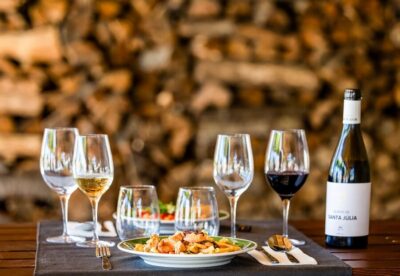
Douro Valley w/ Boat Tour, Wine Tasting & Lunch
Read our review →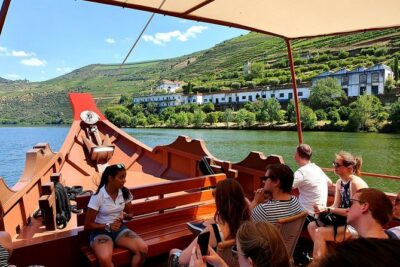
Complete Douro Valley Wine Tour with Lunch, Wine Tastings and River Cruise
Read our review →
Winner 2025 Undiscovered Lisbon Food & Wine Tour by Eating Europe
Read our review →
Wine Tour with Lunch, Tastings & River Cruise
Read our review →
Guided Tour by Tuk-Tuk & Optional Douro River Cruise
Read our review →
Historical Sites, Wine Experience, Lunch & Cruise
Read our review →Browse the lists this tour appears in