
Reviewed · COOKING CLASSES
Lisbon: Traditional Portuguese Cooking Class
Lisbon’s food culture makes the most sense when you get your hands dirty. At Homecooking Lisbon HUB, you work through a four-course Portuguese meal, learning the ingredients, techniques, and stories behind each dish before sitting down to eat it.
I like the small-group format, capped at 10, and the generous inclusion of wine, beer, juice, coffee, water, and snacks. I also like that instructors such as Pedro, Miguel, Theresa, and Beatriz make room for beginners. The main caution is that the menu is seasonal, and one dish may not suit every palate or preference. A pork-rib course, for example, was found tough by one participant.
Key points to know before booking
- Four courses, cooked by you: This is a hands-on class, not a demonstration where you simply watch a chef.
- Drinks are part of the experience: Wine, beer, homemade juice, coffee, and water are included, along with finger food and snacks.
- Chefs add cultural context: Expect explanations about Portuguese ingredients, family cooking, local customs, and the stories behind each dish.
- A social evening: You cook in pairs or as part of a shared group, then eat together around one table.
- Plan to arrive hungry: The food can be plentiful, with appetizers, four courses, and dessert. One participant even took home extra tarts.
- Check practical limits: The class is in English, lasts three hours, excludes hotel transport, and is not suitable for children under six or people with mobility impairments.
Arriving at the Homecooking Lisbon HUB
The experience begins at Homecooking Lisbon HUB in Lisbon District, rather than with hotel pickup. You’ll need to make your own way there, so allow time to locate the kitchen and arrive ready to start. One participant found a city bus that stopped right in front of the venue, though your best route will depend on where you are staying.
The location can be part of the appeal. It is described as far enough from Lisbon’s busiest center to give you a better feel for an ordinary neighborhood, while still being reachable by public transport. The exact meeting point is the Homecooking Lisbon HUB, so check the booking details carefully before leaving your hotel.
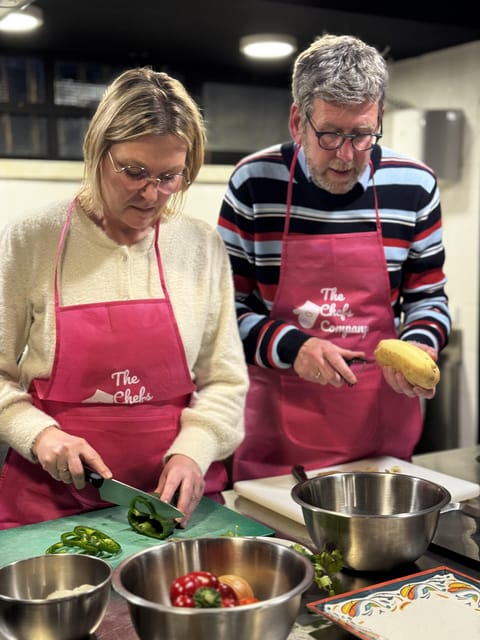
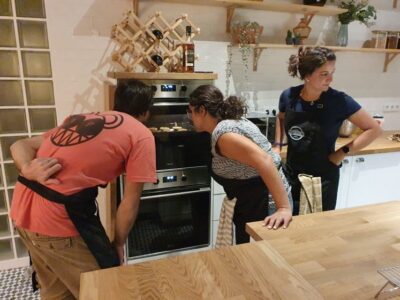
Expect a cozy, inviting kitchen rather than a formal culinary school. That matters because the mood is relaxed from the first few minutes. You are not expected to perform like a professional chef. The setup is designed to help you take part, ask questions, and work beside other people.
The class is limited to 10 participants. That is large enough for a social meal, but small enough for the chef to move around and offer help. A few sessions may feel fuller depending on the final group arrangement, so people who want a quiet private lesson should keep the shared format in mind.
More Cooking Classes in Lisbon
- Lisbon: Pastel de Nata Baking Class
★ 4.9 · 2,106 reviews - Lisbon: 2-Hour Pastel de Nata Cooking Class
★ 4.8 · 461 reviews - Lisbon Portuguese Cooking Class with 3-Course Dinner
★ 5.0 · 445 reviews
Portuguese snacks, wine, and a gentle start
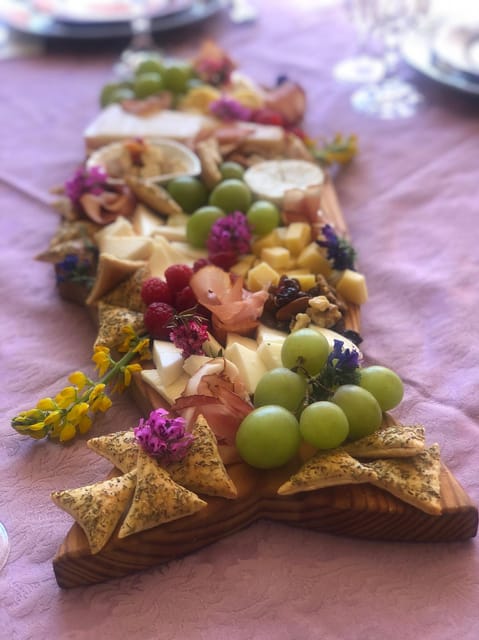
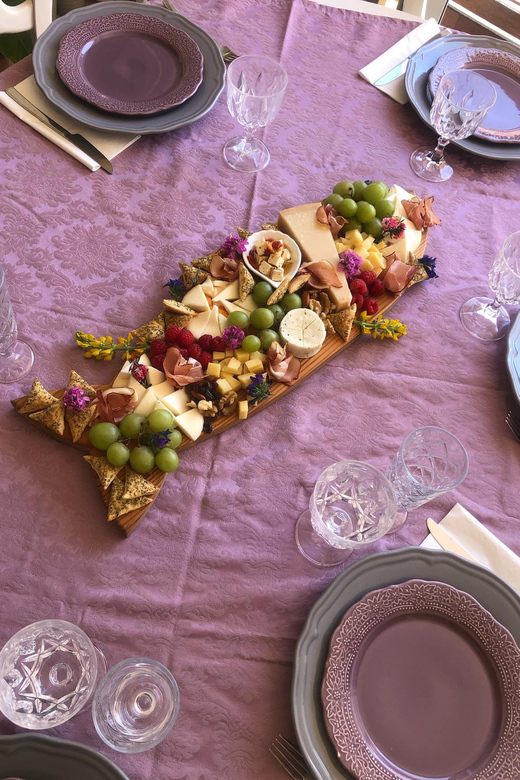
The class does not begin with a sharp turn from street clothes to chopping boards. You start with finger food, snacks, and drinks while the chef introduces the menu and gets everyone comfortable.
Wine and beer are included, as are homemade juice, coffee, and water. The drinks help turn the class into a shared Portuguese meal rather than a strict lesson. If you do not drink alcohol, you still have nonalcoholic options, and you are not paying extra for them.
The opening food also gives you a first taste of the ingredients you will use later. In some sessions, the chef has prepared appetizers in front of the group, including a chorizo grill that one participant found especially interesting. Some classes have also included small tastings of ginja, port wine, and sweet almond liqueur at the end.
The exact menu and drink extras can vary. The core inclusion is clear: all drinks listed in the experience details are covered, as well as snacks and finger food. If you are counting on a particular liqueur or appetizer, ask when booking rather than treating it as guaranteed.
This opening portion has practical value. It gives the chef time to explain the evening, lets you meet the people sharing your table, and takes the pressure off the first cooking task. You can settle into the kitchen before the work begins.
Learning the stories behind four seasonal dishes
The chef explains each course before you prepare it. You learn about the ingredients, the spices, the cooking approach, and the place each dish holds in Portuguese food culture.
That cultural layer is one of the strongest reasons to book this class. Portuguese cuisine is easy to reduce to cod, grilled fish, custard tarts, and wine. A guided kitchen session shows how those foods fit into home cooking and family tradition. Several instructors have connected recipes with personal memories, Lisbon’s past, or cooking lessons learned from their mothers.
The menu is seasonal, so you should not book expecting a fixed list of dishes unless the current menu has been confirmed. The advantage is that seasonal cooking can feel more local and sensible. The tradeoff is that you cannot always choose the exact ingredients or courses in advance.
You may encounter recipes that are familiar in name but new in method. The instructors focus on traditional techniques and explain why a dish is prepared in a certain way. That makes the class useful even if you already cook regularly. You are not only copying steps. You are learning how Portuguese cooks approach seasoning, texture, preparation, and serving.
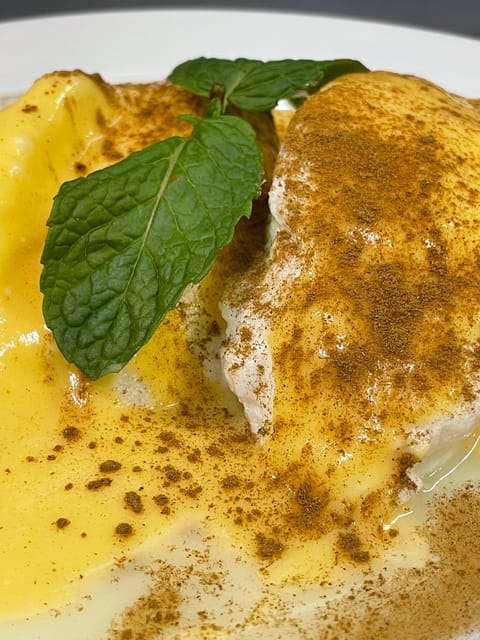
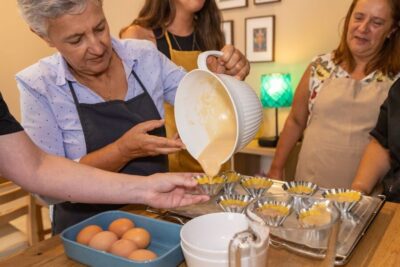
The dessert may include pastel de nata, one of Portugal’s most famous foods. Several participants especially enjoyed preparing and eating the traditional dessert. The class can also introduce you to home-style dishes that are less familiar than the pastry found in Lisbon bakeries.
Hands-on work at the cutting board
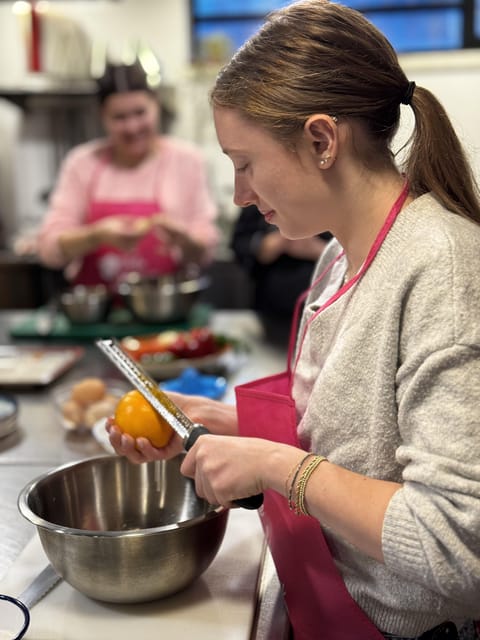
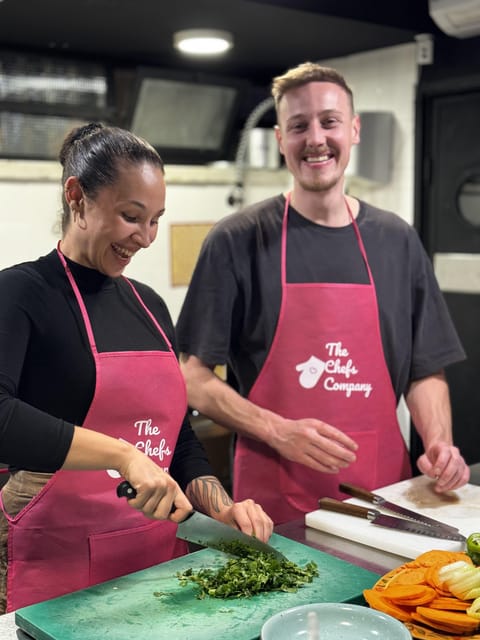
Once the explanations are finished, you move into the practical part. You help prepare each course in a step-by-step format, with the chef and assistants checking in as you work.
This is a cooperative cooking class. You may work in pairs or share tasks across the group, rather than making a complete four-course meal alone from start to finish. That arrangement keeps the three-hour schedule manageable and encourages conversation, but it also means you may not personally handle every stage of every dish.
I would tell a beginner not to worry about slowing the group down. The instructors are used to mixed ability levels and are there to guide you through each task. The strongest praise has gone to chefs who explain clearly, offer help without taking over, and make everyone feel included.
People who cook often can still get something from the class. The recipes and ingredients may be familiar in broad terms, but the Portuguese approach, tools, and timing can give you new ideas. One participant enjoyed comparing Portuguese methods with Italian cooking, especially the equipment and ingredients used in the kitchen.
The social setup is an important part of the value. You cook beside people from different countries, share tasks, and laugh over small mistakes. It feels closer to helping with a large family meal than taking a private technical lesson.
More cooking classes around Lisbon:
- Traditional Portuguese Cooking Class in Lisbon
★ 5.0 · 287 reviews - Pasteis de Nata Baking Class from Lisbon
★ 5.0 · 248 reviews - Portuguese Cooking Class in Lisbon
★ 5.0 · 141 reviews - Portuguese Cooking Experience in Lisbon
★ 4.5 · 140 reviews
Sitting down to eat what you prepared
After the cooking is finished, the group sits down to enjoy the meal. You are eating the food you helped prepare, which gives the final courses more meaning than a standard restaurant meal.
The meal is often substantial. You begin with snacks and appetizers, then move through four prepared courses, with drinks available throughout. Several people advised arriving very hungry, and that is sensible. You might want breakfast or lunch to be lighter if this is an evening class.
The shared table is where the cultural side of the experience comes together. You can ask more questions, compare notes about the recipes, and hear recommendations for other foods or places to try in Lisbon. Instructors have also offered suggestions for using the ingredients in other dishes, which makes the recipes more useful once you return home.
Do not expect the precision of a tasting menu or the quiet pace of a formal restaurant. This is a communal meal, and the food may reflect the work of a group with different levels of skill. That is part of the charm, but it is worth knowing if you are seeking a polished chef-led dinner.
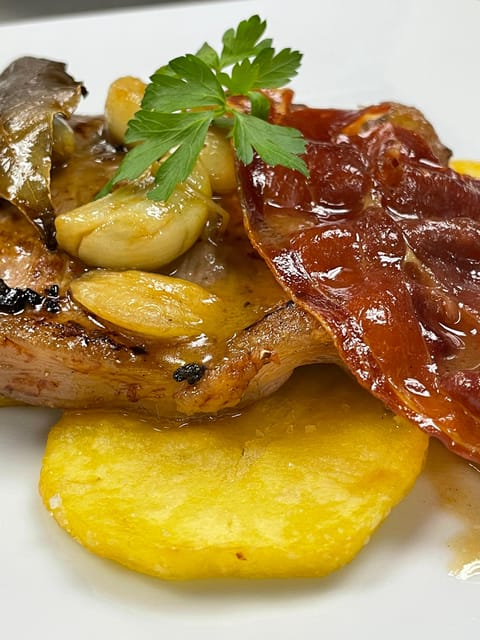
The food itself receives consistently warm praise, though no menu suits everyone. One participant found the pork ribs tough and not an appealing cut. That is a fair reminder that traditional cooking can include rustic cuts and textures that differ from restaurant standards.
The instructors make or break the class
Homecooking Lisbon uses a team of chefs and instructors, so your specific teacher can vary. Names praised in the available feedback include Pedro, Miguel, Theresa, Beatriz, Tereza, Bee, Kriszti, and Miyuki.
The common thread is an approachable teaching style. Pedro was noted for being attentive and helpful. Miguel received praise for clear explanations and steady assistance. Theresa was singled out for patience, humor, cultural knowledge, and making people feel at ease, including families.
Beatriz was appreciated for clear instruction, lively teaching, and attention to every participant. Miyuki was described as thorough, patient, and fun. These individual differences matter. You may get a storyteller, a precise instructor, or a chef who keeps the class moving with jokes and conversation.
The experience is conducted in English. That makes it accessible to English-speaking visitors, though the cultural references and food terms may still introduce a few new words. The teaching style is interactive, so it helps to ask questions when a technique or ingredient is unclear.
The chef’s role is more than showing you a recipe. A good instructor keeps the work organized, watches for safety, makes sure quieter people get a task, and adjusts support to each person’s comfort level. That is where this class earns much of its strong reputation.
What the $100 price includes
At $100 per person, the class is not a bargain lunch, but it includes much more than a meal. You receive three hours of instruction, all ingredients, all kitchen equipment, the four-course meal, snacks, and drinks.
Wine, beer, homemade juice, coffee, and water are included. You are not watching the bill grow every time someone pours another glass or brings out another snack. Insurance is also included.
Compare the price with what you would pay for a restaurant meal plus a separate food tour and cooking lesson. This experience combines all three elements in one three-hour visit. The value is strongest if you enjoy participation and conversation, not just eating.
The price is less attractive for someone who wants only a quick taste of Portuguese food. You will spend a fair amount of time chopping, preparing, waiting for dishes to cook, and sharing jobs. If you would rather use those three hours to visit several restaurants, a cooking class may not be the right choice.
There is also no hotel pickup or drop-off. Transport costs and planning are yours, though public transport may be straightforward from central Lisbon. Build that into the total cost and schedule.
Who will enjoy this Lisbon cooking class
I would recommend it most to people who want food to serve as a doorway into Portuguese culture. You get stories, recipes, local ingredients, drinks, and a shared table in one compact activity.
It suits couples, solo visitors, friends, and families with older children. Children under six are not permitted, but older children have taken part successfully when the chef made the class engaging and gave them useful tasks.
It is also a good choice for people who usually avoid cooking classes because they lack experience. The instruction is designed for beginners, and the chefs help when needed. You do not need to arrive with special skills.
Food-focused visitors will get the most from it, especially those who want recipes to take home. It also works well near the start of a Lisbon stay, since the chef may offer food suggestions and explain ingredients you will see elsewhere.
I would hesitate to recommend it to anyone with serious mobility limitations, since the activity takes place in a working kitchen and is specifically listed as unsuitable for people with mobility impairments. People with allergies or strict dietary needs should also ask about the current menu before booking. One class handled several food preferences and allergies with plenty of alternatives, but that does not guarantee the same options every time.
Timing, cancellation, and small practical details
The class lasts three hours, and starting times depend on availability. That is long enough for a proper meal but short enough to fit into a busy Lisbon itinerary.
Free cancellation is available up to 24 hours before the activity for a full refund. You can also reserve now and pay later, which helps if your plans are still shifting.
The activity is offered in a small group of up to 10 people, with instruction in English. Wear something comfortable for cooking and avoid arriving after eating a large meal. The meal can be generous, and the point is to enjoy the food you prepare.
If you are planning a tight sightseeing day, leave room for the full three hours plus transport. Cooking is not as easy to end at a precise minute as visiting a museum.
Should you book it?
Book this class if you want to do more than photograph Portuguese food. You will prepare a four-course meal, learn traditional methods, hear personal and cultural stories, and share the result with an international group.
The strongest reasons to choose it are the warm instruction, the hands-on format, and the fact that drinks and food are included in the $100 price. The main reasons to pause are the fixed three-hour commitment, the shared kitchen, the seasonal menu, and the possibility that one rustic dish may not be your favorite.
For most food-minded visitors, this is a worthwhile Lisbon activity. Arrive hungry, check the meeting route, ask about dietary needs, and bring a willingness to share the work. You may leave with a full stomach, new recipes, and a better sense of how Portuguese cooking fits into daily life.
FAQ
Where does the cooking class take place?
The class takes place at Homecooking Lisbon HUB in Lisbon District, Portugal.
How long does the experience last?
The cooking class lasts three hours.
How much does the class cost?
The listed price is $100 per person.
What food is included?
You prepare and eat a traditional Portuguese four-course meal. Finger food and snacks are also included.
Are drinks included?
Yes. Included drinks are wine, beer, homemade juice, coffee, and water.
Is cooking equipment provided?
Yes. All ingredients and gear needed to prepare the four-course meal are provided.
What language is the class taught in?
The instructor teaches in English.
How many people can join the class?
The activity is a small-group experience limited to 10 participants.
Is hotel transportation included?
No. Hotel pickup and drop-off are not included. You must make your own way to Homecooking Lisbon HUB.
Can I cancel the booking?
Yes. You can cancel up to 24 hours in advance for a full refund. You can also reserve now and pay later.
Are young children allowed?
Children under six are not suitable for this activity. Older children have taken part in some classes, but the experience is not designed for children under six.
Is the class suitable for people with mobility impairments?
No. The activity is listed as unsuitable for people with mobility impairments.
More Workshops in Lisbon
- Pastel de Nata Pastry Class: Bake and Enjoy Your Own Treats
★ 5.0 · 485 reviews - Lisbon: Azulejos’ Design Create Your Own Tile Workshop
★ 4.9 · 420 reviews - Lisbon: Surfing Lesson on Costa de Caparica Beach
★ 5.0 · 322 reviews - Lisbon: 1.5-Hour Surf Lesson
★ 4.8 · 257 reviews
New around Lisbon
- Arrábida, Setúbal, Sesimbra, Olive with wine tasting★ 5.0 · 75 reviews
- Lisbon: Sunset Sailing Boat Cruise with Wine★ 5.0 · 75 reviews
- Lisbon Half Day Private Tour★ 5.0 · 75 reviews
- Private Half Day Tour to Fatima from Lisbon★ 5.0 · 75 reviews
- Fátima, Nazaré and Óbidos Private Tour from Lisbon★ 5.0 · 76 reviews
- Central Lisbon 3-Hour Guided E-Bike Tour★ 4.8 · 76 reviews
- Lisbon Historic City Tour by Tuk-Tuk★ 5.0 · 76 reviews
- Sintra World Heritage and Cascais Village Private Deluxe Tour★ 5.0 · 76 reviews
Cooking Classes, compared.
Pastel de Nata Cooking Class with Grandma’s Recipe
Read our review →
Pastel de Nata Cooking Class with Port Wine – Sé
Read our review →

Lisbon Portuguese Cooking Class with 3-Course Dinner
Read our review →
Pastel de Nata Cooking Class with Porto Wine (Sé do Porto)
Read our review →
Traditional Portuguese Cooking Class in Lisbon
Read our review →Browse the lists this tour appears in