
Reviewed · FOOD TOURS
Pastel de Nata Masterclass at a Real Bakery in Downtown Lisbon
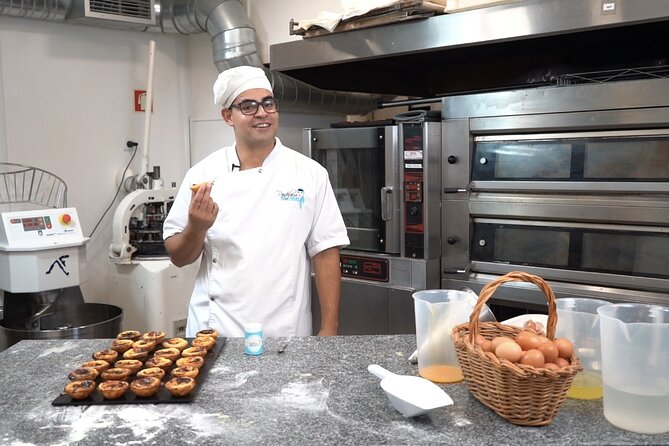
The best part of this Lisbon class is that you do not simply watch a chef assemble pre-made pastry. You make the puff pastry from scratch, shape it by hand, prepare the custard, and bake three Pastéis de Nata in a real professional bakery.
I like the clear, beginner-friendly teaching and the small maximum group of 12. I also like that you finish with warm tarts and a drink, then take the recipe home by email. The main consideration is price: at $84.65 per person, this costs far more than buying a few tarts at a bakery.
The class may be led by João Batalha, co-founder of Nat’elier, or by pastry chefs such as Silvia Sousa, Adriano Cardoso, Sergio Garcia, or Andre. The exact instructor can vary, but the format remains hands-on and suitable for people with no pastry experience.
Key points before you book
- You make the pastry, not just the filling: The class teaches lamination, shaping, custard preparation, and baking from start to finish.
- Three Pastéis de Nata are included: Eat them warm at the bakery or take some home in a box.
- The location is central: Nat’elier is at Rua de Santa Justa 87, just steps from the Santa Justa Elevator.
- The class suits beginners and families: Children aged eight and up are welcome with an adult, and no cooking background is needed.
- The group can reach 12 people: A smaller group may give you more time to ask questions and get help with dough handling.
- Your drink is part of the finish: Water and one coffee, tea, or soft drink are included, while alcohol and some specialty drinks cost extra.
Making Lisbon’s famous tart in a working bakery
Pastel de Nata is one of those foods that seems simple until you try to make it. The shell should be flaky and layered, the custard should be smooth, and the top should have those dark toasted patches that make the pastry so appealing.
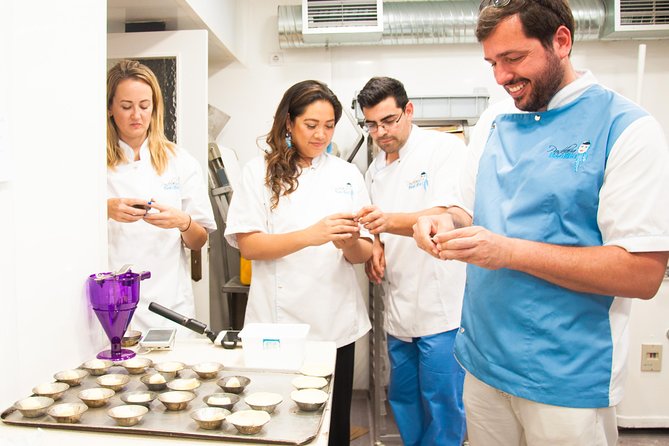
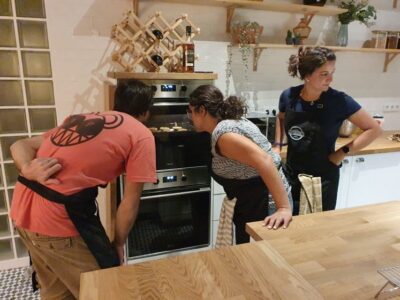
This class gives you a look at the work behind that small tart. You enter Nat’elier’s professional kitchen, put on the required gear, and work through the recipe with a pastry chef. The setting matters. You are not in a demonstration kitchen designed only for watching. You are working with bakery equipment and a professional oven.
That makes the experience useful for two kinds of people. If you are new to baking, you get a friendly introduction to dough and custard. If you already bake, you can focus on the finer points, especially how to laminate the pastry and form the shell in the Portuguese style.
The class begins with an introduction to the background of Pastel de Nata. This is brief but worthwhile, since the pastry is tied closely to Portugal’s food culture. You get some context before moving into the practical work, rather than spending the entire two hours simply hearing about the tart.
More Food Tours in Lisbon
- Lisbon: Pastel de Nata Baking Class
★ 4.9 · 2,106 reviews - Lisbon Small-Group Food Tour with 18 Tastings in Alfama District
★ 5.0 · 1,967 reviews - Lisbon: Baixa District Food Tour with Dinner and Drinks
★ 4.9 · 1,870 reviews
From flour to laminated puff pastry
The most valuable part of the lesson is the pastry. Many tart classes take a shortcut by using ready-made puff pastry. Here, you are shown how to create the dough and work with layers of fat and pastry yourself.
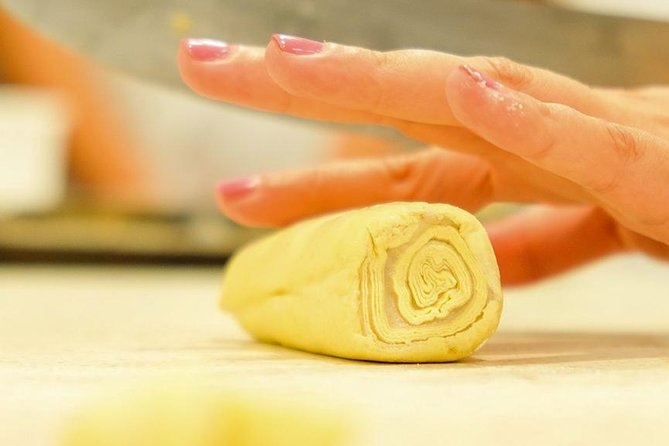
The chef leads you through the process step by step. You learn how to laminate the dough, which means building the thin layers that produce the flaky texture. This is the point where calm instruction matters. Dough can be forgiving, but it also benefits from the right handling, and a good teacher can show you what to do instead of leaving you to guess.
Sergio Garcia is one of the instructors associated with the class, and his teaching style is described as friendly, clear, and easy to follow. Silvia Sousa has also been praised for her patience, including when a young baker made a mistake and needed to start the pastry again. That is exactly the sort of attitude you want in a class like this. You are paying to learn, not to produce a perfect tart on the first try.
The preparation appears to be well organized, with ingredients and steps ready for the group. That means more time for you to handle the pastry and less time waiting for basic setup. Still, keep your expectations sensible. You are learning a professional technique in about two hours, not completing a full pastry apprenticeship.
Shaping three shells by hand
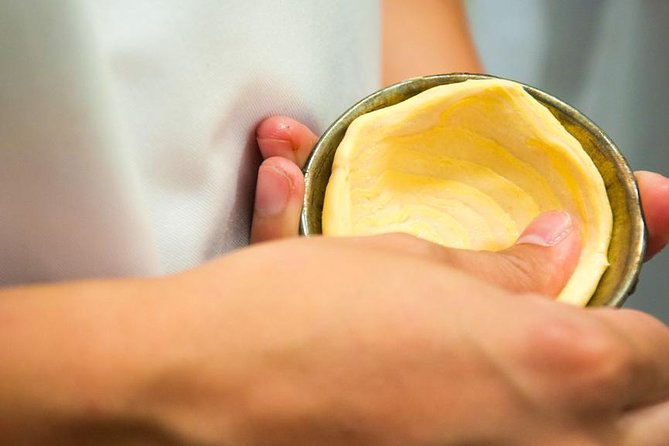
Once the dough is ready, you form the tart shells in small molds. This is not just a matter of pressing dough into a cup. The class teaches a specific Pastel de Nata shaping technique, so you can see how the thin pastry is positioned to create a crisp base and delicate sides.
Every participant makes at least three tarts. That number is enough to give you repetition without turning the class into a long production session. You can try the technique, adjust your pressure, and see how the pastry behaves as you shape the next shell.
This hands-on approach is one of the strongest reasons to choose this class over a bakery tasting. Eating a Pastel de Nata tells you what the finished pastry should be like. Making three of your own helps you understand why the texture matters.
If you make a mistake, the teaching approach is forgiving. The chef can help you correct the shape or start again where needed. Parents bringing older children should find this especially useful, since the activity gives young people a real task rather than asking them to stand at the side and watch.
Preparing the custard and filling the tarts
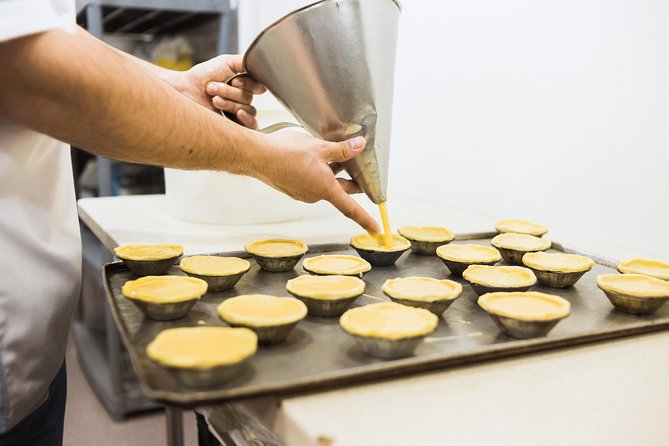
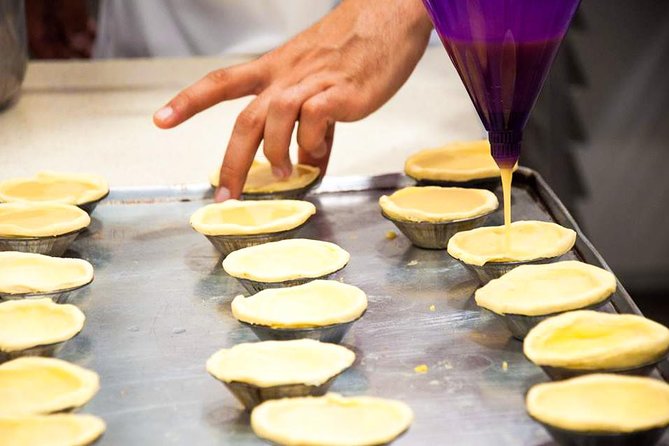
After the pastry comes the custard. The chef explains how to make the filling, then you fill your own shells before they go into the oven.
The class is designed for people with no previous cooking experience, so you should not need to know pastry terms or arrive with special skills. The instructions are broken into manageable steps, and the chefs are there to guide you if you get stuck.
This is also where the class gives you practical advice for baking at home. The recipe is sent by email after the session, so you can give your full attention to the work instead of trying to copy every measurement while your hands are busy.
One small practical warning: keep an eye on your inbox after the class. The recipe is normally part of the package, but one participant had not received it at the time of writing their assessment. If it does not arrive, contact the provider rather than assuming it has been sent successfully.
More food tours around Lisbon:
- Devour Lisbon: The Ultimate Portuguese Food Tour
★ 5.0 · 1,782 reviews - Lisbon Food Tour with 10+ Tastings of Local Delicacies & Wines
★ 5.0 · 1,339 reviews - Lisbon Private Food Tour – Taste 10+ Local Dishes & Wines
★ 5.0 · 896 reviews - Lisbon: Segway Food Tour of Alfama and Old Town Lisbon
★ 4.8 · 770 reviews
The professional oven and the warm-tart payoff
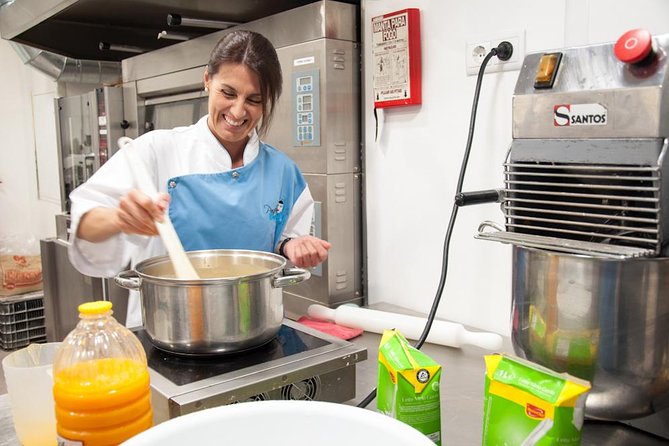
The finished tarts are baked in the bakery’s professional oven. You do not simply prepare the pastries and leave them behind for someone else to finish. The baking is part of the process, and the final reward is tasting the Pastéis de Nata while they are fresh from the oven.
You receive three tarts. You can eat them at the bakery, take them home, or split the difference. Several class formats appear to provide a box for pastries you want to carry away, though you should confirm the exact packaging if that matters to you.
The warm tasting is a smart ending. It lets you judge the texture immediately, while the results are at their best. A flaky shell and soft custard are easier to appreciate fresh than after several hours in a sightseeing bag.
Your included drink is water plus a choice of coffee, tea, or a soft drink. Coffee is the natural partner, and a cappuccino is a popular choice. Milkshakes, hot chocolate, and alcohol are available only at an extra charge, so budget for that if you want something beyond the included options.
A central stop near the Santa Justa Elevator
The meeting point is Rua de Santa Justa 87 in central Lisbon. It is only steps from the Santa Justa Elevator, making the class easy to pair with sightseeing in Baixa.
This location is useful if you are building a day around central Lisbon. You can visit the elevator area before or after the class, and the activity ends where it begins. Public transportation is nearby, but transportation to or from other attractions is not included.
Plan to arrive with enough time to find the address. The area around the elevator can be busy with pedestrians, and the class itself is time-based. Being late could mean missing the opening instructions or part of the pastry preparation.
The central address is convenient, but it is also part of the price. You are paying for a professionally run activity in a prime part of Lisbon, not just for ingredients and three pastries.
The instructors and what their teaching adds
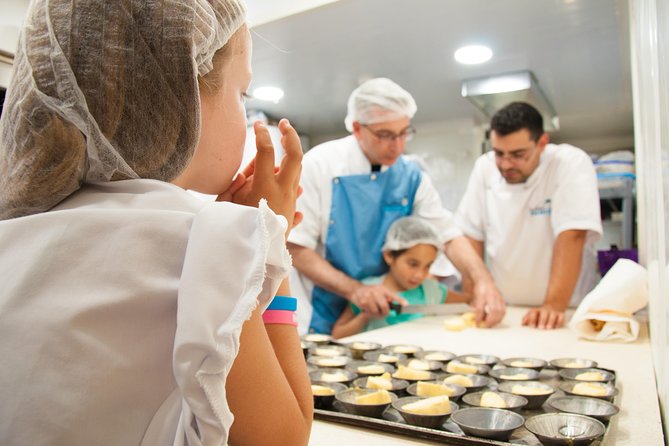
The class can be hosted by award-winning chef João Batalha, who co-founded Nat’elier, or by other in-house pastry chefs. Named instructors connected with the experience include Silvia Sousa, Adriano Cardoso, Sergio Garcia, and Andre.
Sergio is repeatedly praised for making the process approachable and for explaining puff pastry and custard clearly. Adriano has been singled out for his teaching during a particularly enjoyable session. Andre has been noted for paying close attention to teenagers and making sure they stayed involved.
You should not book on the assumption that one specific chef will lead your date unless the provider confirms it. The strength here is the teaching format and professional pastry setting, while the individual instructor may change.
The class also creates an easy social setting. You work beside other people, share the kitchen task, and sit together for the final drink and tasting. Solo visitors can find this a pleasant way to meet people without committing to a full-day group tour.
Is $84.65 good value?
At $84.65, this is not a cheap way to eat Pastéis de Nata. In Lisbon, you can buy the finished pastry for a small fraction of the class price.
The value comes from the activity, not the food alone. The fee covers about two hours with a professional pastry chef, all ingredients and equipment, three tarts, a drink, a recipe sent by email, and a certificate of achievement. You are also paying for access to the bakery kitchen and for the chance to repeat the method at home.
I would consider it good value if you enjoy cooking, want a hands-on cultural activity, or are looking for something beyond monuments and guided walks. It is less convincing if you only want to taste a classic Portuguese pastry. In that case, spend a few dollars at a good bakery and use the rest of your budget elsewhere.
The recipe adds lasting value, provided it reaches your inbox. You can buy a pastry-making kit at the bakery if available, but that is an additional purchase and is not listed as part of the standard package.
Who should take this class?
This is a strong choice for couples, families with older children, solo visitors, and anyone who likes food with a practical side. Children must be at least eight years old and accompanied by an adult.
Teenagers can get more from this than from a passive food tour because they shape, fill, and bake their own pastries. Adults who are nervous about baking should also feel comfortable. The class assumes no previous experience, and the chefs are used to correcting mistakes.
It suits a two-hour gap in your Lisbon schedule. The central location makes it easy to add before or after other plans, but do not treat it as a quick snack stop. You need the full class period, and the process includes several stages.
People with dietary requirements should advise the provider when booking. The available information does not promise specific substitutions, so ask in advance rather than counting on the standard recipe being adapted on the day.
Practical details that affect your plans
The activity is offered in English and comes with a mobile ticket. Confirmation is provided at booking, and the maximum group size is 12 people.
The class is listed as approximately two hours. Since baking includes preparation, shaping, custard, oven time, and tasting, allow a little space around it if you have a timed attraction afterward.
Free cancellation is available if you cancel at least 24 hours before the local start time. Cancellations or changes made inside that window are not accepted for a refund.
The class begins and ends at Rua de Santa Justa 87. There is no included transportation, and alcohol is not included in the price. Water and one coffee, tea, or soft drink are included.
Should you book the Pastel de Nata Masterclass?
Book it if you want to understand how Portugal’s famous custard tart is made, not just eat one. The strongest features are the real bakery setting, pastry made from scratch, patient instruction, and the chance to leave with three warm tarts and a recipe.
I would especially recommend it for a family with children aged eight or older, a solo visitor who enjoys meeting people, or a food-focused couple looking for a memorable Lisbon activity. The perfect score from 491 ratings and a 100 percent recommendation record support the class’s appeal, but the price still deserves a clear look.
Skip it if your main goal is a bargain breakfast or if you dislike structured group activities. At $84.65, the experience needs to be your focus. For the right person, the reward is not just three pastries. It is the skill of knowing how to make them again after Lisbon is far behind you.
FAQ
Where does the Pastel de Nata class take place?
The class takes place at Nat’elier, at R. de Santa Justa 87, 1100-581 Lisboa, Portugal. The bakery is just steps from the Santa Justa Elevator.
How long does the experience last?
The hands-on class lasts approximately two hours. It begins and ends at the same meeting point.
Is the class taught in English?
Yes. The experience is offered in English. Private requests are available for French and Spanish classes.
How many Pastéis de Nata will I make?
Each participant makes at least three Pastéis de Nata by hand. You can eat them at the bakery or take them home.
Is previous baking experience required?
No. All ability levels are welcome, and no previous cooking experience is required.
Are children allowed to join?
Yes. Children aged eight and up are welcome, but they must be accompanied by an adult.
What drinks are included?
Water and one choice of coffee, tea, or a soft drink are included. Alcohol, milkshakes, and hot chocolate are not included, but they are available at an extra cost.
New around Lisbon
- Arrábida, Setúbal, Sesimbra, Olive with wine tasting★ 5.0 · 75 reviews
- Lisbon: Sunset Sailing Boat Cruise with Wine★ 5.0 · 75 reviews
- Lisbon Half Day Private Tour★ 5.0 · 75 reviews
- Private Half Day Tour to Fatima from Lisbon★ 5.0 · 75 reviews
- Fátima, Nazaré and Óbidos Private Tour from Lisbon★ 5.0 · 76 reviews
- Central Lisbon 3-Hour Guided E-Bike Tour★ 4.8 · 76 reviews
- Lisbon Historic City Tour by Tuk-Tuk★ 5.0 · 76 reviews
- Sintra World Heritage and Cascais Village Private Deluxe Tour★ 5.0 · 76 reviews
Food Tours, compared.
Lisbon Small-Group Food Tour with 18 Tastings in Alfama District
Read our review →
Baixa District Food Tour with Dinner and Drinks
Read our review →
Devour Lisbon: The Ultimate Portuguese Food Tour
Read our review →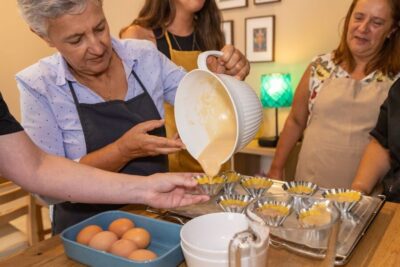
Pastel de Nata Cooking Class with Grandma’s Recipe
Read our review →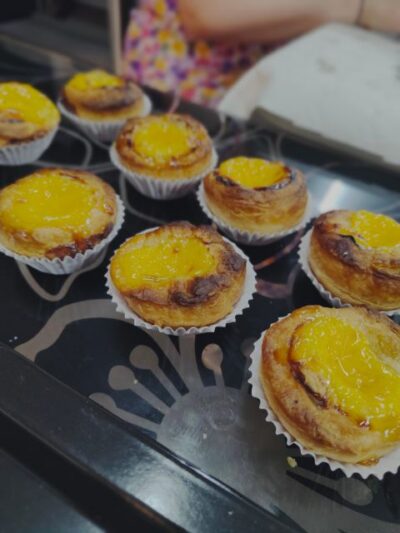
Lisbon Food Tour with 10+ Tastings of Local Delicacies & Wines
Read our review →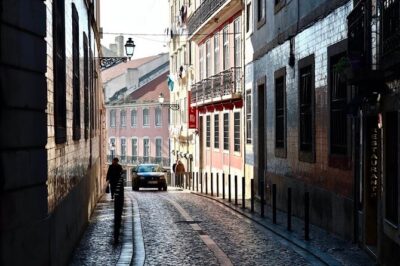
Lisbon Private Food Tour – Taste 10+ Local Dishes & Wines
Read our review →Browse the lists this tour appears in