
Reviewed · FOOD TOURS
Lagos: Bake Pastel de Nata – Class in Lagos, Algarve
Portugal’s famous pastel de nata is not just a custard tart. It is a small lesson in patience, heat, pastry, and timing. In this two-hour Lagos class, you make the tart from scratch, from buttery puff pastry to creamy filling, then eat it warm from the oven with a little port wine.
I like the hands-on format: you do not simply watch a chef work. You shape the pastry, prepare the custard, combine the two, and see how the baking changes the texture. I also like the small group of up to 10, which leaves room for questions, conversation, and a relaxed meeting with people from several countries.
The main thing to consider is value. At $53 per person, this is not the cheapest way to eat pastel de nata in Lagos. You are paying for instruction, ingredients, tools, the kitchen setting, and a recipe to take home. If your teenage child counts as an adult, the cost can add up quickly, and some people may wish they could take extra pastries home.
Key points at a glance
- Bake from dough to custard: Learn the main stages instead of watching a demonstration from the sidelines.
- Work with Joana and her team: Joana is often the lead host, with co-instructors including Patricia, Margareta, and Lara appearing in different sessions.
- Eat the pastries hot: The finished tarts come straight from the oven, with port wine served during the wait in some sessions.
- Meet an international group: The small class gives solo visitors, couples, families, and friends an easy way to talk and work together.
- Leave with a recipe: A PDF arrives by email after the class, so you can try the method in your own kitchen.
- Plan around two hours: It makes a useful break from the beach, especially on a warm afternoon or a day with uncertain weather.
Why a pastel de nata class works in Lagos
Lagos is famous for beaches, cliffs, boat trips, and long sunny days. Those are good reasons to visit, but they do not fill every hour. A cooking class gives you a different way to spend time in town, and this one connects directly to Portugal’s everyday food culture.
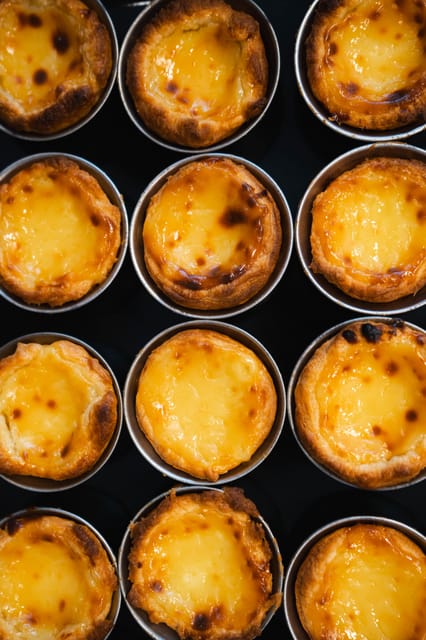
Pastel de nata is familiar across Portugal, but making it reveals why a good tart is more than a sweet snack. The pastry must form delicate layers, the custard needs the right texture, and the oven must create the dark patches that make the top so appealing. You get a useful look at the work behind something that is easy to buy in nearly every Portuguese café.
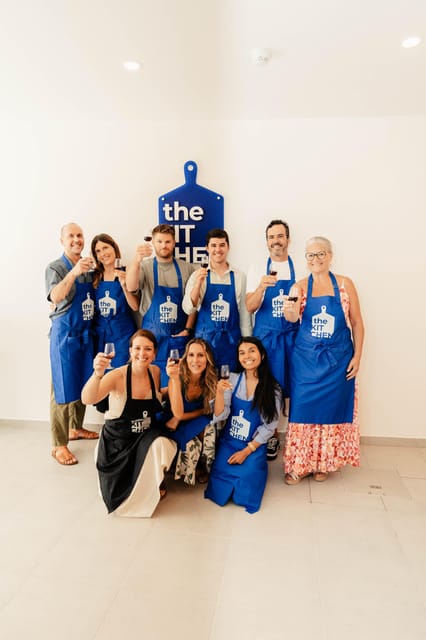
I also like the social side. You work beside people who may be visiting from Canada, the United States, Britain, Australia, the Netherlands, or elsewhere in Europe. The shared task takes pressure off conversation. Someone needs help with pastry, someone else is checking the filling, and soon the room has its own easy rhythm.
The class suits a solo visitor particularly well. You do not need to arrive with a group to feel involved. Couples and families can join together, too. One family with an 11-year-old found the instructions simple enough for both adults and child, although the adult pricing policy is worth checking if you are bringing teenagers.
More food tours around Lagos:
- Classic Food Tour – Lagos
★ 5.0 · 232 reviews - Lisbon: Pastel de Nata Baking Class
★ 4.9 · 2,106 reviews - Lisbon Small-Group Food Tour with 18 Tastings in Alfama District
★ 5.0 · 1,967 reviews
Entering the Lagos kitchen
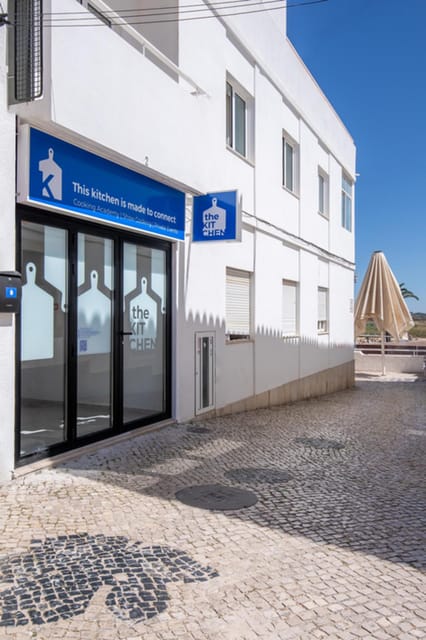
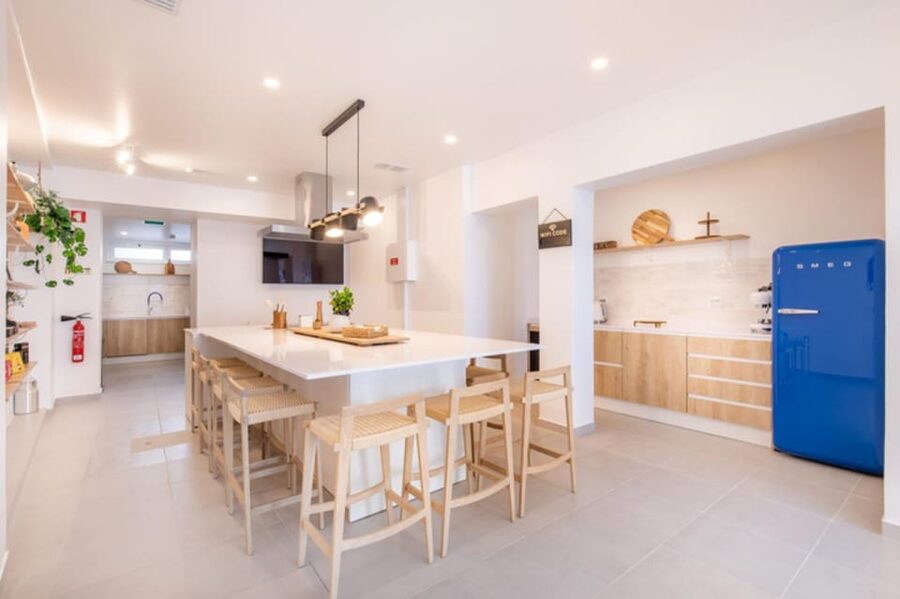
The experience takes place at The Kitchen, Cooking Classes & Private Events, in a central part of Lagos. The setting has been described as clean, attractive, and tastefully decorated, which matters in a class where you spend most of your time standing around work surfaces and handling food.
You are supplied with the ingredients and cooking tools. That makes the class easy to fit into a holiday schedule because you do not need to shop for special tins, ingredients, or equipment before arriving. One useful local tip from the cooking team is where to buy the small baking tins nearby. If you want to repeat the pastries at home, this kind of advice is more useful than a generic souvenir.
The class is offered in English and Portuguese. The atmosphere is intended to be friendly rather than formal, and the hosts keep the pace accessible for people with different levels of baking skill. You do not need to be an experienced baker. A good attitude and willingness to handle the pastry matter more than technical confidence.
Step one: preparing the puff pastry
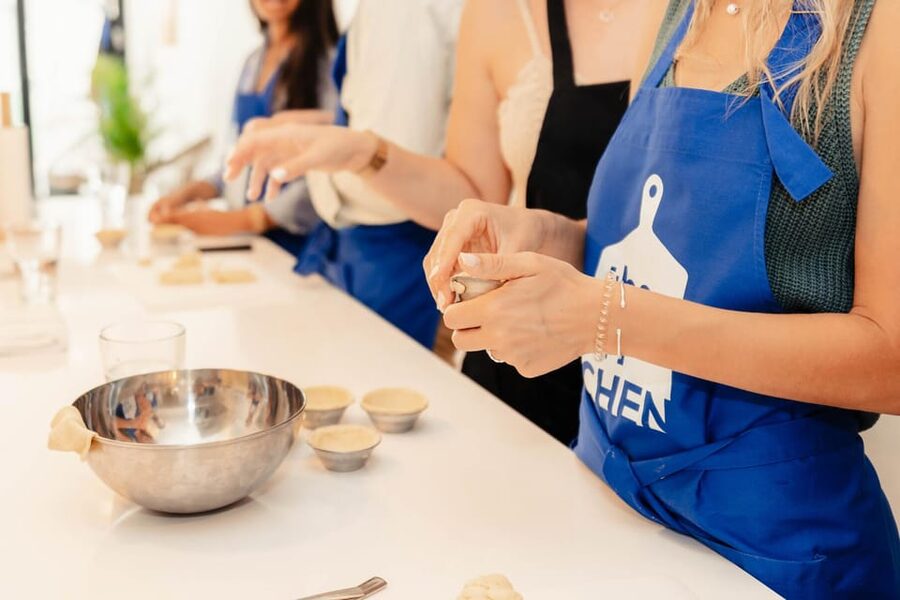
The first major job is the pastry. This is where the class gives you something a café visit cannot. You learn how the dough is prepared and shaped for the small tart tins, rather than simply being handed a finished shell.
The pastry stage rewards careful attention. You work through the instructions with guidance from the instructor, and the process is broken into manageable steps. That is helpful if you are not used to pastry, since the dough can feel less cooperative than a simple cake mixture.
The exact amount of individual preparation can depend on the group and the pace of the session. Most of the experience is hands-on, but one useful criticism is that some participants wanted to take part even more in certain preparations. If you want a full professional kitchen apprenticeship, this is not it. It is a guided holiday workshop designed to help you understand and repeat the method.
Still, you get enough practical contact with the ingredients to understand the basic technique. You see how the pastry and filling are treated as separate parts, then brought together in the tart shell. That structure is one of the most useful things to learn because it helps you diagnose problems when you bake at home.
Step two: making the creamy custard
Next comes the filling. The class explains how to make the smooth custard that gives pastel de nata its soft center. This is a good chance to ask questions about texture and preparation while the instructor is nearby, rather than trying to copy a recipe from a book without knowing what the mixture should look like.
Joana is praised for taking the group through each step carefully, and the other named instructors are described as friendly and helpful. The teaching style appears to be conversational, with room for questions, personal stories, and local suggestions. That makes the session feel more like a shared kitchen lesson than a strict cooking school.
You also get a bit of Lagos and Portugal along with the food. Joana has offered suggestions about places to visit in the area, and her local stories add context to the recipe. The cultural value is modest but real. You are not touring a historic monument, yet you are spending time with local hosts and learning a food tradition in a setting built for cooking.
A few other Lagos half-days worth a look
- Beginner Surf Lesson at the Beautiful Algarvian West Coast
★ 5.0 · 377 reviews - Surf Lessons in Algarve
★ 5.0 · 101 reviews - Porto: Pastel de Nata Cooking Class with Grandma’s Recipe
★ 5.0 · 1,565 reviews - Porto: Pastel de Nata Pastry-Making Workshop
★ 4.9 · 1,542 reviews
Step three: filling, baking, and waiting
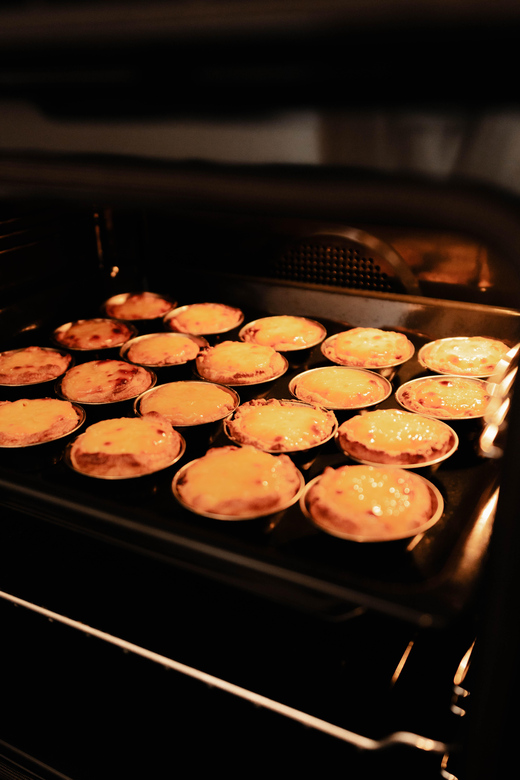
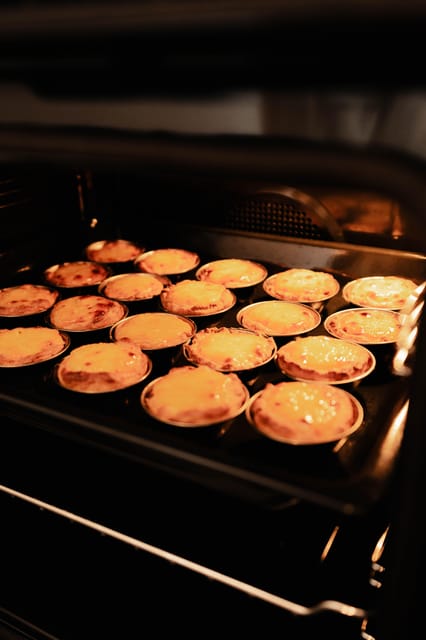
Once the pastry and custard are ready, you combine them and prepare the tarts for the oven. This is the moment when the separate techniques begin to make sense. The pastry provides the crisp base and layered edge, while the filling sets into the soft center people expect from a good pastel de nata.
The baking period gives the class a natural pause. In several sessions, port wine was served while the pastries baked. That small touch fits the setting and turns the wait into part of the experience instead of dead time. It also gives the group a chance to talk without trying to measure, stir, or shape anything.
The class may run a little beyond two hours if the group is talkative. That is not ideal if you have a tightly scheduled boat trip or restaurant booking immediately afterward. On the other hand, an unhurried finish can be pleasant when you have nowhere else to rush.
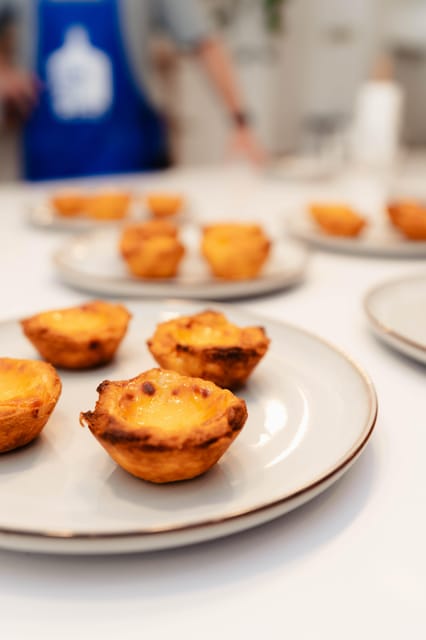
Then comes the best part: you eat the pastries fresh and warm. The tarts are the result of your own work, so even a slightly uneven shell feels like a success. You can compare the texture and flavor with the pastel de nata you have eaten elsewhere in Portugal. Several people found their homemade batch impressively good, but you should remember that fresh-from-the-oven pastry has an advantage over a tart that has been sitting in a display case.
The people make the class
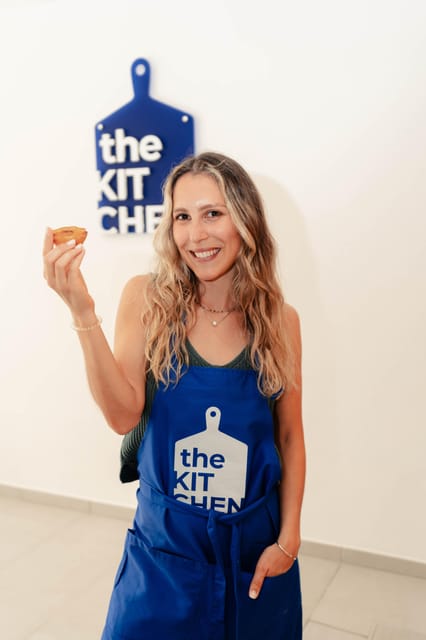
The strongest feature here is the teaching style. Joana is repeatedly described as energetic, welcoming, patient, and attentive to the whole group. That combination matters because baking can become stressful when an instructor moves too fast or assumes everyone already understands the technique.
The hosts also help solo visitors and mixed-age groups feel comfortable. You can expect jokes, shared stories, and a fair amount of conversation. One session included a game at the end, adding a playful finish beyond the baking itself. That detail may not happen every time, but it reflects the informal mood of the class.
Different instructors have led sessions, including Patricia, Margareta, and Lara. The common thread is clear instruction and a friendly approach. If having a particular instructor matters to you, check the booking details before paying, since the available teacher may vary.
The international mix is another advantage. You may arrive as a couple or a family and leave having spoken with people from several parts of Europe and the English-speaking world. This is especially useful if you are traveling alone or want a social activity that does not revolve around nightlife.
What the $53 price really covers
At $53 per person, the class sits in the paid activity range rather than the casual food-stop range. You could buy several pastel de nata for much less. The value comes from the combination of instruction, ingredients, kitchen access, equipment, conversation, and the recipe sent afterward as a PDF.
I think the price makes the most sense if you enjoy cooking or want an activity with a lasting result. The recipe means you can try the pastries at home, and the nearby baking-tin recommendation helps make that plan more realistic. You are not just consuming a dessert. You are paying to understand how it is made.
The calculation is less favorable if you mainly want to eat. You do not appear to take home a large box of extra pastries, and one participant specifically wished there had been more to bring away. The final reward is your portion at the end, not a bakery haul for later.
Families should also check the age and pricing rules. A teenage child may be charged as an adult, which can make the total noticeably higher. For a couple, a solo visitor, or a small group that likes food activities, the cost is easier to justify.
Who should book this experience?
You are a good match if you:
- Enjoy hands-on food activities.
- Want a break from beaches and sightseeing in Lagos.
- Like meeting other people in a small group.
- Are curious about Portuguese cooking.
- Want a recipe you can use after returning home.
- Prefer a relaxed class to a formal culinary course.
- Are traveling with a partner, friends, or an older child who can follow instructions.
You may want to skip it if you dislike group activities, have little interest in baking, or need to leave at an exact time. The class is social, and the group may run over two hours if conversation takes off. It is also not the right choice if your main goal is taking a large quantity of pastries with you.
You do not need advanced kitchen skills. The instructions are designed for beginners, and the process is explained step by step. Still, you should be ready to participate. This is not a seated tasting with a chef doing all the work.
Booking details worth knowing
The price is $53 per person, and the activity lasts two hours. Starting times vary, so check availability for your date before planning the rest of your day.
The class is limited to 10 participants. That is a useful size for a practical workshop because it allows the instructor to move between people without turning the room into a lecture. A smaller booking may feel especially personal, while a full group should have a lively social atmosphere.
Instruction is available in English and Portuguese. Ingredients and cooking tools are included, and the recipe PDF is emailed after the experience.
You can cancel up to 24 hours before the start for a full refund. The reserve-now, pay-later option also lets you hold a place without paying immediately, which is helpful when Algarve plans depend on weather or changing beach conditions.
My recommendation for Lagos
I would book this class if I wanted a friendly, practical food experience rather than another passive stop. The warm pastries, small group, local hosts, and recipe for home use give the $53 fee a clear purpose.
I would not book it solely because pastel de nata is cheap and easy to buy in Portugal. The value is in learning the method and sharing the kitchen. Check the adult price for children, leave some space after the two-hour slot, and do not expect to carry home a bakery box.
For a solo visitor, couple, family, or small group that enjoys food and conversation, this is a smart way to spend part of a Lagos day. You leave with fresh tarts, a better sense of how they are made, and a recipe that can bring a little Portugal back to your own kitchen.
FAQ
How long does the pastel de nata class last?
The class lasts two hours, although a session may run longer if the group is especially talkative and there is no following class scheduled.
How much does the experience cost?
The listed price is $53 per person.
Where does the class take place?
The class is held at The Kitchen, Cooking Classes & Private Events, in Lagos, Algarve, in a central location.
What will I learn to make?
You will learn how to prepare the creamy custard, make the puff pastry, combine the pastry and filling, and bake the pastel de nata.
Are ingredients and cooking tools included?
Yes. The ingredients and cooking tools needed for the pastries are included.
Do I receive the recipe afterward?
Yes. After the experience, you receive a PDF of the recipe by email so you can make the pastries at home.
What languages are spoken during the class?
Instruction is available in English and Portuguese.
How large is the group?
The class is limited to 10 participants.
Can I cancel for a refund?
Yes. You can cancel up to 24 hours in advance for a full refund. A reserve-now, pay-later option is also available.
New around Lagos
- Lagos: Guided Walking Tour with Brodie from Australia★ 4.8 · 84 reviews
- Lagos Private Boat Trip with Drinks, Snacks, Paddleboards Kayak★ 5.0 · 89 reviews
- Algarve: Lagos sightseeing guided tour with E-bikes★ 5.0 · 89 reviews
- Half-day tour 4×4 West Coast of the Natural Park★ 5.0 · 91 reviews
- Wild and Wonderful West Coast Full Day Tour★ 5.0 · 92 reviews
- Dolphin and Whale Watching in Lagos★ 5.0 · 94 reviews
- Sagres Sunset Small Group Tour from Lagos★ 5.0 · 94 reviews
- Ponta da Piedade Sunset Tour in Lagos, Algarve★ 5.0 · 95 reviews
Food Tours, compared.
Lisbon Small-Group Food Tour with 18 Tastings in Alfama District
Read our review →
Baixa District Food Tour with Dinner and Drinks
Read our review →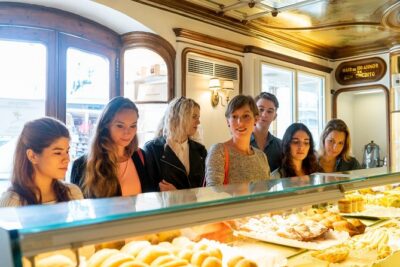
Devour Lisbon: The Ultimate Portuguese Food Tour
Read our review →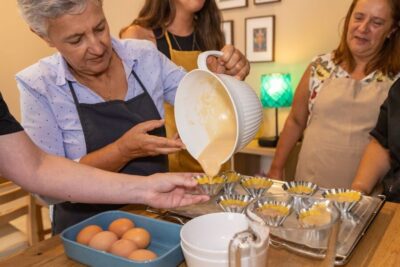
Pastel de Nata Cooking Class with Grandma’s Recipe
Read our review →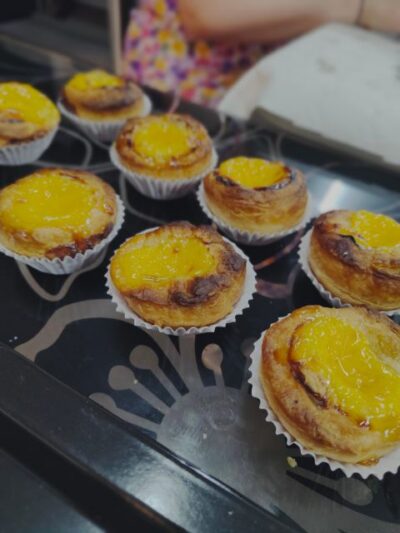
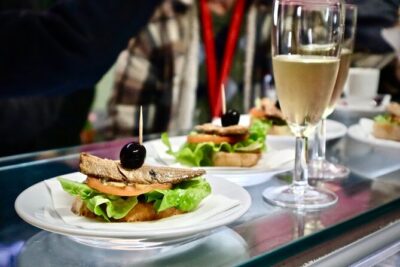
Lisbon Food Tour with 10+ Tastings of Local Delicacies & Wines
Read our review →
Lisbon Private Food Tour – Taste 10+ Local Dishes & Wines
Read our review →Browse the lists this tour appears in