
Reviewed · EVORA & ALENTEJO DAY TRIPS
Évora and Megaliths Full-Day Tour from Lisbon
The oldest stop comes first: the Almendres Cromlech, a circle of stones older than Stonehenge, set in quiet Alentejo countryside. I like this tour’s unusual pairing of prehistoric astronomy with Évora’s Roman and medieval monuments, and I like the chance to see how cork is harvested from oak trees. The Chapel of Bones adds a darker, memorable note.
The main drawback is the long day and the fact that road conditions can force a change to the megalith site. One September group missed Almendres after a landslide and saw another stone site and a dolmen instead. Also, lunch is not included, and cathedral admission may cost extra, so allow room in your budget.
Key points to know before you book
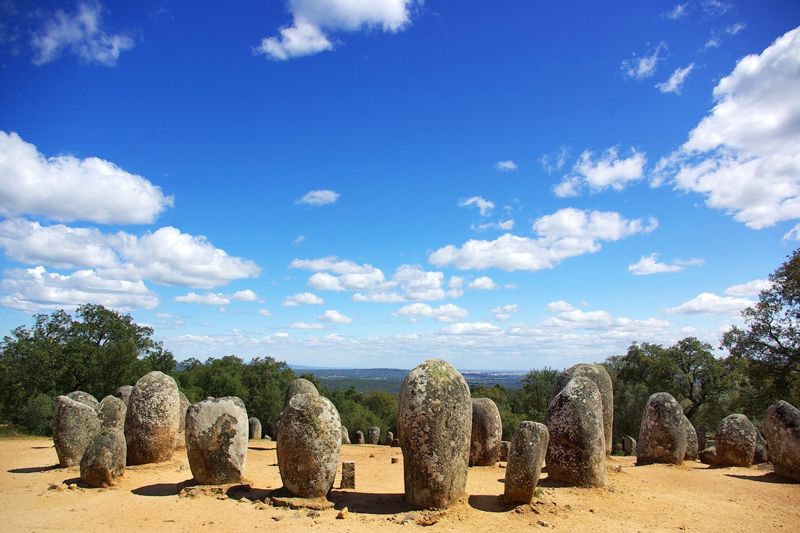
- The megaliths are the day’s most unusual sight: Almendres is older than Stonehenge and linked to early observations of the sun and stars.
- Évora gives the tour its strongest mix of history: You move from Roman ruins to a medieval cathedral, Renaissance architecture, and the Chapel of Bones.
- The cork stop adds real countryside context: You learn how cork is removed from oak trees and turned into useful products.
- Hotel pickup saves time: Collection and return from a Lisbon hotel or apartment remove the need to arrange trains, buses, or local taxis.
- The guide can shape the day: Nuno, Tiago, Diogo, João, and other guides are praised for clear explanations, flexible pacing, and good lunch advice.
- Plan for a full day on the road: The advertised duration is eight hours, though one group spent nearly ten hours with the guide.
Why this Lisbon day trip feels different
Many day trips from Lisbon focus on famous palaces, beaches, or crowded historic centers. This one takes you east into the Alentejo, where the pace is slower and the main attractions are spread between open countryside and an old walled city.
I like that contrast. In the morning, you are considering stones placed by people thousands of years ago. Later, you are walking past Roman columns, entering a medieval cathedral, and looking at a Renaissance chapel lined with bones. The subject changes often enough to keep the day moving.
The tour is priced at $94 per person. That is a fair price if you value hotel transport, a live guide, entry to the Chapel of Bones, and the convenience of reaching rural archaeological sites that would be awkward to visit without a car. You still need to pay for lunch, and cathedral entry is not clearly included in the supplied details, so ask about that before departure.
The strongest part of the value is not simply transport. A guide gives meaning to sites that can otherwise feel puzzling. A field of weathered stones is interesting; a guide explaining its possible alignment with the sun and stars makes you look again.
A few other Lisbon half-days worth a look
- Évora and Monsaraz with Regional Wine Tasting from Lisbon
★ 4.5 · 229 reviews - Private Day Tour With Guide to Évora and Monsaraz
★ 5.0 · 134 reviews - From Lisbon to Alentejo: Évora and Megaliths Full-Day Tour
★ 4.5 · 131 reviews
The drive from Lisbon into the Alentejo
Pickup is offered at your hotel or apartment in Lisbon. The vehicle is described as clean, comfortable, air-conditioned, and equipped with WiFi and bottled water. Several guides are praised for smooth, careful driving, which matters on a day involving substantial time in the vehicle.
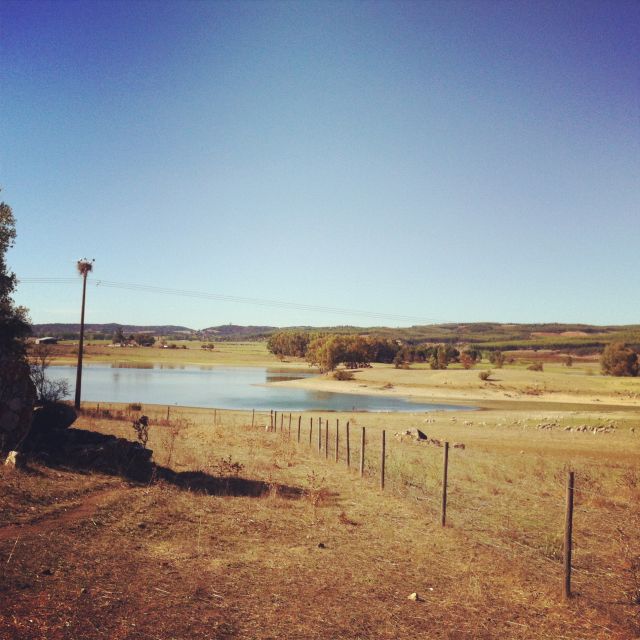
The route takes you away from Lisbon’s city streets and into rural Portugal. You may see cork oak trees, olive trees, cattle, sheep, and broad views of the Alentejo countryside. This is useful context: Évora is not an isolated historic town, but part of a working rural region with its own crops, animals, and traditions.
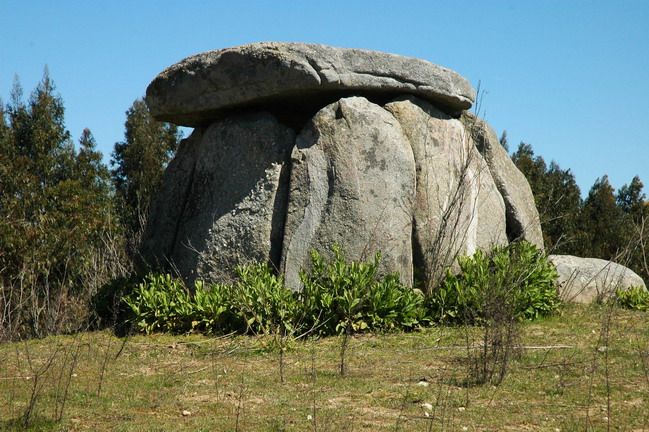
Guides often add small stops or suggestions along the way. Some groups visited a visitor center before the stone site. Others stopped at a burial chamber or dolmen that was not part of the basic schedule. These additions depend on the guide, traffic, weather, and site access, so treat them as possible extras rather than guaranteed stops.
One practical point: the minibus may not have a microphone. A guest found it hard to hear explanations during the drive and solved the problem by sitting near the front. If you have hearing trouble, choose a front seat when possible.
Almendres Cromlech and the mystery of the stones
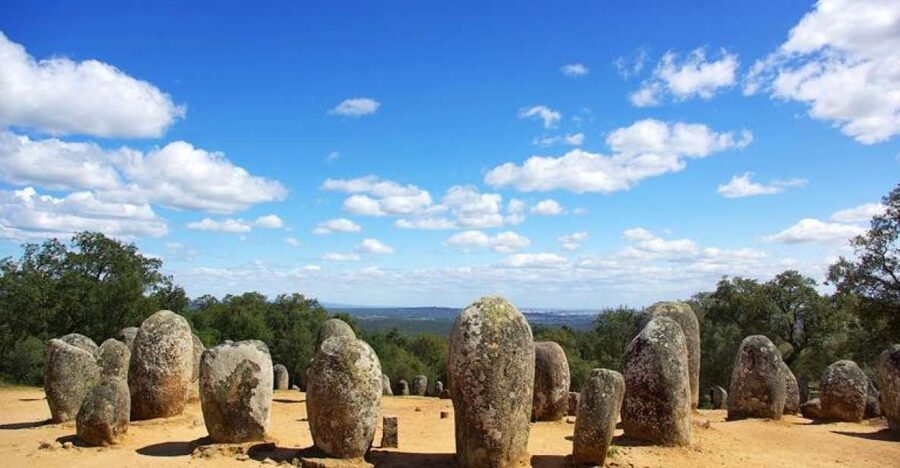
The Almendres Cromlech is the tour’s signature stop. The site contains standing stones arranged in a broad formation, and it is older than Stonehenge. The stones are linked to Neolithic communities and their observations of the sky, though the exact purpose of the complex remains uncertain.
That uncertainty is part of the appeal. You are not looking at a building with a neat inscription explaining its use. You are looking at a carefully arranged group of stones and trying to imagine the people who set them in place, watched the seasons, and returned to this site over generations.
The setting is quiet and open. In spring, wildflowers can add color around the stones. In other seasons, the simplicity of the site is the point. There are no grand interiors, dramatic statues, or busy streets to distract you.
Your guide’s explanation makes a real difference here. Nuno is especially praised for bringing out the historical meaning of the megaliths, while other guides have added stories about astronomy and early societies. You should expect a short walk over uneven ground, so comfortable shoes are essential.
Access can change. A landslide closed the usual road for one group, so the guide substituted another megalithic location and a dolmen. Another group saw a burial chamber as an extra stop. This flexibility is a plus, but if visiting Almendres itself is your main reason for booking, confirm the current road situation close to your tour date.
Cork oak country and a useful local tradition
The cork stop gives you something more practical than another monument. You learn how cork is removed from cork oak trees and processed into finished goods. This helps explain the rows of cork trees you may have seen during the drive.
The method is especially interesting because the tree is not simply cut down. The outer bark is removed, allowing the oak to continue growing. The visit can include a processing facility or cork factory, where you see how the raw material becomes products sold in Portugal and beyond.
This stop also breaks up the history-heavy schedule. After thinking about prehistoric stone circles, you get a look at a living rural industry. It is the kind of addition you might miss on a standard city visit to Évora, and it gives you a better sense of the region’s identity.
There may be a shopping element at the cork facility. That is not necessarily a problem, but you should know what to expect. If you dislike commercial stops, the amount of time may matter to you. If you want a practical souvenir, cork products are a sensible choice and the production lesson gives your purchase some context.
Same coastline, a completely different day out:
- Lisbon City Center Tour – The Unmissable Lisbon
★ 5.0 · 22,234 reviews - Lisbon: Sintra, Pena, Regaleira, Cabo da Roca & Cascais
★ 4.7 · 19,656 reviews - Lisbon: Jerónimos Monastery Entrance Ticket
★ 4.1 · 14,164 reviews - Lisbon: History, Stories and Lifestyle Walking Tour
★ 4.8 · 10,902 reviews
Évora’s Roman Temple and layered city center
Évora is the historic capital of the Alentejo and a UNESCO-classified city center. The old streets bring together several periods of Portuguese history, and the compact core works well for a guided walk followed by free time.
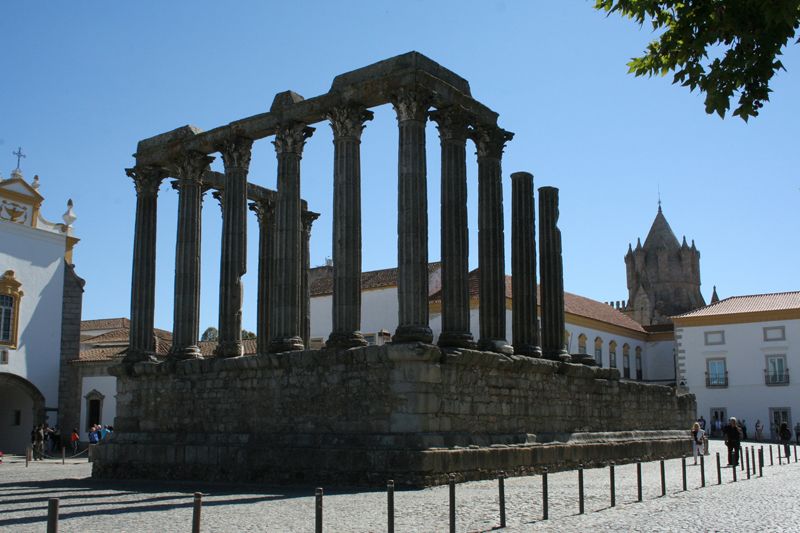
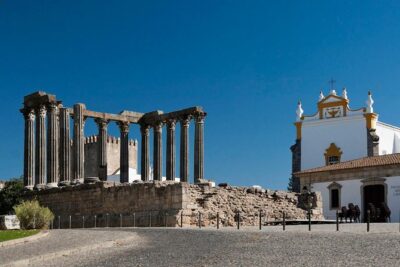
The Roman Temple of Diana is the obvious first anchor. Its surviving columns recall the Roman city that once occupied this site. The name connects it with the goddess Diana, though the monument’s original use and dedication are more complex than the popular label suggests. Your guide can provide the needed background without turning the stop into a dry lecture.
From there, you can see how later periods reused and built around older structures. That layering is what makes Évora rewarding. You are not visiting one perfectly preserved era. You are walking through a town shaped by Roman, medieval, and Renaissance Portugal.
The schedule typically gives you time to explore independently. This is important because Évora rewards wandering. You can look into small streets, browse local shops, choose lunch, or spend longer at the cathedral if that interests you.
The amount of free time seems to be one of the tour’s strengths, but remember that an eight-hour outing cannot provide a full city visit. One group had time for lunch and the cathedral, while another wished for more time in Évora. If you want museums, extensive shopping, and a leisurely meal, an overnight stay would suit you better.
Évora Cathedral and the view from the roof
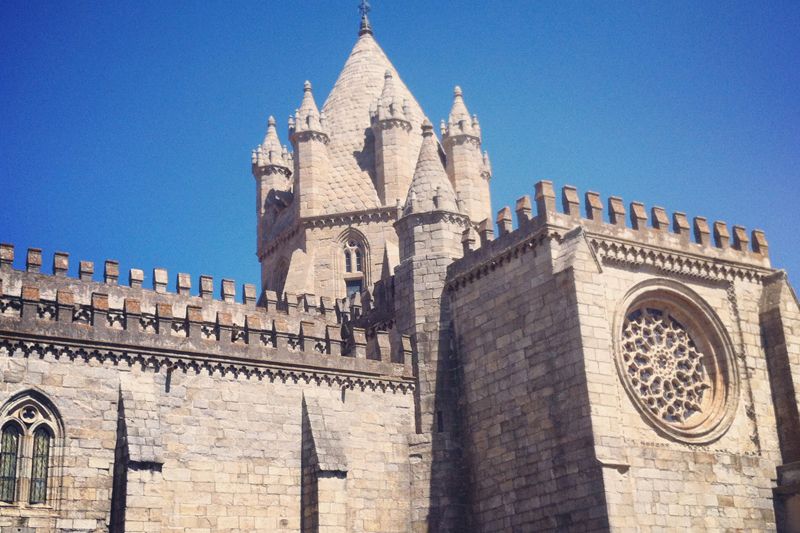
The medieval cathedral is one of the city’s major buildings. The tour description includes a visit and a climb to the roof, where you can look across the golden plains around Évora. The elevated view helps you understand the city’s setting and gives your legs a change from street-level sightseeing.
The cathedral complex itself is worth time. Its stonework and medieval character differ sharply from the nearby Roman columns and the later Church of St. Francis. This is a good place to notice the changing materials, styles, and religious traditions across the city.
Admission details need care. The supplied tour information includes Chapel of Bones entry, but one detailed account specifically says cathedral entry was not included. Budget for a possible additional ticket and confirm the current arrangement before you go.
A roof climb may involve stairs and uneven surfaces. Comfortable shoes are listed as essential, and the day is not ideal for anyone who wants to avoid walking or climbing. In hot weather, a guide may adjust where explanations take place. One guide made a point of speaking in shaded areas, a small detail that can make a big difference in summer.
The Chapel of Bones at St. Francis
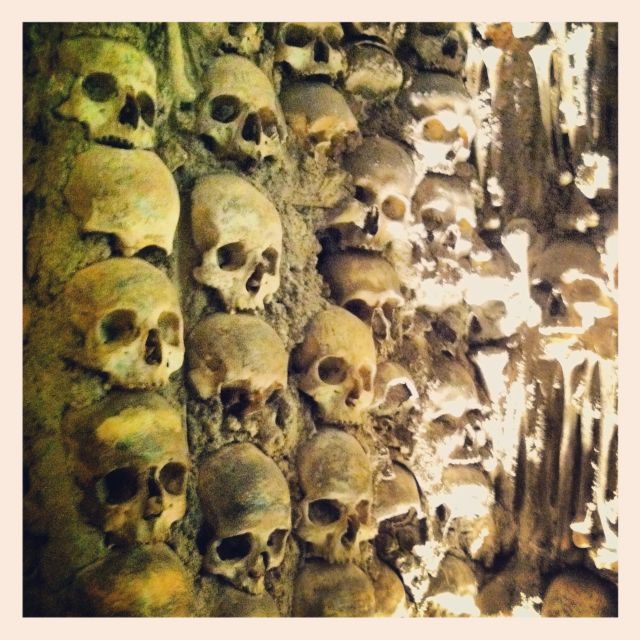
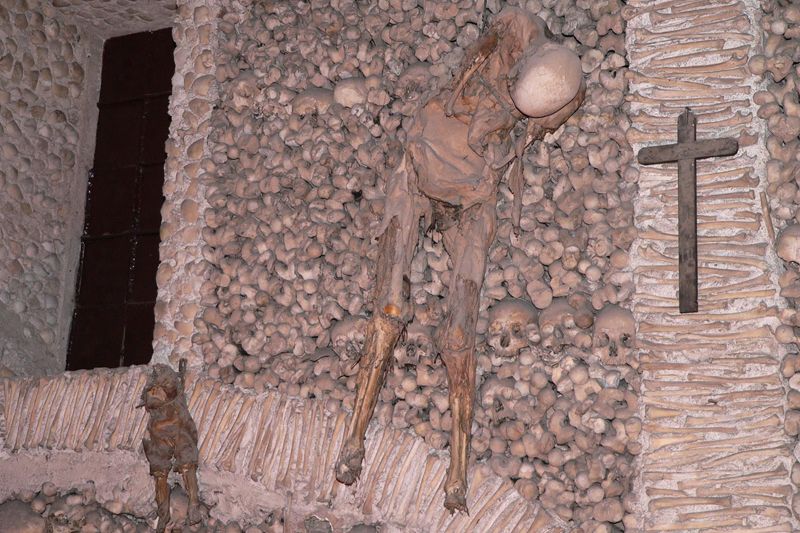
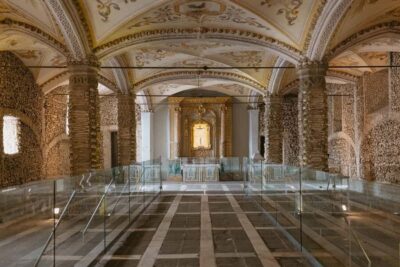
The Renaissance Church of St. Francis contains the Chapel of Bones, the tour’s most striking interior. Human bones and skulls are arranged within the chapel walls, creating a stark reminder of mortality.
This is not a lighthearted attraction, and it may unsettle you. It is also more than a macabre photo stop. The chapel reflects a religious setting in which death, remembrance, and the limited space available for burials were treated openly. Your guide can help place the room in its historical and religious context.
The Chapel of Bones is included in the tour price, which improves the value of the day. You do not need to decide on another admission fee once you arrive, and the guided explanation helps you take in a small but powerful site.
Give yourself a little time to look carefully. The bones are not merely scattered decoration. They form part of the room’s walls and design, and the effect is strongest when you pause rather than rush through for a quick photograph.
This stop often appeals to teenagers and older children because it is unusual and visually direct, though parents should judge their own family’s comfort. It can be the highlight for people drawn to unusual religious art, while others may prefer the Roman temple or megaliths.
The pace, group size, and guide quality
Private and small-group options are available. A small group can make the day feel personal, especially when the guide is also the driver. Several people ended up with a private tour because no other passengers had booked that departure.
The guides named in the supplied information include Nuno, Tiago, Diogo, João, Joas, and Donny. Nuno receives especially strong praise for warmth, humor, patience, history explanations, and attention to comfort. Tiago is described as easygoing and helpful, including support for a passenger with a sprained ankle. Diogo is praised for driving and answering questions, while João is noted for adding an unscheduled burial chamber visit.
Your assigned guide will vary, so do not book solely for one name. The consistent pattern is clear communication, careful driving, flexibility, and useful food suggestions. A good guide matters here because the megaliths need interpretation, and the free time in Évora benefits from local advice.
The pace is designed to avoid rushing. You get breaks, time for lunch, and independent exploration. Still, this is a packed day with several separate stops. If you prefer to sit quietly in one town and explore at your own speed, the schedule may feel busy.
Lunch, comfort, and what to bring
Lunch is not included. That gives you control over cost and choice, and guides can suggest a local restaurant. Specific meals mentioned include turkey bifanas, a simple Portuguese sandwich that makes sense for a day when you want to eat without losing too much sightseeing time.
Bring a passport or identity card, comfortable shoes, and protection from the weather. Water is provided, but you may want extra drinks or snacks for the drive. Summer heat can be strong in the open countryside, while rain can make rural paths less pleasant.
WiFi on board is useful during the long ride, though the main reason to choose this tour is the access and interpretation rather than the internet connection. The vehicle is generally described as comfortable, but ask for a front seat if hearing the guide during driving is important to you.
Cancellation is free up to 24 hours before the tour for a full refund, and you can reserve now and pay later. Those terms help if your Lisbon plans are still shifting.
Who should book this Évora day trip?
I would choose this tour if you want to see a less obvious side of Portugal and enjoy history presented in several forms. It suits couples, families with older children or teenagers, and anyone who wants rural scenery without giving up a guided visit to a major historic town.
History lovers get the most from the day, especially if the idea of prehistoric astronomy interests you. The combination of megaliths, a Roman temple, a medieval cathedral, and a Renaissance chapel gives you a useful sequence through time.
It is also a good choice if you are staying in Lisbon and do not want to arrange a rental car. The rural stone sites are difficult to reach by public transport, and hotel pickup removes much of the planning work.
I would hesitate if you want a slow, food-focused Évora visit, dislike long drives, or feel uncomfortable around human remains. I would also think twice if the Almendres Cromlech is your single must-see and access conditions are uncertain. Ask whether the regular site is open and what replacement would be offered.
Should you book it?
Book this tour if you want an efficient, well-guided day that combines ancient stones, cork country, and Évora’s strongest historic sights. At $94, it offers solid value when you include hotel transport, a small-group or private format, water, WiFi, a live guide, and Chapel of Bones admission.
The best reason to go is the range. You get quiet countryside, a mysterious prehistoric site, a working cork tradition, Roman remains, medieval architecture, and one of Portugal’s most unusual chapels in a single day.
Choose an overnight in Évora instead if you want more time for museums, long meals, and aimless walks. For a first look at the Alentejo from Lisbon, though, this is a practical and unusually varied choice.
FAQ
How long does the Évora and Megaliths tour last?
The advertised duration is 8 hours. One group spent nearly 10 hours with the guide, so allow some flexibility around the scheduled return.
Is hotel pickup included?
Yes. Pickup and drop-off are included from your hotel or apartment in Lisbon.
What languages are available?
The live tour guide is available in English and Portuguese.
Is lunch included?
No. Lunch is not included in the tour price. You will have time to eat in Évora, and the guide may suggest a local restaurant.
Is entry to the Chapel of Bones included?
Yes. Entry to the Chapel of Bones is included.
Is Évora Cathedral admission included?
The supplied information does not clearly confirm cathedral admission. One detailed account says cathedral entry was not included, so confirm the current arrangement and be ready to pay separately.
What should I bring?
Bring a passport or identity card and comfortable shoes. These are specifically listed as important items for the activity.
Can the megalith site change?
Yes. Road conditions can affect access. A landslide once closed the usual road to Almendres, and the group visited another megalithic site and a dolmen instead.
New around Lisbon
- Arrábida, Setúbal, Sesimbra, Olive with wine tasting★ 5.0 · 75 reviews
- Lisbon: Sunset Sailing Boat Cruise with Wine★ 5.0 · 75 reviews
- Lisbon Half Day Private Tour★ 5.0 · 75 reviews
- Private Half Day Tour to Fatima from Lisbon★ 5.0 · 75 reviews
- Fátima, Nazaré and Óbidos Private Tour from Lisbon★ 5.0 · 76 reviews
- Central Lisbon 3-Hour Guided E-Bike Tour★ 4.8 · 76 reviews
- Lisbon Historic City Tour by Tuk-Tuk★ 5.0 · 76 reviews
- Sintra World Heritage and Cascais Village Private Deluxe Tour★ 5.0 · 76 reviews
Evora & Alentejo Day Trips, compared.

Évora and Monsaraz with Regional Wine Tasting from Lisbon
Read our review →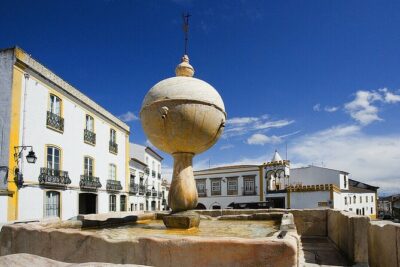
Private walking tour with tickets to main monuments
Read our review →
Private Day Tour With Guide to Évora and Monsaraz
Read our review →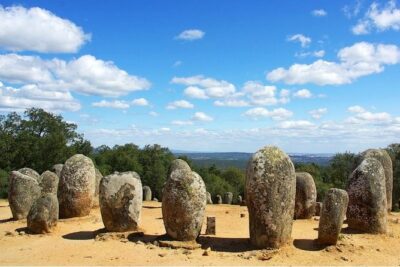
From Lisbon to Alentejo: Évora and Megaliths Full-Day Tour
Read our review →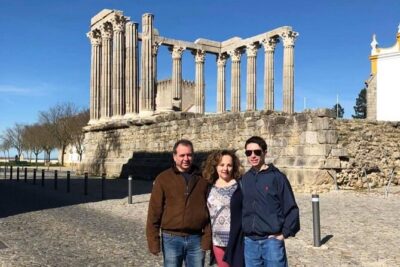

From Lisbon to Alentejo: Évora and Megaliths Full-Day Group Tour
Read our review →Browse the lists this tour appears in