
Reviewed · BELEM & JERONIMOS TOURS
Lisbon: Jerónimos Monastery Entrance Ticket
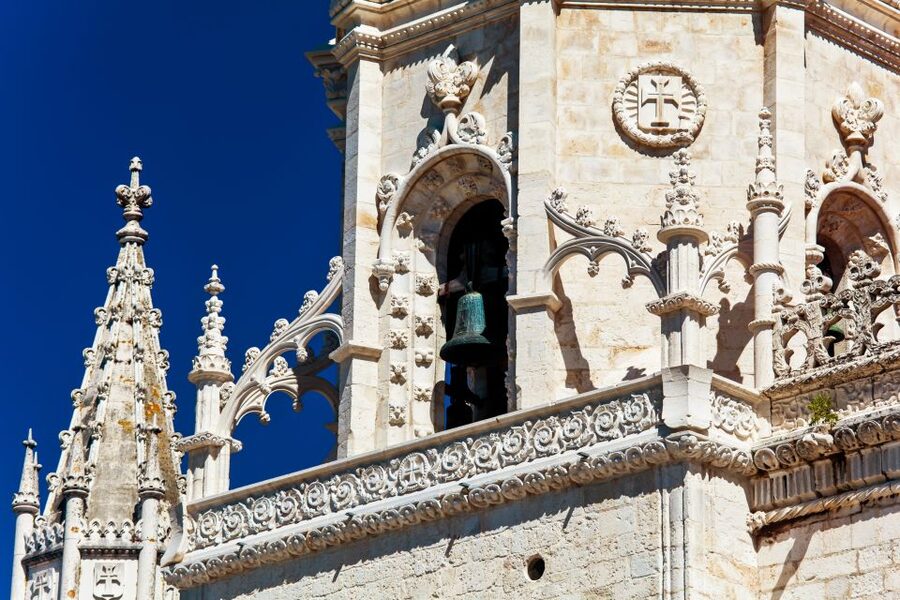
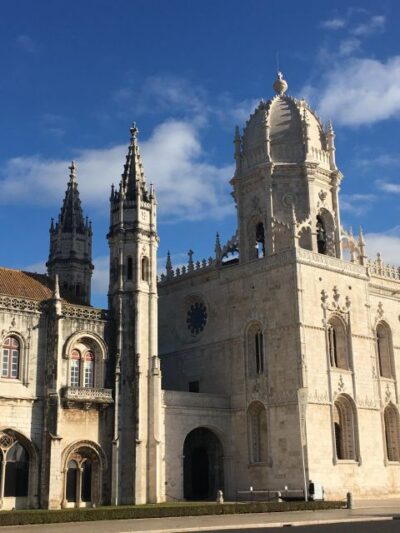
Jerónimos Monastery is the kind of place that makes you stop looking at your watch. Its Manueline stonework twists with ropes, plants, shells, and maritime symbols, while the two-level cloister gives you a calm, finely carved setting beside the Tagus. I like the chance to see a major Lisbon monument at your own pace, and I like how the visit fits naturally into a day in Belém.
I also like that a prepaid PDF voucher can get you into the ticketed monastery entrance without first buying at the ticket office. The main drawback is simple: a ticket does not guarantee a short wait. Lines can still run 15 to 30 minutes, an hour, or even 90 minutes in busy conditions, often in full sun.
Key points
- Admire Manueline architecture: Look closely at the carved maritime details, arches, columns, and delicate stone patterns.
- Visit a UNESCO World Heritage monument: The monastery dates from the late 15th century and is closely tied to Portuguese identity.
- See the cloister at your own pace: This is an entry ticket, not a guided tour, so you can linger where the architecture catches your eye.
- Plan for queues: Advance booking helps with the ticket process, but you may still wait outside before entering.
- Know what your ticket covers: The main attraction is the monastery and its cloister. Access to other areas can be limited by restoration or operating conditions.
- Pair it with Belém: The monastery sits in one of Lisbon’s most rewarding sightseeing areas, close to the Tagus and other major monuments.
Why Jerónimos Monastery Matters in Lisbon
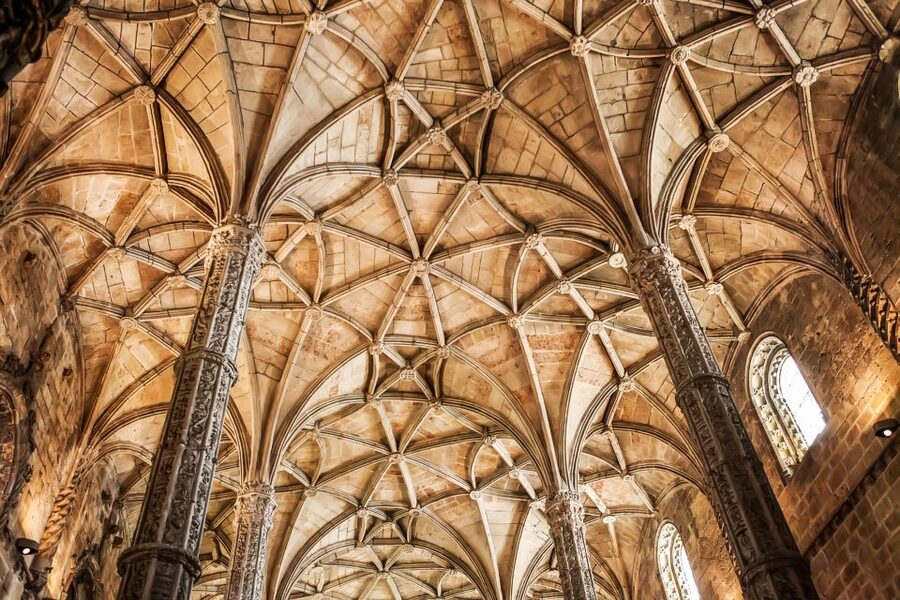
Jerónimos Monastery is not just an ornate old building. It is one of the clearest expressions of Portugal’s Age of Discoveries, when ships left the Tagus for Africa, Asia, and the Americas. King Manuel I commissioned the monastery in 1496 in honor of the Infante, reflecting his devotion to Our Lady and faith in St. Jerome.
The monastery was given to the monks of the Order of St. Jerome. That explains its common name, while its formal name, the Monastery of St. Mary of Belém, connects it to the neighborhood where it still sits.
This history gives the stonework extra weight. The ropes, knots, shells, plants, and nautical forms are not random decoration. They echo Portugal’s seafaring ambitions and the wealth that flowed into the kingdom during the period. You do not need a guidebook to enjoy the carvings, but knowing what they represent helps the building feel less like a pretty backdrop and more like a statement of national power.
The monastery also changed purpose over time. After religious orders were dissolved in 1833, the building served as a school and orphanage until 1940. In the 19th century, the church became a monument to Portuguese heroes and poets, including Vasco da Gama and Luís de Camões.
A few other Lisbon half-days worth a look
- Lisbon: Jerónimos Monastery E-Ticket and Audio Guide
★ 3.7 · 660 reviews - Lisbon: Belem Walking Tour with Jeronimos Monastery Ticket
★ 4.7 · 490 reviews - Lisbon: Belem, Jeronimos Monastery, and Coach Museum Tour
★ 4.8 · 478 reviews
Arriving With the PDF Voucher
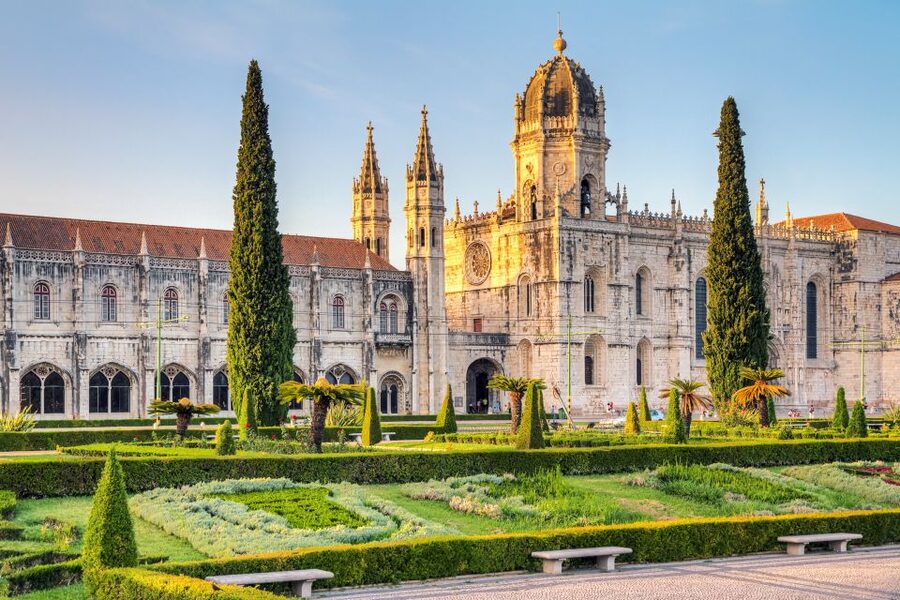
Your booking confirmation includes a PDF voucher. Present it at the monastery entrance rather than heading first to a ticket office. This makes the process easier, especially if official tickets are sold out, but you should not read skip the line into the arrangement.
The entrance area can be confusing because the queues for the monastery and church are separate. Follow the signs carefully, and ask staff if you are unsure. The monastery queue is generally on the left side, while the church entrance is separate. Larger signs would help, so do not assume the first line you see is yours.
The line often moves steadily. That does not always mean it moves quickly. On a quiet weekday, you might get through with little trouble. In summer, on weekends, around Christmas, or when large tour groups arrive, the wait can stretch to an hour or more. A prepaid voucher saves you the extra ticket-purchase step, but entry still depends on the flow of people inside.
Bring water and a hat on hot days. There may be little or no shade while you wait, and several visitors have faced long periods in direct sun. An umbrella can help on a very hot day, though it may be awkward in a crowded queue. If you are visiting in winter, bring a layer for the wait outside.
The Cloister Is the Main Event
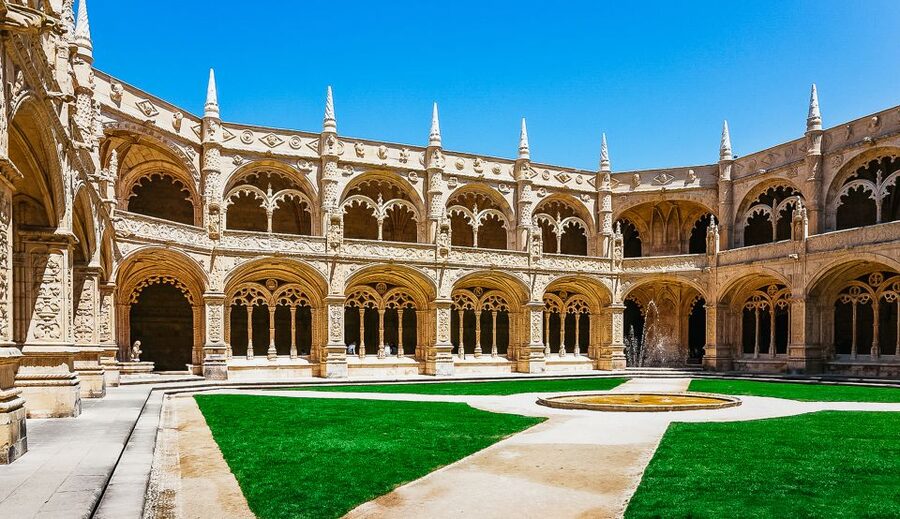
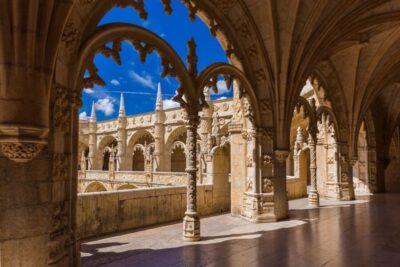
Once inside, head for the cloister. This is where the ticket earns its keep. The two-storey courtyard is lined with pointed arches, carved columns, patterned balustrades, and fine stone screens. Every corner gives you a new frame for photographs, but try not to rush from one angle to the next.
The lower level feels especially peaceful. Light filters through the arches and changes across the stone during the day. The courtyard is grand, yet the repeated arches give it a steady rhythm. You can walk the full circuit, pause to study the capitals, and look up at the upper gallery to see how the decoration continues above you.
I recommend taking one slow circuit before stopping for photographs. First notice the overall design: the balance of the courtyard, the height of the arches, and the way the monastery opens toward the sky. Then look for the smaller details. Manueline architecture rewards close attention, and the craftsmanship is easy to miss if you only search for the most obvious photo.
The monastery controls the number of people inside at times. That can mean a queue outside, but it also keeps the cloister from feeling completely packed. Inside, the atmosphere is often cooler and calmer than the street. Plan on roughly an hour to an hour and a half if you want to walk carefully and take pictures, though a quicker visit is possible.
What You Can and Cannot See
This ticket is best understood as access to the monastery’s architectural core, not a full tour of every room in the complex. The cloisters are the highlight, and the church may be accessible according to its separate opening hours and conditions.
That distinction matters. The building is large, but the public route can feel limited compared with its size. You are mainly admiring the two-storey cloister and the areas made available on the day. If you expect a broad museum-style visit with many furnished rooms and exhibits, the experience may feel short for the price.
Restoration can also affect access. Some parts may be closed temporarily, and the church has been closed during renovation periods. Check the current situation before you go if seeing the church is especially important to you.
The church opening hours are Tuesday through Saturday from 10:30 a.m. to 5 p.m. On Sundays and religious holidays, it opens from 2 p.m. to 5 p.m. The cloister is open Tuesday through Sunday from 9:30 a.m. to 5:30 p.m., with last entry at 5 p.m. The monastery is closed Mondays and on January 1, Easter Sunday, May 1, June 13, and December 25.
The ticket itself does not come with a guide, audio guide, or group commentary. That gives you freedom, but it also means the meaning behind the carvings is yours to uncover. If you want a fuller historical explanation, bring your own reading or consider a separate guided visit. For architecture lovers, the independence is a plus. For visitors who want a story at every stop, it is a limitation.
Same coastline, a completely different day out:
- Lisbon City Center Tour – The Unmissable Lisbon
★ 5.0 · 22,234 reviews - Lisbon: Sintra, Pena, Regaleira, Cabo da Roca & Cascais
★ 4.7 · 19,656 reviews - Lisbon: History, Stories and Lifestyle Walking Tour
★ 4.8 · 10,902 reviews - Lisbon: Sunset Boat Party Cruise with DJ and Open Bar
★ 4.5 · 10,378 reviews
Finding Vasco da Gama and Luís de Camões
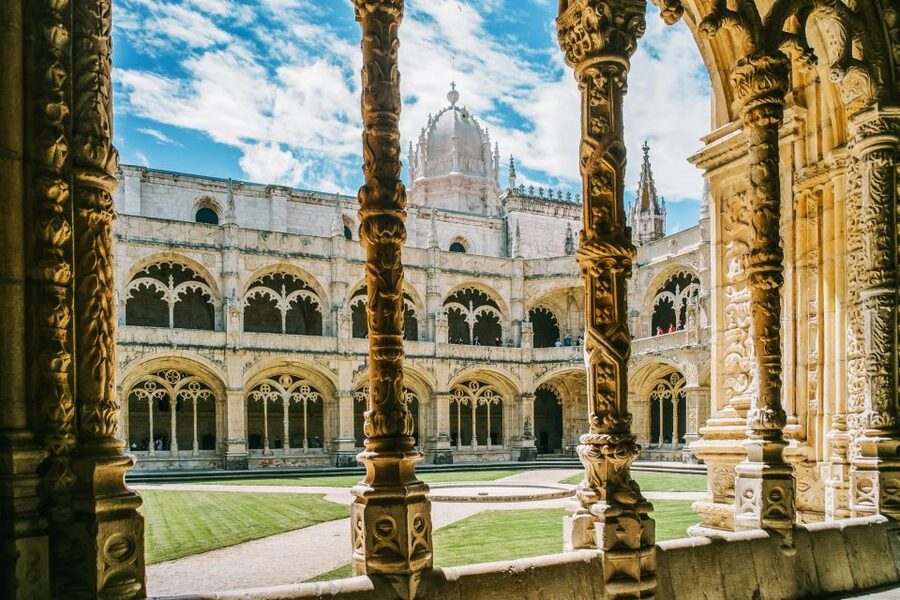
The church is important for more than its architecture. It contains the tomb of Vasco da Gama, the Portuguese explorer whose voyage to India became one of the defining achievements of the country’s maritime era. The monument is an especially moving stop if you have been visiting Belém’s other reminders of exploration.
Luís de Camões, Portugal’s great poet, is also honored here. His tomb gives the church a literary connection, balancing the military and seafaring associations of Vasco da Gama.
Access to the church can vary, and the church has had restoration closures. Check the operating hours on the day you visit. If it is open, allow time to look beyond the tombs and take in the church’s scale and religious setting. If it is closed, the cloister still provides the main architectural experience, but you will miss an important part of the monastery’s memorial role.
The separate queues can make the visit feel less straightforward. The church may have its own entrance process, and the monastery voucher does not turn the whole complex into one unrestricted route. Ask before joining a line, especially if you are trying to see both areas in a tight schedule.
How the $21 Price Holds Up
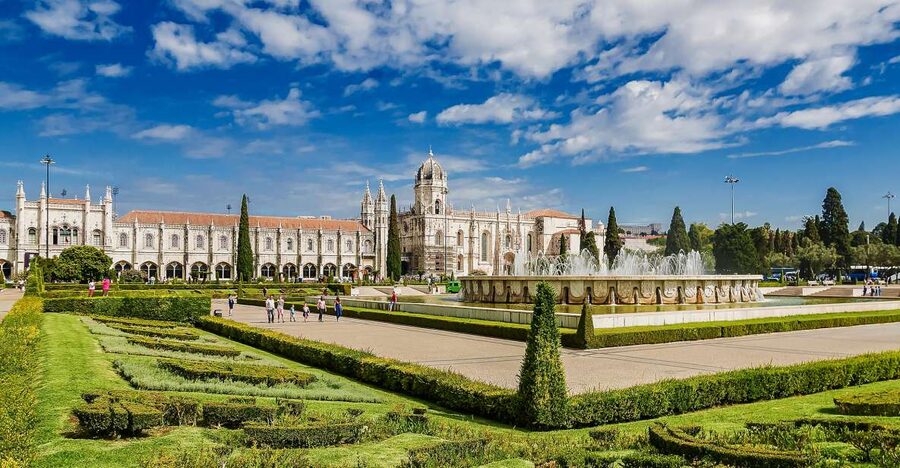
At $21 per person, this is not the cheapest short stop in Lisbon. The visit itself may last only around an hour or an hour and a half, and access is focused on the cloister rather than the entire building. A few visitors may feel the price is high for what they can see.
Still, the value depends on your schedule. If the official ticket source is sold out and you have limited time in Lisbon, paying more for a confirmed voucher may be worthwhile. Missing Jerónimos Monastery altogether would be a poor trade for saving a modest amount, especially if Manueline architecture is one of your reasons for visiting Belém.
The advance ticket also removes one task from your day. You can arrive with the voucher ready instead of first searching for a ticket window. That does not remove the security or entry queue, but it can make the first step less stressful.
The value is strongest for architecture fans, photographers, and first-time visitors who want to see one of Lisbon’s defining monuments. It is weaker if you dislike queues, want a guided history lesson, or expect access to many interior rooms.
Portugal residents receive free admission to national museums and monuments on Sundays and holidays. Admission is also free on the first Sunday of each month. Those rules can change the calculation completely, so check your eligibility and timing before buying.
Choosing the Best Time to Go
The busiest periods tend to be the warm months, weekends, and holiday dates. Summer waits can be uncomfortable because the queue may have little shade. A hat, water, and sunscreen are practical rather than optional on a hot day.
Several timing patterns are useful. Early arrival can help, but you may still need to wait before the opening process is complete. One January visit required arriving well ahead of a 10 a.m. slot, while other cold-season visits had very long queues around the Christmas period.
An afternoon weekday can sometimes be quieter. One July visit after 1 p.m. had no major line, though this is not a guarantee. If you choose the afternoon, watch the last-entry time carefully. The cloister stops admitting visitors at 5 p.m., and the church has its own hours.
Avoid arriving just as a large group is unloading. Group arrivals can quickly lengthen the queue. If you see the line building, use the time to confirm that you are in the correct monastery queue rather than the church line.
Accessibility and Practical Limits
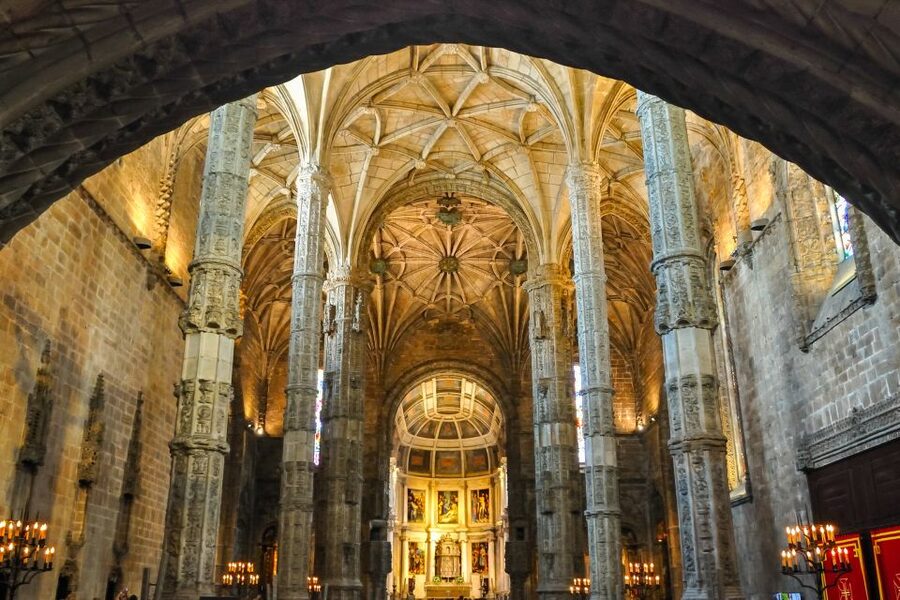
The site is wheelchair accessible in part, but not every area can be reached. Only the church and lower cloister are accessible to people with reduced mobility. If you need full access throughout the building, contact the attraction before purchase and plan around these limits.
Pets and smoking are not allowed. The activity is valid for one day, and the cancellation policy is non-refundable, so select your date with care.
Because this is a self-guided ticket, you can move at your own pace once inside. That works well for families and independent sightseers. It also lets you leave when you have had enough of the detail, rather than following a fixed group route.
The surrounding Belém area makes the ticket more useful. You can treat the monastery as one stop in a larger outing rather than travel across Lisbon for a single brief visit. The monastery’s setting near the Tagus and the open areas around Belém give you room to recover from the queue afterward.
Who Should Book This Entrance Ticket?
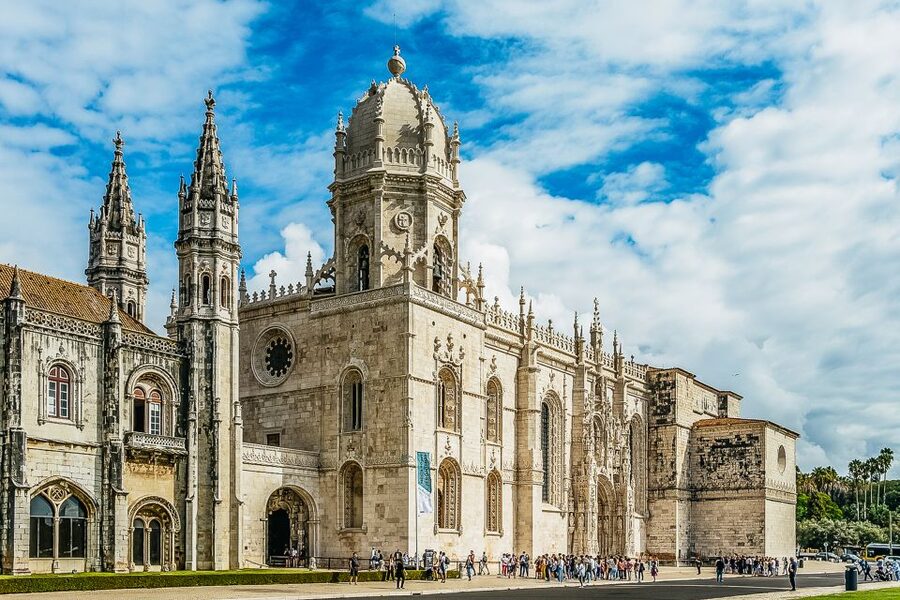
I would choose this ticket if you want a straightforward visit and already know you can explore without a guide. The cloister is visually powerful, and the Manueline detail gives you plenty to study even without a formal tour.
It also suits a short Lisbon stay. If your schedule is tight and official tickets are unavailable, the higher price may be a reasonable exchange for getting inside. Bring the voucher on your phone or as a PDF, and leave enough time for the queue.
I would hesitate if you need a fully narrated experience. There is no guide, and the ticket does not promise access to every part of the complex. I would also think twice if you are visiting on a very hot day and cannot comfortably wait outside without shade.
Should You Book It?
Book it if Jerónimos Monastery is high on your Lisbon list, especially for the cloister, Manueline carvings, and the chance to see Vasco da Gama’s tomb when the church is open. The architecture is the star, and it is genuinely worth making time for.
Do not book it expecting a true skip-the-line pass or a complete tour of the building. The voucher helps with admission, but long outdoor queues remain possible. For the best chance of a smooth visit, choose a quieter weekday, arrive prepared for sun or rain, confirm the church schedule, and allow at least 90 minutes if you want to look closely rather than hurry through.
FAQ
How much does the Jerónimos Monastery entrance ticket cost?
The ticket costs $21 per person.
How long is the ticket valid?
The ticket is valid for one day. Check availability for the available starting times.
Is this a guided tour?
No. This is an entry ticket, and no guide will be present during your visit.
How do I enter the monastery?
Present the PDF voucher included in your booking confirmation email at the monastery entrance.
Does the ticket let me skip the line?
No. You may still face a queue outside, even with an advance voucher. Waiting times can range from 15 or 30 minutes to an hour or longer on busy days.
What are the cloister opening hours?
The cloister is open Tuesday through Sunday from 9:30 a.m. to 5:30 p.m. The last entry is at 5 p.m.
What are the church opening hours?
The church is open Tuesday through Saturday from 10:30 a.m. to 5 p.m. On Sundays and religious holidays, it is open from 2 p.m. to 5 p.m.
Is Jerónimos Monastery wheelchair accessible?
The site is partly wheelchair accessible. Only the church and lower cloister are accessible to people with reduced mobility.
When is the monastery closed?
The monastery is closed on Mondays, January 1, Easter Sunday, May 1, June 13, and December 25. Non-refundable bookings should be made only after checking your date carefully.
New around Lisbon
- Arrábida, Setúbal, Sesimbra, Olive with wine tasting★ 5.0 · 75 reviews
- Lisbon: Sunset Sailing Boat Cruise with Wine★ 5.0 · 75 reviews
- Lisbon Half Day Private Tour★ 5.0 · 75 reviews
- Private Half Day Tour to Fatima from Lisbon★ 5.0 · 75 reviews
- Fátima, Nazaré and Óbidos Private Tour from Lisbon★ 5.0 · 76 reviews
- Central Lisbon 3-Hour Guided E-Bike Tour★ 4.8 · 76 reviews
- Lisbon Historic City Tour by Tuk-Tuk★ 5.0 · 76 reviews
- Sintra World Heritage and Cascais Village Private Deluxe Tour★ 5.0 · 76 reviews
Belem & Jeronimos Tours, compared.
Belem Walking Tour with Jeronimos Monastery Ticket
Read our review →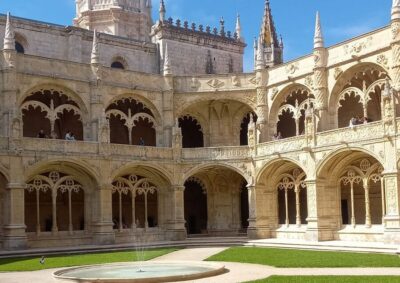
Belem, Jeronimos Monastery, and Coach Museum Tour
Read our review →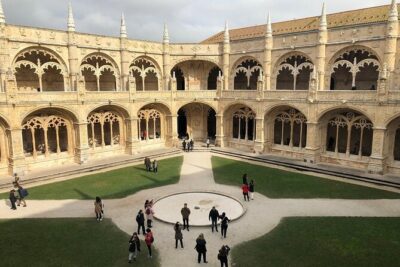
Belem and Jeronimos Monastery Guided Small Group Walking Tour
Read our review →
Belem Walking Tour with Jeronimos Monastery Entry
Read our review →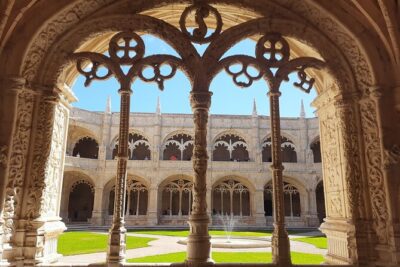
Belem Walking Tour with Jeronimos Monastery Tks Included
Read our review →
Browse the lists this tour appears in