
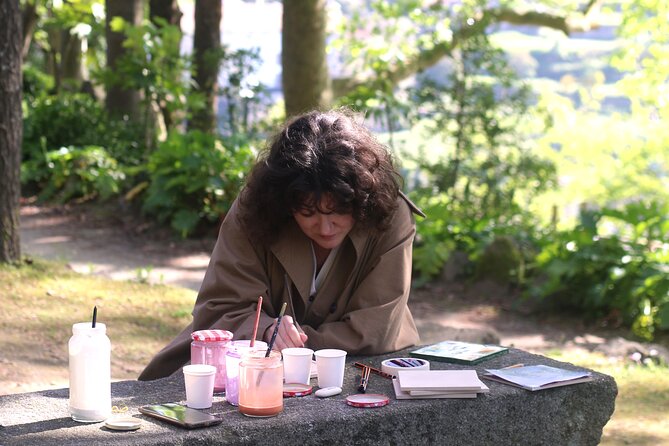
Reviewed · WORKSHOPS
Porto Tile Painting Workshop in artist studio
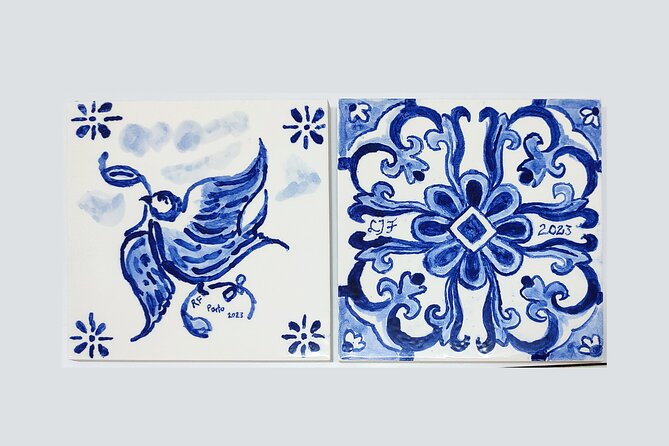
Porto’s famous blue-and-white tiles are more than pretty walls and church facades. In this hands-on artist studio workshop, you create one yourself, with artist Eglė guiding you through the design, painting, and glazing process. I like the choice between a kiln-fired traditional tile and a ready-to-carry acrylic version, and I like the 10 stencils that rescue anyone who claims to have no artistic talent.
The setting is personal rather than factory-like, and the two-hour session leaves room for tile history, practical instruction, and a look at Eglė’s own work. The main catch is timing: a traditional tile needs at least five business days before pickup, and shipping has caused delays for some people, especially to the United States.
At a glance
- Choose your finish: Traditional glaze gives you a kiln-fired ceramic tile, while acrylic paint is sealed and ready to take home immediately.
- Start with a stencil: Ten traditional designs make it easy to begin, even if drawing is not your strength.
- Meet artist Eglė: She teaches the process, shares examples from her own studio, and offers Porto suggestions during the session.
- Keep the group manageable: The workshop allows a maximum of 15 people, with smaller groups possible.
- Plan for the finished piece: Traditional tiles are picked up after five business days or mailed for €15 within Europe and $25 to the USA with tracking.
- Expect strong overall satisfaction: The experience has a 4.9 rating from 83 ratings, with 98 percent recommending it.
Why painting one Porto tile matters
Azulejos are part of Porto’s visual language. You see them on churches, railway stations, apartment fronts, and ordinary buildings, where repeated patterns turn a wall into something decorative and unmistakably Portuguese. A workshop gives you a better way to understand them than simply photographing another tiled facade.
I like that this is not limited to copying a standard souvenir. You can trace a traditional design, adapt one of the examples, or draw something of your own. The final tile keeps the small differences made by your hand, so it feels more personal than a printed tile bought in a shop.
The class also gives you a look at the process behind the finished surface. You learn about Portuguese tile styles and techniques, then work with the materials yourself. That connection between Porto’s public art and your own small piece is the real value of the experience.
A few other Porto half-days worth a look
- Porto: Pastel de Nata Pastry-Making Workshop
★ 4.9 · 1,542 reviews - Porto: Pastel de Nata Cooking Class with Port Wine – Sé
★ 4.8 · 888 reviews - Matosinhos: Surfing Lesson with Equipment
★ 4.8 · 704 reviews
Finding OKNAR. da Igreja de Cedofeita 27
The workshop begins and ends at OKNAR. da Igreja de Cedofeita 27, 4050-181 Porto. It is near public transportation, but the location is a little away from the busiest sightseeing paths, so allow time to find the studio rather than racing in from another appointment.
Your mobile ticket is accepted, and the workshop is offered in English. Confirmation arrives within 48 hours of booking, subject to availability. The group limit is 15, though the atmosphere can feel much more relaxed when fewer people attend. Some sessions have had only a couple of participants, while a group of nine also worked smoothly.
That range matters. If you prefer a quiet class with plenty of individual help, a smaller booking will suit you best. A full group may feel more social and lively, but you should not expect a private lesson in every session.
The first half hour: studio, tiles, and Portuguese design
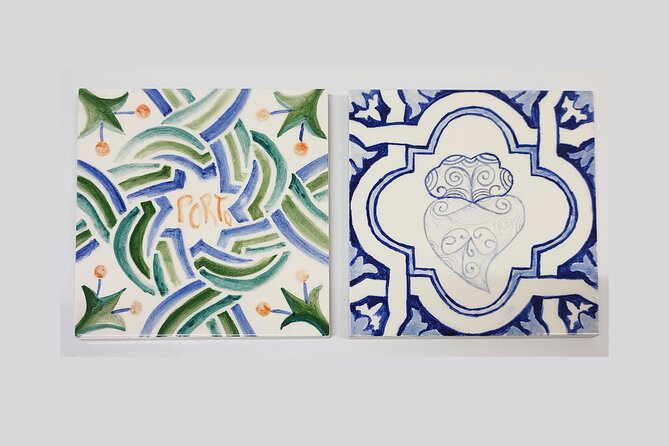
The session begins with an introduction to Portuguese tiles, including their history, styles, and basic techniques. Eglė also shows examples of her own ceramic work, giving you a sense of how much variety can come from a single square tile.
This opening is useful because it gives the activity a local connection. You are not simply painting a generic ceramic object. You are learning why certain patterns and colors feel at home in Porto, then choosing how closely you want to follow that tradition.
You receive one tile and access to the required materials, including a selection of colors. The instructor explains the options before you begin, so you can decide how much freedom and how much structure you want.
If you are unsure where to start, the 10 traditional stencils are the practical answer. You can trace a pattern in a few minutes, then spend your time choosing colors and adding your own brushwork. This works especially well for families and mixed-ability groups because nobody has to begin with a blank tile.
Choosing between glaze and acrylic paint
The most important decision is the finish.
With the traditional azulejo glazing method, you paint the tile with glaze and leave it at the studio for firing in the ceramic kiln. The kiln changes the finish and turns the workshop piece into a proper fired ceramic souvenir. You can collect it after five business days, or arrange mailing.
This is the better choice if you want the closest connection to traditional ceramic work and can plan around the wait. If your Porto schedule allows you to return to the studio, pickup avoids shipping costs and gives you one more quick stop in the city.
With the ready-to-go acrylic method, you paint with fast-drying acrylics. The tile is sealed with a protective varnish and can be collected as soon as the workshop ends. For a short visit, this is the sensible option. You leave with the finished object instead of worrying about another appointment, a parcel, or an international delivery.
The trade-off is simple. Pick glazing for the traditional kiln-fired process. Pick acrylic if immediate possession matters more than the firing stage. Ask about the exact choice when booking or at the start, since the two finishes serve different kinds of souvenir hunters.
Same coastline, a completely different day out:
- The Unvanquished Tour in Porto City Center
★ 5.0 · 26,497 reviews - From Porto: Douro Valley w/ Boat Tour, Wine Tasting & Lunch
★ 4.7 · 19,061 reviews - Complete Douro Valley Wine Tour with Lunch, Wine Tastings and River Cruise
★ 5.0 · 12,920 reviews - Porto: Six Bridges Cruise
★ 4.2 · 11,680 reviews
Designing a tile without artistic stress
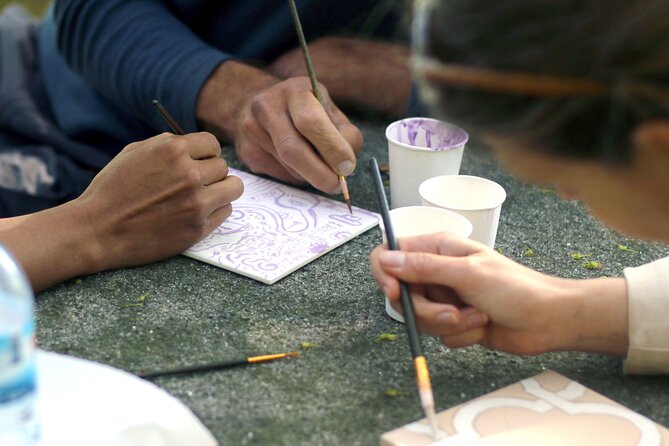
The strongest part of the class is the support for beginners. Eglė explains how to transfer a design and gives advice on brush technique, color choices, and the steps needed to complete the tile. You can follow a pattern closely or make changes as you go.
I would recommend deciding early whether you want a traditional look or something personal. A simple repeated motif is easier to finish neatly in two hours. A custom drawing can be more meaningful, but it may take longer to plan before the paint touches the tile.
The instructor’s teaching style is patient and flexible. She has helped hesitant painters, children, families, and people who arrived convinced they were not artistic. An eight-year-old has enjoyed the activity, and reluctant members of groups have ended up concentrating closely on their designs.
That is a good sign for families and couples with different interests. One person can work from a stencil while another creates a freehand design, and both can receive help at the same table. You do not need formal art training, but you should be ready to focus for much of the two-hour session.
A two-hour Porto activity with local conversation
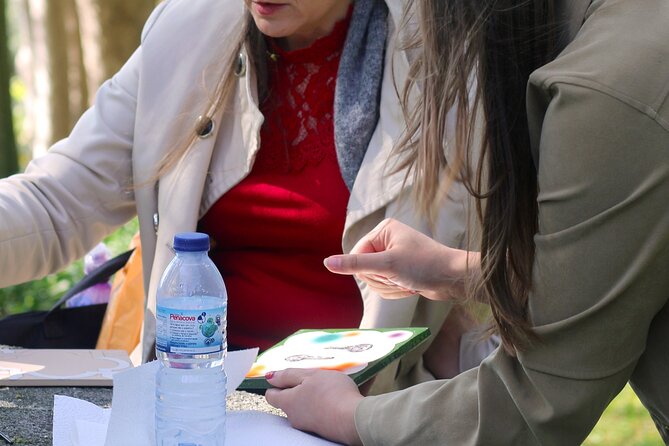
The painting takes up most of the workshop, but the experience is not silent craft time. Eglė talks about the tile process and often shares suggestions for places to eat and visit in Porto. The personal advice can be useful if you schedule this early in your stay, since you still have time to use her recommendations.
Several people have found the studio visit and conversation as valuable as the painting itself. You may see more of Eglė’s work, ask about life in Porto, and meet other people working on their own tiles. The small-group format makes this more social than a standard souvenir stop.
The pace is generally calm. You have enough time to choose a design, paint it, receive help, and finish the main work without being pushed through a quick demonstration. Still, two hours is not an unlimited art class. If you want an elaborate custom scene, start planning as soon as the design choices are explained.
What happens after you finish painting
The aftercare is where you need to pay attention.
An acrylic tile is sealed with protective varnish and ready for pickup right after the class. That makes it the safest choice if you are leaving Porto soon, moving through several cities, or do not want to pack an unfinished craft project.
A glazed tile goes into the studio kiln. Finished pieces can be collected after five business days. Some people have arranged pickup before leaving Porto, and the instructor has been flexible about timing in individual cases, but you should not assume that an early pickup will always be possible.
Shipping costs are listed as €15 to Europe and $25 to the United States with tracking. These charges are separate from the workshop price. The tiles have arrived safely in Germany when mailed, packed carefully and in good condition.
I would treat international shipping as the one part that needs extra planning. There have been cases of delayed delivery and slow communication after payment. One stated issue involved temporary tariff changes and a suspension of regular mail service from Portugal to the United States, with private couriers such as UPS still available at a higher cost.
If you need the traditional finish, ask clearly before painting:
- When will the tile be ready?
- Is pickup possible before you leave?
- What shipping method will be used?
- When will you receive tracking information?
If there is any doubt, choose the acrylic finish and take the tile with you.
Is $40.01 a good value?
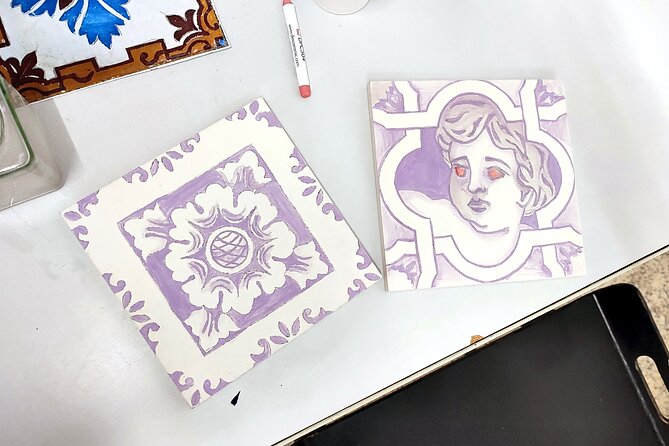
At $40.01 per person, this is not the cheapest way to spend two hours in Porto. You could buy a ready-made tile for less. But the price includes instruction, one tile, painting materials, access to the studio, and a personal object you designed yourself.
I think the price makes sense if you value the activity as much as the souvenir. You are paying for the time with an artist, the chance to try a Portuguese craft, and the help that turns a blank tile into something you can display. The value is weaker if your only goal is to bring home an inexpensive decoration.
The kiln-fired option may involve an additional shipping fee if you cannot return for pickup. That means the final cost can rise beyond the workshop price, especially for delivery to the United States. Add that cost before booking if your itinerary does not leave five business days in Porto.
For families, couples, and small groups, the price also buys a shared activity. You can compare patterns, help children choose colors, and leave with souvenirs that record the same afternoon in different ways.
Who should book this workshop?
I would choose this for:
- First-time visitors who want context: The workshop connects Porto’s tiled buildings with a craft you can try yourself.
- Families: The stencil choices and patient guidance work for children and adults with different skill levels.
- Couples and friends: You can paint side by side without needing the same design or artistic ability.
- Creative people who prefer local souvenirs: Your tile will show your choices and brush marks rather than looking mass-produced.
- Short-stay visitors: Choose acrylic and take the finished tile immediately.
- People staying several days: Choose traditional glazing and collect the fired piece after five business days.
I would think twice if you have no free time beyond the class, cannot arrange pickup, and strongly want a kiln-fired tile. Shipping is available, but the reported delays mean it is not as predictable as putting the tile in your luggage after an acrylic session.
Service animals are allowed, and most people can participate. Since the session is in English and takes place near public transportation, it is easy to fit into a normal Porto sightseeing day. The activity requires a minimum number of bookings, so a cancellation for lack of numbers may result in another date or a full refund.
Practical ways to get more from the session
Book this early in your Porto stay if you want Eglė’s city suggestions to shape the rest of your visit. It also gives you time to return for a kiln-fired tile, provided your stay is long enough.
Have a rough design idea ready, but do not over-plan. The stencils provide a good starting point, and the instructor can help you adjust an idea to fit the tile. A simple design with careful color choices will usually look better than an ambitious picture rushed at the end.
Read the confirmation details as soon as they arrive. The need to return for a fired tile or pay for mailing is important, and it is easy to miss if you assume the workshop price includes a finished object in your hand.
Finally, decide your finish before you become attached to a particular plan. Acrylic offers certainty and speed. Glaze offers the more traditional process, but it asks for patience and a little follow-up.
Should you book the Porto tile workshop?
I would book it if you want a creative break from churches, viewpoints, and café stops, especially if you enjoy bringing home something you made rather than something you bought. The 4.9 rating from 83 ratings and 98 percent recommendation figure fit the experience’s main strengths: patient teaching, easy designs for beginners, a personal studio setting, and a souvenir with real connection to Porto.
Choose the acrylic method for a short visit or a worry-free departure. Choose traditional glazing if you can stay five business days or are comfortable arranging delivery and checking the tracking. The workshop itself offers excellent value; the only weak spot is the wait and communication around mailed kiln-fired tiles.
FAQ
How long does the Porto tile painting workshop last?
The workshop lasts approximately two hours.
Where does the workshop begin and end?
It begins and ends at OKNAR. da Igreja de Cedofeita 27, 4050-181 Porto, Portugal.
Is the workshop offered in English?
Yes. The activity is offered in English.
Can I take my tile home immediately?
Yes, if you choose the ready-to-go acrylic technique. The acrylic tile is sealed with protective varnish and available for pickup after the workshop.
When can I collect a traditional glazed tile?
A traditional glazed tile is fired in a ceramic kiln and can be collected after five business days. It can also be mailed for €15 within Europe or $25 to the United States with tracking.
What is the cancellation policy?
You can cancel at least 24 hours before the local start time for a full refund. Cancellations or changes made within 24 hours are not refunded or accepted.
New around Porto
- Porto: City Bike Rental★ 4.6 · 75 reviews
- Fado Concert with Welcome Drink★ 5.0 · 75 reviews
- Boat Trip to Régua Through the Douro Valley with Breakfast and Lunch★ 4.5 · 76 reviews
- Porto City Tour Half Day – Private★ 5.0 · 77 reviews
- Port : Private Cruise in the Douro — 6 Bridges & Sunsets★ 5.0 · 78 reviews
- Porto Private Airport Departure Transfer★ 4.5 · 78 reviews
- Douro Valley Small-Group Tour: 2 Wineries, Lunch, Optional Cruise★ 5.0 · 78 reviews
- Half-Day Walking Tour Tasting Local Food in Porto★ 5.0 · 78 reviews
Workshops, compared.
Pastel de Nata Cooking Class with Grandma’s Recipe
Read our review →
Pastel de Nata Cooking Class with Port Wine – Sé
Read our review →



Browse the lists this tour appears in