
Reviewed · WORKSHOPS
Porto: Tile-Painting Workshop with Porto Wine – Bainharia
Porto’s painted tiles are more than pretty walls. They mark churches, train stations, shopfronts, and ordinary homes across the city. This two-hour workshop at Domus Arte lets you handle that tradition yourself, with a white tile, paint, design help, and a glass of port.
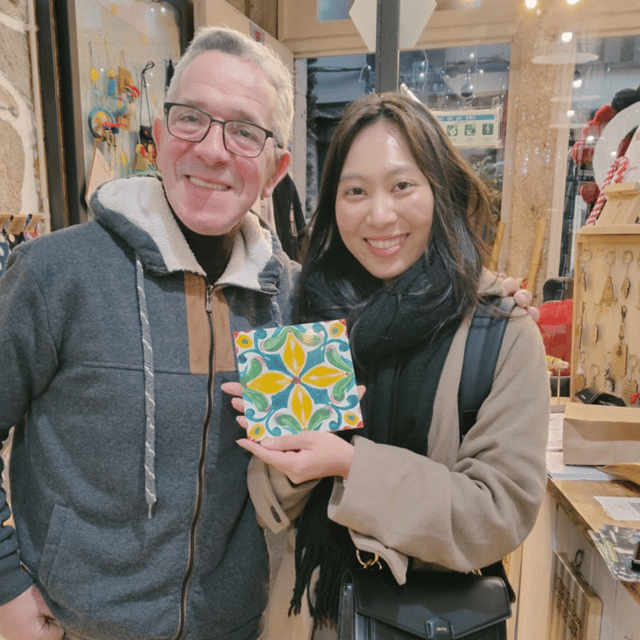
I like two things here: you get a real keepsake rather than a disposable souvenir, and the activity works for children, adults, solo visitors, and people who insist they are not artistic. Instructors such as Fernanda and Beatriz are patient, offer stencils and design advice, and explain the tile tradition without turning the session into a lecture.
The main catch is timing. You do not simply paint, walk out, and continue sightseeing with the finished tile in hand. You need to return after about two hours to collect it, or arrange pickup later, so leave room in your Porto schedule.
Key points to know before booking
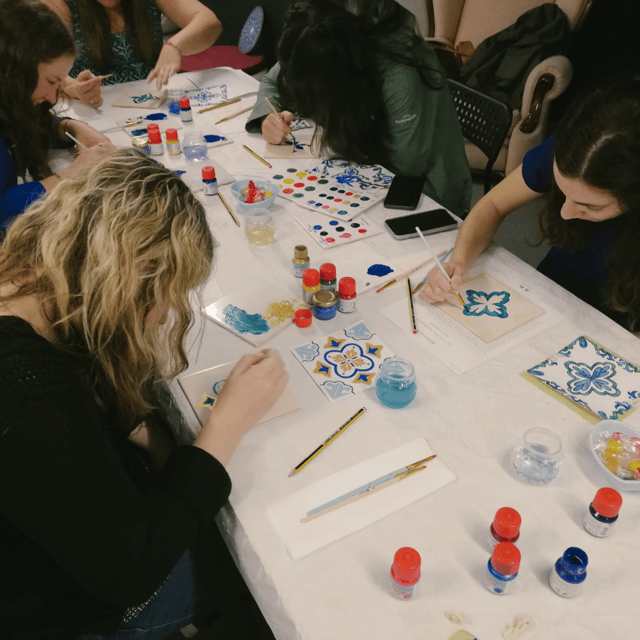
- Paint Porto’s famous azulejo style: Learn about the city’s tile tradition, then decorate a white tile using a classic design or your own idea.
- Fernanda and Beatriz get high marks for guidance: Both instructors are described as warm, patient, and helpful with tracing, colors, and technique.
- Port and biscuits are part of the experience: Your drink gives the workshop a distinctly Portuguese touch, while biscuits make the session feel relaxed and social.
- No art background is needed: Stencils, examples, and hands-on help make detailed patterns manageable for first-time painters.
- Plan for a second visit: Pick up your tile after the workshop, or later if that suits the schedule.
- Good for families and solo visitors: The calm format makes it easy to chat with other participants or focus quietly on your own design.
Why Porto tiles make a good hands-on souvenir
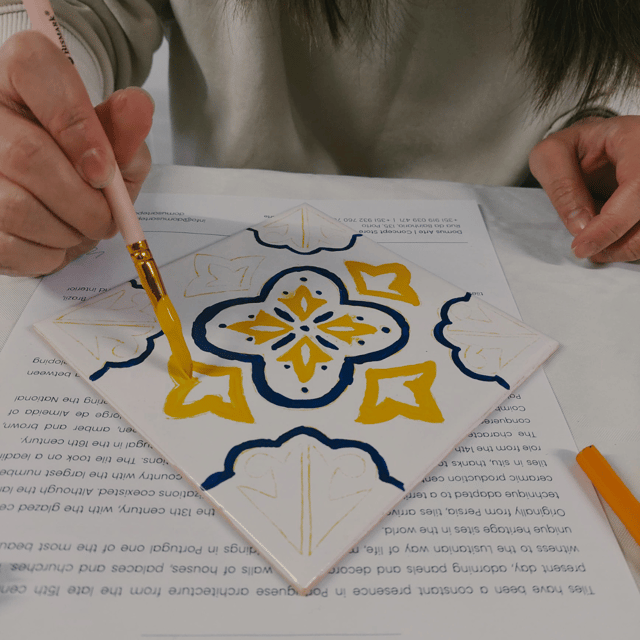
You will notice Portuguese tiles almost immediately in Porto. They cover facades in repeating patterns, frame doorways, and turn large walls into pictures. The Portuguese word azulejo usually refers to these decorated ceramic tiles, and their appeal comes from both the individual designs and the way hundreds of tiles work together as one surface.
A workshop gives you a useful connection to what you see outside. Instead of taking a quick photograph of a tiled church or house, you spend time looking at line, color, repetition, and shape. That makes the city’s tilework easier to notice later.
You begin with a short introduction to the history of tiles in Porto. It is not presented as a long formal class. You get enough background to understand why tiles matter in Portuguese art and architecture, then move quickly to the practical part.
I like this balance. You are not paying for a lecture with a small craft tacked onto the end. You learn a little, make something, and leave with a clearer eye for the tile designs around Porto.
A few other Porto half-days worth a look
- Porto: Pastel de Nata Pastry-Making Workshop
★ 4.9 · 1,542 reviews - Porto: Pastel de Nata Cooking Class with Port Wine – Sé
★ 4.8 · 888 reviews - Matosinhos: Surfing Lesson with Equipment
★ 4.8 · 704 reviews
Entering Domus Arte in Porto
The meeting point is Domus Arte, a concept store with a ground-floor space devoted to workshops and art exhibitions. That setting gives the activity a more purposeful feel than a craft table set up in a hotel or restaurant.
You meet the English-speaking instructor there and take a seat at the workshop area. The activity is built around conversation and guidance, so you can ask questions as you work. If you prefer to concentrate quietly, you can do that too.
The room is suitable for a relaxed afternoon or a rainy morning. Several people describe the session as calming, and that fits the format: you sit down, work with your hands, and follow a process that does not require rushing from one sight to the next.
Domus Arte is stroller accessible but not wheelchair accessible. Dogs are allowed. Those details matter if you are planning around mobility needs, a young child, or a pet.
Choosing a traditional pattern or your own design
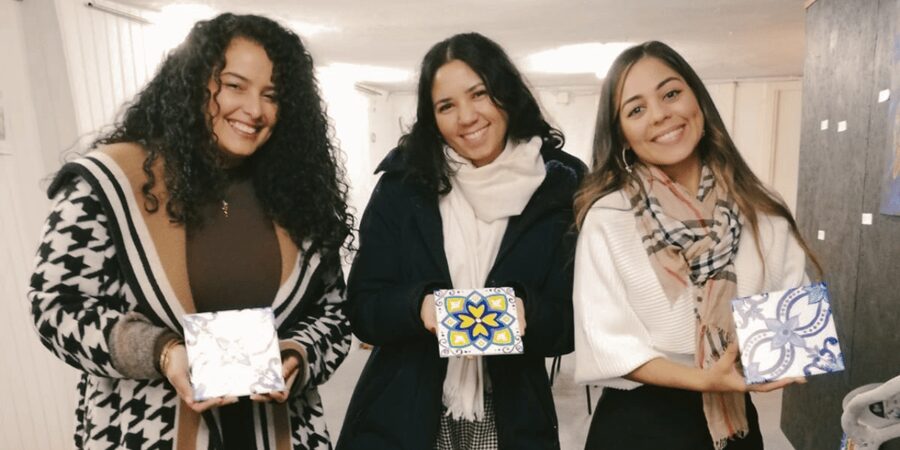
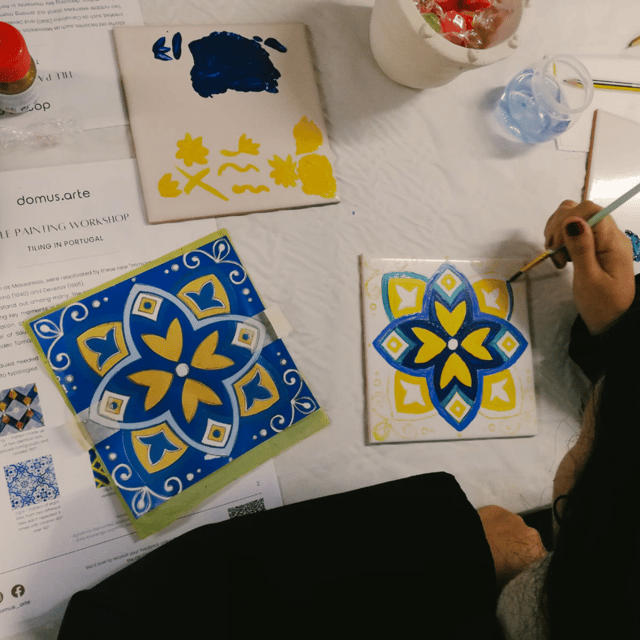
After the introduction, you receive a white tile. You can choose from pre-designed replicas of traditional Porto tiles, or create your own pattern if you have an idea in mind.
The replica designs are the sensible choice if you want a strong result without spending much time planning. You can use the available stencils and trace a pattern onto the tile. The instructor can help with the steps, suggest ways to place the design, and assist with mixing colors.
If you enjoy drawing, the open design option gives you more freedom. You can make something personal instead of copying a historic pattern. The choice also lets a family work at different levels: one person can use a simple stencil while another creates a more detailed design.
Do not worry if your artistic confidence is low. The class is designed for people with no prior experience. The guidance is practical rather than intimidating, and the instructors help without taking over your tile.
That is important. A craft activity can become frustrating when you are handed materials and left alone. Here, you get enough direction to feel capable, but still have room to make the design your own.
Painting with port, biscuits, and conversation
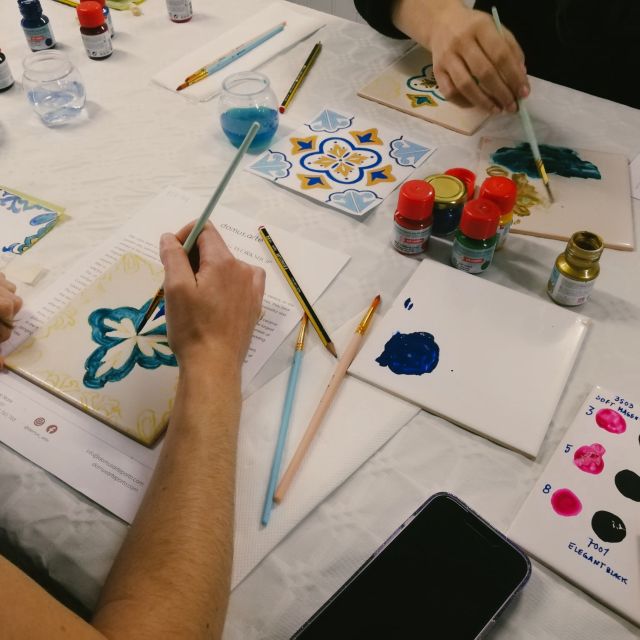
Once your design is selected or sketched, you begin painting. A glass of port is included, along with biscuits. The drink is a small detail, but it ties the activity to Porto and gives the workshop a pleasant local flavor.
You can expect a social atmosphere. People often chat while painting, and the format works well for meeting others from different countries. Solo visitors can join without feeling awkward, while couples and families can focus on their own tiles and compare progress.
The pace is gentle. You are not competing against the clock or trying to finish a complicated project in a few minutes. The instructor helps with color choices and technique, then lets you continue when you are ready.
Several participants describe the experience as relaxing, even when they arrived unsure about their artistic ability. That makes sense: painting a repeating pattern requires attention, but not the kind of intense concentration demanded by a timed class.
Families can also get a lot from it. Teenagers may prefer making an original design, while younger children can follow a stencil with help. One family of four, including two teenagers, found that everyone enjoyed the activity, even someone who was not keen on it beforehand.
Same coastline, a completely different day out:
- The Unvanquished Tour in Porto City Center
★ 5.0 · 26,497 reviews - From Porto: Douro Valley w/ Boat Tour, Wine Tasting & Lunch
★ 4.7 · 19,061 reviews - Complete Douro Valley Wine Tour with Lunch, Wine Tastings and River Cruise
★ 5.0 · 12,920 reviews - Porto: Six Bridges Cruise
★ 4.2 · 11,680 reviews
The instructors make the difference

The quality of instruction is central to this experience. Fernanda is praised for making the process fun, explaining tile history clearly, and helping beginners produce a tile they feel good about. She also gives people room to work independently.
Beatriz is described as warm, patient, and encouraging. Her guidance includes the history of Portuguese tiles, design suggestions, tracing help, and advice on color. If you are attempting an intricate pattern, her support can make the project feel manageable.
The best kind of craft teacher knows when to step in. You want help with a tricky line or color mix, but you do not want an instructor to produce the tile for you. The feedback here appears to follow that useful middle path.
English is the stated workshop language. That makes the history talk, demonstrations, and questions straightforward for English-speaking participants.
How the two-hour schedule works
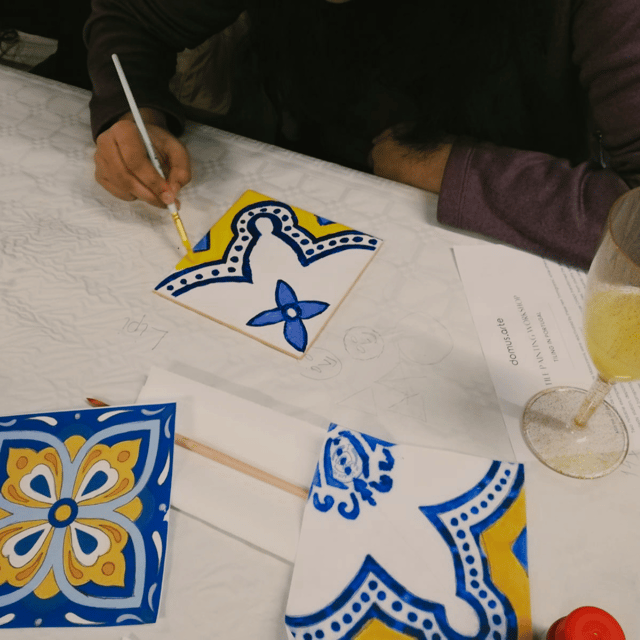
The workshop itself lasts two hours. That includes the introduction, design selection, painting, conversation, and the port break.
The schedule is long enough to create something considered rather than hurried. It is also short enough to fit between sightseeing plans, provided you account for the return visit to Domus Arte.
The collection detail deserves attention. You paint during the session, then return after about two hours to pick up the tile. The information provided for the activity describes this as a return after the workshop, while practical experience notes that collection may also be later or the following day.
For a relaxed itinerary, this is easy. You might schedule the workshop in the morning, explore the surrounding area afterward, and return when convenient. For a tightly packed day trip, it is less convenient. Check the exact pickup arrangement when you book and avoid scheduling a train, airport transfer, or fixed tour immediately afterward.
You should also check available starting times before choosing your day. The activity does not list one universal departure time.
Is $45 a fair price?
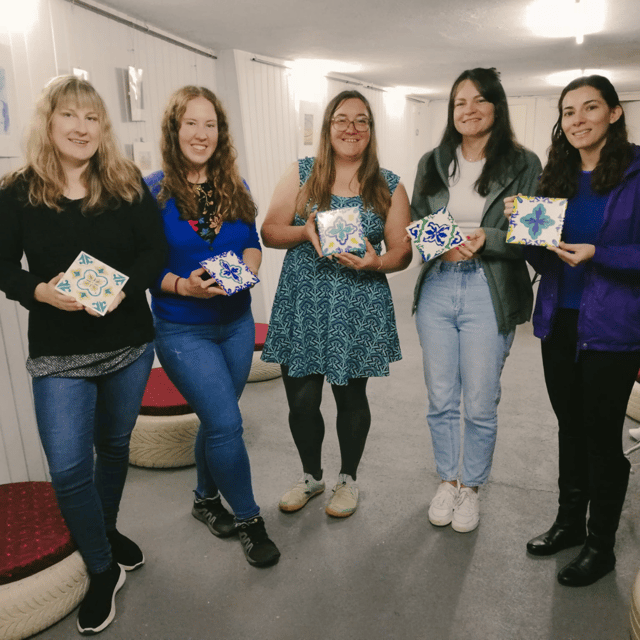
At $45 per person, this is not the cheapest souvenir activity in Porto. You are paying for more than a bare tile and a few paintbrushes, though. The price includes the two-hour workshop, an instructor, one painted tile, and a glass of port.
The value improves if you want an activity rather than a quick purchase. You receive instruction, learn about a local art form, spend a calm block of time indoors, and take home something you made yourself. The finished tile may not look like museum art, but its personal value is the point.
A shop-bought tile can be more polished and perhaps less expensive. It also has no story about the afternoon you spent making it. If you want a perfect decorative object, shop around Porto. If you want a souvenir connected to your own visit, the workshop makes a stronger case.
The included port and biscuits are a pleasant extra rather than the reason to book. The main value comes from the guided activity and the finished tile.
What makes this better than a standard Porto sightseeing stop
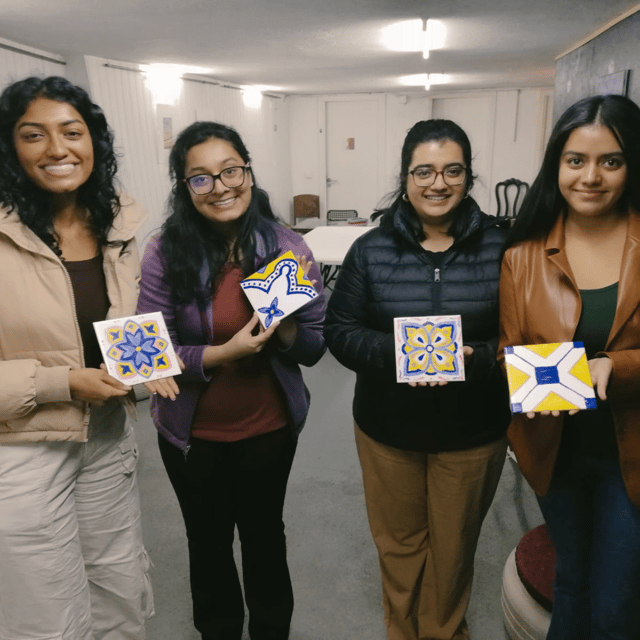
Porto offers plenty of sightseeing, and many of its best sights involve looking at tilework from the outside. This workshop slows you down and gives you a practical way to understand the craft.
You pay attention to how a design repeats across a square surface. You notice how a limited set of colors can create a detailed pattern. You also see why a small mistake does not ruin the whole idea. Handmade work has room for personality.
The activity also breaks up a busy city visit. Porto involves hills, cobbled streets, viewpoints, churches, and long walks. Two seated hours can be welcome, especially on a rainy or cold day.
I would not book it only because you need to fill time. The workshop is most rewarding if Portuguese art, souvenirs, or creative activities interest you. But it is a good alternative when the weather is poor or when your group needs a quieter part of the day.
Who should book this workshop
This is a strong choice for:
- Solo visitors: You can join an easy social activity without needing a companion.
- Couples: Painting two tiles gives you matching or contrasting souvenirs for home.
- Families: Children and adults can work at different skill levels, and the process does not demand previous experience.
- Rainy-day planners: The ground-floor workshop provides a calm indoor activity.
- People who like handmade souvenirs: Your tile carries a memory of Porto that a standard magnet cannot.
- First-time painters: Stencils and instructor support remove much of the pressure.
You might skip it if your schedule leaves no room for a return visit, if you need wheelchair access, or if you strongly prefer sightseeing over seated creative activities.
Practical details that affect your decision
The activity costs $45 per person and lasts two hours. The instructor speaks English, and all essential painting materials for the workshop are included.
Free cancellation is available up to 24 hours before the activity for a full refund. You can also reserve now and pay later, which helps if your Porto plans are still shifting.
The workshop takes place on the ground floor of Domus Arte. It is stroller accessible, but not wheelchair accessible. Dogs are allowed.
Wear something you can relax in while painting. The supplied information does not specify clothing protection or the exact cleanup arrangements, so you should treat the session as a hands-on art class rather than a formal dining experience.
Most important, protect the pickup time. Your painted tile is the souvenir you are working toward, and forgetting to return for it would undercut the whole point.
Final verdict: a personal Porto souvenir with a sensible pace
I would book this workshop if you want a small, friendly activity that connects directly to Porto’s tile tradition. The instruction from Fernanda or Beatriz, the choice between classic stencils and original designs, and the included port make the two hours feel complete.
The strongest reason to go is not the promise of producing a perfect tile. It is the chance to slow down, learn why Porto’s tiles matter, and make a keepsake with your own uneven lines and color choices.
Before booking, make sure you can return to Domus Arte for pickup and confirm that the access arrangements suit your group. If those details work, this is a well-priced cultural activity for solo visitors, couples, and families, especially on a rainy day or during a longer Porto stay.
FAQ
Where does the Porto tile-painting workshop take place?
The workshop takes place at Domus Arte, a concept store in Porto. The workshop and exhibition space is on the ground floor.
How long does the activity last?
The workshop lasts two hours. Starting times vary, so check availability when selecting your date.
Is the workshop suitable for beginners?
Yes. No prior painting experience is required. You can choose from pre-designed replicas of traditional Porto tiles, use stencils, or create your own design with instructor support.
What is included in the price?
The activity includes the tile-painting workshop, an instructor, one painted tile, and a glass of port wine. Biscuits are also provided during the session.
When do I collect my painted tile?
You return to Domus Arte to collect the tile after the workshop, described as about two hours later. Pickup may also be possible later or the following day, so confirm the arrangement when you attend.
Is Domus Arte wheelchair accessible?
No. Domus Arte is not wheelchair accessible, although it is stroller accessible. Dogs are allowed.
New around Porto
- Porto: City Bike Rental★ 4.6 · 75 reviews
- Fado Concert with Welcome Drink★ 5.0 · 75 reviews
- Boat Trip to Régua Through the Douro Valley with Breakfast and Lunch★ 4.5 · 76 reviews
- Porto City Tour Half Day – Private★ 5.0 · 77 reviews
- Port : Private Cruise in the Douro — 6 Bridges & Sunsets★ 5.0 · 78 reviews
- Porto Private Airport Departure Transfer★ 4.5 · 78 reviews
- Douro Valley Small-Group Tour: 2 Wineries, Lunch, Optional Cruise★ 5.0 · 78 reviews
- Half-Day Walking Tour Tasting Local Food in Porto★ 5.0 · 78 reviews
Workshops, compared.
Pastel de Nata Cooking Class with Grandma’s Recipe
Read our review →
Pastel de Nata Cooking Class with Port Wine – Sé
Read our review →



Browse the lists this tour appears in