
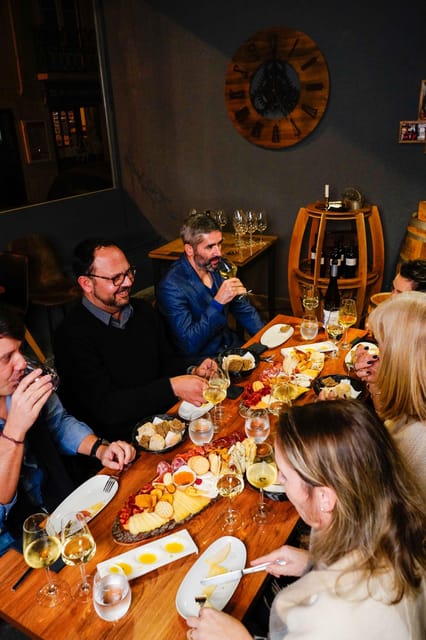
Reviewed · FOOD & DRINK
Lisbon: Premium Wine and Tapas Tasting Session
Portugal’s wine map comes to your table in one sitting here. This small-group tasting at Lisbon Winery moves from north to south through five Portuguese wines, many made by producers with fewer than 6,000 bottles on the market. You stay in one polished tasting room, but your glass travels widely.
I like the serious attention given to the food, especially the minimum 30-month cured pata negra ham and the five cheeses served alongside five Iberian pork sausages. I also like that the sommelier adjusts the wine selection to the group, the weather, and the mood rather than following a rigid script.
The main consideration is the word tapas. Expect a generous cheese and charcuterie spread, not a parade of small cooked dishes. At $100 per person, this is a premium tasting, and one recent visitor found the wine selection less impressive than expected. Still, the food, instruction, and rare bottles make it a strong choice for wine-focused visitors.
Key points before you book
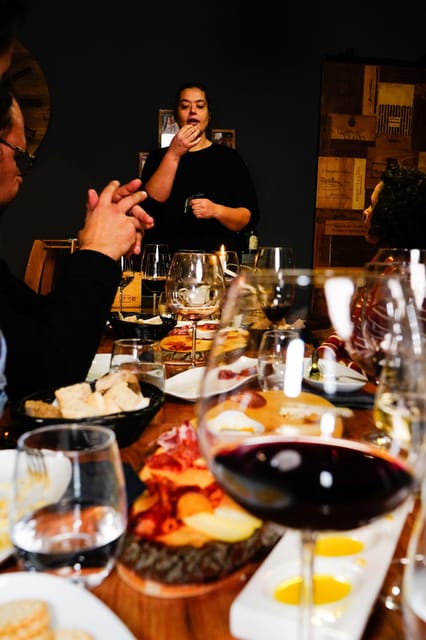
- Five hard-to-find Portuguese wines: Most selections come from small producers outside the big commercial market.
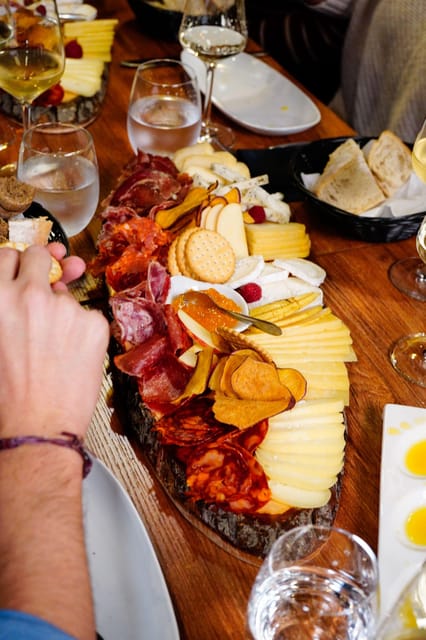
- A serious food pairing: You receive five artisan cheeses, five Iberian pork sausages, jams, and long-cured pata negra ham.
- One Lisbon location: This is a seated tasting at Lisbon Winery, not a walking tour with stops around town.
- Strong sommelier guidance: Guides including Thiago, Tiego, Adriana, Alex, and Andrea have been praised for clear, friendly instruction.
- A filling two hours: The generous portions can make this feel like part of dinner, not just a pre-meal sampler.
- Best for curious drinkers: You get more from the session if you want to understand Portuguese wine, not simply drink five glasses.
What happens inside Lisbon Winery
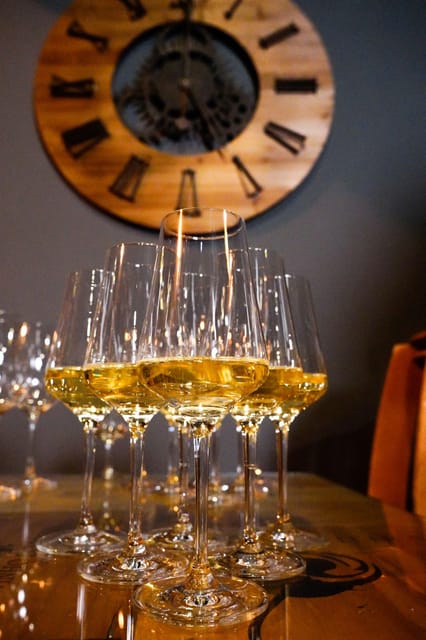
The experience lasts two hours and takes place entirely at Lisbon Winery. That point matters because the name and food focus might lead you to expect a moving tapas tour. You do not walk from bar to bar or visit several producers. You sit at the tasting center and let the sommelier do the traveling for you.
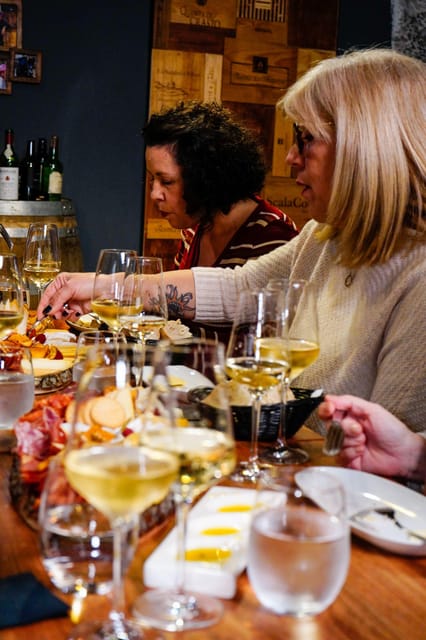
The setting is designed for wine tasting, with a polished atmosphere and shared tables. Small-group seating gives the session a social feel, though the exact table arrangement can vary. One past visitor shared a table with another couple, while other couples had separate tables.
Your instructor introduces the wines and explains how Portuguese regions and grapes differ. The teaching is intended for a general audience, so you do not need a strong wine background. I would still bring questions. The best part of this format is the chance to ask why one bottle tastes brighter, fuller, earthier, or sweeter than another.
The guides bring different personalities to the room. Thiago and Tiego have been singled out for their enthusiasm and command of the subject. Adriana has also led highly praised sessions, while Alex has explained olive oils, cheeses, and wine in a clear, generous way. The guide on your date may be different, but the experience is built around a personal sommelier presentation rather than a recorded talk.
A few other Lisbon half-days worth a look
- Winner 2025 Undiscovered Lisbon Food & Wine Tour by Eating Europe
★ 5.0 · 6,390 reviews - Lisbon: Food and Wine Small Group Walking Tour
★ 4.9 · 4,082 reviews - Lisbon Small-Group Food Tour with 18 Tastings in Alfama District
★ 5.0 · 1,967 reviews
Five wines from Portugal’s small producers
The wine flight is the heart of the session. You taste five Portuguese wines by the glass, with the selection changing according to the group, the outdoor temperature, and the tone of the day. That flexibility is useful if you prefer a more tailored introduction instead of a fixed list that ignores your tastes.
The wines are selected from across Portugal, so the session works like a compact tour from the northern regions to the south. You may taste styles that are difficult to find in ordinary shops or restaurant lists. Many of the bottles served have fewer than 6,000 bottles in circulation, which gives the tasting a sense of discovery without requiring a trip into the countryside.
This focus on small producers is valuable for two reasons. First, you get a better idea of how varied Portuguese wine can be beyond familiar supermarket labels. Second, smaller production often lets the sommelier tell a more specific story about the wine, the maker, and the place behind it.
The selection is not promised to be identical from one day to the next. That is good for repeat visitors, but it means you should not book with one particular bottle in mind. You are buying the quality and guidance of the tasting rather than a guaranteed list.
The session can include more than still wine. Port is part of the conversation, and past tastings have included tawny and ruby styles, including a memorable 20-year tawny for some groups. One couple received help choosing a tawny and a ruby Port to take home. Another session included Portuguese espumante opened especially for the group.
Those extras are not listed as guaranteed parts of every tasting, so think of them as possible additions rather than promises. If Port interests you, tell your sommelier. The staff can help you compare styles and make a sensible choice for a bottle to bring home.
One useful caution: premium does not always mean every wine will suit every palate. A visitor who expected stronger bottles felt the wine flight fell short of the premium label. Taste is personal, and a small-producer focus can mean unusual flavors rather than universally easy drinking. I see that as a reason to stay open minded, not a reason to expect five grand cru moments.
A charcuterie board that can replace dinner
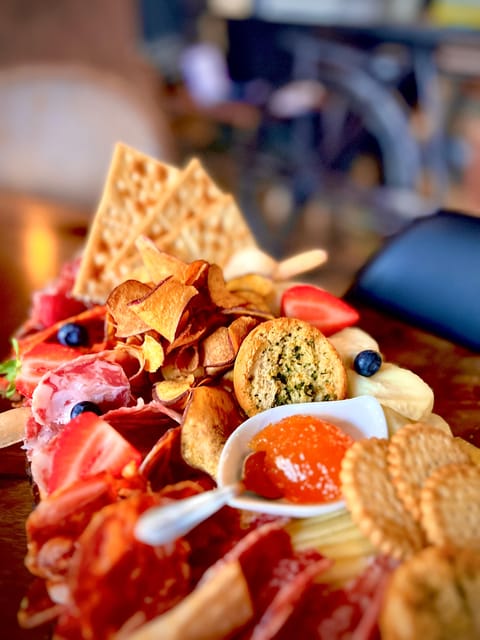
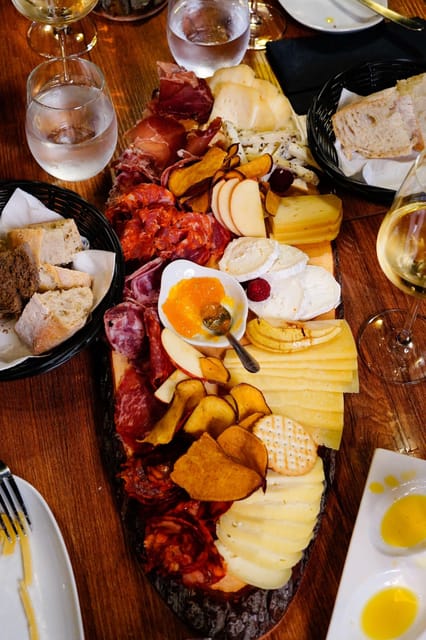
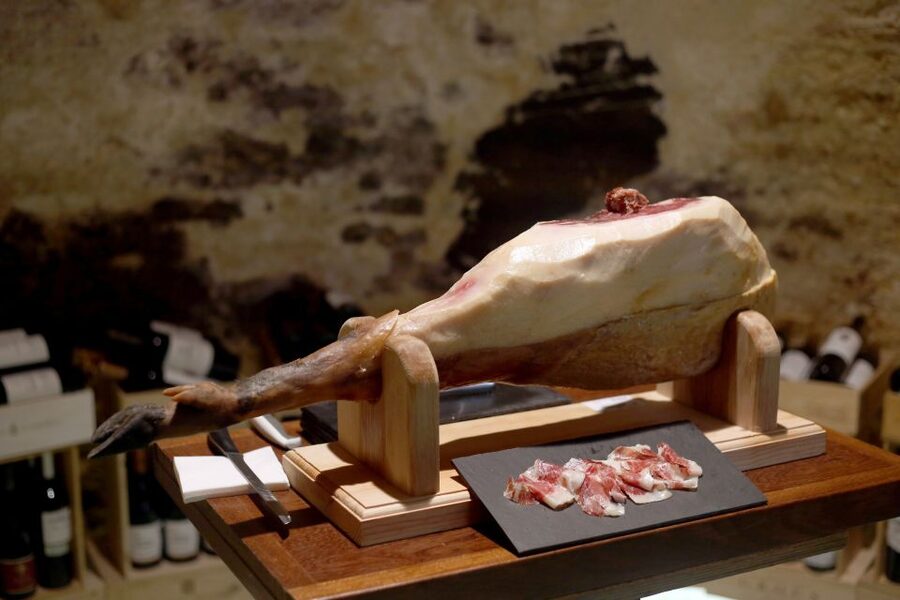
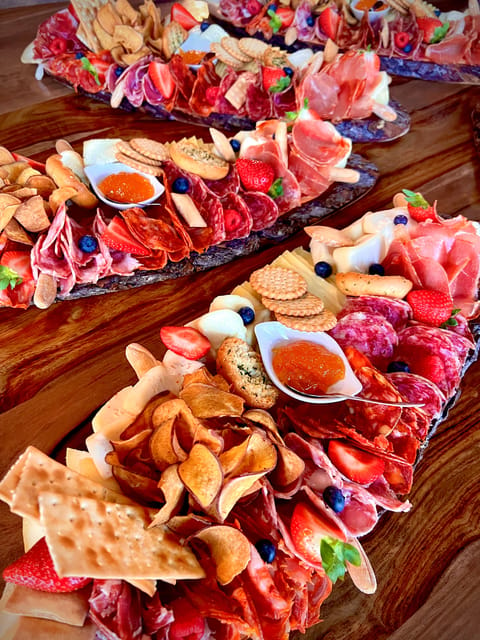
The food is more substantial than the phrase tasting session suggests. You receive five varieties of artisan cheese, five Iberian pork sausages, traditional jams, and pata negra ham cured for at least 30 months. Olive oil, bread, and other Portuguese specialties have also appeared during past sessions.
The pata negra is the item to watch. This is not ordinary deli ham. Long curing produces a firm, concentrated flavor, and it gives the sommelier a strong partner for wines with body and depth. Take small bites and taste it with the wine rather than eating it all at once.
The cheeses give the flight needed contrast. A white wine may work best with a milder or creamier cheese, while a fuller red can handle a firmer, saltier piece. The pairings are not just decoration on a board. They show how salt, fat, acidity, and sweetness change your impression of a wine.
The Iberian sausages add another layer. You can expect plenty of meat, so this is not the right pick if you want a mostly vegetable-based tasting or a menu built around hot dishes. One visitor specifically noted that the food was charcuterie rather than what she understood as tapas. That is a fair warning.
Port and jam can make the final pairing feel almost dessert-like, though dessert is not guaranteed. One past visitor expected a sweet course and did not receive one, while also noting that the generous food had already made the group quite full. Plan this as a substantial snack or light dinner.
I would avoid booking a full meal immediately afterward. Some sessions have run longer than the advertised two hours, and the amount of food can be enough to carry you into the evening. You may leave wanting another drink, but not necessarily another plate.
Why the sommelier makes the difference
Wine tasting can become a dull exercise in names and tasting notes. Here, the guide is the part that turns five pours into a useful lesson. The strongest sessions are led by someone who can explain the wine in plain language, answer questions, and adjust the pace to the table.
Past guides have helped participants understand Portuguese wine, cheese, olive oil, and Port without making the session feel like a lecture. The best comments describe an enthusiastic host who explains clearly and takes time to understand what the group likes instead of pushing a preset list.
That personal approach is especially helpful if Portuguese wine is new to you. Portugal has many regions and grape varieties that may not be familiar from home. You do not need to remember every name. Focus on what you like, then ask the sommelier how to find similar bottles elsewhere in Portugal.
The session can also be a good bridge between food and drink. A sommelier can show you why a sausage makes a red taste softer, why ham can make a wine seem sharper, or why jam works with a fortified wine. Those small discoveries are more useful than memorizing a string of producer names.
The social setup is part of the appeal. You may share a table with other people, which can make the evening feel relaxed and communal. If you prefer a completely private tasting, do not assume that is included. The format is small group, not necessarily private.
Same coastline, a completely different day out:
- Lisbon City Center Tour – The Unmissable Lisbon
★ 5.0 · 22,234 reviews - Lisbon: Sintra, Pena, Regaleira, Cabo da Roca & Cascais
★ 4.7 · 19,656 reviews - Lisbon: Jerónimos Monastery Entrance Ticket
★ 4.1 · 14,164 reviews - Lisbon: History, Stories and Lifestyle Walking Tour
★ 4.8 · 10,902 reviews
Is $100 per person good value?
At $100 per person, this is not a bargain tasting. It is priced as a premium food and wine experience, and you should compare it with the cost of buying five quality bottles, a full charcuterie selection, artisan cheeses, and professional instruction in Lisbon.
The value is strongest if you care about small-production wines and want help making sense of them. The five pours are not merely standard commercial labels, and the food portions are generous. Add the sommelier’s guidance and the central, comfortable setting, and the price can make sense for a special evening.
The value is weaker if you mainly want a quick drink or a cheap introduction to Portuguese wine. You could spend less at a wine bar, especially if you do not care about rare bottles or detailed pairing. You also may not appreciate the session if your idea of tapas means several hot plates rather than meat and cheese.
I would book it as a planned highlight, not as a casual stop between attractions. The food can function as dinner, the session may stretch beyond two hours, and a good guide can help you identify bottles to seek out during the rest of your Portugal trip.
Timing, pace, and practical details
The stated duration is two hours, but allow extra time if you have a later reservation. One past session lasted close to three hours, and another expanded into a much longer evening with additional wines and Port. That may be welcome, but it can create a problem if you have tickets or a dinner booking that cannot move.
The activity is conducted in English. The sommelier leads the tasting, explains the wines and pairings, and keeps the group moving through the flight. Starting times vary, so check availability when booking.
You can cancel up to 24 hours in advance for a full refund. The reserve now and pay later option lets you hold a place without paying at once, which is useful while you are still arranging your Lisbon schedule.
Because everything happens at Lisbon Winery, you do not need to plan transport between tasting stops. That saves time and keeps the focus on the food and wine. The tradeoff is that you will not see vineyards, cellars, or several neighborhoods. This is an indoor tasting center experience.
Who will enjoy this most?
I would recommend it to wine-curious visitors who want more than a standard commercial flight. It suits couples, small groups, and solo visitors who enjoy sharing a table and talking about what is in the glass.
It is also a good fit for food-focused visitors. The long-cured ham, cheeses, sausages, jams, and possible olive oil pairings give you a strong introduction to Portuguese products. You can ask where to find similar items during your stay, though the tasting itself remains in one place.
This may not suit you if you want a walking tour, a scenic vineyard outing, or a menu based on cooked tapas. It is also a poor choice for anyone avoiding pork or dairy, since the supplied food centers on both. The provided information does not describe alternative menus, so ask before booking if dietary needs matter.
Families with young children may find the two-hour wine format less useful, though no age policy is specified here. The experience is clearly aimed at adults who want to taste and learn.
My verdict on the Lisbon Winery tasting
Book this if you want a polished introduction to Portuguese wine with food substantial enough to count as dinner. The small-producer selection, possible Port additions, and long-cured pata negra make it more distinctive than a basic three-glass tasting.
Go in with realistic expectations. The wines are chosen for the group and may be unfamiliar rather than instantly lovable. The food is charcuterie-led, not a string of cooked tapas, and the evening may run longer than two hours.
For me, the strongest reason to choose it is the sommelier. Guides such as Thiago, Tiego, Adriana, Alex, and Andrea have made the format personal, clear, and fun. If you want to leave Lisbon knowing which Portuguese wines you actually enjoy, and why, this is a worthwhile splurge.
FAQ
Where does the tasting take place?
The tasting takes place at Lisbon Winery in Lisbon. It is held in one location and is not a walking tour with several stops.
How long does the experience last?
The scheduled duration is two hours. Extra time may be possible, and some past sessions have lasted longer, so avoid booking another fixed appointment immediately afterward.
How many wines are included?
You receive five Portuguese wines by the glass. The selection changes depending on the group, the weather, and the mood of the day.
Are the wines from small producers?
Yes. Most of the wines are selected from outside the major commercial market, and many have fewer than 6,000 bottles available.
What food is included?
The tasting includes five artisan cheeses, five Iberian pork sausages, traditional jams, and pata negra ham cured for at least 30 months. Olive oil, bread, and other items have also been served during some sessions.
Is Port included?
Port may be included as part of the tasting experience, but the guaranteed inclusion is five Portuguese wines by the glass. Past sessions have included tawny and ruby Port, including older tawny Port.
What language is the tasting conducted in?
The instructor leads the activity in English.
Can I cancel for a refund?
You can cancel up to 24 hours in advance for a full refund. You can also reserve now and pay later to keep your plans flexible.
New around Lisbon
- Arrábida, Setúbal, Sesimbra, Olive with wine tasting★ 5.0 · 75 reviews
- Lisbon: Sunset Sailing Boat Cruise with Wine★ 5.0 · 75 reviews
- Lisbon Half Day Private Tour★ 5.0 · 75 reviews
- Private Half Day Tour to Fatima from Lisbon★ 5.0 · 75 reviews
- Fátima, Nazaré and Óbidos Private Tour from Lisbon★ 5.0 · 76 reviews
- Central Lisbon 3-Hour Guided E-Bike Tour★ 4.8 · 76 reviews
- Lisbon Historic City Tour by Tuk-Tuk★ 5.0 · 76 reviews
- Sintra World Heritage and Cascais Village Private Deluxe Tour★ 5.0 · 76 reviews
Food & Drink, compared.
Douro Valley w/ Boat Tour, Wine Tasting & Lunch
Read our review →
Winner 2025 Undiscovered Lisbon Food & Wine Tour by Eating Europe
Read our review →
Cálem Cellar Tour, Interactive Museum & Wine Tasting
Read our review →
Douro Valley Small-Group Tour with Wine Tasting, Lunch and Boat
Read our review →

Browse the lists this tour appears in