
Reviewed · FOOD & DRINK
Porto: Taylor’s Port Cellars & Tasting
Taylor’s Port Cellars gives you two good experiences for one ticket: a walk through 300-year-old aging cellars and a relaxed tasting in a garden above the Douro. The audio tour lets you linger over the parts that interest you, skip repeated material, and move at your own speed.
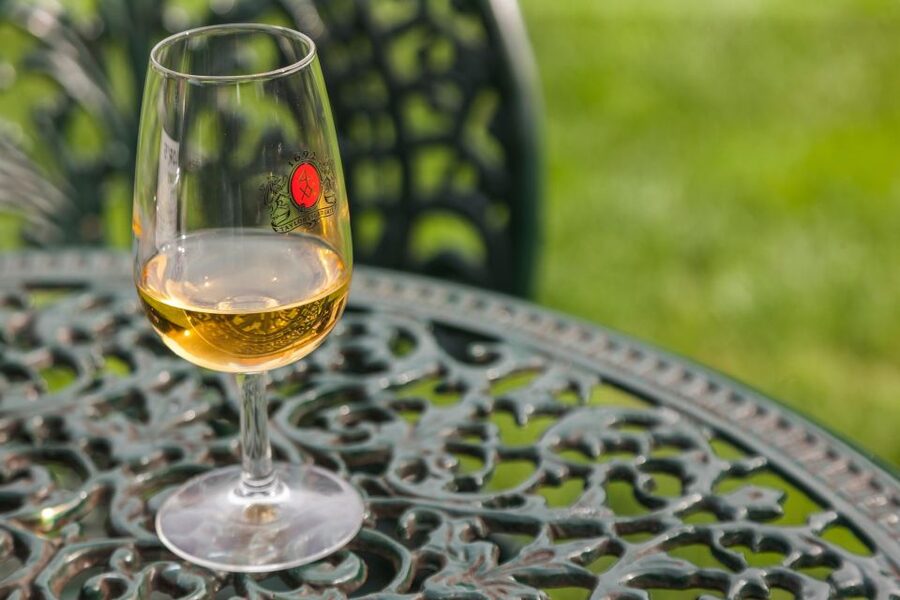
I especially like the three different Port styles at the finish and the setting of the tasting area. You get a crisp white Port, a fruitier Late Bottled Vintage, and a nutty 10-year Tawny, with a staff member explaining each glass. The views over Porto and the free photo stop beside a large vat add a bit of fun.
The main drawback is the uphill approach from central Porto, and the cellars have steep or uneven surfaces. Allow about two hours if you want to hear most of the audio, and bring a light layer because the barrel rooms are cool.
Key points to know before you book
- Three distinct tastings: Chip Dry Extra Dry White, Late Bottled Vintage, and 10-year Tawny are included.
- A flexible audio visit: You explore alone with a handheld guide in 13 languages, stopping and replaying sections as needed.
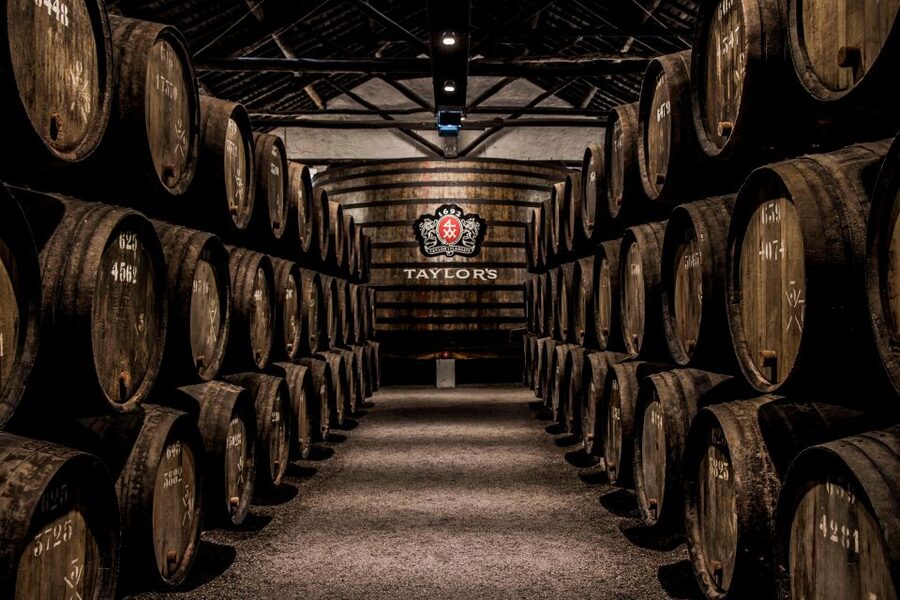
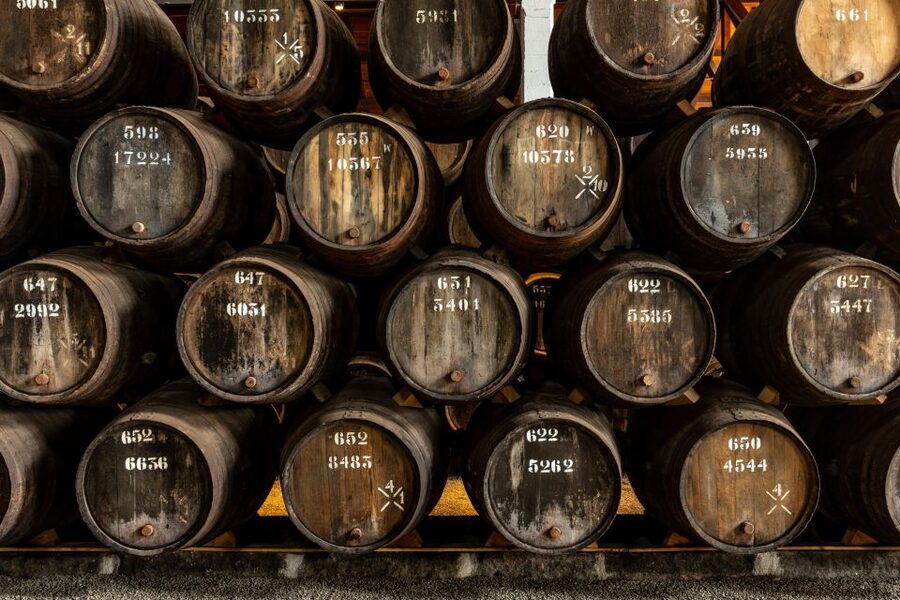
- A working cellar, not just a display: You walk among large casks and barrels in the cool, aromatic aging rooms.
- A fine finish outdoors: The tasting takes place in Taylor’s garden, with views toward Porto.
- A steep Gaia location: The address is uphill in Vila Nova de Gaia, so a taxi may be easier than walking.
- Good value at $29: The ticket includes the cellar visit, audio guide, three glasses of Port, and grape juice for children.
Why Taylor’s Cellars makes a strong first Port visit
Port can seem simple until you taste different styles side by side. Taylor’s uses this visit to show you that Port is not one heavy, sweet drink, but a family of wines with different colors, textures, and uses.
Taylor’s was founded in 1692 and is one of the old Port houses associated with the early trade. The story here reaches beyond a brand timeline. You learn about the Douro Valley, the grapes, the production process, and the work involved in bringing wine from the inland valley to Gaia for aging.
That context matters because the cellars are in Vila Nova de Gaia, across the river from Porto. The wine is made from grapes grown in the Douro, but Gaia became the traditional place for Port to mature. The cool conditions and riverside location helped shape the trade, and the tour explains how the two sides of the river fit together.
I find the visit most useful for someone who has tasted Port but never understood the labels. Taylor’s role in the first Dry White Port and in creating Late Bottled Vintage gives you a clear reason to pay attention to those styles at the tasting.
A few other Porto half-days worth a look
- From Porto: Douro Valley w/ Boat Tour, Wine Tasting & Lunch
★ 4.7 · 19,061 reviews - Porto: Cálem Cellar Tour, Interactive Museum & Wine Tasting
★ 4.5 · 4,113 reviews - Douro Valley Small-Group Tour with Wine Tasting, Lunch and Boat
★ 5.0 · 3,642 reviews
Entering the cool, aromatic barrel rooms
The visit starts at Taylor’s Port Cellars, Rua do Choupelo, number 250, in Vila Nova de Gaia. Once inside, you receive a handheld audio device and follow numbered sections through the building.
This is not a guide-led group moving from room to room. You set the pace. If a display catches your eye, you can stay longer. If a section repeats something you already understand, you can move on. Several parts of the audio can also be played again, which is helpful because wine production involves plenty of unfamiliar terms.
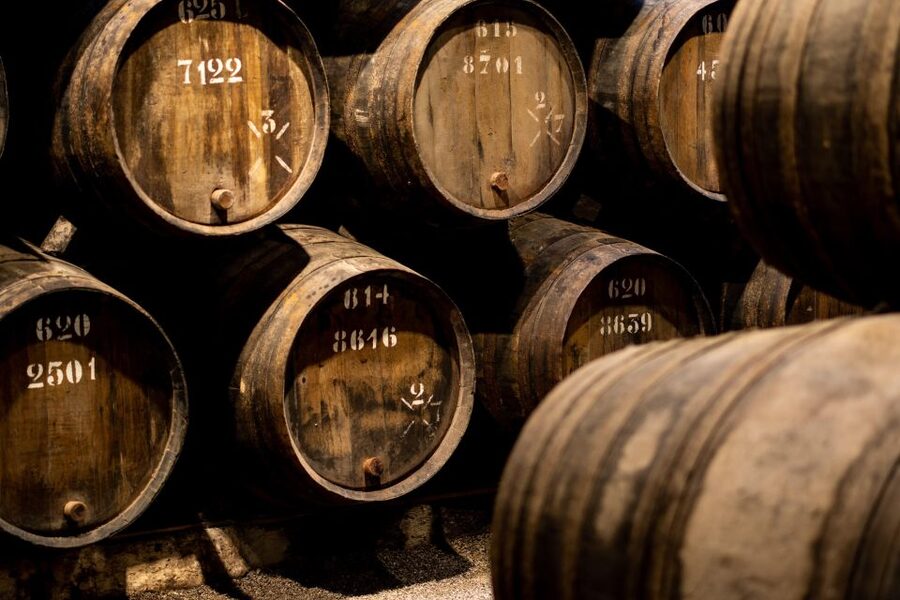
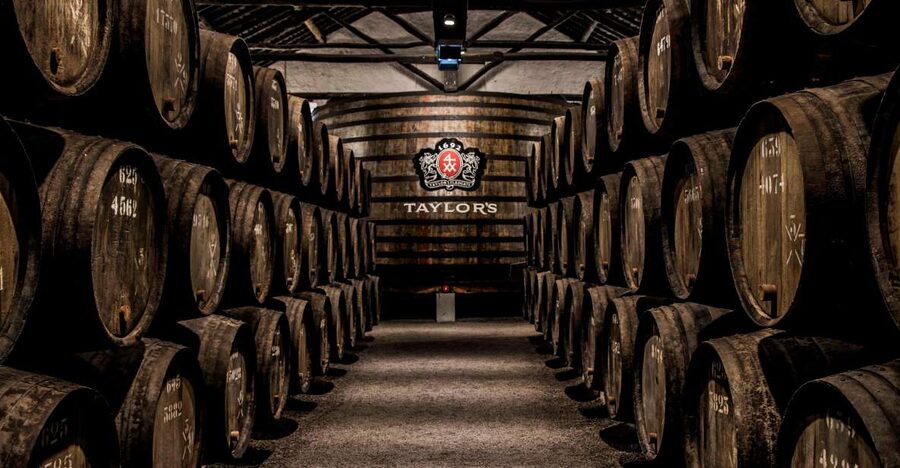
The rooms themselves are a major part of the experience. You see large wooden vats, casks, and barrels used for aging Port. The cool air and wine scent make the visit feel like a working cellar rather than a polished museum.
You should wear comfortable shoes. The floors and routes include steep and uneven surfaces, so this is not a good choice for anyone who has trouble walking. There are no lockers, so keep your belongings manageable.
The audio guide is available in English, Portuguese, Spanish, French, German, Italian, Japanese, Danish, Chinese, Dutch, Polish, Korean, and Russian. That wide language choice makes this an easy visit to share with family or friends who do not all speak the same language.
Taylor’s story, from 1692 to modern Port
The exhibition explains how Taylor’s developed over more than three centuries. You learn how the house built its reputation and how Port changed from a specialist drink into something sold and enjoyed in more settings.
The most interesting section for many people will be Taylor’s work with Dry White Port and Late Bottled Vintage. Chip Dry was presented as an Extra Dry White Port, giving visitors a style that is lighter and less sweet than the image many people have of Port.
Late Bottled Vintage, usually shortened to LBV, was another important step. The style helped make vintage character available in a bottle that could be enjoyed without the same planning associated with a classic Vintage Port. The point is not just a piece of company trivia. It helps explain why the LBV in your tasting has its own place between younger, fruitier wines and older, more complex expressions.
The displays also cover the Douro Valley and the production process. You gain a basic picture of how grapes become fortified wine, how Port is transported, and why time in wood changes the finished drink.
The audio presentation is detailed enough for a first visit. I would not rush through it. One visitor found the explanations somewhat repetitive, and that is a fair criticism. The advantage is that you can control the speed. Listen carefully in the sections that answer your questions, then keep moving when the information starts circling back.
Three glasses that explain Port better than a lecture
At the end, you move to the tasting area for three included pours. The tasting is usually handled at your table by a member of staff, rather than left as a row of unlabeled glasses.
That personal touch is important. Staff members such as Pedro, Mari, and Armando have been praised for explaining the wines clearly and answering questions in a friendly way. You do not need to be a wine expert to take part. Ask what makes each style different, and the tasting becomes a short lesson rather than just three drinks.
Same coastline, a completely different day out:
- The Unvanquished Tour in Porto City Center
★ 5.0 · 26,497 reviews - Complete Douro Valley Wine Tour with Lunch, Wine Tastings and River Cruise
★ 5.0 · 12,920 reviews - Porto: Six Bridges Cruise
★ 4.2 · 11,680 reviews - Porto: Live Fado Show with Glass of Port Wine
★ 4.8 · 6,498 reviews
Chip Dry Extra Dry White
The first glass is Taylor’s Chip Dry, an Extra Dry White Port. It is the best introduction to the idea that Port does not have to be dark or sweet.
Taste it slowly and compare it with your expectations. Its place in the tasting gives you a useful starting point before the richer wines arrive. Taylor’s connection to the development of Dry White Port also makes this glass part of the house story, not just an opening sample.
Late Bottled Vintage
The LBV follows with more fruit and body. The name refers to the way the wine is aged and bottled, and the audio tour gives you the background before you taste it.
This is often the easiest glass for people who want a fuller Port without moving straight to an expensive bottle. The tasting helps you see why LBV became such a successful style. It offers a more developed character while remaining approachable.
10-year Tawny
The 10-year Tawny finishes the flight. Time in wood shifts the wine toward a softer, more mature profile, with the kind of dried-fruit and nutty notes many people associate with older Tawny Port.
It is useful to taste this last because the contrast is clear. You have moved from a dry white style to a youthful red style and then to an aged Tawny. The three glasses make the broad categories easier to remember once you leave.
The pours are described as generous for a tasting. You can also order food or extra drinks at the tasting area, although food costs extra and may feel expensive for a small snack. One practical suggestion: bring your own interest in food pairings, but do not assume nibbles are included. The three glasses are part of the $29 ticket; snacks are not.
The garden and Porto views
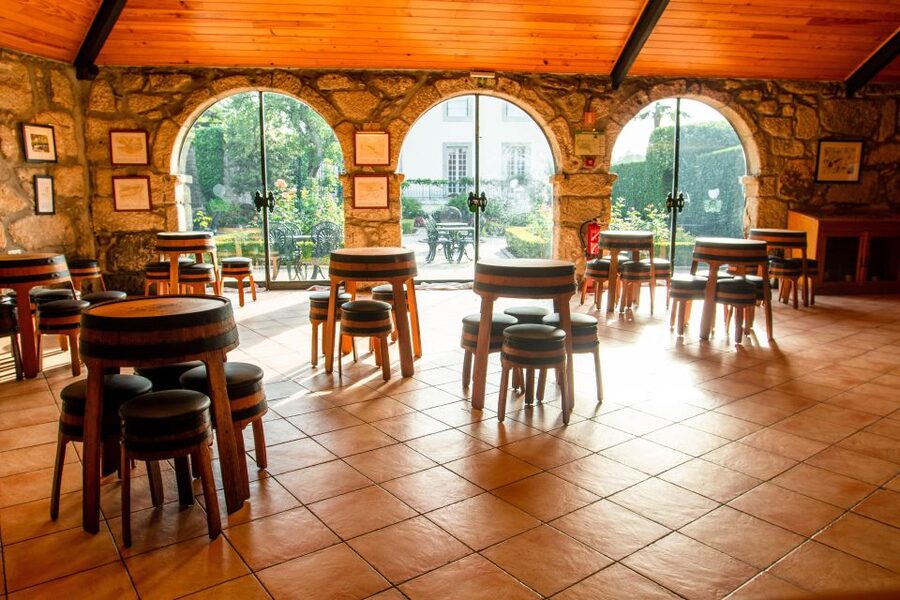
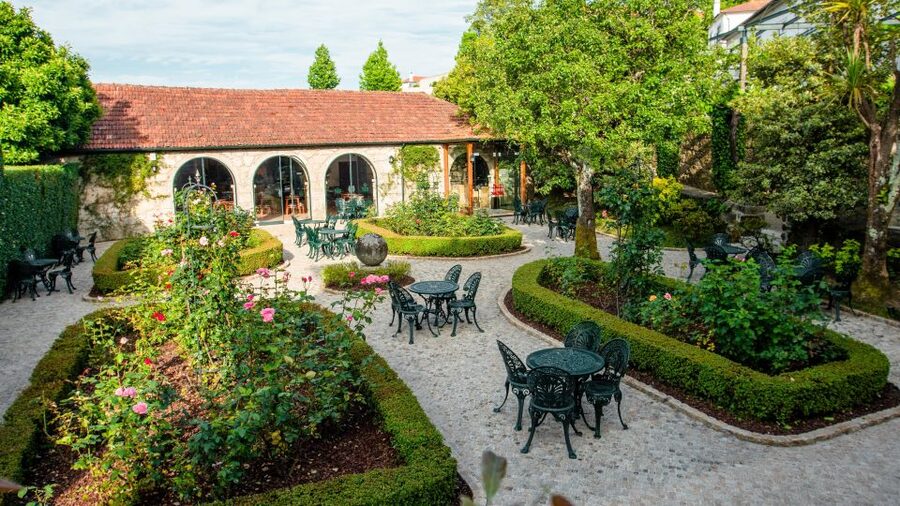
The tasting garden is one of the best reasons to avoid rushing out after the cellar visit. It offers a calmer change from the dark interior, with shady seating and views toward Porto.
From Gaia, you look across the Douro to the city, giving the final drink a strong sense of place. The setting is especially pleasant on a clear day, but the visit also works in wet weather because the cellar portion provides shelter.
There is a photo stop beside a large vat, and a free photo option can be emailed to you. That is a thoughtful detail for solo visitors and families. You can also spend time in the garden after the formal tasting if you order something more from the menu.
Service is generally a strong part of the experience, but the garden can be less consistent when staff are busy. One visitor had trouble getting attention after receiving a menu. That seems to be an occasional service issue rather than a problem with the actual tasting, but it is worth knowing if you plan to stay for food.
How long the visit really takes
The ticket is described as valid for one day, with entry at your selected date and time. The cellars are open daily from 10:00 a.m. to 6:15 p.m., with last entry at 6:15 p.m. Bank holiday hours can change.
The official duration is broad, but plan on about two hours for the complete experience. A quick visitor may finish sooner. If you listen to most audio sections, stop for photos, and take your time with the tasting, the visit can take around two hours or a little more.
Give yourself extra time if you want to sit in the garden or order food. This is not a quick 30-minute tasting tucked between sightseeing stops.
The flexible format works well for mixed groups. One person can listen to every historical detail while another moves along to the next display. Families also have more control than they would on a fixed group tour, and children receive one grape juice from the Douro Valley instead of Port.
Getting to Rua do Choupelo, 250
Taylor’s is in Vila Nova de Gaia, on the uphill side of the river. The walk from the central Porto area can be steep, especially on the return route or in hot weather.
A short taxi ride from central Porto has been reported as inexpensive, around 5 euros at the time of one visit. Treat that figure as a guide rather than a guaranteed fare. If you walk, use comfortable shoes and allow more time than the map may suggest.
The location rewards the effort with views and a traditional cellar setting. Still, if steep streets are difficult for you, take a taxi rather than turning the approach into the hardest part of your day.
Is $29 a fair price?
At $29 per person, the value depends on how much you want from a Port visit. You receive entry to a major historic cellar, a multilingual audio guide, three different Ports, and access to the garden setting.
Compared with a simple bar tasting, you pay more, but you get context and a look at the production and aging side. Compared with a full Douro Valley excursion, the price is modest and the visit takes far less time. It is also a useful option if you do not have a full day for vineyards outside Porto.
The tasting alone would not justify the price for everyone. The real value comes from combining the cellar, the history, and the three contrasting wines. If you already know Port well and want only a rare bottle or a specialist lesson, you may find the standard visit basic.
For most first-time Port drinkers, though, the ticket covers enough to make the cost sensible. There is no pressure to buy wine after the tasting, which helps keep the visit comfortable.
Who should book this Port tasting?
I would choose this experience if you want an introduction that does not force you into a group schedule. It suits couples, families, solo visitors, and anyone who likes to read, listen, and stop when something catches their attention.
It is also a good rainy-day activity. The barrel rooms and indoor displays give you several hours of shelter, while the tasting provides a pleasant finish when the weather improves.
You may prefer another option if you want to see vineyards and grape growing firsthand. Taylor’s cellars explain the Douro Valley, but they are in Gaia, not in the valley itself. For vineyard scenery and a longer wine day, you would need a separate trip.
You should also think twice if you have serious difficulty with steep or uneven walking. The audio guide reduces the pressure to keep up, but it does not change the physical surfaces.
Should you book Taylor’s Port Cellars?
Yes, if you want a well-priced and flexible introduction to Port in Porto. The strongest parts are the cool cellar rooms, the clear audio history, the three-style tasting, and the garden view across to Porto.
Book it with enough time for the full visit, take a taxi if the Gaia hills are not appealing, and bring a light sweater for the cellars. If you want only a quick drink, stop at a wine bar. If you want to understand what is in your glass, Taylor’s gives you a much better reason to visit.
FAQ
Where are Taylor’s Port Cellars located?
Taylor’s Port Cellars are at Rua do Choupelo, number 250, 4400-088 Vila Nova de Gaia, Portugal.
How much does the experience cost?
The listed price is $29 per person.
How long should I allow for the visit?
Allow about two hours for the cellar visit, audio tour, tasting, and time to enjoy the setting. The audio portion may take around 1 hour 30 minutes to 1 hour 45 minutes if you listen to most of it.
What wines are included in the tasting?
The tasting includes one glass of Chip Dry Extra Dry White, one glass of Late Bottled Vintage, and one glass of 10-year Tawny.
Is the tour guided by a person?
The cellar visit is self-guided with a handheld audio device. The tasting is hosted at your table by a staff member who explains the wines and answers questions.
What languages are available for the audio guide?
The audio guide is available in English, Portuguese, Spanish, French, German, Italian, Japanese, Danish, Chinese, Dutch, Polish, Korean, and Russian.
Are children allowed to take part?
Children receive one grape juice from the Douro Valley instead of the Port tasting.
Is the cellar visit suitable for people with walking difficulties?
The cellars include steep and uneven surfaces, so the activity may be challenging for anyone who has difficulty walking.
What are the opening hours?
The cellars are open daily from 10:00 a.m. to 6:15 p.m., with last entrance at 6:15 p.m. Opening hours may vary on bank holidays.
Can I cancel the booking?
You can cancel up to 24 hours in advance for a full refund. A reserve now and pay later option is also available.
New around Porto
- Porto: City Bike Rental★ 4.6 · 75 reviews
- Fado Concert with Welcome Drink★ 5.0 · 75 reviews
- Boat Trip to Régua Through the Douro Valley with Breakfast and Lunch★ 4.5 · 76 reviews
- Porto City Tour Half Day – Private★ 5.0 · 77 reviews
- Port : Private Cruise in the Douro — 6 Bridges & Sunsets★ 5.0 · 78 reviews
- Porto Private Airport Departure Transfer★ 4.5 · 78 reviews
- Douro Valley Small-Group Tour: 2 Wineries, Lunch, Optional Cruise★ 5.0 · 78 reviews
- Half-Day Walking Tour Tasting Local Food in Porto★ 5.0 · 78 reviews
Food & Drink, compared.
Douro Valley w/ Boat Tour, Wine Tasting & Lunch
Read our review →
Winner 2025 Undiscovered Lisbon Food & Wine Tour by Eating Europe
Read our review →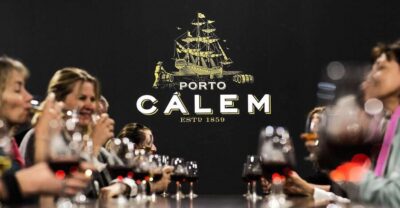
Cálem Cellar Tour, Interactive Museum & Wine Tasting
Read our review →
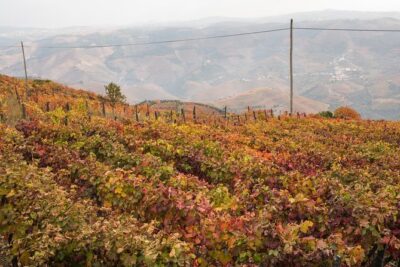
Douro Valley Small-Group Tour with Wine Tasting, Lunch and Boat
Read our review →

Douro Valley Tour with Wine Tasting, Cruise and Lunch
Read our review →Browse the lists this tour appears in