
Reviewed · WINE TASTINGS & DOURO VALLEY TOURS
Vila Nova de Gaia: Port Wine Tasting with Cheese Pairing
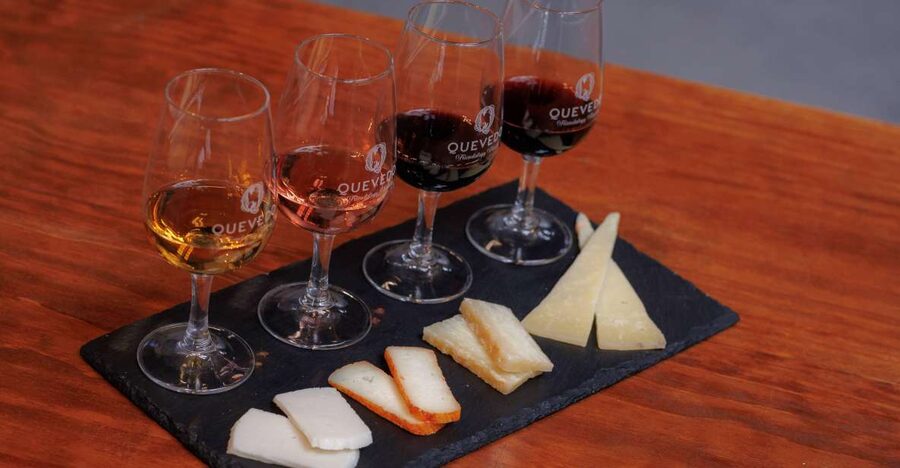
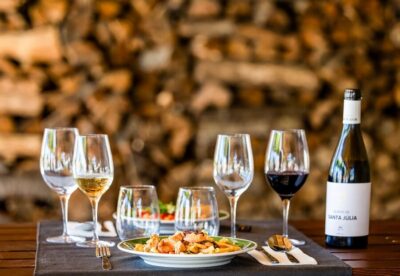
Port and cheese are a fine pair, but this tasting does more than put three glasses and three snacks on a table. At Quevedo’s cozy Vila Nova de Gaia lodge, you’ll learn how Port is made, how aging changes its character, and why a sheep cheese can make a Tawny taste different. The tasting includes three distinct Port styles, each matched with a Portuguese cheese.
I like the small group limit of eight, which gives you room to ask questions. I also like the family connection behind the wines: Quevedo has made Port for more than five generations and grows grapes across 100 hectares in the Douro Valley. Guides including Miguel, Inês, Bruna, Fernando, and Marcia are praised for making technical ideas easy to follow.
The main consideration is simple: this is a tasting, not a cellar tour. You won’t visit the bodega or see a full production facility, so book it for focused instruction, good pairings, and conversation rather than for a behind-the-scenes winery visit.
Key points to know before booking
- Three 40ml pours: Taste Crusted Port, 10-Year-Old Tawny, and a 2009 White Colheita.
- Three carefully chosen cheeses: Each wine comes with a different Portuguese cheese and, in one case, local jam.
- Small groups of up to eight: The format leaves time for questions and personal guidance.
- A family-owned Quevedo house: The brand began bottling under its own name in 1993, though the family’s Port-making tradition goes back five generations.
- One hour in Vila Nova de Gaia: It fits neatly into a day of riverfront sightseeing and other tastings.
- No cellar visit: The focus is tasting and explanation, not a tour of the winery or aging rooms.
A compact introduction to Port in Vila Nova de Gaia
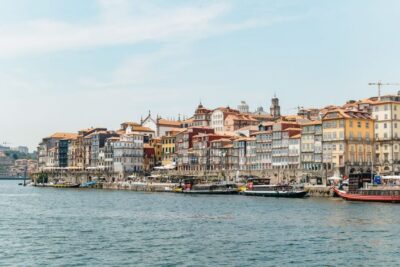
Vila Nova de Gaia sits across the Douro River from central Porto and is closely tied to the Port trade. A tasting here makes sense because you can pair it with a walk along the river, views toward Porto, and other wine houses in the same part of town.
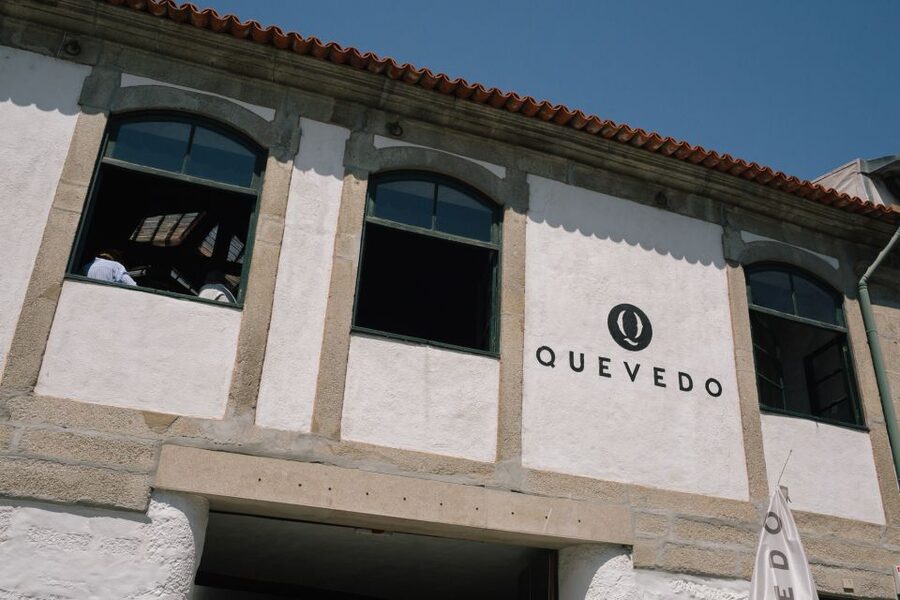
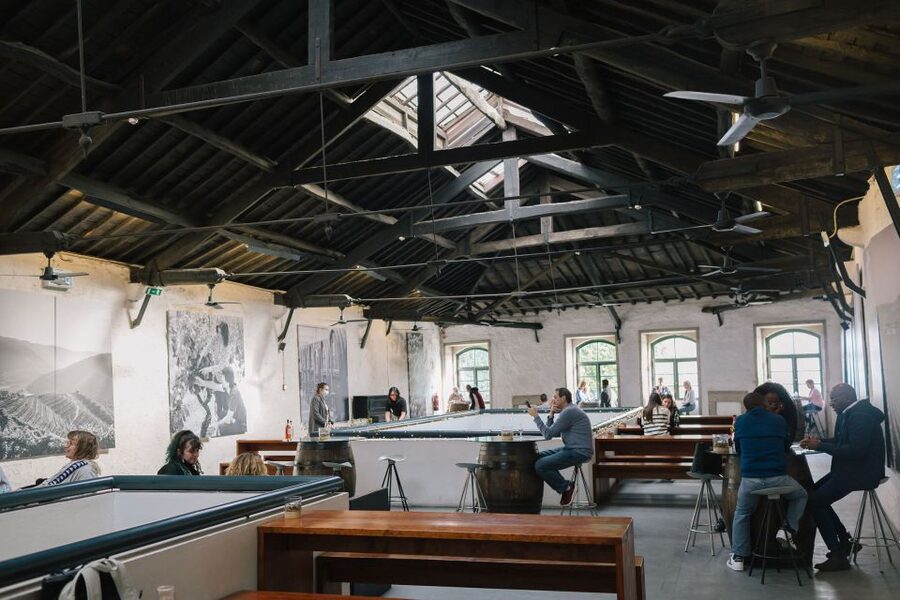
Quevedo’s meeting point is at Quevedo Port Wine. You simply check in with a member of the local staff, then settle into the lodge for the session. The setting is described as cozy, open, airy, welcoming, and peaceful, so expect a relaxed tasting room rather than a grand formal hall.
That smaller setting matters. With no more than eight people, you can ask why one Port is sweeter, how long a wine has aged, or what to look for when buying a bottle at home. The mood is informal, and the strongest part of the visit is the exchange between guide and group.
The staff speak Portuguese, English, Spanish, and Russian. Several guides are singled out for their easy manner and clear explanations. Miguel is praised for his command of Port, viticulture, and winemaking. Inês is especially good at translating wine terms into plain language, while Fernando is noted for his passion for the Douro Valley and patience with questions. The guide you meet will depend on the departure.
More wine tastings around Porto:
- From Porto: Douro Valley w/ Boat Tour, Wine Tasting & Lunch
★ 4.7 · 19,061 reviews - Complete Douro Valley Wine Tour with Lunch, Wine Tastings and River Cruise
★ 5.0 · 12,920 reviews - Porto: Live Fado Show with Glass of Port Wine
★ 4.8 · 6,498 reviews
What the Quevedo family story adds
Quevedo is a small family-owned business with more than five generations of Port-making behind it. That does not mean the company has bottled under its own name for five generations. Portugal’s entry into the European Union made that possible in 1993, making Quevedo one of the newer Port houses in the Douro region.
I find that distinction useful. It gives you a more honest picture than a vague claim of ancient ownership. The family tradition is old, while the branded house is comparatively young. During the tasting, that background helps explain the company’s identity and its focus on wines from its own vineyards.
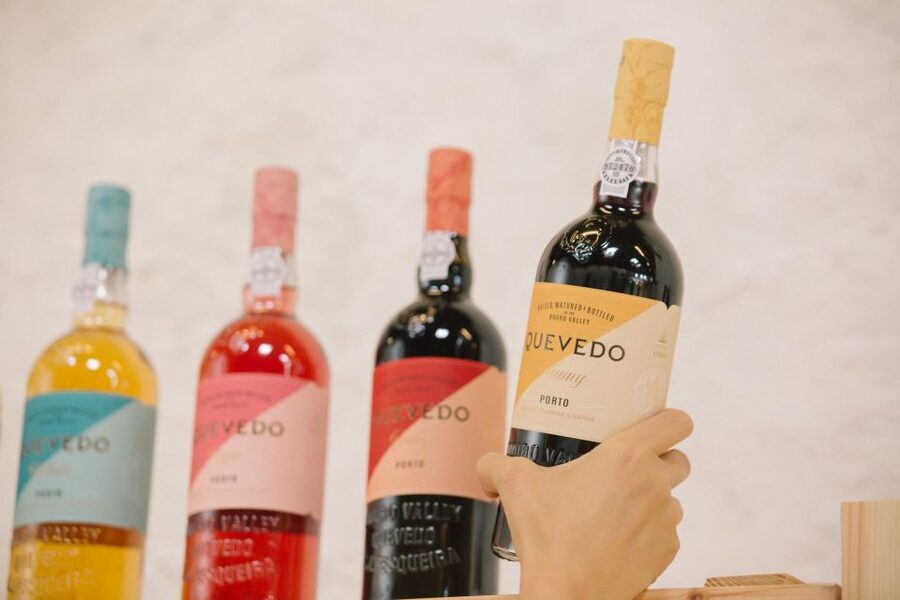
The wines are grown, matured, and bottled in the Douro Valley. Quevedo farms 100 hectares of vineyards and 25 hectares of organic olive groves spread across five properties. The point is not just acreage. Different properties provide grapes with different aromas and flavors, giving the winemaking team more material to work with.
You’ll hear the family’s basic belief that good wine starts in the vineyard. For a first-time Port drinker, this offers useful context. Port is not simply a sweet after-dinner drink. Its style depends on grape character, aging, blending, and the choices made before the bottle reaches the glass.
First pour: Crusted Port with sheep cheese
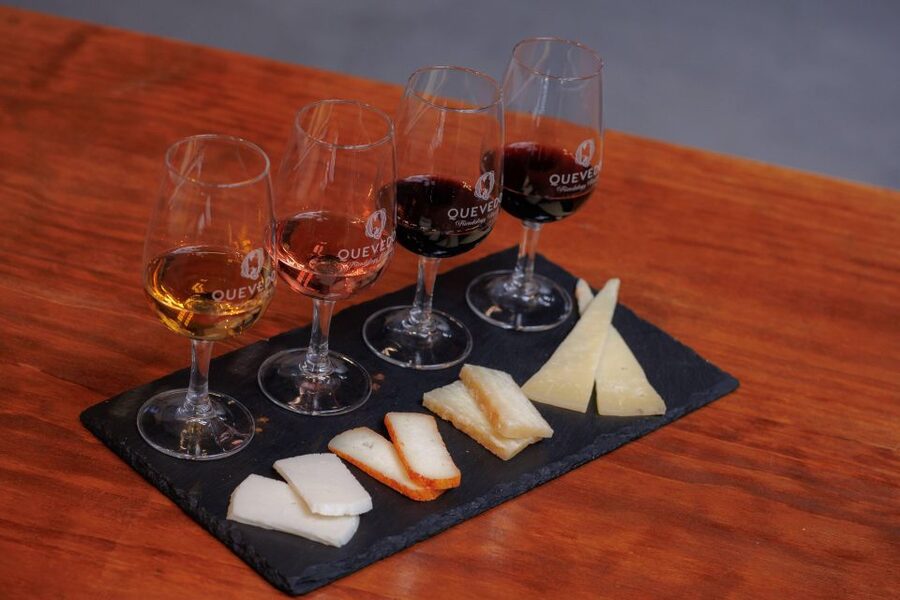
The tasting begins with Crusted Port paired with local-aged sheep cheese. Crusted Port is a style that keeps its sediment in the bottle, so it is normally decanted before serving. You are not being asked to manage that process during this one-hour session, but the style gives the guide a good chance to explain how Port can mature in different ways.
The sheep cheese brings a firm, savory counterpoint to the wine. This is a useful first pairing because it shows how cheese can change your sense of sweetness, texture, and finish. You may notice the wine seeming rounder after a bite, or the cheese taking on a different character after a sip.
If you are new to Port, this first glass gives you a clear starting point. Instead of tasting one wine in isolation, you are encouraged to compare the drink and food together. That approach is more useful than simply being told that a wine is sweet, fruity, nutty, or full-bodied.
Second pour: 10-Year-Old Tawny and paprika cheese
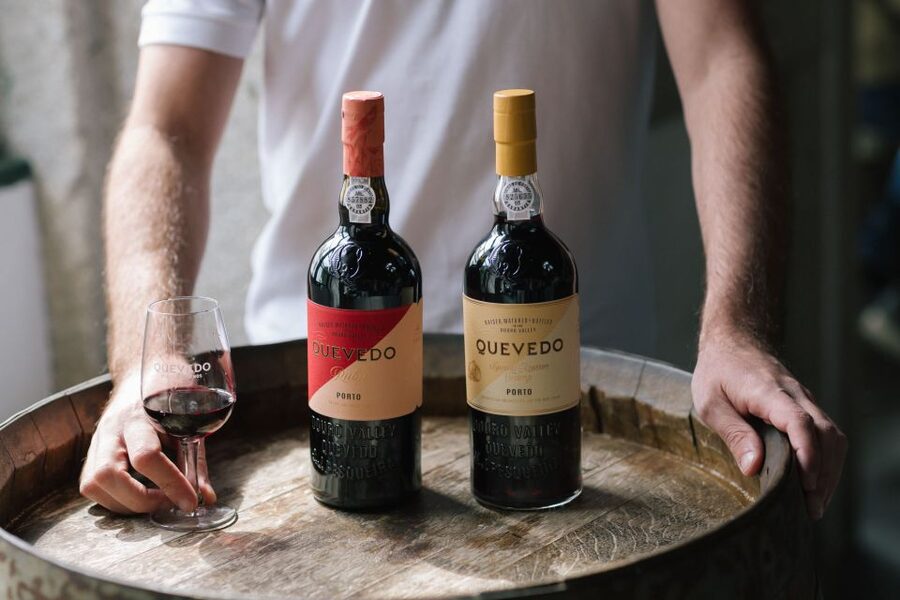
The second tasting is a 10-Year-Old Tawny Port with a mixed cow, goat, and sheep cheese aged with paprika. Tawny Port is associated with barrel aging and a softer, more developed profile than a young ruby-style Port. The 10-year indication refers to an average age category, not the claim that every drop in the bottle spent exactly ten years in wood.
This is likely to be the most approachable pour for many people. The cheese combines milk from several animals, then adds paprika for extra spice and character. That gives you a more complex food match than a plain mild cheese.
The session uses the pairings to show why food affects wine. Salt can make sweetness seem brighter. Fat can soften a wine’s edges. Spice can bring out warmth or make alcohol feel more noticeable. Your guide may invite you to taste the Tawny before and after the cheese, which turns an abstract lesson into something you can detect yourself.
Several guides are praised for explaining these changes without making the discussion overly technical. That makes the tasting suitable for beginners, while still giving Port fans material to think about. One particularly useful feature is the chance to ask about buying Port later, including how to identify styles you may prefer.
A few other Porto half-days worth a look
- Porto: Cálem Cellar Tour, Interactive Museum & Wine Tasting
★ 4.5 · 4,113 reviews - Douro Valley Small-Group Tour with Wine Tasting, Lunch and Boat
★ 5.0 · 3,642 reviews - Porto: Cálem Cellar Tour, Fado Show & Wine Tasting
★ 4.4 · 3,530 reviews - Porto: Taylor’s Port Cellars & Tasting
★ 4.6 · 3,374 reviews
Third pour: White Colheita from 2009
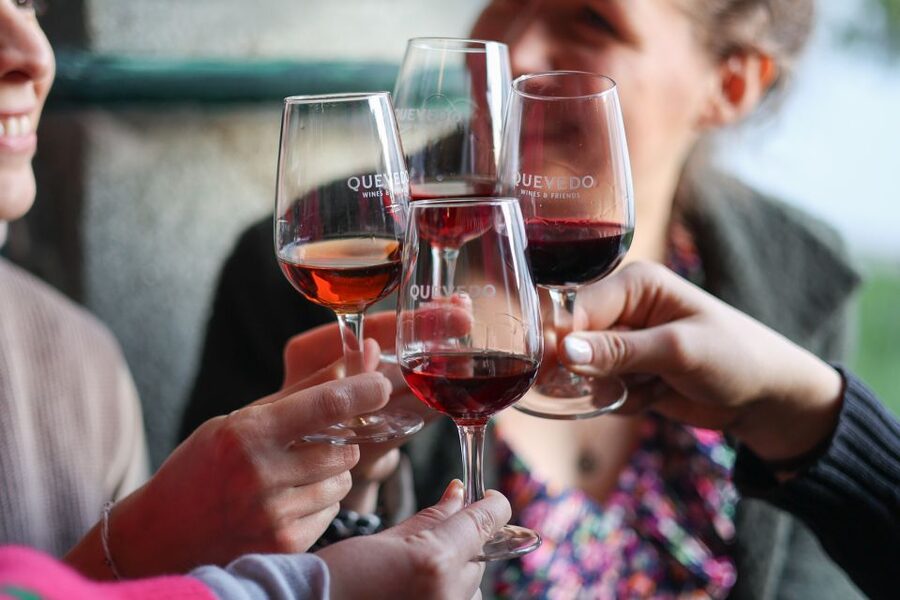
The final wine is a 2009 White Colheita paired with a traditional Azores cheese aged for seven months and served with local jam. Colheita means a single-vintage Tawny-style Port, so the year matters. Here, 2009 gives the wine a clear point of reference and lets the guide explain how a dated wine differs from a blend of several years.
White Port is an important part of the tasting because many people arrive expecting only red or amber styles. It can show a different side of Port, and the Azores cheese gives you a salty, mature partner for the glass. The jam adds a sweeter element, creating another comparison within the same pairing.
This final combination is more than a dessert course. It lets you test how sweetness, salt, age, and texture work together. If you usually avoid strong cheeses, the pairings are not designed to overwhelm. One tasting guest specifically found the cheeses accessible even without a taste for powerful cheese, though individual preferences will vary.
The three wines move through noticeably different styles: Crusted, Tawny, and White Colheita. That range is the real educational value of the session. You leave with a better idea of what you like, rather than a single favorite bottle chosen without comparison.
Why the cheese pairings are worth the extra attention
The cheese is not a decorative plate beside the wine. It gives the tasting a practical structure. Each pairing asks you to notice what changes when you eat before or after sipping, and that makes the language of wine easier to understand.
You receive three glasses of Port and a cheese pairing with each one. The advertised serving size is 40ml per wine unless otherwise stated. That is enough for careful tasting, especially with food, but it is not a long evening of generous pours.
Additional wines and snacks are not included. Some guides have offered extra samples when a group showed interest, but you should treat that as dependent on the session rather than part of the promised package. If you want a wider flight or more food, allow for an extra purchase.
I like the restraint of the format. Three measured pours keep the hour focused and let you compare styles without turning the activity into a drinking contest. You can pay attention to aroma, sweetness, acidity, warmth, and finish, then still continue your day in Gaia.
The guide makes the difference
The tasting succeeds or fails largely on the person leading it. Port has plenty of terms that can lose a newcomer quickly: vintage, crusted, colheita, tawny, ruby, barrel aging, bottle aging, and fortified wine. A good guide connects those terms to what you can taste.
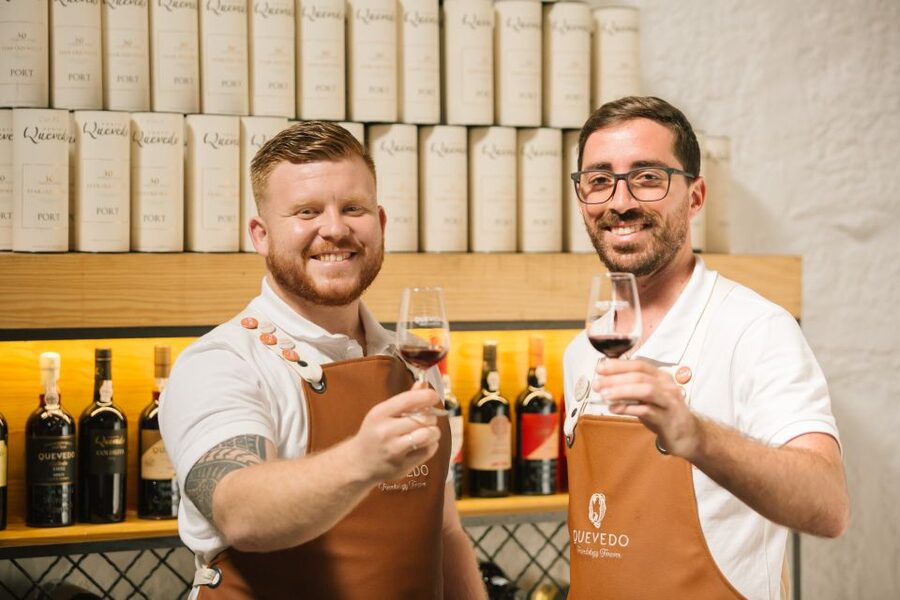
The staff receive strong praise for being friendly, clear, and relaxed. Miguel is repeatedly described as excellent at explaining Port and the Douro. Bruna is noted for her engaging style. Fernando brings a strong interest in viticulture and regional history, and Marcia is praised for detailed explanations. Other named guides include Inês, Rafael, Antonio, Dima, Francisco, and Raphael.
You should not expect the same person at every departure, but the pattern is encouraging. The guides explain the wines in ordinary language, answer questions, and keep the session social rather than stiff. Some groups have enjoyed live fado music, though that should not be treated as a guaranteed part of every booking.
There is also no pressure to buy. That matters in a tasting room. You can ask which bottle suits your taste, compare recommendations, and decide later without feeling that the lesson is simply a sales pitch.
What the one-hour schedule really gives you
One hour is enough for three pours, three cheeses, and a solid introduction to Port. It is not enough for a full lesson in every grape variety, every classification, or the complete history of the Douro. The value comes from choosing a few useful ideas and showing them through the glass.
I would allow a little extra time around the appointment if you plan to walk the riverfront afterward, but the tasting itself is designed as a compact stop. It works well before lunch, between sightseeing plans, or as an early evening activity.
The small group limit of eight is more important than the short duration. A large room can make a one-hour tasting feel rushed and generic. A small group gives the guide a better chance to notice who prefers White Port, who is curious about aging, and who has never tasted Port before.
Families should note that this is not advertised as adults-only. One group found children in another session distracting, though that was not part of the tasting itself. If you want a quiet, adult-focused atmosphere, ask about the group makeup when planning, but there is no adults-only promise in the activity details.
Is $30 a good price?
At $30 per person, this is a fair price for Vila Nova de Gaia, especially when you count the three Port pours, three cheese pairings, a dedicated guide, and a small group capped at eight. It is also cheaper than many large, famous Port houses while offering a more personal format.
The value depends on what you want. If you mainly want a generous drink, the 40ml servings may feel modest. If you want to understand Port and identify your taste preferences, the price is easier to justify because the pairings and explanations do real work.
A larger winery tour may include cellars, barrels, production rooms, or transport into the Douro Valley. This activity does not. You are paying for a concentrated tasting in Gaia, not a full-day vineyard outing. Compared with that longer format, this is a simple and economical choice.
I would call it especially good value for first-time Port drinkers, couples, and small groups of friends. Experienced wine lovers may still enjoy the selection, but those seeking rare bottles or a technical masterclass may want a more specialized visit.
Access, languages, and flexible booking
The experience is wheelchair accessible. It runs in Portuguese, English, Spanish, and Russian, giving you a good chance of following the explanation in a comfortable language.
The duration is one hour, with starting times based on availability. You can cancel up to 24 hours in advance for a full refund, and the reserve-now, pay-later option lets you keep your plans flexible. Those terms are useful in Porto, where weather, river walks, and restaurant plans can shift during a short stay.
To attend, go to Quevedo Port Wine and speak with a local staff member. The meeting point is central to the activity, so check that you are heading to Vila Nova de Gaia rather than a winery elsewhere in the Douro Valley.
Who should book this tasting?
I would choose this for you if you want a friendly introduction to Port without committing half a day. It suits anyone who likes food pairings, asks questions, or wants to learn why two Port wines can taste so different.
It is also a good fit if you already know you enjoy wine but have little experience with fortified styles. The three-wine progression helps you find a direction. You may prefer the Tawny, enjoy the unusual White Colheita, or discover that Crusted Port is more your style.
I would think twice if your main goal is a cellar visit, a vineyard walk, or a trip through the Douro Valley. Nothing in this one-hour session replaces those experiences. It is a tasting and lesson in a welcoming Gaia setting, not a complete winery tour.
Should you book Quevedo’s Port and cheese tasting?
Yes, if you want a well-priced, compact introduction to Portuguese Port. The strongest reasons are the three contrasting wines, the thoughtful cheese matches, and the chance to learn from guides who explain the subject clearly without making you feel out of your depth.
The key limitation is equally clear: you will not tour the bodega, and the pours are tasting-size. For most people spending time in Porto, that tradeoff makes sense. Book it as a focused hour near the Douro River, then use what you learn to choose a bottle, visit another house, or simply enjoy your next glass with more confidence.
FAQ
How long does the Port tasting last?
The activity lasts one hour.
How many Port wines are included?
Three glasses are included: Crusted Port, 10-Year-Old Tawny Port, and a 2009 White Colheita Port.
How much wine is served in each glass?
The standard tasting pour is 40ml for each wine unless otherwise noted.
What cheeses are paired with the wines?
Crusted Port comes with local-aged sheep cheese. The 10-Year-Old Tawny comes with a mixed cow, goat, and sheep cheese aged with paprika. The 2009 White Colheita comes with seven-month-aged traditional Azores cheese and local jam.
Is a cellar or bodega tour included?
No. This is a tasting-focused activity and does not include a visit to the bodega.
Where does the activity meet?
Go to Quevedo Port Wine and speak with one of the local staff members.
How large is the group?
The activity is limited to eight participants.
What languages are available?
The host or greeter can speak Portuguese, English, Spanish, or Russian.
Can I cancel or pay later?
You can cancel up to 24 hours in advance for a full refund. The reserve-now, pay-later option lets you book without paying on the day of reservation.
More Cheese in Porto
- Porto: Cálem Cellar with Chocolate, Cheese, and Wine Tasting
★ 4.6 · 310 reviews - Wine and Cheese Tasting Lunch in Portuguese Wine Bar
★ 5.0 · 447 reviews - Lisbon: Portuguese Wine and Cheese Tasting with Lunch
★ 4.7 · 353 reviews - Wine, Cheese & Charcuterie Tasting, including complimentary tour
★ 5.0 · 110 reviews
New around Porto
- Porto: City Bike Rental★ 4.6 · 75 reviews
- Fado Concert with Welcome Drink★ 5.0 · 75 reviews
- Boat Trip to Régua Through the Douro Valley with Breakfast and Lunch★ 4.5 · 76 reviews
- Porto City Tour Half Day – Private★ 5.0 · 77 reviews
- Port : Private Cruise in the Douro — 6 Bridges & Sunsets★ 5.0 · 78 reviews
- Porto Private Airport Departure Transfer★ 4.5 · 78 reviews
- Half-Day Walking Tour Tasting Local Food in Porto★ 5.0 · 78 reviews
- Douro Valley Small-Group Tour: 2 Wineries, Lunch, Optional Cruise★ 5.0 · 78 reviews
Wine Tastings & Douro Valley Tours, compared.
Douro Valley w/ Boat Tour, Wine Tasting & Lunch
Read our review →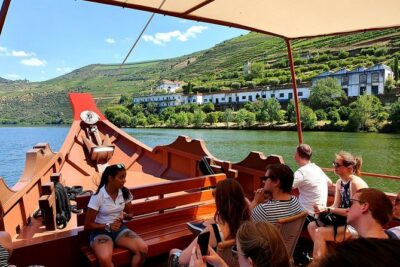
Complete Douro Valley Wine Tour with Lunch, Wine Tastings and River Cruise
Read our review →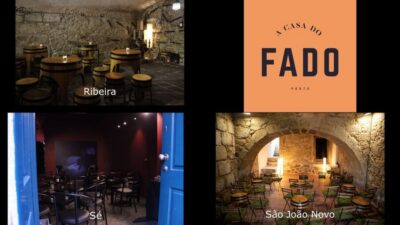
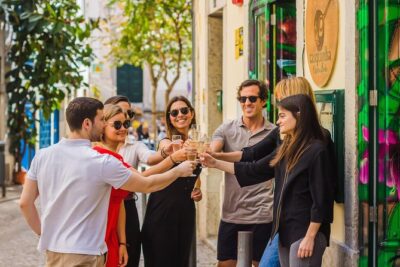
Winner 2025 Undiscovered Lisbon Food & Wine Tour by Eating Europe
Read our review →
Wine Tour with Lunch, Tastings & River Cruise
Read our review →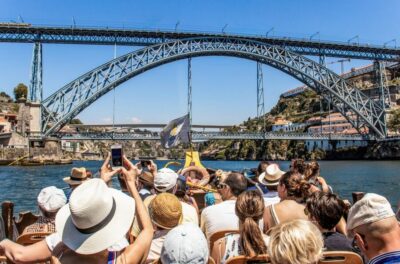
Guided Tour by Tuk-Tuk & Optional Douro River Cruise
Read our review →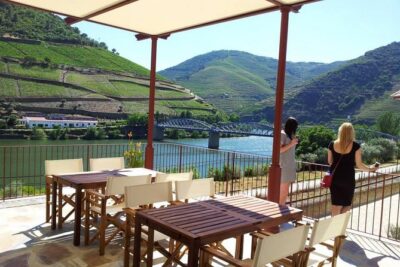
Historical Sites, Wine Experience, Lunch & Cruise
Read our review →Browse the lists this tour appears in