
Reviewed · WINE TASTINGS & DOURO VALLEY TOURS
Porto Wine Tasting Experience with Portuguese Tapas Plate
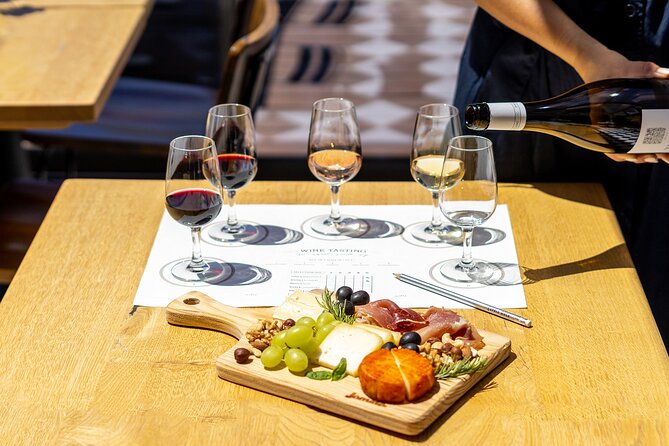
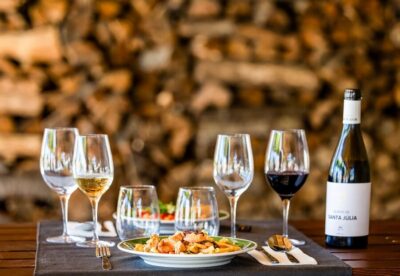
Porto’s wine story is bigger than Port alone. This 90-minute tasting introduces you to six wines from the Douro Valley, including two whites, a rosé, two reds, and a small pour of White or Tawny Port. The setting is Canto de Luz, where the tasting moves between a pretty Orangerie and garden.
I like the relaxed pace and the food pairing. You get time to taste each glass instead of being rushed, and the cheese, cured ham, biscuits, and homemade jam help show how food can change a wine. The small group, capped at 16 people, also gives the session a friendly feel.
The main thing to understand before booking is that this is not a Port-only tasting. Most of the wines are Douro table wines, and one serving is Port. If your main goal is fortified wine, choose a dedicated Port tasting instead.
Key points at a glance
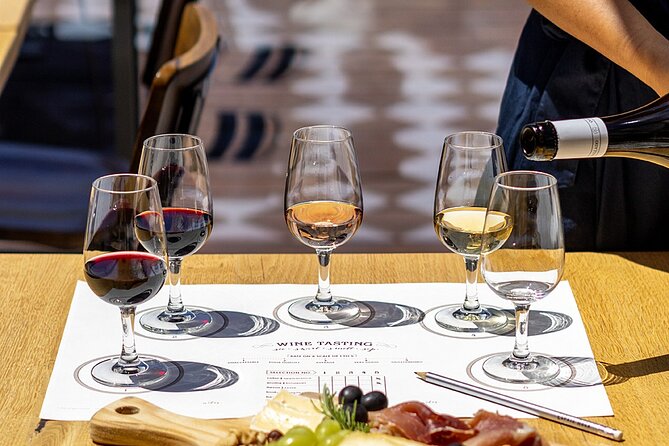
- Six wine styles in about 90 minutes: Taste two Douro whites, a rosé, two reds, and White or Tawny Port.
- A calm setting near Rua do Almada: The experience takes place at Canto de Luz, in an Orangerie or garden.
- Portuguese food comes with the tasting: Local cheese, Portuguese cured ham, biscuits, and homemade jams are served.
- Hosts explain taste as well as place: McKenzie, Hannah, Greta, and Hemily are among the hosts named for past sessions.
- Small groups keep it personal: The maximum group size is 16 people.
- Best for wine drinkers, not Port specialists: The selection covers the Douro Valley broadly rather than focusing only on fortified wine.
Starting at Canto de Luz on Rua do Almada
You meet at Canto de Luz, at Rua do Almada 539 in Porto. The tasting ends at the same place, so you do not need to arrange a second pickup or find your way across town afterward.
The venue is part of a boutique hotel, and the atmosphere is a major part of the appeal. On a sunny day, the tasting can take place in the garden. In less favorable weather, or simply by arrangement, it is held in the Orangerie. That gives the experience a more settled feel than a quick tasting counter in a busy shop.
One practical point: the entrance can be a little hard to spot. Give yourself extra time, especially if you are unfamiliar with central Porto. Your mobile ticket is accepted, and the venue is near public transportation, but the supplied details do not specify which route or stop is closest.
Once you arrive, expect a seated tasting rather than a walking tour. This matters because the session is about comparing wines carefully. You are not being moved from one cellar to another, and there is no sightseeing route attached to the experience.
More wine tastings around Porto:
- From Porto: Douro Valley w/ Boat Tour, Wine Tasting & Lunch
★ 4.7 · 19,061 reviews - Complete Douro Valley Wine Tour with Lunch, Wine Tastings and River Cruise
★ 5.0 · 12,920 reviews - Porto: Live Fado Show with Glass of Port Wine
★ 4.8 · 6,498 reviews
Why the Douro selection is more useful than a Port sampler
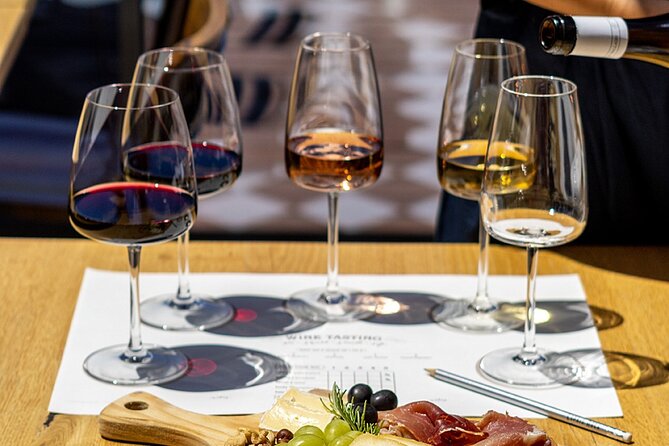
Porto gives its name to Port, but the Douro Valley also produces excellent unfortified wines. This tasting makes that distinction clear by placing the table wines first and Port near the end.
You taste two whites, including a Douro White and a Douro Reserva White. You then move to rosé and two reds, with the red selection including an Organic or Reserva red. The sample menu describes tasting pours of about 50 milliliters for the Douro whites, rosé, and reds.
That is enough wine to compare the glasses without turning a short afternoon activity into a long drinking session. It also lets the host talk about body, balance, color, and flavor differences in a practical way. You can pay attention to which wines feel fresh, full, light, or more structured without needing advanced wine knowledge.
The final pour is a 30-milliliter serving of Douro Port. The description allows for White or Tawny Port, while the sample menu specifically lists Douro White Porto. Ask your host at the beginning if the exact Port style matters to you, since the selection may vary.
This order makes sense. You first see how Douro table wines work across several colors and styles. Then the Port offers a clear contrast, with a smaller pour because it is fortified and generally more concentrated.
Tasting the whites, rosé, reds, and Port
The session begins with white wine, where the contrast between a standard Douro White and a Reserva White gives you a simple point of comparison. You might notice differences in weight, flavor, or finish, and the host explains why the wines do not taste alike even though they come from the same broad region.
The rosé provides a change of pace. It breaks up the whites and reds and gives the tasting a lighter middle section. You are not simply being handed a row of similar glasses. The range helps you understand that the Douro is not limited to one famous product.
The reds follow, with an Organic or Reserva red included in the sample selection. A comparison between two reds is useful for anyone who wants to buy Portuguese wine later, since it encourages you to think beyond the label and focus on what is in the glass.
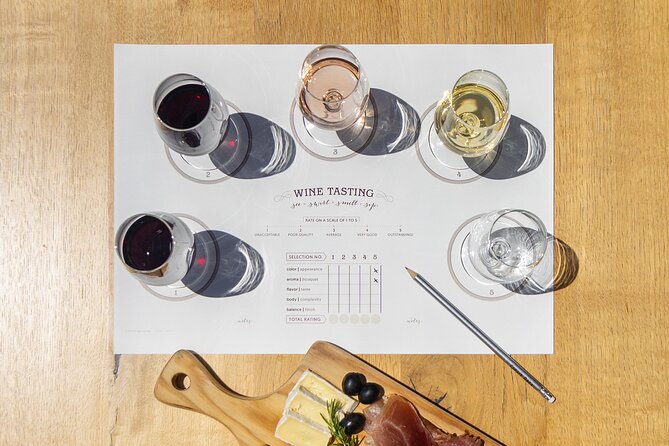
Hosts have been praised for explaining wine in plain terms. McKenzie is noted for discussing the regions, production, and individual tasting notes. Hannah is described as friendly and clear, while Greta gave one group time to taste each wine and even use a sheet to mark their favorites. Hemily helped make the session easy to join for people who were still learning about Portuguese wine.
Those details point to the right kind of instruction here. You do not need to arrive with technical vocabulary. You can ask why one wine is darker, fuller, sweeter, or more balanced, and the format leaves room for discussion.
The final Port serving is small, but it can be the most memorable glass for some people. White Port, in particular, may surprise anyone who only associates Porto with dark, sweet styles. If you want several Port categories and older premium bottles, this is not the right tasting. If you want one Port as part of a wider Douro introduction, it fits well.
The tapas plate is part of the lesson
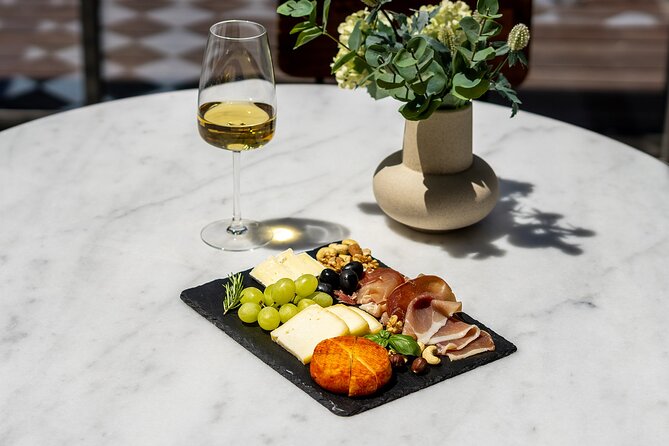
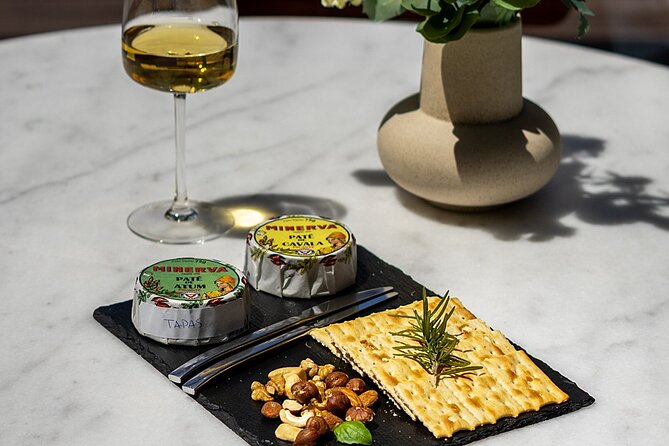
The food is not just something to nibble while waiting for the next glass. You receive local cheese and Portuguese cured ham with biscuits or crackers and homemade jams.
That combination gives you several ways to compare the wines. Salty cured ham can make some wines feel different from how they tasted alone. Cheese changes the texture and finish, while jam can work with a wine that seems less appealing on its own.
One particularly useful detail from the experience is that a couple of wines may make more sense after you eat. A wine that first seems ordinary can taste much better with the right bite. That is a good reminder that wine tasting is not only about finding a favorite bottle in isolation.
The food portion is a tapas plate, not a full lunch. If you arrive hungry, do not mistake the included snacks for a substantial meal. After the tasting, you can order more wines, Port, or tapas from the venue’s selection, but those extras cost more.
Dietary needs are not detailed in the supplied information. If you are vegetarian, gluten-free, or avoiding alcohol, contact the provider before the session rather than assuming the standard plate can be changed. The host may be able to offer alternatives, but they are not listed as included.
A few other Porto half-days worth a look
- Porto: Cálem Cellar Tour, Interactive Museum & Wine Tasting
★ 4.5 · 4,113 reviews - Douro Valley Small-Group Tour with Wine Tasting, Lunch and Boat
★ 5.0 · 3,642 reviews - Porto: Cálem Cellar Tour, Fado Show & Wine Tasting
★ 4.4 · 3,530 reviews - Porto: Taylor’s Port Cellars & Tasting
★ 4.6 · 3,374 reviews
A friendly format with room to ask questions
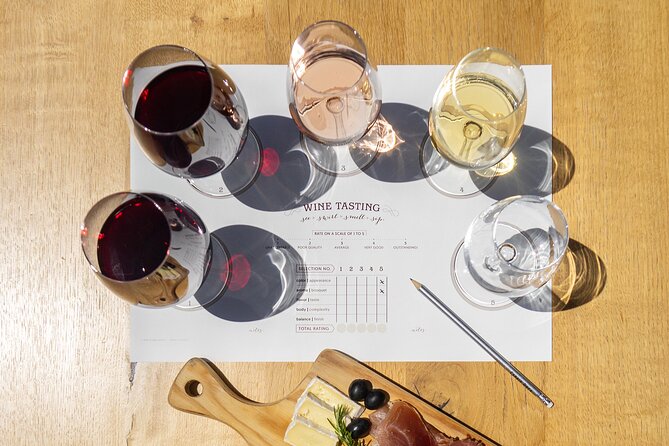
The group limit of 16 is a useful middle ground. It is large enough to create a social table, yet small enough for a host to answer questions. One session had about 11 people from several countries, which gives you an idea of the relaxed international atmosphere you might find.
The best part of this format is the balance between teaching and leisure. You receive an explanation for each glass, then time to taste and decide what you think. That is more enjoyable than a lecture, especially if you are with friends or a partner who has different wine preferences.
The experience is offered in English. Hosts named in connection with the tasting include McKenzie, Hannah, Greta, Hemily, and others, so the exact presenter may vary. Their style seems to be warm and conversational rather than formal or overly technical.
You can also make notes as you go. A simple score sheet has been used during the session, which adds a small game to the tasting and helps you remember which wine you preferred. That is handy if you plan to visit wine shops or restaurants afterward.
The setting adds to the mood, but it also means this is not a traditional port lodge tour. You will not be walking through aging cellars or visiting vineyard plots in the Douro Valley. You are learning about those wines from central Porto, in a comfortable tasting room or garden.
Is $36.28 a fair price?
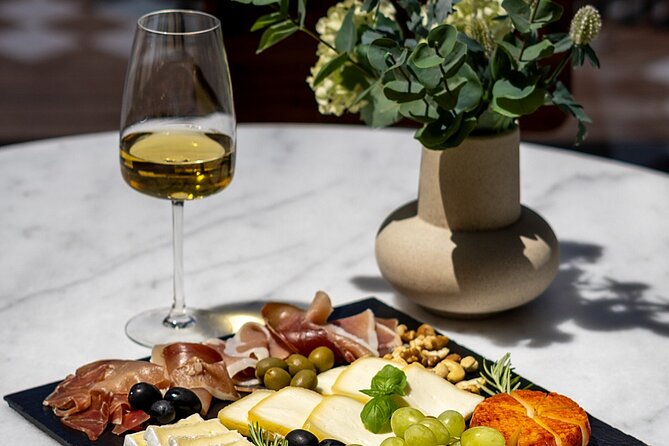
At $36.28 per person, the price is reasonable if you want an organized introduction to Douro wine with food included. You receive roughly six tasting pours, a Portuguese tapas plate, an English-speaking host, and about an hour and a half in a small group.
The value is strongest for people who want variety. A Port specialist may feel that the price buys too little Port, but someone who wants to compare white, rosé, red, and fortified wine gets a broader sample than a standard Port flight.
The included food also matters. You are not paying only for liquid in a glass. The cheese, ham, biscuits, and jam make the tasting more satisfying and provide a practical way to explore pairings.
Still, keep your expectations in line with the format. The pours are tasting sizes, not glasses of wine. The table wine is the main focus, and anything ordered after the included tasting costs extra.
The experience is generally booked about 14 days ahead, which suggests you should reserve before your Porto visit if your schedule is tight. Confirmation is provided at booking, and free cancellation is available until 24 hours before the start time. Changes or cancellations inside that 24-hour window are not accepted for a refund.
Who will enjoy this tasting most?
I would choose this for a first or second visit to Porto when you want a gentle introduction to the region’s wine. It works especially well for couples, friends, and curious drinkers who enjoy conversation and small food pairings.
It also suits you if Port is not your only interest. The two whites, rosé, and two reds give you more range than a tasting built entirely around fortified wine. You can leave with a better sense of the Douro as a wine region, not just as the source of Porto’s famous after-dinner drink.
You may want another activity if you do not drink wine. One three-star experience came from someone who enjoyed the cured meats, cheese, and presentation but was simply not a wine drinker. Alternatives such as juice, coffee, or soft drinks may be possible if arranged in advance, but they are not part of the stated package.
This is also not ideal if you expect a full meal, a vineyard visit, or an in-depth study of vintage Port. For those goals, look for a food tour, a winery visit in the Douro, or a dedicated premium Port tasting.
All people consuming alcohol must be at least 18 in Portugal, and you may be asked to show proof of age. Service animals are allowed, and most people can participate, but specific accessibility details are not provided.
How to get the most from the 90 minutes
Arrive with enough time to locate the entrance at Rua do Almada 539. Since the venue can be easy to miss, a calm arrival is better than rushing in just as the first glass is poured.
Do not try to decide your favorite wine before eating. Taste each glass on its own, then try it with the cheese, ham, biscuit, or jam. The pairing may change your mind, which is one of the most useful parts of the experience.
Ask about the exact Port style being served. The main description allows White or Tawny Port, while the sample menu lists White Port. If you have already visited several Port lodges, this question will help you understand what new ground the tasting covers.
Use the discussion time. Ask about the Douro region, the difference between Reserva and standard wines, organic production if an organic red is served, and why a wine tastes different with food. The hosts are there to guide the conversation, not simply pour and move on.
Finally, decide in advance if you want to stay afterward. Additional wines, Port, and tapas are available at extra cost, but the included session itself lasts about 90 minutes and returns you to the same venue.
Should you book it?
Book this Porto wine tasting if you want a relaxed, social introduction to Douro wines, served with local cheese and cured ham in an attractive Orangerie or garden. The strongest reasons are the wide selection, thoughtful food pairing, friendly hosts, and small group size.
Skip it if you want an experience devoted almost entirely to Port, a full meal, or a trip into the Douro Valley. At $36.28, it offers good value for a broad tasting, but the pours are small and the Port portion is limited.
For most wine-curious visitors staying in central Porto, I would consider it a sensible way to spend an afternoon. Just book it for the right reason: you are exploring Portuguese wine as a whole, with Port as the final chapter rather than the entire story.
FAQ
Where does the Porto wine tasting take place?
It starts and ends at Canto de Luz, Rua do Almada 539, 4050-039 Porto, Portugal.
How long does the experience last?
The tasting lasts approximately 1 hour and 30 minutes.
What wines are included?
You taste two Douro whites, a rosé, two Douro reds, and a White or Tawny Port. The sample menu lists Douro White, Douro Reserva White, rosé, Douro Red, Organic or Reserva red, and Douro White Porto.
How large is the group?
The maximum group size is 16 people.
What food is included?
The tasting includes a Portuguese tapas plate with local cheese, Portuguese cured ham, biscuits or crackers, and homemade jam.
Is the tasting offered in English?
Yes. The experience is offered in English.
How much does the tasting cost?
The listed price is $36.28 per person.
Do I need to be 18 to participate?
All people consuming alcohol must be at least 18 years old in Portugal. You may be asked to provide proof of age.
Can I order more wine or food afterward?
Yes. After the included tasting, you may stay and order additional wines, Port, or tapas at an extra cost.
Can I cancel for a full refund?
Yes, if you cancel at least 24 hours before the experience start time. Cancellations or changes made less than 24 hours beforehand are not accepted for a refund.
New around Porto
- Porto: City Bike Rental★ 4.6 · 75 reviews
- Fado Concert with Welcome Drink★ 5.0 · 75 reviews
- Boat Trip to Régua Through the Douro Valley with Breakfast and Lunch★ 4.5 · 76 reviews
- Porto City Tour Half Day – Private★ 5.0 · 77 reviews
- Port : Private Cruise in the Douro — 6 Bridges & Sunsets★ 5.0 · 78 reviews
- Porto Private Airport Departure Transfer★ 4.5 · 78 reviews
- Douro Valley Small-Group Tour: 2 Wineries, Lunch, Optional Cruise★ 5.0 · 78 reviews
- Half-Day Walking Tour Tasting Local Food in Porto★ 5.0 · 78 reviews
Wine Tastings & Douro Valley Tours, compared.
Douro Valley w/ Boat Tour, Wine Tasting & Lunch
Read our review →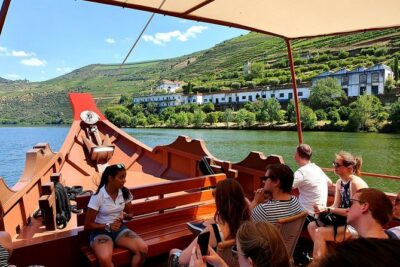
Complete Douro Valley Wine Tour with Lunch, Wine Tastings and River Cruise
Read our review →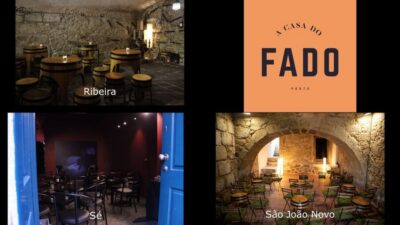
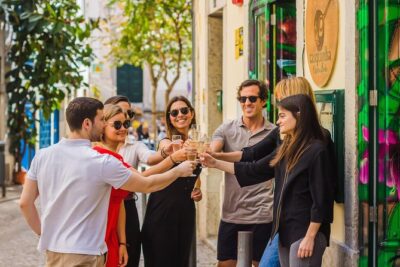
Winner 2025 Undiscovered Lisbon Food & Wine Tour by Eating Europe
Read our review →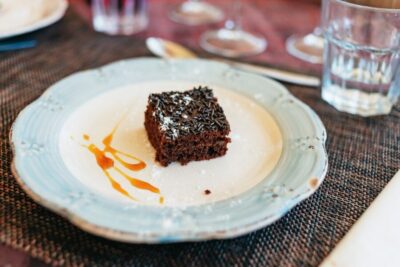
Wine Tour with Lunch, Tastings & River Cruise
Read our review →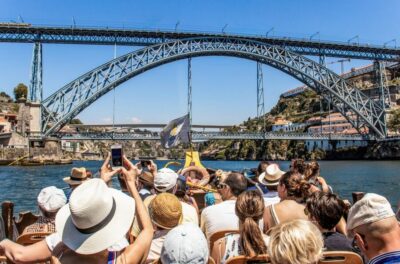
Guided Tour by Tuk-Tuk & Optional Douro River Cruise
Read our review →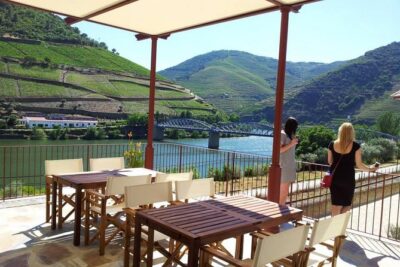
Historical Sites, Wine Experience, Lunch & Cruise
Read our review →Browse the lists this tour appears in