

Reviewed · STREET ART
Lisbon: Street Art Tour
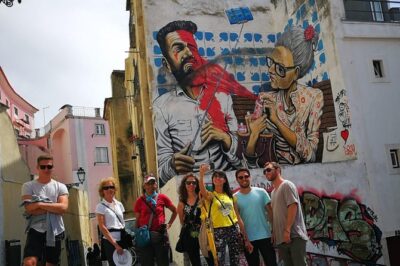
Lisbon’s street art is not just decoration. It is a public conversation about Portugal, politics, neighborhoods, and daily life, and this three-hour walk gives you the clues to read it. Guides such as Erica, Maria, and Laith bring an art background and plenty of local context to murals you might otherwise pass without noticing.
I like the small-group feel and the way the route links five very different districts. I also like that the guide explains techniques, artists, and social meaning instead of simply leading you from one colorful wall to the next. The tradeoff is simple: three hours on hilly, uneven streets requires comfortable shoes and a reasonable level of fitness.
Key points to know before you book
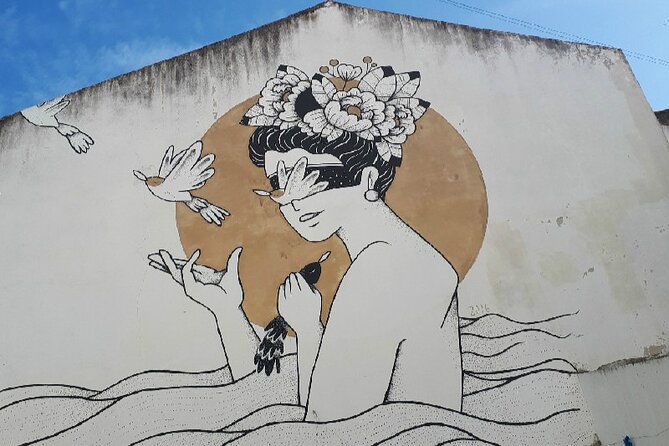
- Five neighborhoods in three hours: Walk through Bairro Alto, Chiado, Baixa, Mouraria, and Graça.
- More than giant murals: The route includes street sculptures, small details, lesser-known pieces, and large works on building walls.
- Guides who add real context: Erica, Maria, and Laith are praised for combining art with Portuguese history and local culture.
- A proper walking workout: Expect unpaved or uneven ground and Lisbon’s famous slopes.
- A useful first-day activity: The tour helps you notice art and neighborhood details for the rest of your stay.
- Good flexibility: The cost is $40 per person, with cancellation allowed up to 24 hours before the start.
Why Lisbon’s walls deserve a closer look
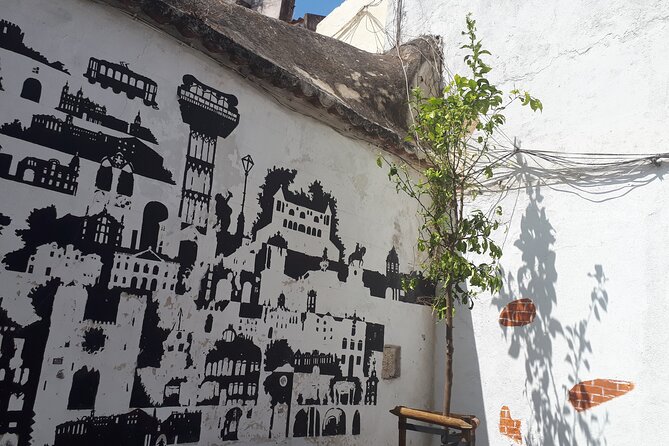
You can see street art all over Lisbon without booking a tour. That is also the problem. A painted wall may be easy to photograph but harder to understand. Who made it? Was it commissioned or illegal? Is it political, playful, personal, or tied to a particular community?
This walk gives you a way to sort out those questions. The guide explains how street art developed, how artists use different styles and methods, and how a work relates to the street around it. You get a better sense of the difference between a huge public mural and a tiny piece tucked into a doorway or side lane.
The strongest part of the experience is the connection between art and place. Bairro Alto has a different character from Mouraria, and Graça feels different again. The art changes with the neighborhood. That makes the walk feel less like a gallery visit and more like reading Lisbon through its walls.
You may also gain a useful habit: looking up, slowing down, and checking the corners of buildings. Several people who took the tour continued spotting pieces on their own afterward. That is a sign of a good city walk. It gives you a new set of eyes rather than only a list of sights.
More street art walks around Lisbon:
- Lisbon: Kickstart Street Art Walking Tour
★ 4.9 · 717 reviews - Lisbon: Street Art Tuk Tuk Tour
★ 4.9 · 372 reviews - LISBON Street Art Tour
★ 5.0 · 371 reviews
Starting in Bairro Alto
Meet your guide in front of the Interpress building at R. Luz Soriano 67. The tour begins in Bairro Alto, where you spend about an hour.
This is the longest stop, and that makes sense. Bairro Alto offers plenty to discuss, from prominent murals to smaller works that are easy to overlook. The guide sets up the basic vocabulary of street art here, explaining the styles and techniques you will see later.
The neighborhood is also a useful place to connect art with Lisbon’s changing identity. You might see works that feel polished and public beside rougher, more personal marks. The guide can explain how different artists approach the street, how they relate to one another, and why a particular work belongs where it is.
Erica is especially praised for her storytelling and ability to explain art clearly in English. Laith is also known for bringing personal connections to the local street art scene into his explanations. The exact guide can vary, but the experience depends heavily on that person’s ability to turn visual details into a story.
Give yourself time to look closely. A large mural may grab your attention first, but the smaller marks can reveal just as much about the city’s creative life. The guide’s job is not only to point at the obvious art. It is to help you notice what your own eyes would miss.
Chiado and Baixa: art in the city center
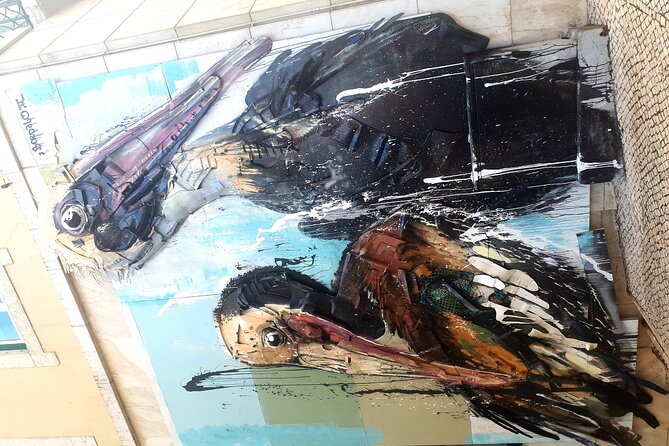
From Bairro Alto, the route continues into Chiado for about 20 minutes, then Baixa de Lisboa for another 20 minutes.
These shorter sections keep you in central Lisbon, but they are not filler. Chiado is one of the city’s best-known areas, and Baixa has broad streets and grand urban architecture. Seeing street art here shows how contemporary work interacts with a more formal, historic city center.
This part of the walk is useful if you are also interested in how public art fits into busy urban spaces. Some pieces may be large and easy to spot. Others may be tucked among signs, façades, and street furniture. The guide helps you separate the work itself from the visual noise around it.
You also get a sense of how art is perceived by the people who live and work nearby. The tour presents street art as part of a neighborhood’s culture, not as a separate attraction placed behind museum doors. That distinction matters. A mural can reflect local concerns, attract attention to an area, or change how people see an ordinary street.
Do not expect every stop to be a giant wall. If your main goal is a long sequence of enormous murals, this middle section may feel less dramatic than the final hour in Graça. Its value is the context and variety.
Mouraria and the city’s layered stories
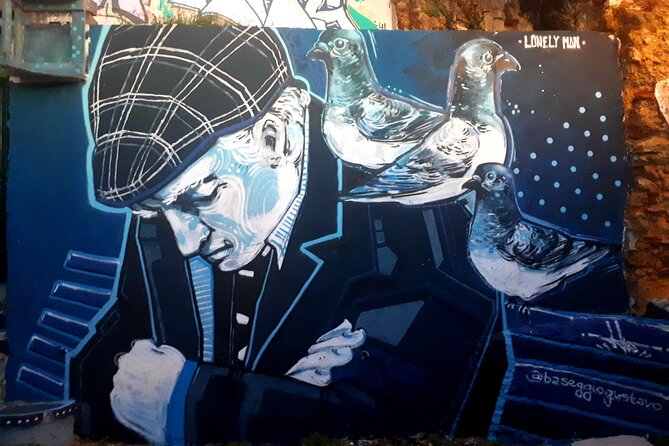
The route spends about 30 minutes in Mouraria. This neighborhood adds another layer to the tour because the guide connects the art with Lisbon’s past, present, and cultural mix.
The best explanations here go beyond naming an artist. They show how a work speaks to the area around it. You may hear about political and social themes, the evolution of street art, or the ways artists treat one another’s work. One guide even described the unwritten respect and relationships within the artist community, a subject you would not get from a photo alone.
Mouraria is also where the tour’s broader promise becomes clear. You are not simply collecting colorful backdrops. You are looking at how a city expresses itself in public. The guide can discuss Portugal’s past and current artistic voices in the same conversation.
Maria is praised for combining art with the history of Lisbon and for answering questions about neighborhoods as well as individual works. That matters because Mouraria can raise questions that do not have quick answers. What makes a piece belong to a community? Who decides whether street art is welcome? How do older local traditions sit beside new forms of expression?
The route may also include street sculptures and very small works. Keep your pace flexible so you can stop when something catches your eye.
A few other Lisbon half-days worth a look
- Lisbon City Center Tour – The Unmissable Lisbon
★ 5.0 · 22,234 reviews - Lisbon: Sintra, Pena, Regaleira, Cabo da Roca & Cascais
★ 4.7 · 19,656 reviews - Lisbon: Jerónimos Monastery Entrance Ticket
★ 4.1 · 14,164 reviews - Lisbon: History, Stories and Lifestyle Walking Tour
★ 4.8 · 10,902 reviews
Finishing in Graça after a steady climb
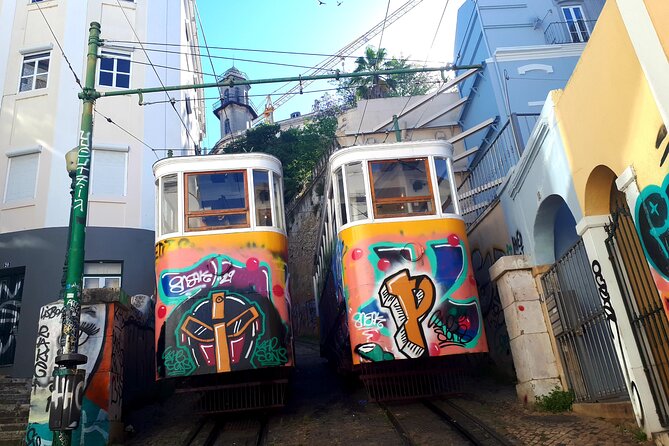
The final section takes about an hour in the Graça Historic District. This is one of the tour’s most rewarding areas, but it is also where the physical demands become clearest.
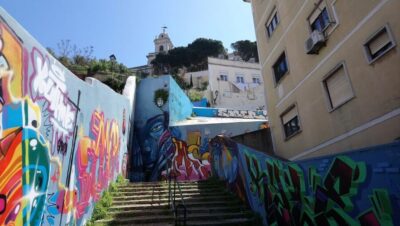
Graça is hilly, and the walk includes uneven or unpaved ground. Wear shoes with solid support. One practical point from the experience is that the pace is manageable for people who can walk for three hours, but this is not a flat promenade. You may get your daily exercise before lunch.
The reward is a change of mood and scenery. Graça offers lanes, views, and large-scale works that give the final part of the tour a strong visual finish. The route ends with several very large pieces painted on the sides of substantial buildings, according to the experience details shared by past participants.
This final hour also lets the guide pull the earlier themes together. You have seen art in nightlife areas, central streets, and neighborhood lanes. Now you can compare styles and understand how the setting affects the work.
If you are tired by this point, take a moment before each explanation begins. The tour works best when you can stop, look, and listen. Rushing through the final neighborhood would weaken the very thing that makes the walk worthwhile.
The guides make or break the experience
A street art walk depends more on the guide than a standard sightseeing route does. The walls are already there. The guide provides the meaning, background, and conversation.
Erica receives particularly strong praise for clear storytelling, art knowledge, and her ability to answer questions. She has been described as an excellent introduction to Lisbon, especially for people who know little about street art. She also shares practical suggestions about the city, nightlife, and places to consider during your stay.
Maria brings a warm, relaxed approach and links art with Portuguese history and neighborhood life. One useful detail is that she has helped visitors with onward transport from Graça, where there is no metro stop. Laith is praised for his personal connections in the street art community and for making the walk feel intimate rather than like a standard city group.
The guide names and exact assignments may change. You should think of Erica, Maria, and Laith as examples of the kind of guide associated with this experience, not a guarantee that one particular person will lead your departure.
English is the stated tour language. The strongest feedback points to guides who speak clearly and make room for questions. That is important when discussing art, history, and political themes, where a rushed explanation can lose its meaning.
What $40 gets you
At $40 per person, this is not the cheapest way to walk around Lisbon. You can see public art for free on your own. The price makes sense if you want an informed guide, a planned route through several areas, and the background that turns painted walls into part of the city’s story.
The tour lasts three hours, so the hourly cost is reasonable for a small-group cultural activity. You are paying for interpretation rather than admission. There is no museum ticket, meal, hotel transfer, or transport included.
I see the best value for a first or second day in Lisbon. You get familiar with several neighborhoods, learn how to spot street art, and finish with ideas for exploring on your own. It can also complement a standard historic walking tour. One person found it more useful for understanding Lisbon’s culture than another general historic tour, while still appreciating both.
The value is lower if you only want photographs or dislike guided discussion. You may also prefer a shorter activity if your legs, knees, or balance make three hours on hills difficult.
Practical details that affect your day
The meeting point is in front of the Interpress building at R. Luz Soriano 67. Hotel pickup and drop-off are not included, so plan your own way to the starting point.
Bring comfortable shoes. This is not a suggestion to ignore. The route crosses uneven terrain and includes hills, especially around Graça. Oversize luggage is not allowed, so leave large bags at your accommodation.
The tour is not suitable for wheelchair users because of the unpaved and uneven sections. If you need a step-free route, this experience is not a good fit.
Food and drinks are not included. Bring water if you normally need it during a long walk, though the supplied details do not specify drink arrangements along the route.
The booking terms are helpful for uncertain schedules. You can reserve now and pay later, and cancel up to 24 hours before the start for a full refund. Starting times vary, so check availability for your date.
Rain does not automatically ruin the experience. Several people had enjoyable walks in wet weather, but Lisbon’s slopes and stone surfaces deserve extra care when damp. A sunny day that is not too hot will be more comfortable.
Who will enjoy this street art walk
I recommend this tour most strongly if you like art, city neighborhoods, photography, social history, or local culture. You do not need prior art knowledge. In fact, the route seems especially useful if you are curious but unsure how to approach street art.
It suits solo visitors, couples, and small groups. The small-group format allows more room for questions and conversation. It also gives the guide a chance to adjust the pace and learn names quickly.
You should book it if you want to see parts of Lisbon beyond the postcard center. The route uses famous districts, but it directs your attention toward side streets, overlooked details, and works that do not appear on a typical sightseeing list.
I would hesitate if you want a relaxed, seated activity, a flat route, or guaranteed access for a mobility device. I would also avoid scheduling it immediately before another demanding walking tour unless you are comfortable being on your feet for much of the day.
Should you book the Lisbon Street Art Tour?
Book it if you want Lisbon to make more sense after you leave. The best feature is not simply the number of murals. It is the way the guide connects art, artists, politics, neighborhood identity, Portuguese culture, and small visual details.
At $40, the tour earns its price through explanation and access to areas you might not otherwise explore. Erica, Maria, and Laith are all praised for warmth, clear English, strong art knowledge, and lively storytelling, though your guide will depend on the date.
Wear good shoes, pack light, and expect hills. If that sounds like a fair exchange for a fresh view of Lisbon, this is an excellent three-hour choice. You may finish by noticing pieces everywhere, which is exactly what a good street art tour should teach you to do.
FAQ
How long does the Lisbon Street Art Tour last?
The tour lasts three hours.
How much does the tour cost?
The price is $40 per person.
What neighborhoods does the tour visit?
The route includes Bairro Alto, Chiado, Baixa de Lisboa, Mouraria, and the Graça Historic District.
Where does the tour start?
Meet the guide in front of the Interpress building at R. Luz Soriano 67.
What language is the tour offered in?
The live tour guide speaks English.
Is hotel pickup included?
No. Hotel pickup and drop-off are not included.
What should I bring?
Bring comfortable shoes because the route includes unpaved or uneven terrain.
Is the tour suitable for wheelchair users?
No. The tour is not suitable for wheelchair users because of the walking surfaces and route conditions.
Can I cancel the tour?
Yes. You can cancel up to 24 hours in advance for a full refund. You can also reserve now and pay later.
New around Lisbon
- Arrábida, Setúbal, Sesimbra, Olive with wine tasting★ 5.0 · 75 reviews
- Lisbon: Sunset Sailing Boat Cruise with Wine★ 5.0 · 75 reviews
- Lisbon Half Day Private Tour★ 5.0 · 75 reviews
- Private Half Day Tour to Fatima from Lisbon★ 5.0 · 75 reviews
- Fátima, Nazaré and Óbidos Private Tour from Lisbon★ 5.0 · 76 reviews
- Lisbon Historic City Tour by Tuk-Tuk★ 5.0 · 76 reviews
- Central Lisbon 3-Hour Guided E-Bike Tour★ 4.8 · 76 reviews
- Sintra World Heritage and Cascais Village Private Deluxe Tour★ 5.0 · 76 reviews
Street Art, compared.
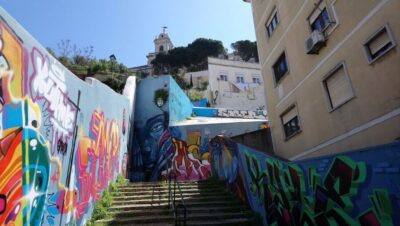


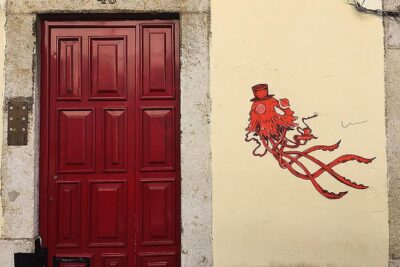
3-Hour Guided Street Art Walking Tour of Lisbon
Read our review →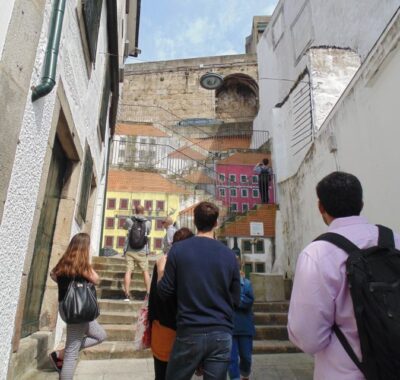

Browse the lists this tour appears in