
Reviewed · MUSEUMS
Lisbon: National Tile Museum E-Ticket & Audio Guide
Lisbon’s National Tile Museum tells the story of Portugal through painted ceramic, and the Mickey Mouse tile panel gives the visit an unexpected modern twist. You’ll also see Mudéjar patterns, a striking diamond-patterned panel, and the delicate Dona Leonor Chapel inside a former convent setting.
I like the freedom to explore at your own speed, and I like having the museum’s story available offline on your phone. The English audio guide adds useful background about Portugal’s tile industry, though its room-by-room order can be confusing if you do not select the section that matches where you are standing.
The $16 price is fair if you want an easy, self-guided visit and plan to use the audio. It is less compelling if you mainly want entry, since wall labels are available and the audio requires your own compatible phone and headphones.
Key points to know before you go
- The Mickey Mouse panel adds a playful surprise: It is one of the museum’s memorable pieces and breaks up the older religious and decorative work.
- The 16th-century tiles provide the historical heart: You’ll see how Portuguese tile work developed from earlier Islamic and medieval patterns.
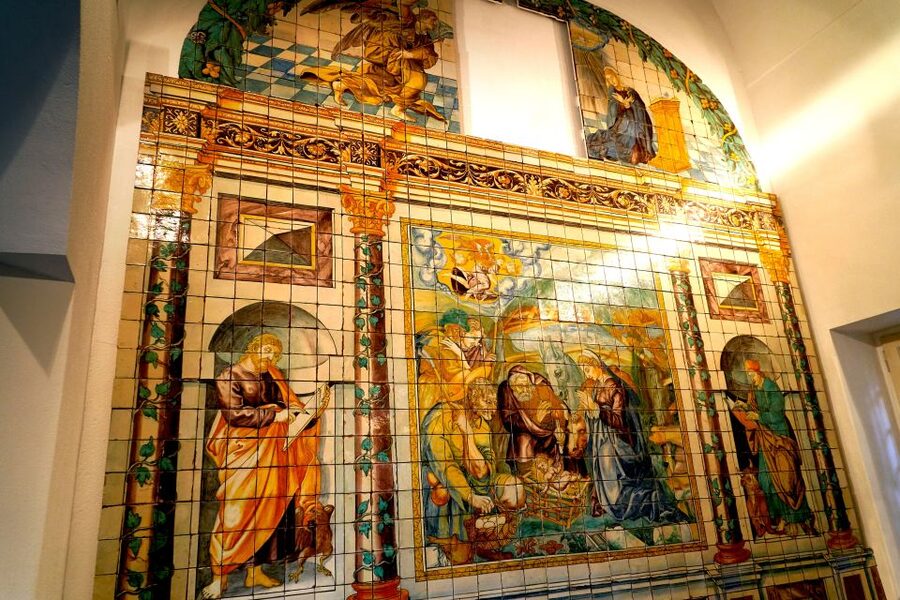
- The Dona Leonor Chapel is a must-see room: Its tile decoration shows how ceramics were used to shape sacred interiors.
- The audio guide works best when you choose exhibits manually: It offers strong background, but it does not always follow the physical route in perfect order.
- The visit can take longer than two hours: A quick pass fits the stated one to two hours, while careful listening and close viewing may call for about three hours.
- You need one phone per audio user: Download the app and offline material before arriving, and bring headphones.
Why Lisbon’s tile museum deserves your time
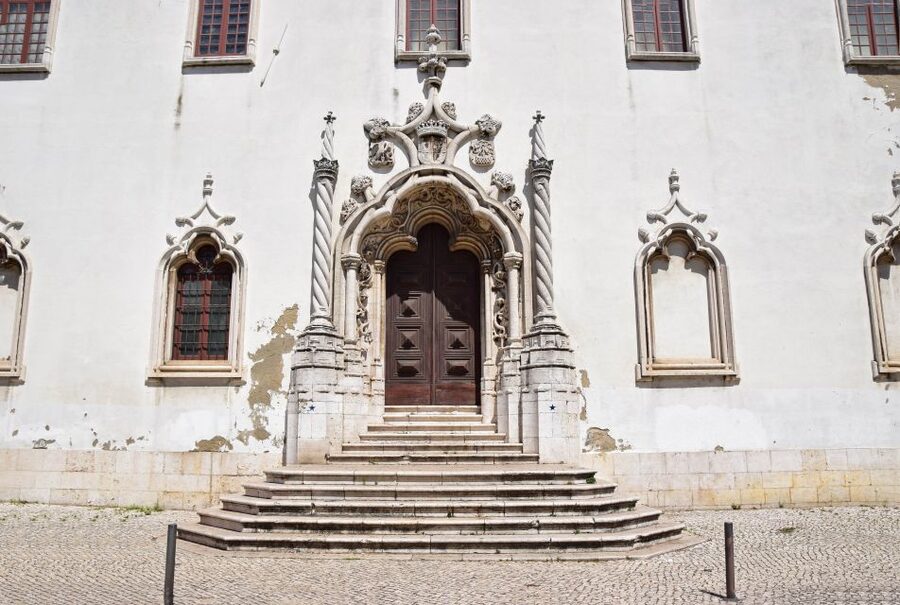
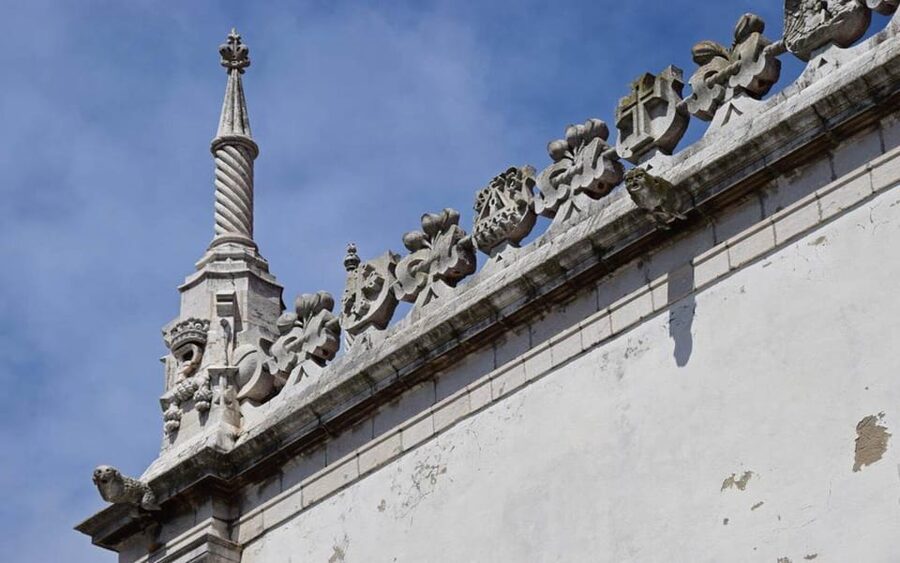
Lisbon is full of tiled façades, stairways, churches, and railway stations, but the National Tile Museum explains where that visual language came from. Instead of seeing tiles only as pretty surface decoration, you begin to understand their links to religion, trade, design, and daily life in Portugal.
The museum traces tile production from medieval examples through later Portuguese work and into modern pieces. That broad time span gives you a useful frame for the city outside. After visiting, a blue-and-white façade is no longer just a photogenic wall. You can look for repeated patterns, religious scenes, geometric designs, and changes in technique.
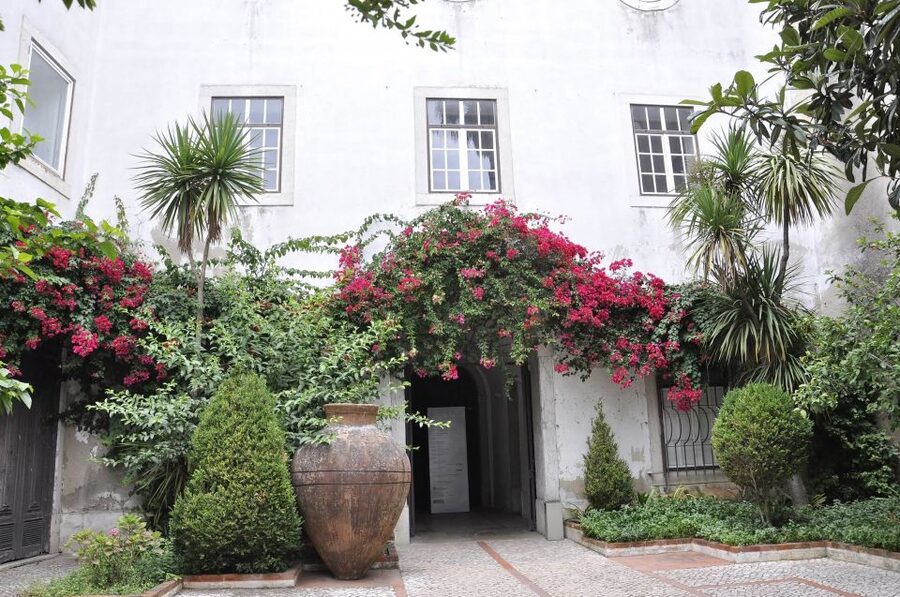
The setting itself adds to the experience. The museum occupies a former convent, and the Dona Leonor Chapel is one of the most memorable spaces. You can also take a break in the pretty garden area near the café, where tables and chairs provide a useful spot for food and drink.
At $16 per adult, this is a reasonably priced cultural stop in Lisbon, especially if you value independence. The ticket, skip-the-line service, audio content, text, and maps are bundled together. You are paying for convenience as well as admission.
Still, the value depends on how you use the audio. If you listen carefully and take your time, the ticket can support a substantial visit. If you skip most of the narration, you may find the admission alone easier to justify than the full package.
More Museums in Lisbon
- Lisbon: Luz Stadium Tour & SL Benfica Museum Ticket w/Scarf
★ 4.7 · 3,264 reviews - Lisbon: National Tile Museum Entry Ticket
★ 4.6 · 868 reviews - Lisbon: Banksy Museum Permanent Exhibition Entry Ticket
★ 4.7 · 506 reviews
Getting inside with an e-ticket
Your ticket arrives by email, along with instructions for downloading the app and audio content. Check your spam folder if the message does not appear. You need an Android phone running version 5.0 or later, or an iPhone that meets the stated compatibility requirements.
The audio content works offline and uses about 100 to 150 MB of storage. Download it before you reach the museum, rather than trying to sort out the app at the entrance. You also need your own smartphone and headphones, since neither is supplied.
The ticket includes skip-the-line service, but you should not read that as a guarantee of instant entry. Long queues can still form at the entrance, and you may have to wait before going inside. Site rules or crowd control can also change the route through the museum, so follow the instructions given on the day.
Children up to age 12 enter free. Free and reduced admission tickets must be obtained on-site and do not include skip-the-line privileges. If you are booking this product for more than one person, remember that the booking is made per device used for the audio, not simply per participant.
The experience is listed as a small group activity limited to 10 people, but the core visit is self-guided rather than led by a live guide. That distinction matters. You will not have a person walking you from room to room or answering questions as you go.
The first rooms: patterns, craft, and Portugal’s past
Begin by getting your bearings before pressing play on every available section. The audio guide contains short stories, facts, and less familiar details about Portugal’s medieval past and the later development of its tile industry.
The museum’s older work includes patterned tiles with strong geometric designs. The Mudéjar examples are especially useful for showing how Islamic artistic influence shaped decoration in Iberia. Their repeated forms reward a slow look, since the design is about balance and structure rather than a single central image.
You’ll also encounter a 16th-century tile work that helps connect the museum’s early material to the later Portuguese tradition. The precise order of the rooms may not always match the audio’s sequence, so I suggest checking the image or room selection in the app before listening.
This is the main practical weakness of the guide. The narration is generally clear and packed with information, but it can leave you listening to an earlier section while you have already moved ahead. If you need to save time, skip directly to the room or exhibit that matches your location.
The good news is that you can replay sections as often as you wish. You can also ignore parts that do not interest you, then return to them later. That flexibility is useful in a museum where some rooms call for a quick look and others reward several minutes.
The Dona Leonor Chapel and the power of tile
The Dona Leonor Chapel gives the museum one of its strongest visual pauses. Here, tile is not merely a practical covering or decorative border. It helps create the mood and identity of a sacred room.
Look at how the patterned surfaces work with the architecture. The chapel makes it easier to understand why tile became so important in Portugal. It could cover large areas, create repeated visual rhythm, and bring color into interiors without relying only on painted decoration.
The audio guide places individual objects within wider stories, which can make the chapel more meaningful than a quick photograph suggests. You learn about the traditions behind the work and how tile production developed over time.
You do not need to follow every audio stop to appreciate the room. If the app’s order becomes frustrating, use the wall labels and move at your own pace. The museum provides enough written information to support a visit even if your phone battery runs low or the app does not behave as expected.
The building and courtyard also help break up the concentration required by the exhibits. The garden near the café is a pleasant place to sit, eat, or have a drink. That makes the museum easier to fit into a longer day than a smaller display space with nowhere to pause.
More museums around Lisbon:
- Lisbon: Belem, Jeronimos Monastery, and Coach Museum Tour
★ 4.8 · 478 reviews - Lisbon: MAAT Gallery and MAAT Central Entry Tickets
★ 4.1 · 422 reviews - Lisbon: 3D Fun Art Museum Admission Ticket
★ 4.6 · 401 reviews - Lisbon SL Benfica Stadium & Museum Tour with Scarf
★ 4.5 · 327 reviews
The Mickey Mouse panel and later surprises
The Mickey Mouse tile panel is an unusual highlight because it shifts the mood. After older religious, geometric, and decorative work, a recognizable modern character catches your eye immediately.
It also makes a useful point about the museum’s scope. Portuguese tile culture did not stop with medieval patterns or historic church decoration. The collection reaches into later periods and shows that tile remains a living form of visual expression.
The diamond-patterned panel offers a different pleasure. Its appeal comes from repetition, precision, and the way a simple shape can create a larger surface effect. I recommend stepping back to see the overall pattern, then moving closer to inspect the individual tiles.
These pieces are good reminders not to rush through the museum looking only for famous objects. A small section of repeated design may tell you as much about craft and production as a major panel. The audio can help you notice these details, but you should leave room for your own viewing.
If you are visiting with children, the Mickey Mouse work may provide an easy point of interest. The free admission for children up to 12 makes the museum more affordable for families, although each person using the audio will still need access to a suitable device and headphones.
Making sense of the smartphone audio guide
The audio guide is in English and includes narration, text, and maps that can be used offline. I like this format for independent museum visits because you can pause, repeat, or skip material without waiting for a group.
Its main problem is navigation. The audio does not always proceed in the same order as your walk through the building. You may need to select a photo or room manually, and the app does not appear to provide enough guidance at the start for every user.
Before you begin, spend a minute learning how to move between sections. Match the image in the app to the room you are in instead of simply pressing play from the first entry and walking forward. That small adjustment can prevent you from feeling permanently behind.
The narration is information-heavy. That will suit you if you want context about Portugal’s tile industry, medieval culture, and the individual displays. If you prefer a light visit, listen to the introduction and a few major stops, then rely on the labels.
You can also treat the audio as a reference rather than a strict route. Play a section, pause it while you look, and replay a difficult passage. The ability to listen several times is one of the package’s better features.
The guide is not a substitute for a live specialist. There is no person to answer a question, explain an object in response to your interests, or adjust the pace for your group. For many visitors, that trade-off is worthwhile because the price remains moderate and the visit stays private and flexible.
How much time should you allow?
The listed duration is one to two hours. That is enough for a focused visit, especially if you view the main panels, chapel, and key historic sections without listening to every recording.
I would allow closer to two hours if you want the audio to shape your visit. If you read the labels, replay sections, and spend time with the patterns, you may need around three hours.
That extra time is not required for everyone. The museum works well as either a compact cultural stop or a slower half-day addition, depending on how closely you look. You can skip audio sections, return to material, and take a break in the garden near the café.
Starting times vary, so check availability when booking. The visit ends back at the meeting point, though the exact meeting point can vary with the option selected.
Accessibility and practical comfort
The museum is wheelchair accessible, which is important for anyone planning a museum visit around mobility needs. The exact route can change, so follow the site’s instructions during your visit.
The main comfort issue is the entrance queue. Even with skip-the-line service included, you may still need to wait. Build a little spare time into your schedule instead of arranging a tight connection immediately afterward.
Bring headphones that are comfortable for extended listening. Since the audio is on your own device, check its charge before leaving and download the material in advance. The 100 to 150 MB storage requirement is modest, but you need room available on the phone.
The app does not work with Windows Phones, iPhone 5, iPhone 5C, earlier iPhone models, iPod Touch 5th generation or earlier, iPad 4th generation or earlier, or the first-generation iPad Mini. If your device is older, plan to use the museum’s wall labels rather than assuming the audio will run.
Who will get the most from this visit?
I would choose this experience if you want to understand Lisbon’s tile tradition rather than simply photograph a few colorful walls. The audio adds useful context, and the museum’s range makes it worthwhile for people interested in art, architecture, religious spaces, Portuguese culture, or design.
It also suits independent visitors who dislike fixed group pacing. You can spend more time with the diamond-patterned panel, move quickly through a section that feels less relevant, or replay the chapel explanation without holding anyone else up.
Families may appreciate the free admission for children up to 12 and the Mickey Mouse panel. Just remember that the audio setup is better for older children who can use a phone and headphones without constant help.
I would hesitate if you do not have a compatible smartphone, dislike app-based tours, or want a live guide. The museum remains visitable without the audio, but part of the ticket’s value comes from the digital commentary.
Should you book the National Tile Museum ticket?
Book it if you want a self-guided museum visit with a clear historical thread, offline audio, and the freedom to set your own pace. The Dona Leonor Chapel, Mudéjar designs, 16th-century work, and Mickey Mouse panel give the visit enough variety to hold your attention.
The $16 cost is sensible when you use the narration and take your time. I would download everything before arriving, learn how to select rooms in the app, and allow at least two hours. If you mainly want admission and are comfortable reading wall labels, you may prefer a simpler on-site ticket.
FAQ
How long does the National Tile Museum visit take?
The stated duration is one to two hours. You may spend about three hours if you listen to most of the audio, read the labels, and take time with the exhibits.
Is a live guide included?
No. The experience includes an English audio guide for your smartphone, but there is no live guide.
Do I need my own phone and headphones?
Yes. You need a compatible Android or iOS smartphone and your own headphones. The smartphone and headphones are not included.
Is the audio guide available offline?
Yes. Offline text, audio narration, and maps are included. You need around 100 to 150 MB of storage space on your phone.
Is the museum wheelchair accessible?
Yes, the museum is wheelchair accessible.
Can I cancel the booking for a refund?
Yes. You can cancel up to 24 hours in advance for a full refund.
More Audio Tours in Lisbon
- Lisbon: National Palace of Ajuda E-Ticket & City Audio Guide
★ 4.1 · 87 reviews - Sintra: Quinta da Regaleira E-Ticket and Audio Guide
★ 4.2 · 1,731 reviews - Pinhão: 2-Hour Rabelo Boat Tour with Audio Guide
★ 4.3 · 1,224 reviews - Sintra: Castle of the Moors & Quinta Entry with Audio Guides
★ 4.3 · 252 reviews
More Self-Guided Tours in Lisbon
- Lisbon: São Jorge Castle E-Ticket and Audio Guide
★ 4.3 · 2,182 reviews - Lisbon: Tram 28 Entry Ticket & Audio Guide with 24-Hour Pass
★ 4.0 · 930 reviews - Lisbon: Jerónimos Monastery E-Ticket and Audio Guide
★ 3.7 · 660 reviews - From/To Lisbon: Sintra Hop-on Hop-off Tickets + Audio Guide
★ 3.7 · 119 reviews
New around Lisbon
- Arrábida, Setúbal, Sesimbra, Olive with wine tasting★ 5.0 · 75 reviews
- Lisbon: Sunset Sailing Boat Cruise with Wine★ 5.0 · 75 reviews
- Lisbon Half Day Private Tour★ 5.0 · 75 reviews
- Private Half Day Tour to Fatima from Lisbon★ 5.0 · 75 reviews
- Fátima, Nazaré and Óbidos Private Tour from Lisbon★ 5.0 · 76 reviews
- Central Lisbon 3-Hour Guided E-Bike Tour★ 4.8 · 76 reviews
- Lisbon Historic City Tour by Tuk-Tuk★ 5.0 · 76 reviews
- Sintra World Heritage and Cascais Village Private Deluxe Tour★ 5.0 · 76 reviews
Museums, compared.

Cálem Cellar Tour, Interactive Museum & Wine Tasting
Read our review →
Luz Stadium Tour & SL Benfica Museum Ticket w/Scarf
Read our review →

Banksy Museum Permanent Exhibition Entry Ticket
Read our review →
Belem, Jeronimos Monastery, and Coach Museum Tour
Read our review →

Browse the lists this tour appears in