
Reviewed · MUSEUMS
Lisbon: National Tile Museum Entry Ticket
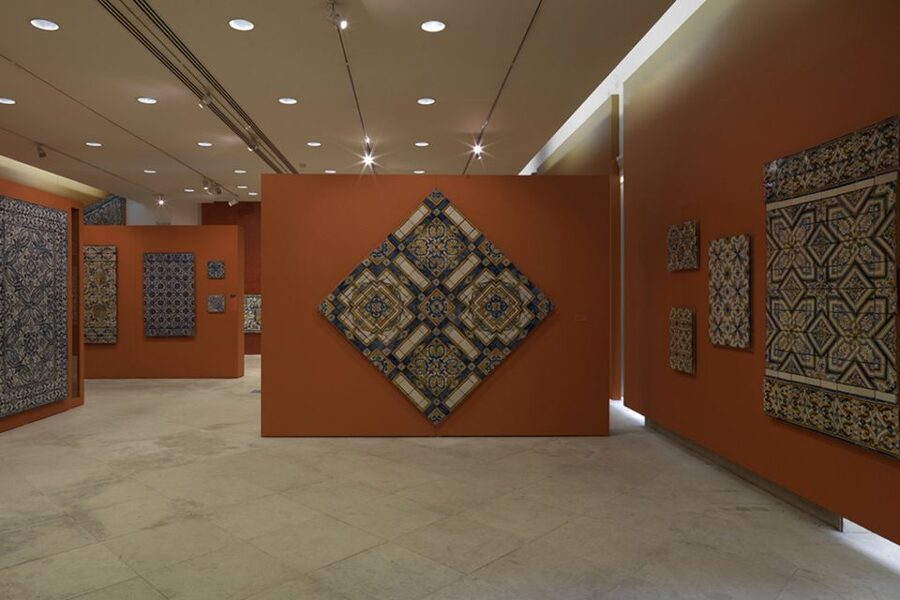
Portugal’s famous azulejos are more than pretty blue-and-white squares. At Lisbon’s National Tile Museum, you see how tiles changed over centuries, how they were made, and how they became part of the country’s buildings, churches, and daily life. The collection begins in the second half of the 15th century and continues to modern work.
I like two things especially here: the chronological route, which makes the changing styles easy to follow, and the setting in the former Madre Deus Convent. The church, cloister, chapel, carved wood, paintings, and gardens give the visit much more weight than a standard display hall.
The main thing to consider is location and timing. This is not a quick stop beside Lisbon’s central squares, and the museum closes from 1:00 to 2:00 pm. The ticket is also non-refundable, so check your day carefully before booking.
Key points to know before you go
- 15th-century beginnings: See Portuguese tile work develop from early decorative examples to large-scale panels and modern designs.
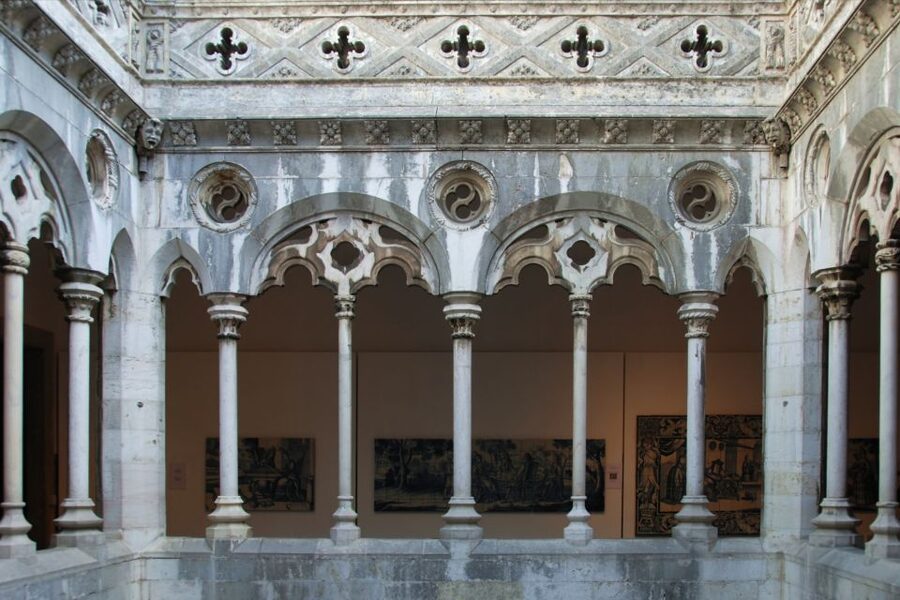
- A former convent: The Madre Deus setting includes a church, 16th-century cloister, sacristy, high choir, and Saint Anthony Chapel.
- A large Lisbon panorama: Leave time for the city display on the upper floor, one of the museum’s most memorable sights.
- More than azulejos: The collection also includes ceramics, porcelain, and faience from the 17th to the 21st century.
- A flexible one-day ticket: Visit during the museum’s opening hours rather than following a fixed tour schedule.
- Plan for a break: The on-site café and garden seating make it easy to turn a 90-minute visit into a relaxed couple of hours.
Why the National Tile Museum is worth your time
I understand why a tile museum might not be at the top of your Lisbon list. The city offers grand viewpoints, old neighborhoods, and famous monuments. Yet this museum explains one of the details you keep noticing all over Portugal: the decorated tile panel.
The visit works because it combines art, craft, architecture, and history. You are not simply looking at rows of individual tiles. You are seeing how small ceramic pieces became wall-sized scenes, religious decorations, architectural trim, and records of changing taste.
The collection covers work from the second half of the 15th century to the present day. That range gives you a useful way to read Lisbon after you leave. Once you understand the patterns, colors, and panel designs, tiled façades around the city become easier to notice and interpret.
At $11 per person, the ticket offers good value if you are interested in art, architecture, Portuguese culture, or historical buildings. It is also a sensible rainy-day choice, though one visitor found the interior short on ventilation during a hot day. I would avoid the warmest hours if possible, especially since some rooms are inside an old convent rather than a modern, climate-controlled gallery.
More Museums in Lisbon
- Lisbon: Luz Stadium Tour & SL Benfica Museum Ticket w/Scarf
★ 4.7 · 3,264 reviews - Lisbon: Banksy Museum Permanent Exhibition Entry Ticket
★ 4.7 · 506 reviews - Lisbon: Belem, Jeronimos Monastery, and Coach Museum Tour
★ 4.8 · 478 reviews
Entering the Madre Deus Convent
The museum occupies the former Convent of Madre Deus, founded by Queen D. Leonor in 1509. That fact matters because the building is part of the collection. You move through spaces that were designed for worship and convent life, not built as neutral museum rooms.
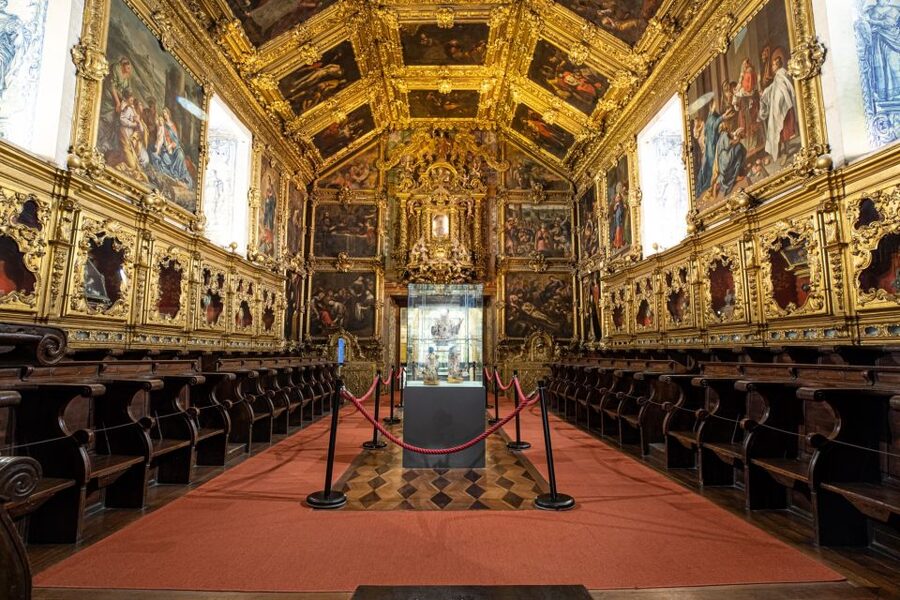
The former convent went through several building campaigns. Those changes left you with a layered visit: a 16th-century Mannerist cloister, a church decorated with paintings and tiles, a sacristy with a Brazilian wood cabinet, carved wood frames, and paintings, plus a high choir with elaborate gilded woodwork.
The church and chapel are among the strongest parts of the visit. They show tiles in their original architectural role, where they cover walls and work alongside paintings, carved wood, and religious furnishings. The Saint Anthony Chapel has an 18th-century Baroque decoration and canvases by André Gonçalves.
I would not rush through these rooms to reach the main tile displays. The building explains why Portuguese tile work is so powerful. A panel looks different when you see it as part of a whole interior rather than as a loose object behind glass.
The cloister adds another change of pace. Its arcades and decorative details offer a quieter setting, and the convent layout gives the museum a sense of discovery without requiring a large amount of walking.
Following Portuguese tile-making from the 15th century onward
The permanent exhibition begins with materials and techniques used to manufacture tiles. This short introduction is useful even if you already know a little about ceramics. It gives you a basic framework for understanding the objects that follow.
From there, the route is arranged in chronological order. I prefer this approach because you can watch styles develop rather than trying to compare unrelated pieces in random rooms. The arrangement also helps families and younger visitors, who may find a clear timeline easier to follow than a purely artistic display.
The collection includes decorative ceramic tiles from the 15th century through contemporary work. You can also see ceramics, porcelain, and faience from the 17th to the 21st century. This wider material helps place azulejos within Portuguese decorative arts instead of treating them as an isolated specialty.
Expect different styles and uses as you move through the museum. Some displays focus on decorative patterns, while others present scenes and larger compositions. The scale changes too, from individual examples to broad arrangements that show what tile work could do across an entire wall.
The museum is especially useful if you want context for Lisbon’s public buildings and older homes. You learn to look beyond the familiar blue-and-white image. Portuguese tile work includes many colors, periods, techniques, and visual effects.
One limitation is that not every piece has extensive detail beside it. If you want a full explanation of the making process, tools, and production methods, you may wish for more information in the galleries. An audio tour can help, but the available audio option requires you to download an app and use your own headphones.
The Lisbon panorama and the biggest visual payoff
Set aside time for the large Lisbon city display on the upper floor. It is one of the museum’s most memorable features because it shows the city through tile work rather than from a lookout point.
The panorama gives the collection a direct connection to Lisbon. Instead of seeing decorative scenes only as historic objects, you can think about how tiles recorded places, buildings, and city life. It also rewards a slower look, so do not treat the upper floor as the final room to pass through quickly.
The displays can be more elaborate than you might expect from the museum’s modest ticket price. Large scenes and carefully arranged panels make the collection feel substantial. I would allow at least 90 minutes for a focused visit, and closer to two hours if you want to read the displays, inspect the architecture, and stop at the café.
Art lovers may want longer. Families with teenagers can also manage the visit well, especially if you frame it as a story about changing colors, patterns, materials, and design rather than as a traditional art lecture.
More museums around Lisbon:
- Lisbon: MAAT Gallery and MAAT Central Entry Tickets
★ 4.1 · 422 reviews - Lisbon: 3D Fun Art Museum Admission Ticket
★ 4.6 · 401 reviews - Lisbon SL Benfica Stadium & Museum Tour with Scarf
★ 4.5 · 327 reviews - Lisbon: Customized Luz Stadium and Guided Museum Tour
★ 4.8 · 147 reviews
A museum that works on a rainy day
Lisbon’s tile museum is a practical choice when the weather turns wet. Much of the experience is indoors, and the old convent provides shelter while giving you plenty to look at.
That said, the building is historic, not a purpose-built contemporary museum. Rooms may feel warm on a hot day, and ventilation was a concern during at least one visit. Wear comfortable clothes and shoes, carry water, and plan a pause instead of trying to race through.
The ticket is valid for one day, with entry available during the listed opening hours. You do not need to build your entire day around a guided departure time. The museum is open Tuesday through Sunday from 10:00 am to 1:00 pm and from 2:00 pm to 6:00 pm, with last entry at 5:30 pm.
The one-hour closure at midday is easy to overlook. If you arrive near 12:45 pm, you may have to leave before finishing and return later. I would aim for the morning opening or arrive after 2:00 pm, especially if you want the café and garden as part of the visit.
Café, gardens, and a slower finish
The on-site café gives the museum a useful stopping point. Garden seating makes it a pleasant place to pause after the galleries, and it can turn a concentrated museum visit into a comfortable couple of hours.
If you want to eat first, allow extra time. The café can fill up, and a stop before the museum may work better if you are visiting around a meal. The setting also helps younger visitors reset after the more formal rooms.
There is a gift shop as well, though the main reason to come is the collection and building. I like having a quiet outdoor space attached to a museum because it lets you process what you have seen instead of stepping straight back into the city.
Getting the most from the $11 ticket
At $11, this is a low-cost cultural visit by Lisbon standards, especially given the number of rooms and the historic setting. You receive admission to the National Tile Museum, but not a guided tour, transportation, food, or any special package.
Do not assume the ticket is a skip-the-line pass. The activity information specifically says it is not a skip-the-line entry ticket. Some booking experiences may make advance purchase feel faster, but the safest expectation is ordinary entry at the main entrance. Show your ticket when you arrive.
Because the ticket is non-refundable, book only after checking your schedule. The one-day validity is convenient, but it does not mean you can use it on a different date.
The museum is wheelchair accessible, which makes the ticket suitable for many visitors with mobility needs. For everyone else, comfortable shoes remain a good idea because you may spend up to two hours moving through the former convent and its displays.
Bring an ID card or passport, a camera, water, and comfortable clothing. Photography may be an important part of your visit, especially in the church, chapel, and large tile displays, but follow any signs and staff directions inside.
Who will enjoy this museum most
I would recommend the museum to anyone who has noticed Portugal’s tiled buildings and wants to understand them better. It is a particularly good choice for art lovers, architecture fans, history-minded visitors, and people looking for something different from Lisbon’s major monuments.
Families can do well here too. The changing styles and large scenes give children and teenagers visual details to hunt for, while the convent spaces prevent the visit from feeling like one long line of cases.
It is less suitable if you want a fast, central attraction with a guide telling stories at every stop. No guide is included, and the information beside individual works may not always answer every question. The audio option adds help, but you need the app and your own headphones.
You can pair the museum with another attraction in the area if your schedule allows. The Lisbon Aquarium is described as a short Uber ride away, so some visitors plan both for the same day. Since no transport is included with this ticket, organize that connection yourself and leave enough time for the museum’s midday closure.
My practical plan for visiting
I would arrive close to 10:00 am or after the 2:00 pm reopening. Start with the introductory section on materials and techniques, then follow the chronological route without rushing.
Next, spend proper time in the church, sacristy, cloister, high choir, and Saint Anthony Chapel. These spaces are not side attractions. They are central to understanding the relationship between tile, architecture, painting, and religious decoration.
Finish with the upper-floor Lisbon panorama, then stop at the café or garden if you want a breather. That order keeps the museum’s main story intact and leaves the most city-focused display fresh in your mind.
A realistic visit takes about 90 minutes. Plan two hours if you want to use the café, look closely at the displays, or take photographs. On a hot day, carry water and avoid arriving just before the 1:00 pm closing.
Should you book the National Tile Museum ticket?
Yes, if you want a reasonably priced, self-paced visit that combines Portuguese tile work with a remarkable convent interior. The church, chapel, cloister, and Lisbon panorama make this much more than a collection of decorative squares.
I would skip it only if your Lisbon schedule is extremely tight or if you prefer museums with extensive labels and a live guide. For most visitors with a spare couple of hours, the $11 admission is a strong value, especially on a rainy day or when you want a calmer cultural stop away from the busiest city sights.
FAQ
How much does the National Tile Museum ticket cost?
The ticket costs $11 per person.
How long is the ticket valid?
The ticket is valid for one day. Check availability for the applicable starting times.
What are the museum’s opening hours?
The museum is open Tuesday through Sunday from 10:00 am to 1:00 pm and from 2:00 pm to 6:00 pm. Last entry is at 5:30 pm.
Is the National Tile Museum open every day?
No. It is closed on Mondays, January 1, Easter Sunday, May 1, June 13, and December 25.
Is this a skip-the-line ticket?
No. The activity information specifically says this is not a skip-the-line entry ticket.
Where do I enter?
Enter through the National Tile Museum’s main entrance and show your ticket on arrival. The activity ends back at the meeting point.
Is the museum wheelchair accessible?
Yes, the activity is described as wheelchair accessible.
What should I bring?
Bring a passport or ID card, comfortable shoes, a camera, water, and comfortable clothing.
New around Lisbon
- Arrábida, Setúbal, Sesimbra, Olive with wine tasting★ 5.0 · 75 reviews
- Lisbon: Sunset Sailing Boat Cruise with Wine★ 5.0 · 75 reviews
- Lisbon Half Day Private Tour★ 5.0 · 75 reviews
- Private Half Day Tour to Fatima from Lisbon★ 5.0 · 75 reviews
- Fátima, Nazaré and Óbidos Private Tour from Lisbon★ 5.0 · 76 reviews
- Central Lisbon 3-Hour Guided E-Bike Tour★ 4.8 · 76 reviews
- Lisbon Historic City Tour by Tuk-Tuk★ 5.0 · 76 reviews
- Sintra World Heritage and Cascais Village Private Deluxe Tour★ 5.0 · 76 reviews
Museums, compared.

Cálem Cellar Tour, Interactive Museum & Wine Tasting
Read our review →
Luz Stadium Tour & SL Benfica Museum Ticket w/Scarf
Read our review →

Banksy Museum Permanent Exhibition Entry Ticket
Read our review →
Belem, Jeronimos Monastery, and Coach Museum Tour
Read our review →


Entry Ticket at WOW – The Wine Experience Museum
Read our review →Browse the lists this tour appears in