
Reviewed · FATIMA & OBIDOS DAY TRIPS
Lisbon: Full Day Tour to Fátima, Batalha, Nazaré and Óbidos
Fátima, Batalha, Nazaré, and Óbidos give you four very different views of Portugal in one long day. You move from one of the country’s most important religious sites to a grand monastery, an Atlantic fishing town, and a walled medieval town. That variety is the real appeal.
I like the way the tour combines major sights that are difficult to connect by public transport with plenty of local explanation along the road. I also like the chance to see Nazaré’s coast and Óbidos in the same outing, then try the town’s famous sour cherry liqueur. The main drawback is time: nine hours is enough for an introduction, but not enough for slow, detailed visits at every stop.
Key points to know before booking
- Four very different stops: Fátima, Batalha, Nazaré, and Óbidos each offer a distinct side of Portugal.
- Hotel pickup in Lisbon: You begin and end at your Lisbon hotel, avoiding a separate trip to a meeting point.
- A guide makes the difference: Guides such as Luis, Andre, Beatrice, and Stefano have been praised for clear explanations, good local advice, and friendly service.
- Nazaré lunch is at your own cost: The stop is designed for a meal and Atlantic views, but food is not included in the $116 price.
- Small groups or private touring: A small group may become a private experience if few people book that day.
- Best for active sightseers: Mobility is required, since the tour is not suitable for people with mobility impairments.
Why this full-day route works from Lisbon
Portugal’s central region is packed with places that deserve attention, but they are spread out. A rental car gives you freedom, yet driving, parking, and keeping track of opening times can turn the day into work. This tour handles the driving and links four major stops in about nine hours.
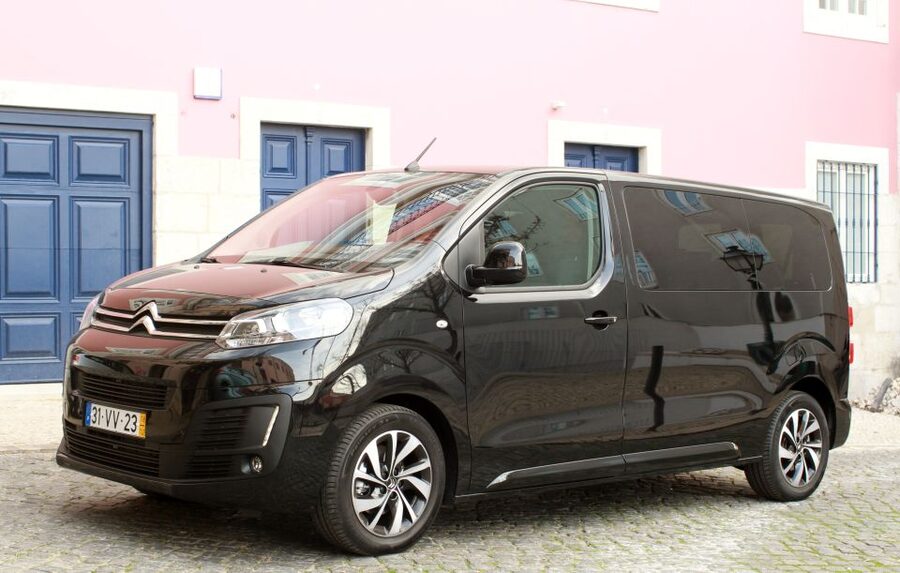
The route begins with roughly 1.5 hours in a van from Lisbon. That is a meaningful stretch of road, so you should expect a full day rather than a relaxed half-day outing. The payoff is range: by evening, you will have seen a pilgrimage center, a royal monastery, a fishing town, and a fortified medieval town.
The $116 price includes hotel pickup and drop-off, transport, a full-day guide, and a tasting of sour cherry liqueur. It does not include lunch or other meals. I consider that reasonable if you value convenience and live commentary, especially since private or small-group options are available. If you already have a car and prefer to set your own pace, the value is less clear.
The guide can speak English, Italian, Spanish, German, or French. English-speaking guides named in the feedback include Luis, also called Lewis in Portuguese pronunciation, Andre, Beatrice, Stefano, Jaime, and Gustafa. The exact guide depends on the departure, but the repeated strength of the experience is personal attention and practical explanation.
A few other Lisbon half-days worth a look
- Three Cities in One Day: Porto, Nazare and Obidos from Lisbon
★ 4.5 · 3,572 reviews - From Lisbon: Fátima, Nazaré, Batalha, and Óbidos Guided Tour
★ 4.7 · 3,060 reviews - From Lisbon: Fatima Batalha Nazaré & Óbidos Small-Group Tour
★ 4.7 · 2,563 reviews
Fátima and the story of the 1917 apparitions
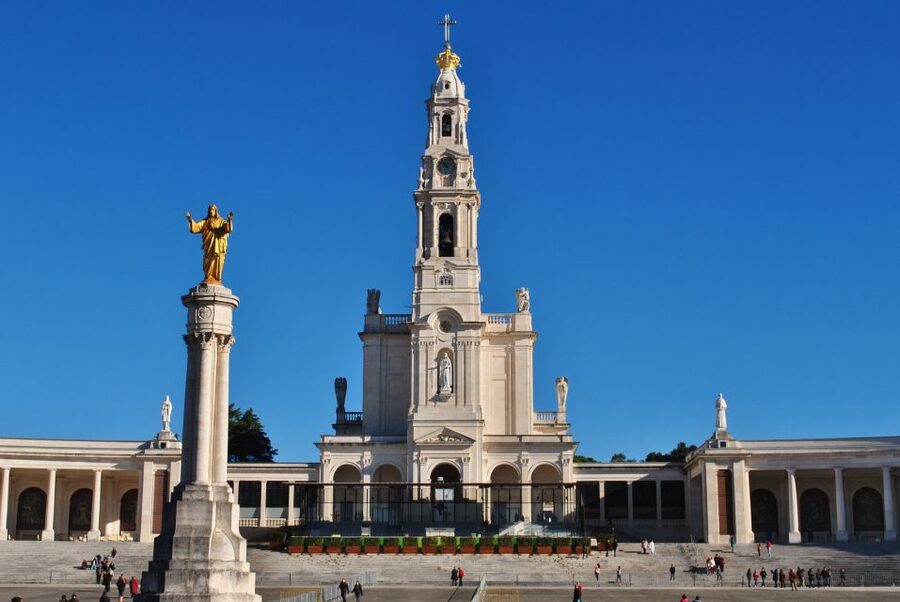
Fátima is the emotional center of the day. It is Portugal’s most famous pilgrimage site, linked to the 1917 apparitions in which three young shepherds reported seeing the Virgin Mary. Even if you are not religious, the scale and purpose of the sanctuary make this a significant Portuguese place.
Your visit includes the Chapel of Apparitions, built at the spot associated with the event. This is the place to pause and understand why Fátima matters to so many people. The tour gives you the background first, then time to look around rather than leaving you to guess what you are seeing.
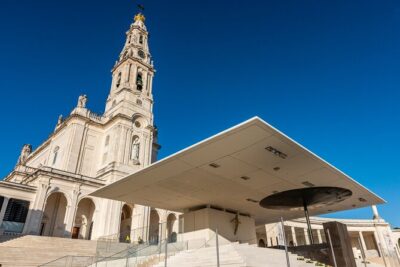
The Basilica of Our Lady of the Rosary contains the tombs of the three shepherds. Its setting gives the story a more personal feel, connecting the famous account to the children at its center. You then see the Basilica of the Holy Trinity, the sanctuary’s more modern counterpart.
I like this stop because it allows room for different responses. You can pray, observe quietly, focus on the architecture, or simply learn about a major part of Portuguese religious life. The guide’s role matters here. Diane’s guide, Luis, was specifically praised for explaining enough to help visitors explore independently while also showing them where to go and what to notice.
Do not expect a museum-style visit with every minute filled. Fátima is a functioning place of worship, so the experience is partly about atmosphere and personal reflection. Depending on the day, you may also find the open space and large buildings more impressive than intimate. Keep your visit focused, since three more stops remain.
Batalha Monastery and Portugal’s royal story
Batalha is the architectural highlight for many people. The Monastery of Batalha was ordered by King John I to mark Portugal’s victory over Castile at the Battle of Aljubarrota, a conflict tied to the country’s independence. That political background gives the building more meaning than a quick look at its carved stonework would provide.
Inside, you see the tomb of King John I and his wife, along with the tombs of their children. The site also includes the tomb of Prince Henry the Navigator, a key figure in Portugal’s Age of Discoveries. The monastery therefore connects military victory, royal power, family memory, and the later expansion of Portugal overseas.
This is where a guide can save you from simply admiring a large church and moving on. You will get a clearer sense of why the monastery was built and how the royal tombs fit into the country’s story. The visit includes guided touring and free time, which is a useful mix. Listen first, then take a closer look at the details that catch your eye.
Batalha deserves proper attention, but the schedule means you are unlikely to study every architectural feature. If medieval and Gothic architecture is your main interest, you may wish for more time here. For most people, though, the guided introduction gives the stop weight without turning the day into a specialist architecture tour.
One practical point: Batalha is not just a photo stop. You are entering an important religious and historic building, so comfortable shoes and a willingness to walk are sensible. The activity is specifically not suitable for people with mobility impairments, and the complete day includes several walking visits.
Nazaré for Atlantic views and a self-paid lunch
Nazaré changes the mood completely. After two stops shaped by religion, monarchy, and national history, you reach a traditional fishing village near the Atlantic coast. The ocean views are a major reason this stop works so well in the middle of the day.
Lunch is not included, so this is your chance to choose and pay for your own meal. The guide can point you toward a suitable place, and the available feedback highlights well-chosen restaurants, including a lunch setting in front of the beach. That kind of local help is valuable when you have limited time and do not want to spend the whole break comparing menus.
You should budget for the meal separately. The tour price covers transport and guiding, not food, so the final cost will be higher than $116. On the other hand, leaving lunch open gives you some control over how much you spend and what kind of break you want.
Nazaré is also a good place to slow down for a few minutes. Take in the sea air, look toward the coast, and notice the contrast between the town’s fishing identity and its role as a popular seaside stop. The tour description calls it a quiet traditional fishing village, though the feel can vary by season and time of day.
The limitation is timing. You are visiting Nazaré as one part of a four-stop route, not staying for a full coastal holiday. If your top priority is the Atlantic coast, a dedicated Nazaré excursion would give you more time. Here, the town works best as a scenic lunch stop with enough guided context to make it more than a quick photo break.
Same coastline, a completely different day out:
- Lisbon City Center Tour – The Unmissable Lisbon
★ 5.0 · 22,234 reviews - Lisbon: Sintra, Pena, Regaleira, Cabo da Roca & Cascais
★ 4.7 · 19,656 reviews - Lisbon: Jerónimos Monastery Entrance Ticket
★ 4.1 · 14,164 reviews - Lisbon: History, Stories and Lifestyle Walking Tour
★ 4.8 · 10,902 reviews
Óbidos, old walls, and a small glass of ginjinha
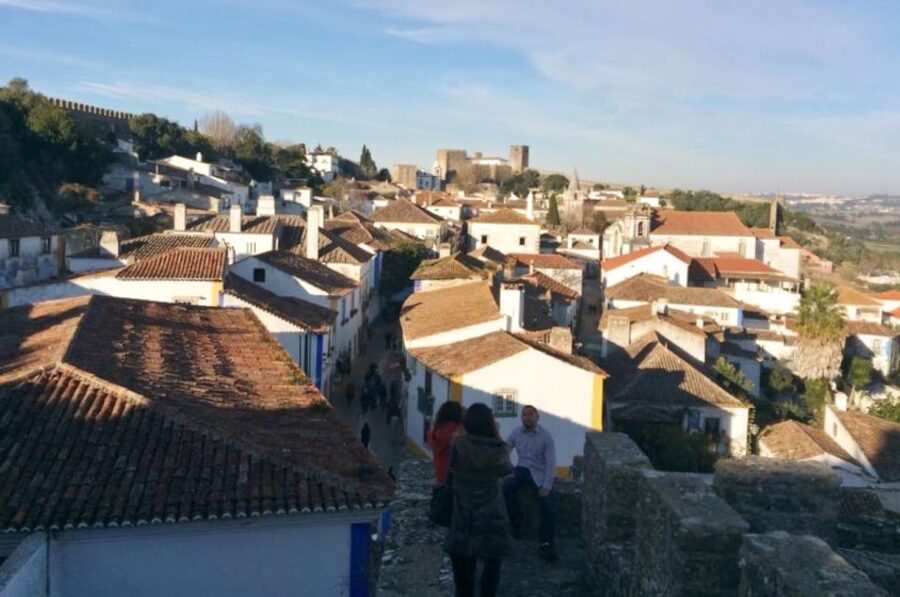
Óbidos is the most immediately charming stop. Its medieval-looking streets sit inside old walls, and the compact setting makes it easy to explore on foot during the available free time. After the solemn scale of Fátima and the formal grandeur of Batalha, Óbidos feels lighter and more playful.
The signature local taste is sour cherry liqueur, commonly known as ginjinha. A tasting is included, which gives you a simple way to try something associated with the town without arranging it yourself. You will see the liqueur sold around Óbidos, often served in a small edible chocolate cup, though the provided tour details do not promise a particular serving style.
I like ending here because the town is easy to enjoy without a long lecture. Walk the narrow streets, look up at the old walls, and use your free time for photographs or a drink. The guide’s introduction gives you a sense of place, then you can explore at your own pace.
There is one caution. Óbidos is built for walking, and the old streets may be uneven or steep in places. That makes the stop less comfortable for anyone with limited mobility. It also means you should avoid treating this as a shopping-only visit. The walls, streets, and views are the main reason to be here.
What the guide adds to the day
This route covers enough ground that the guide is more than a driver. You need someone to explain why Fátima matters, connect Batalha to the Battle of Aljubarrota, suggest a good lunch in Nazaré, and help you use your free time in Óbidos.
The strongest feedback centers on guides who are warm, flexible, and easy to talk with. Andre was described as both a safe driver and an excellent history guide. Luis was praised for his local knowledge, language skills, and ability to make the day feel personal. Beatrice was noted for clear English and an engaging manner, while Stefano was appreciated for adding context at every stop.
One unusual detail came from a day with Luis, who spoke five languages and even used the musicality of Portuguese and other languages as part of the conversation. That tells you something useful about the tone of this tour: the best guide may offer more than memorized facts and help you notice how Portugal sounds, speaks, and presents itself.
Group size can shape the experience. Private and small-group options are available, and several bookings turned into private tours when only two people signed up. That can mean more flexibility, more questions, and less waiting. It is not guaranteed, so check the option you select when booking.
The pace, transport, and practical tradeoffs
Nine hours sounds generous, but the day has four stops and a long initial drive. You should think of this as an efficient overview, not four separate in-depth tours. The schedule is well designed for a first visit when you want to see beyond Lisbon without spending several nights away.
Hotel pickup and drop-off are major conveniences. You do not need to navigate Lisbon before sunrise or find a distant meeting point. Pickup is available from your hotel lobby in Lisbon, and you return to the city at the end of the day.
The van is practical for the route, though any vehicle day can feel tiring when combined with walking. Wear comfortable shoes, carry water, and keep your expectations realistic. You will have free time at Batalha, Nazaré, and Óbidos, but the overall plan remains guided and timed.
Skip-the-ticket-line access is included. That can protect your limited time, particularly at a major stop, though it does not mean you will avoid every busy moment at popular sites. Start times vary, so check the available departure when choosing your date.
The cancellation policy is flexible: you can cancel up to 24 hours before departure for a full refund. You can also reserve now and pay later, which helps if your Lisbon plans are still shifting.
Who should book this tour?
I would recommend it to you if you are staying in Lisbon and want a broad introduction to central Portugal in one day. It suits couples, families with older children, and small groups with mixed interests. One person can focus on religion, another on architecture, another on the coast, and everyone gets a town with food and local flavor.
It is particularly useful if you do not want to rent a car. The route is hard to combine comfortably without private transport, and the guide adds context that a self-guided drive may lack. The small-group or private format is also a good fit if you prefer conversation over a large coach tour.
I would think twice if you want long visits at each place, a leisurely seaside afternoon, or a dedicated religious pilgrimage. Fátima, Batalha, and Óbidos can each fill more time than this schedule allows. You should also reconsider if walking is difficult, since the activity is not suitable for people with mobility impairments.
Should you book the Fátima, Batalha, Nazaré, and Óbidos tour?
Book it if your priority is variety and convenience. For $116, you get hotel transport, a full day on the road, a multilingual guide, four strong destinations, and a cherry liqueur tasting. Add the cost of lunch, and it remains a fair price for a small-group or private-style day, especially when you factor in the time and effort saved.
The best reason to choose it is the balance of experiences. Fátima brings spiritual importance, Batalha brings royal architecture, Nazaré brings the Atlantic, and Óbidos brings medieval streets and local flavor. Just accept the tradeoff: you will sample each place rather than master any one of them.
FAQ
How long does the Lisbon tour last?
The tour lasts nine hours, including pickup from and return to Lisbon.
Which places does the tour visit?
The route includes the Sanctuary of Our Lady of Fátima, Batalha and its monastery, Nazaré, and Óbidos.
Is hotel pickup included?
Yes. Hotel pickup and drop-off in Lisbon are included, with pickup available from your hotel lobby.
Is lunch included in the tour price?
No. Meals are not included, so you pay separately for lunch in Nazaré.
Is the sour cherry liqueur tasting included?
Yes. A tasting of sour cherry liqueur is included during the visit to Óbidos.
Which languages are available for the live guide?
Live guiding is available in English, Italian, Spanish, German, and French.
Can I cancel the booking or pay later?
You can cancel up to 24 hours in advance for a full refund. Reserve now and pay later is also available.
New around Lisbon
- Arrábida, Setúbal, Sesimbra, Olive with wine tasting★ 5.0 · 75 reviews
- Lisbon: Sunset Sailing Boat Cruise with Wine★ 5.0 · 75 reviews
- Lisbon Half Day Private Tour★ 5.0 · 75 reviews
- Private Half Day Tour to Fatima from Lisbon★ 5.0 · 75 reviews
- Fátima, Nazaré and Óbidos Private Tour from Lisbon★ 5.0 · 76 reviews
- Central Lisbon 3-Hour Guided E-Bike Tour★ 4.8 · 76 reviews
- Lisbon Historic City Tour by Tuk-Tuk★ 5.0 · 76 reviews
- Lisbon Cinematic Photoshoot with Top-Rated Photographer★ 5.0 · 76 reviews
Fatima & Obidos Day Trips, compared.

Three Cities in One Day: Porto, Nazare and Obidos from Lisbon
Read our review →
Fátima, Nazaré, Batalha, and Óbidos Guided Tour
Read our review →
Fatima Batalha Nazaré & Óbidos Small-Group Tour
Read our review →
Fatima, Batalha, Nazare, Obidos – Small Group
Read our review →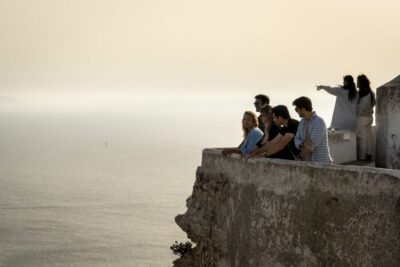
Fatima, Nazare, Obidos 8-People Small Group, Day-Tour from Lisbon
Read our review →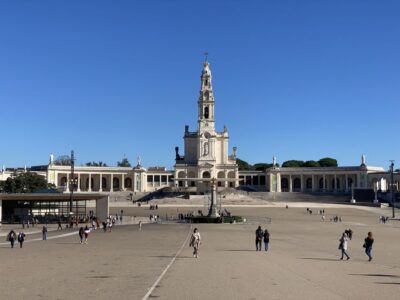
Fátima, Batalha, Nazaré, and Obidos Tour by Van
Read our review →Browse the lists this tour appears in