Reviewed · LISBON TOURS
Discover Lisbon’s Alfama: Secrets of the Old Town
Lisbon’s oldest quarters make the most sense on foot, and this walk takes you from the broad, central setting of Rossio into the tight lanes and steep streets of Alfama. Along the way, you get church interiors, castle views, and stories about the earthquake and fires that changed the city.
I like the strong historical focus, especially the stop inside Igreja de São Domingos. I also like the practical route: you begin at Rossio and finish near Lisbon Cathedral, close to restaurants for lunch.
The main consideration is the payment setup. The booking price is only $3.62, but the guide asks for a contribution of €10 to €20. You should treat that tip as part of the real cost, not as an optional surprise at the end.
Key points about the Alfama walking tour
- Starts in Rossio: Begin at Praça Dom Pedro IV, one of central Lisbon’s most useful orientation points.
- Includes Igreja de São Domingos: Go inside this church for its story, unusual details, and links to Lisbon’s troubled past.
- Covers São Jorge Castle: Learn about the hill’s very long human history and see the castle area without paying an admission charge through this tour.
- Explains the earthquake: The walk connects Lisbon’s old streets and ruined buildings with the disasters that reshaped the city.
- Finishes by Lisbon Cathedral: End near restaurants and public transportation, making lunch or a second sightseeing stop easy.
- Uses a pay-what-you-feel model: The listed booking price is low, but a €10 to €20 contribution to the guide is expected.
From Rossio Square into Lisbon’s oldest quarter
The tour begins at Praça Dom Pedro IV, usually called Rossio Square. This is a sensible meeting point because it sits in central Lisbon and is close to public transportation. It also gives you a clear starting contrast: Rossio is open and formal, while Alfama quickly becomes narrow, irregular, and built around the slopes below the castle.
You spend about 20 minutes at the opening stop and nearby streets. This part is useful for getting your bearings before the climb toward Alfama. The guide uses the route to introduce key parts of Lisbon and explain how the central city connects with the older neighborhood.
I like this beginning because it avoids dropping you straight into a maze of alleys. You start with a recognizable square, then gradually move into the older quarter. That makes the change in architecture and street plan easier to understand.
The walk is not simply a list of photo stops. The included stories and legends help explain why Lisbon feels layered. You hear about destruction in the past, including the earthquake that altered much of the city, rather than seeing old buildings as isolated monuments.
A few other Lisbon half-days worth a look
- Lisbon City Center Tour – The Unmissable Lisbon
★ 5.0 · 22,234 reviews - Lisbon: Sintra, Pena, Regaleira, Cabo da Roca & Cascais
★ 4.7 · 19,656 reviews - Lisbon: Jerónimos Monastery Entrance Ticket
★ 4.1 · 14,164 reviews
Teatro Nacional Dona Maria II from the outside
The next stop is Teatro Nacional Dona Maria II, where the guide discusses the theater from the exterior. You spend about 10 minutes here, with no admission charge.
This is a short stop, but it gives the walk a useful cultural pause. The theater is one of Lisbon’s well-known landmarks, and learning about it from the square helps connect the city’s public buildings with its broader history.
Do not book this walk expecting a theater visit. The program specifically covers the building from outside. That is fine if you want a quick architectural and historical explanation, but it may feel brief if you hoped to see the interior or attend a performance.
The guide-led format is valuable here. A building can be easy to photograph and easy to forget. A few clear facts and stories give it a place in the larger route, even though you do not go in.
Inside Igreja de São Domingos
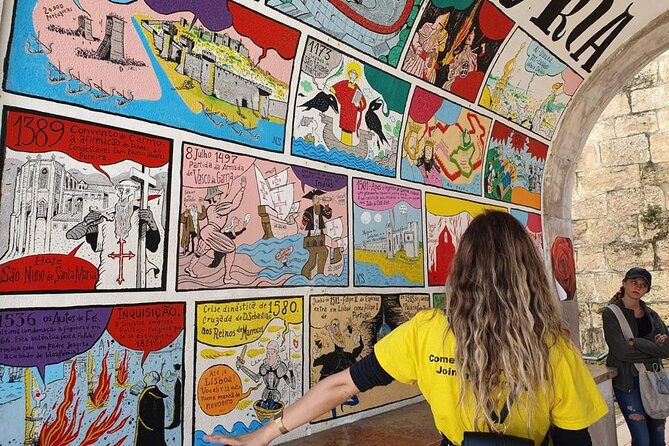
Igreja de São Domingos is the most distinctive stop for many people on this route because you go inside. The visit lasts about 15 minutes, and admission is included.
The church carries visible reminders of Lisbon’s difficult past. The tour focuses on its history and unusual facts, giving you a chance to see how fire, earthquake damage, and later restoration can remain part of a building’s character.
I especially like having an interior stop in a walking tour that otherwise moves through public streets. It breaks up the uphill route and gives the guide a quieter setting for explanation. You are not only looking at grand façades from a pavement. You are also stepping into a place shaped by centuries of worship and disaster.
Fifteen minutes is enough for an introduction, but not for a long, detailed church visit. If you want to study every feature, you may need to return on your own. The advantage is that the stop keeps the overall walk moving and leaves plenty of time for the route toward Alfama.
The earthquake stories that give Lisbon context
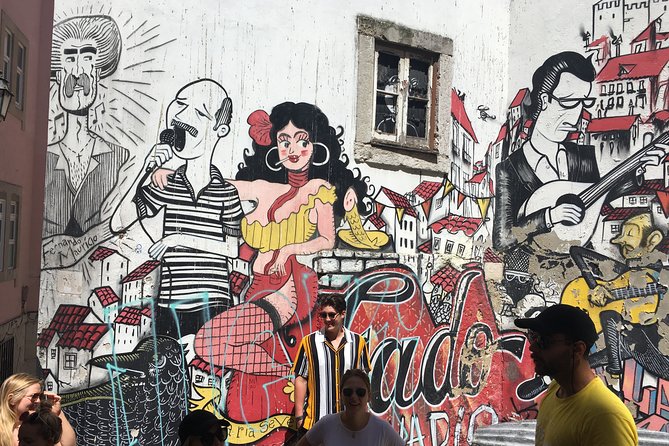
Lisbon’s earthquake and later destruction are central to the experience. That focus matters because the city’s appearance can otherwise seem confusing. Some areas feel orderly and planned, while Alfama follows a much older, less regular pattern.
The guide uses stories about past damage to explain why parts of Lisbon look the way they do. You get a clearer sense of how disaster affected buildings, streets, and the city’s identity. This is one of the tour’s best features for first-time visitors, since it turns scattered facts into a simple story you can follow as you walk.
You should expect legends as well as historical explanation. That mix suits an old neighborhood, where stories have been passed through generations and where every lane seems to invite a tale. At the same time, the description does not promise an academic lecture, so this is better for a lively introduction than for specialist study.
A guide also helps you notice connections you might miss alone. You may see a church, a street, or a wall, but the explanation tells you why it matters and how it fits into Lisbon’s past.
Same coastline, a completely different day out:
- Lisbon: History, Stories and Lifestyle Walking Tour
★ 4.8 · 10,902 reviews - Lisbon: Sunset Boat Party Cruise with DJ and Open Bar
★ 4.5 · 10,378 reviews - Lisbon: Pena Palace, Sintra, Cabo da Roca, & Cascais Daytrip
★ 4.7 · 9,981 reviews - Lisbon: Oceanário de Lisboa Entrance Ticket
★ 4.6 · 9,943 reviews
Reaching São Jorge Castle and the castle hill
The route continues toward Castelo de São Jorge, Lisbon’s hilltop castle. The castle area receives about 15 minutes, with no admission charge included for the tour.
The castle hill has a long record of human occupation, reaching back at least to the eighth century BC, while fortifications on the site date to at least the first century BC. That gives the stop a much older time frame than the city buildings around Rossio.
The guide’s treatment is best understood as an outside look and historical orientation rather than a full castle admission visit. The supplied details describe the stop and no paid entrance is included, so you should not assume that your tour ticket covers entry into the castle grounds or interiors.
Even a short stop here has value. The castle is a key reference point for understanding Lisbon’s older quarters, and its position above Alfama explains the neighborhood’s slopes and views. You also get a strong sense of how the city developed around a fortified hill.
If the castle itself is high on your Lisbon list, plan a separate visit and check its admission arrangements. This walking tour gives you context, not a full castle tour.
Ending near Lisbon Cathedral
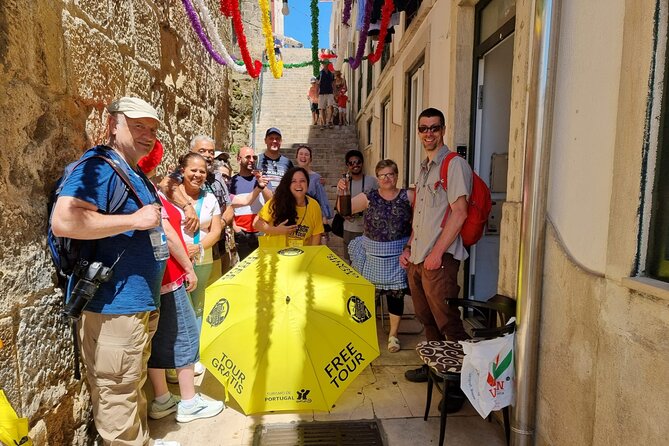
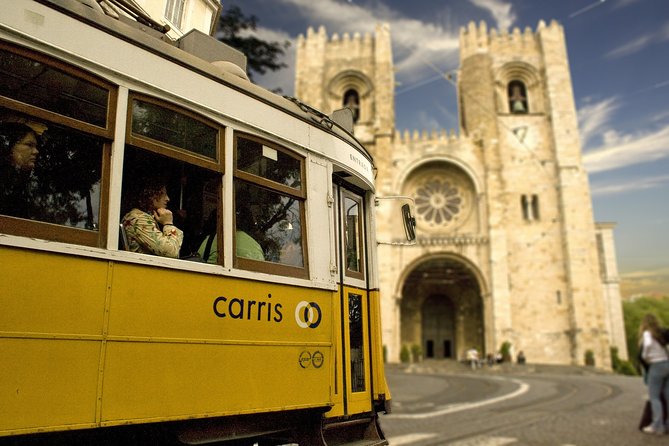
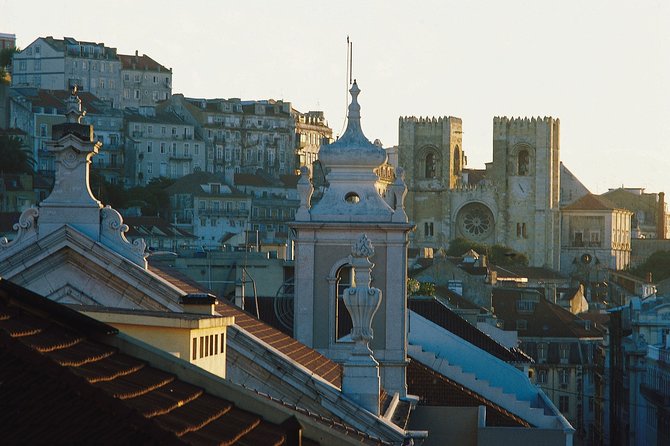
The walk ends on the street by Lisbon Cathedral, officially Sé de Lisboa, at Largo da Sé. This is a practical finish. You are left near restaurants for lunch, and the end point places you in another important part of the old city.
Ending here gives the route a natural shape. You move from Rossio, through central landmarks and church history, up toward the castle area, and then finish near the cathedral in Alfama. You can continue exploring on foot, stop for food, or use the nearby transport connections.
I like tours that finish somewhere useful rather than sending you back to the starting point. You do not lose time retracing the same streets. The end point also lets you decide what comes next based on your energy and interests.
The route lasts about two and a half hours, so allow extra time for pauses, photos, and the walk to or from the meeting point. This is a walking tour on Lisbon’s hills, not a flat city stroll.
How demanding is the walk?
You need a moderate level of fitness. The route heads toward Alfama and the castle hill, so uneven streets, inclines, and extended walking are part of the experience. The exact pace and difficulty can vary with the group, but the physical requirement is stated clearly.
Wear shoes that feel secure on old streets. You should also be comfortable walking for roughly two and a half hours without transport support, since no transport ticket is included.
The group can reach up to 100 people. That is a large possible maximum, and it affects the feel of the experience. A small group may allow easier conversation with the guide, while a large group can make it harder to hear or stay close on narrow streets.
If the tour is full, remain near the guide at stops and listen carefully before the group moves. The route’s main value comes from the explanations, not just from reaching each landmark.
The guide and the English presentation
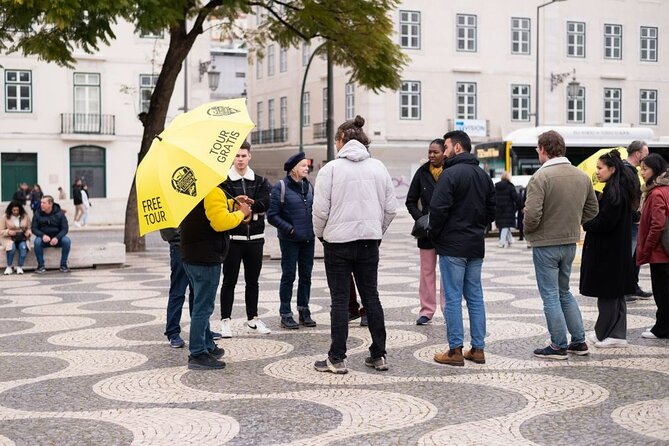
The tour is offered in English with an expert local guide. One guide specifically associated with the experience is Valeria. Her approach is described as pleasant, easy to talk to, and strong on Lisbon’s history, which is exactly the sort of style that works well on a city walk.
A local guide can add texture that a guidebook may not provide. You get legends, stories of destruction, and explanations tied to the actual streets around you. The walk is designed to make Lisbon’s landmarks easier to understand while keeping the tone accessible.
Still, guide quality can vary from one departure to another. Valeria received especially warm praise, but you should not assume she will lead every date. The operator identifies the guide as a local expert, while the named feedback points to her as one successful example.
The tour also offers discounts for other tours during the day and at night. That may interest you if you want to build a larger sightseeing plan with the same provider, though the value depends on the cost and content of those additional tours.
Is $3.62 a good value?
At $3.62 per person, the booking price looks exceptionally low for a two-and-a-half-hour guided walk. You receive an English-speaking local guide, historical stories, a church visit, and a route through several major parts of old Lisbon.
But the real price needs a closer look. The tour asks for a €10 to €20 contribution to the guide. You should budget for that amount when comparing this walk with other Lisbon tours. At the lower end, the total can still be good value for a long guided introduction. At the higher end, you should compare the route, group size, and guide arrangements with paid tours that publish one all-inclusive price.
The low upfront price may suit you if you prefer the pay-what-you-feel model. It gives you a chance to judge the experience before deciding how much to contribute. Some people like that flexibility.
Others prefer clear pricing from the start. The unusual payment structure has caused confusion, since the booking price is small and the tour may be described on the day as free. Go in prepared: the guide’s contribution is part of the expected arrangement.
Who should book this Lisbon walk?
I would choose this tour if you want a first look at Lisbon’s oldest quarters and prefer stories over a long museum visit. It suits people who want the basics of Rossio, Alfama, the castle hill, a historic church, and the city’s earthquake in one route.
It also works well early in a Lisbon visit. The walk can help you understand the old city before you explore it alone. Afterward, you will know where the cathedral, castle area, and restaurant streets fit together.
You may want something else if you dislike hills, large groups, or pay-what-you-feel pricing. It is also not the right choice if your main goal is to spend substantial time inside São Jorge Castle or Teatro Nacional Dona Maria II. The castle stop is short, and the theater is covered from outside.
The tour requires good weather. If poor weather cancels it, you are offered another date or a full refund. A minimum number of participants is also required, and a cancellation for that reason comes with the same choice of another date, another experience, or a full refund.
You can cancel for a full refund up to 24 hours before the start time. Changes or cancellations made less than 24 hours before the start are not accepted for a refund.
Should you book Discover Lisbon’s Alfama walk?
Book it if you want an inexpensive, story-led introduction to Lisbon and you are comfortable budgeting an additional €10 to €20 for the guide. The route covers several useful landmarks without transport, and the stop inside Igreja de São Domingos adds something more memorable than a standard street-only walk.
I would be especially inclined to book it for a first morning in Lisbon, provided you have moderate fitness and good walking shoes. Just remember that the published price is not the whole cost, the group may be large, and São Jorge Castle is not presented as a full paid admission visit.
FAQ
Where does the tour start?
The tour starts at Rossio Square, Praça do Rossio, 1100-200 Lisboa, Portugal.
Where does the tour end?
It ends near Lisbon Cathedral at Largo da Sé 1, 1100-585 Lisboa, Portugal. Restaurants are available nearby for lunch.
How long does the walking tour last?
The walking tour lasts approximately two hours and 30 minutes.
What language is the tour offered in?
The tour is offered in English.
Is admission included at the stops?
Admission is included for the listed Rossio stop. Teatro Nacional Dona Maria II is viewed from outside, Igreja de São Domingos has free admission, and no admission charge is included for Castelo de São Jorge.
Do I need to pay anything besides the booking price?
You should plan for a contribution of €10 to €20 to the guide. Alcoholic drinks, wine, and ginjinha tastings are not included, and no transport ticket is provided.
Is the walk physically demanding?
A moderate level of physical fitness is required. The route is a walking tour through Lisbon’s older streets and includes the area around the castle hill.
Can I cancel for a refund?
Yes. You can cancel up to 24 hours before the experience for a full refund. Poor weather or failure to meet the minimum number of participants can also lead to another date or a full refund.
New around Lisbon
- Arrábida, Setúbal, Sesimbra, Olive with wine tasting★ 5.0 · 75 reviews
- Lisbon: Sunset Sailing Boat Cruise with Wine★ 5.0 · 75 reviews
- Lisbon Half Day Private Tour★ 5.0 · 75 reviews
- Private Half Day Tour to Fatima from Lisbon★ 5.0 · 75 reviews
- Fátima, Nazaré and Óbidos Private Tour from Lisbon★ 5.0 · 76 reviews
- Central Lisbon 3-Hour Guided E-Bike Tour★ 4.8 · 76 reviews
- Lisbon Historic City Tour by Tuk-Tuk★ 5.0 · 76 reviews
- Sintra World Heritage and Cascais Village Private Deluxe Tour★ 5.0 · 76 reviews
Lisbon Tours, compared.
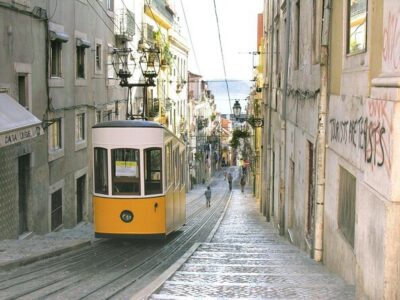
Lisbon City Center Tour – The Unmissable Lisbon
Read our review →
Sintra, Pena, Regaleira, Cabo da Roca & Cascais
Read our review →

Sunset Boat Party Cruise with DJ and Open Bar
Read our review →
Pena Palace, Sintra, Cabo da Roca, & Cascais Daytrip
Read our review →