

Reviewed · WALKING TOURS
Alfama Walking Tour Lisbon
Lisbon’s oldest quarters make the most sense on foot, and this 2.5-hour walk from Rossio to Alfama gives you a useful first look at the city’s stories, viewpoints, churches, and steep lanes. You begin at Praça Dom Pedro IV and finish by Lisbon Cathedral, so the route moves naturally from central Lisbon into its oldest hilltop district.
I like the mix of big landmarks and small local treats. You get the outside of Dona Maria II National Theatre, the dark and unusual interior of Igreja de São Domingos, and a stop at Portas do Sol. Pastel de nata and ginja served in chocolate cups may also appear along the way, depending on the guide and day.
The main drawback is the climb. This is classic hilly Lisbon, and the hot sun can make the walk tiring. One poor experience also involved a late start and a guide attempting to enter during a Good Friday service, so timing and good judgment can vary. The overall rating is still a strong 4.9 out of 5 from 302 ratings, with 97 percent recommending it.
Key points to know before you book
- Rossio to Alfama route: Start at Praça Dom Pedro IV and finish at Lisbon Cathedral, with central sights along the way.
- A real uphill walk: Expect Lisbon’s cobbled slopes and bring comfortable shoes, water, sunscreen, and a hat.
- Strong guide-led storytelling: Natalia, Belen, Guilherme, Ana, Vivian, and Valérie are among the guides praised for humor, warmth, clear history, and flexibility.
- Church and earthquake stories: Igreja de São Domingos and Lisbon’s past destruction give the tour more depth than a simple photo walk.
- Views at Portas do Sol: This is one of the route’s best pauses for seeing Alfama spread across the hillside.
- Excellent low-cost value: The listed price is $0.35 per person, with no transport ticket or drinks included.
Starting in Rossio, Lisbon’s natural meeting place
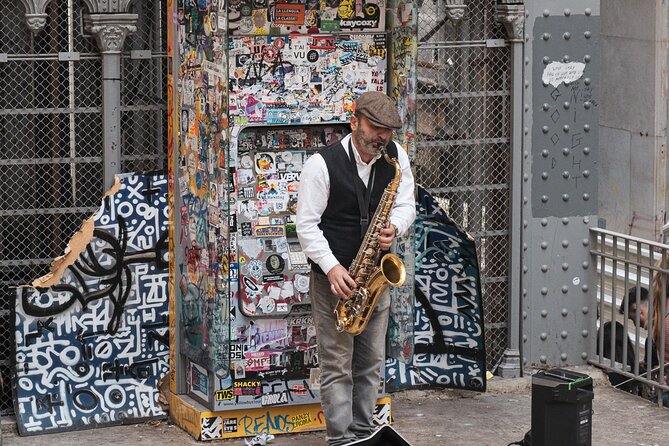
The tour starts at Praça Dom Pedro IV, usually called Rossio. This is a practical place to begin because it is central, easy to reach by public transportation, and surrounded by some of Lisbon’s most recognizable city scenes.
Rossio works well as an introduction to Lisbon because it connects the flatter central streets with the hills that rise toward Alfama. Your guide uses the square as the first chapter in the city story before leading you onward. The walk is not only about taking pictures. It is meant to explain how Lisbon developed, suffered destruction, and rebuilt itself.
The meeting point is Praça Dom Pedro IV, 1100 Lisbon. Check the exact start time carefully, and arrive early. One complaint centered on a 15-minute delay while the guide waited for people who had booked but had not arrived. That may not happen on your day, but a prompt start matters when the route already takes around two and a half hours.
The maximum group size is listed as 100 people. That is a large possible group for narrow streets and quiet churches, although the actual size may be smaller. If you prefer a close, highly personal walk, group size is worth checking before you commit.
More Walking Tours in Lisbon
- Lisbon: History, Stories and Lifestyle Walking Tour
★ 4.8 · 10,902 reviews - Best of Lisbon Small-Group Guided Walking Tour
★ 5.0 · 4,869 reviews - Lisbon: Food and Wine Small Group Walking Tour
★ 4.9 · 4,082 reviews
Dona Maria II Theatre and the first city stories
The next planned stop is the Teatro Nacional Dona Maria II, seen from outside. The theater faces Rossio and is one of the square’s key landmarks, so this pause helps you read the setting before the route turns toward Alfama.
Do not expect an interior visit here. The value is in the guide’s explanation of the building and its place in Lisbon’s public life. A good guide can make an exterior stop worthwhile by tying architecture to the city’s changing fortunes.
This is also where the pace of the walk begins to matter. The tour has several stops, but most of the experience happens while moving between them. You should expect short talks, city views, and stories delivered on Lisbon’s streets rather than long visits inside monuments.
Guides have a big effect on this format. Natalia was praised for being friendly, funny, and informative. Ana was described as lively and easy to follow, while Guilherme was noted for answering questions and adjusting the route for his group. Vivian was praised for keeping even a 12-year-old interested, and Valérie received high marks for making the full 2.5 hours feel worthwhile.
That range is useful to know. The company appears to use several guides, so your experience may depend on who leads your departure. The common thread is a story-based approach, but delivery can vary. One person found the guide spoke too quickly, so tell your guide early if you need a slower pace.
Igreja de São Domingos, a powerful stop near Rossio
The tour then visits Igreja de São Domingos, where you go inside and hear about the church’s past. This is one of the most worthwhile stops because it adds a quiet, serious pause to an otherwise lively city walk.
The church is known for its unusual interior, and the tour’s emphasis on history and destruction fits this stop well. Lisbon has endured earthquakes, fires, and other disasters, and the guide explains how these events shaped the city. You get more from the building when you understand that the marks of damage and rebuilding are part of its story.
Allow the guide to set the pace here. A church is not simply another stop for a quick photograph. Services may be taking place, and visitors should act with care. One negative experience involved an attempt to enter during a Good Friday service. That is a clear reminder to respect worship and accept that a planned visit may need to change.
The church stop lasts about 15 minutes in the planned schedule. That is enough for a focused explanation, but not enough for an extended architectural study. If you want long visits inside Lisbon’s churches, this tour will feel too brief. If you want a well-chosen introduction, it fits the format.
The climb toward Alfama and São Jorge Castle
From the central area, the route heads uphill toward Alfama. This is the part to prepare for physically. The walk includes Lisbon’s famous slopes and cobbled streets, and the ascent is part of the point. Alfama is best understood at walking pace, where streets narrow, views open suddenly, and the city’s old shape becomes easier to read.
The published schedule gives about 10 minutes at Castelo de São Jorge. That does not mean you receive a full castle visit. The stop is for context and an outside view, with the guide explaining its importance. Human occupation of the castle hill reaches back to at least the eighth century BC, and the first fortifications date from the first century BC.
That long timeline gives your guide plenty to work with. The castle hill has been important for defense and settlement for thousands of years. You learn why the high ground mattered and how the area connects to Lisbon’s wider past.
The short time at the castle is both a strength and a limit. You get a useful orientation without paying for a separate monument visit, but you should not book this walk expecting admission to explore every castle wall and room. The supplied information lists admission as free for the stop, and no castle entrance ticket is included.
Wear shoes with a firm sole. You may manage the route in ordinary trainers, but smooth soles and flimsy footwear are poor choices on steep, uneven streets. The hot-weather advice from the company is sensible: take water, use sunscreen, and wear a hat.
More walking tours around Lisbon:
- Best of Lisbon Walking Tour: Rossio, Chiado & Alfama
★ 4.9 · 2,700 reviews - Age of Discoveries Walking Tour in Belém
★ 5.0 · 1,513 reviews - Sintra & Cascais Day Tour with Pena Palace Entry and Gardens Walk
★ 5.0 · 962 reviews - Lisbon Roots – Small group Food & Culture Walking Tour w/tastings
★ 5.0 · 910 reviews
Portas do Sol and the best view on the route
The route includes Miradouro Portas do Sol, one of Alfama’s most appealing viewpoints. This is the moment when the climb pays off. You can pause, look across the tiled roofs and layered hills, and understand why Alfama is one of Lisbon’s defining districts.
The viewpoint also gives you a break from the close streets. A good guide will point out the parts of the city you can see and connect the view with the stories already told. This is where the walk becomes more than a list of buildings. You are looking at the city as a whole, after spending time inside its smaller spaces.
The stop is especially useful early in your Lisbon visit. You can mark the streets and districts from above, then return later to explore places that caught your interest. One guide, Vivian, was credited with giving a broad introduction that helped a family decide which monuments to visit afterward.
The schedule does not provide a set length for Portas do Sol. Expect it to be a pause rather than a long viewing session. If the weather is clear, the stop should be a highlight. The experience requires good weather, and poor conditions can lead to a different date or a full refund.
Pastel de nata, ginja, and the social side of the walk
This tour is not sold as a food tour, and drinks are not included. Still, the walk may include refreshment stops or chances to try local favorites. Pastel de nata, Portugal’s custard tart, was part of one especially enjoyable route. Another stop included ginja, the sour-cherry liqueur, served in small chocolate cups.
The company lists alcoholic drinks, wine, and ginjinha tasting as not included. Bring a little extra money if you want to join an optional tasting or buy a snack. You should not assume these treats are guaranteed on every departure, since the formal inclusions cover the guide, walking route, and stories rather than food.
I like this informal element because it gives the walk a social rhythm. A quick taste can break up the uphill effort and offer a local detail that a landmark-only tour misses. It also helps explain why some departures feel more like a friendly introduction to Lisbon than a strict history lesson.
Do not let the tasting distract from the practical side. Alcohol in the sun can make the climb harder, and you still have streets and steps ahead. Water is the better companion for most of the route.
Lisbon’s earthquakes, fires, and stories of destruction
The tour promises stories and legends, including the earthquakes and destruction that changed Lisbon. This subject gives the route a strong thread. You are not only seeing old buildings. You are learning why some areas look planned and open while Alfama keeps its tight, irregular form.
The history of damage is most useful when connected to what you can see. At São Domingos, the church’s interior makes the cost of disaster tangible. At Rossio, the open square and grand buildings offer a different view of the city. On the castle hill, the defensive setting explains why people built upward.
The guides praised most highly seem to tell these stories in a warm, accessible way. Guilherme reportedly made the past feel alive through facts and answers, while Ana used a fun presentation that kept the time moving. Belen was praised for holding attention while covering historical details.
There is one caution: a lively guide is not always a slow guide. If you have limited English listening confidence, ask the guide to repeat key points. The tour is offered in English, and one person found the pace too fast. That is a small issue to address early rather than a reason to miss the walk.
Finishing at Lisbon Cathedral
The route ends at Lisbon Cathedral, at Largo da Sé 1. This is a useful finish because you are left in the heart of the old city, with Alfama around you rather than back at the original meeting point.
The cathedral is an important orientation point, but the supplied details do not promise an interior visit or a set amount of time inside. Treat it as the endpoint of the walking route, not as a guided cathedral tour. If you want to go inside afterward, you can decide based on opening conditions and your remaining time.
Ending here also gives you flexibility. You can continue exploring Alfama, return toward central Lisbon, or use nearby public transportation. No transport ticket is included, so plan to pay for any bus, tram, metro, or other ride separately.
The end point is particularly convenient if you want to keep walking. Alfama is not a district I would rush through. The tour gives you an outline, then you can return to the streets and viewpoints that made the strongest impression.
Price, group size, and practical value
The listed price is $0.35 per person. At that rate, the value is remarkable if your departure runs well. You receive an English-speaking local guide, roughly two and a half hours on foot, historical context, legends, and stops at several major points without paying for transport or monument admission.
The low price also means you should set realistic expectations. This is not a private tour, and the possible maximum of 100 people is large. You are paying for a guided introduction, not a custom itinerary with long private visits at every sight.
The average booking point is nine days before the activity. That suggests planning ahead is sensible, especially if you have only a short stay in Lisbon. Confirmation arrives at booking, and the meeting point is close to public transportation.
Cancellation is free up to 24 hours before the start time for a full refund. Inside 24 hours, the payment is not refunded, and changes are not accepted. Since the walk depends on good weather, a cancellation caused by poor conditions brings an offer of another date or a full refund.
Who will enjoy this Lisbon walk most
I would choose this tour for a first visit to Lisbon, especially if you want a clear introduction before choosing which monuments to enter on your own. It suits people who enjoy stories, viewpoints, churches, and city streets more than long museum visits.
It also works well for families if the guide keeps the pace lively. Vivian was praised for holding a 12-year-old’s attention, which suggests the storytelling can work across ages. Still, the climb may be tiring for young children or anyone who finds steep streets difficult.
This is a good match for solo visitors and couples who want company at the start of a trip. It can also suit groups that value a flexible guide. Guilherme was praised for adapting the walk and answering questions, though you should remember that guide style is not guaranteed.
I would hesitate if you dislike hills, heat, or group tours. I would also skip it if your priority is entering São Jorge Castle, touring Lisbon Cathedral in depth, or spending a long time inside each church. The route introduces these places, but it does not replace dedicated admission tours.
Should you book the Alfama Walking Tour?
Yes, if you want a very inexpensive, story-led introduction to Lisbon and can handle the hills. The route links Rossio, São Domingos, the castle area, Portas do Sol, Alfama, and the cathedral in a sensible two-and-a-half-hour stretch.
Book it early in your stay so the history and viewpoints help shape the rest of your sightseeing. Arrive before the meeting time, wear good shoes, carry water, and ask for a slower pace if needed.
I would not book it for a guaranteed food tasting or a detailed castle visit. But for getting your bearings, hearing about Lisbon’s earthquakes and legends, and seeing Alfama with a local guide, the price makes this an easy choice.
FAQ
Where does the Alfama Walking Tour start?
The tour starts at Praça Dom Pedro IV, 1100 Lisbon, Portugal.
Where does the tour finish?
It finishes at Lisbon Cathedral, Largo da Sé 1, 1100-585 Lisbon, Portugal.
How long does the tour last?
The walking tour lasts approximately two hours and 30 minutes.
What language is the tour offered in?
The tour is offered in English.
Is a local guide included?
Yes. An expert local guide is included.
Is admission to the sights included?
The listed stops show free admission, but the tour does not promise extended interior visits at every sight. A transport ticket is not included.
Are wine or ginjinha tastings included?
No. Alcoholic beverages, wine, and ginjinha tastings are not included. Some departures may offer chances to buy or try ginja separately.
How difficult is the walk?
The route includes Lisbon’s hills and cobbled streets. Good walking shoes, water, sunscreen, and a hat are sensible choices.
What happens if the weather is poor?
The experience requires good weather. If it is canceled for that reason, you will be offered another date or a full refund.
Can I cancel for a full refund?
Yes. Cancel at least 24 hours before the start time for a full refund. Cancellations or changes made within 24 hours are not refunded or accepted.
New around Lisbon
- Arrábida, Setúbal, Sesimbra, Olive with wine tasting★ 5.0 · 75 reviews
- Lisbon: Sunset Sailing Boat Cruise with Wine★ 5.0 · 75 reviews
- Lisbon Half Day Private Tour★ 5.0 · 75 reviews
- Private Half Day Tour to Fatima from Lisbon★ 5.0 · 75 reviews
- Fátima, Nazaré and Óbidos Private Tour from Lisbon★ 5.0 · 76 reviews
- Central Lisbon 3-Hour Guided E-Bike Tour★ 4.8 · 76 reviews
- Lisbon Historic City Tour by Tuk-Tuk★ 5.0 · 76 reviews
- Sintra World Heritage and Cascais Village Private Deluxe Tour★ 5.0 · 76 reviews
Walking Tours, compared.

Best of Lisbon Small-Group Guided Walking Tour
Read our review →
Porto Walking Tour, Lello Bookshop, River Cruise and Cable Car
Read our review →
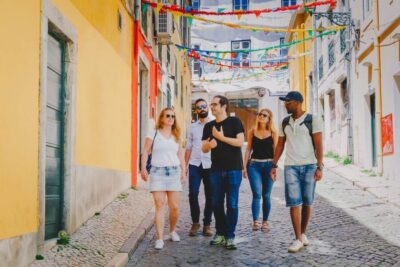
Best of Lisbon Walking Tour: Rossio, Chiado & Alfama
Read our review →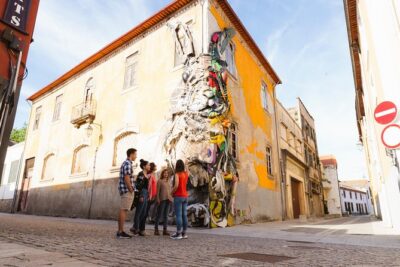
Experience Porto’s Charm: 3-Hour Guided Walking Tour
Read our review →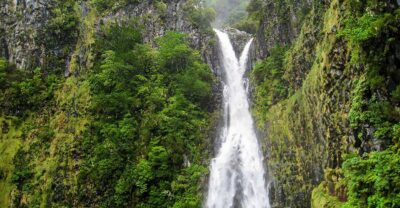
Enjoy a Guided Levada Walk in the Rabaçal Valley
Read our review →Browse the lists this tour appears in