
Reviewed · WINE TASTINGS & DOURO VALLEY TOURS
Porto: Port Cellar Visit and Wine Tasting at Fonseca
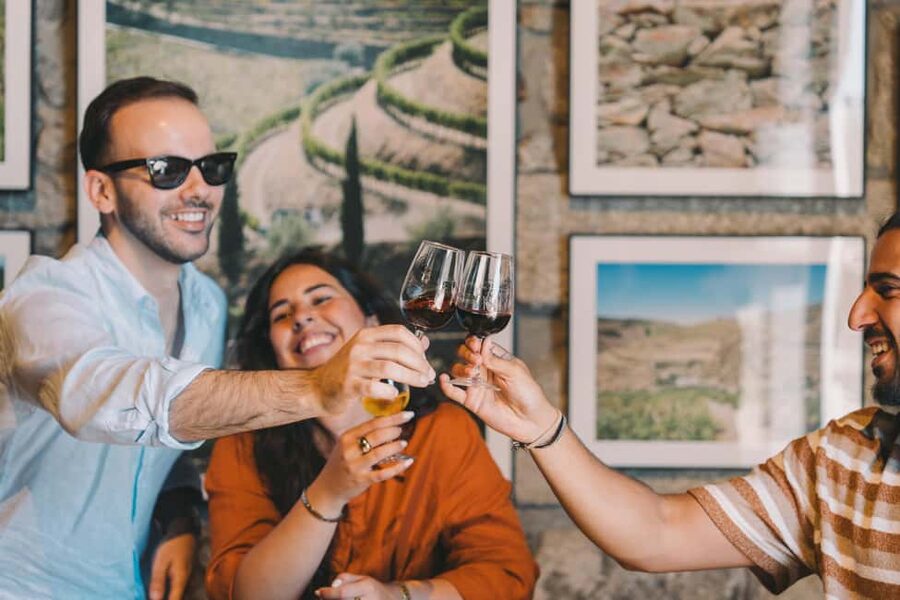
Fonseca’s cellar visit gives you a clear introduction to Port without sending you out to the Douro Valley. You move at your own pace through a small museum-style presentation and old aging rooms, then sit down for Bin 27 and Siroco extra dry white Port. It is a good way to learn the basics while staying in Porto.
I like the relaxed self-guided format, since you can read, listen, and linger where you please. I also like the price: at about $16 per person, you get the cellar visit, an audio guide, and two tastings. The main drawback is that this is not a live guided tour, so visitors wanting lively conversation or a behind-the-scenes staff presentation may find it a little quiet.
Key points at a glance
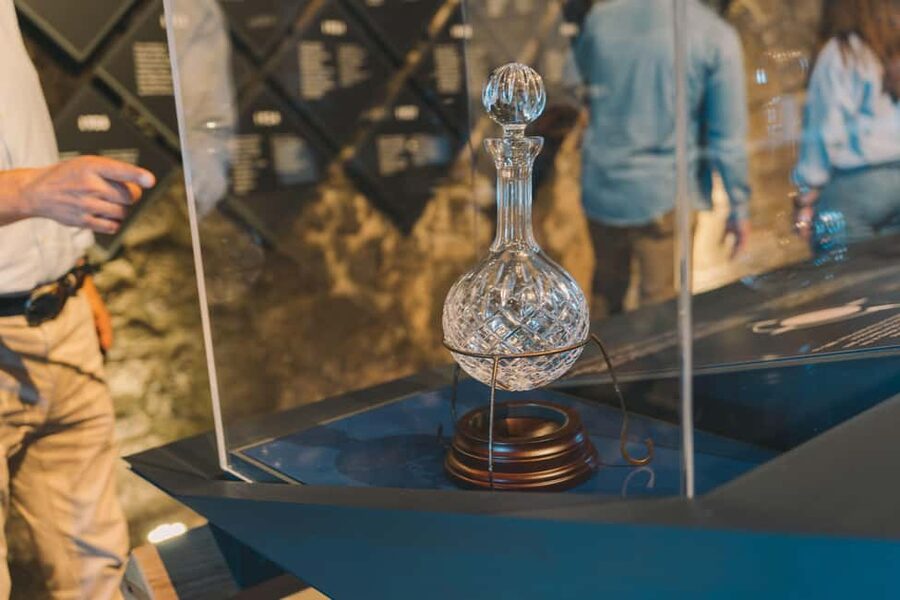
- Fonseca dates to 1815: The displays connect the company’s two-century story with the wider development of Port.
- Two tastings are included: You try the well-known Bin 27 red Port and Siroco extra dry white Port.
- The visit is self-guided: Enter any time on your selected date during opening hours, then follow the information and audio material at your own speed.
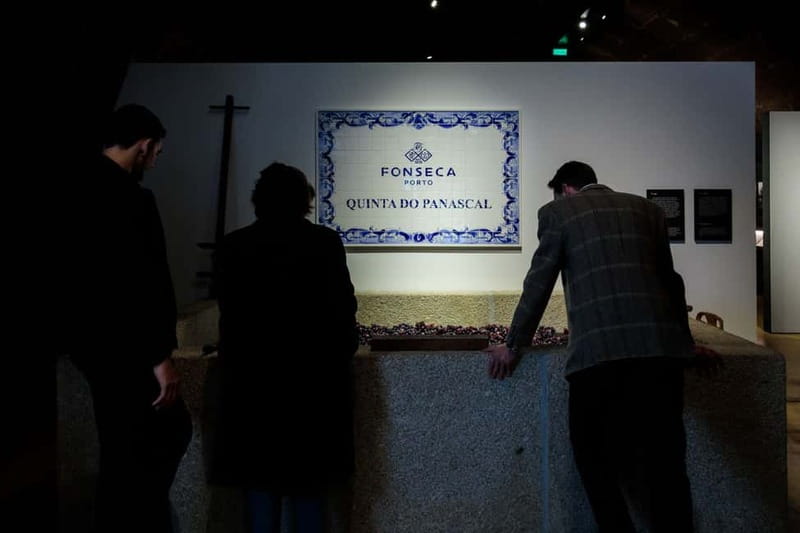
- The Douro Valley gets proper attention: You learn how the region, Quinta do Panascal, grape growing, and cellar aging shape the final wine.
- Sustainability is part of the story: Fonseca explains its role in more responsible winemaking practices.
- The setting adds value: The cellars offer views toward Porto and the Dom Luís I Bridge.
What you are really getting for $16
At $16, this is one of the easier Port experiences to fit into a Porto day. You are not paying for a full-day excursion or transport into the Douro Valley. Instead, you get a compact cellar visit and two pours in Vila Nova de Gaia, across the river from central Porto.
That distinction matters. A trip to the Douro Valley gives you vineyards, rural scenery, and a stronger sense of place, but it takes far more time and usually costs much more. Fonseca is the practical substitute if your schedule is tight, or if you want to understand Port before ordering more of it at dinner.
I see the best value in the combination of explanation and tasting. Port can seem simple until someone explains the difference between the Douro growing area and the Gaia cellars, where many wines age. Here, the displays help you connect the bottle in your hand with the grapes, the production method, the barrels, and the final blend.
The price also leaves room for an optional upgrade. If Bin 27 and Siroco make you curious, tasting sets with several Fonseca wines are available for an additional cost. There is also a shop where you can buy bottles and other Port-related items. You do not need to spend more for the standard experience, but the option is useful if you want to compare styles rather than stop after two samples.
More wine tastings around Porto:
- From Porto: Douro Valley w/ Boat Tour, Wine Tasting & Lunch
★ 4.7 · 19,061 reviews - Complete Douro Valley Wine Tour with Lunch, Wine Tastings and River Cruise
★ 5.0 · 12,920 reviews - Porto: Live Fado Show with Glass of Port Wine
★ 4.8 · 6,498 reviews
Starting inside Fonseca’s old cellars
Begin at the Fonseca Port Wine Cellars. The setting is the first clue that this is not simply a bar tasting. You enter a working wine house with a long connection to Port production and storage, then follow the presentation through historic cellar spaces.
Fonseca traces its story to 1815, giving the visit a useful historical frame. The material does not treat the company as an isolated brand. It places Fonseca within the larger story of Port, from the Douro Valley to the riverfront cellars of Vila Nova de Gaia.
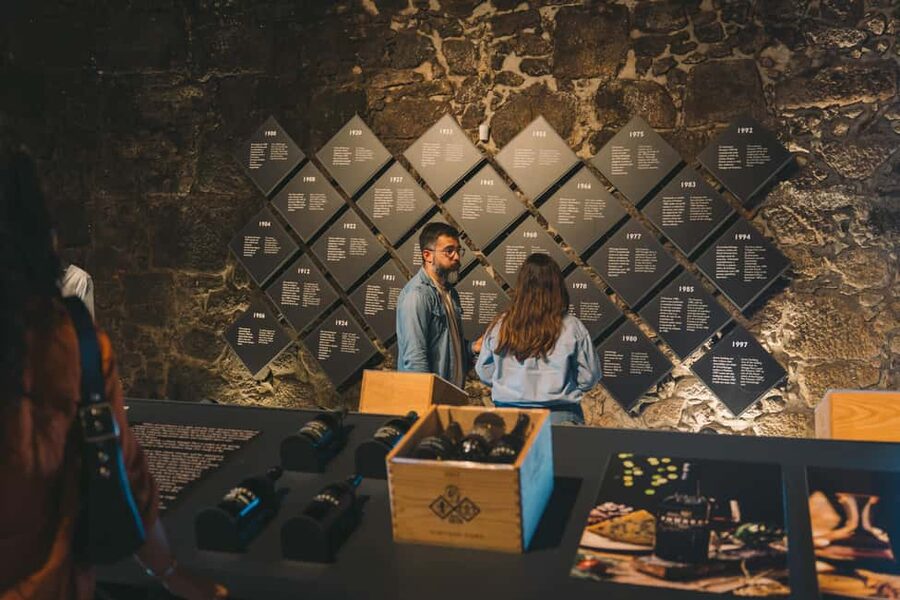
The self-guided design lets you set the pace. If you read quickly, you can move through in a short visit. If you stop for the photographs, tools, and production notes, you can spend longer studying how the wine is made. That flexibility is helpful on a day when you are fitting the cellars between Porto’s churches, viewpoints, and meals.
The information is presented in Portuguese and English. French and Spanish material is available through QR codes, while the audio guide also supports German and Korean. You can use the guide as an extra layer rather than relying only on wall panels.
One caution: the route includes uneven and steep surfaces. This visit is not suitable for people who have difficulty walking or have mobility impairments. Wear shoes that feel secure, especially if you have already spent the day walking Porto’s hills and cobbled streets.
From the Douro Valley to Quinta do Panascal
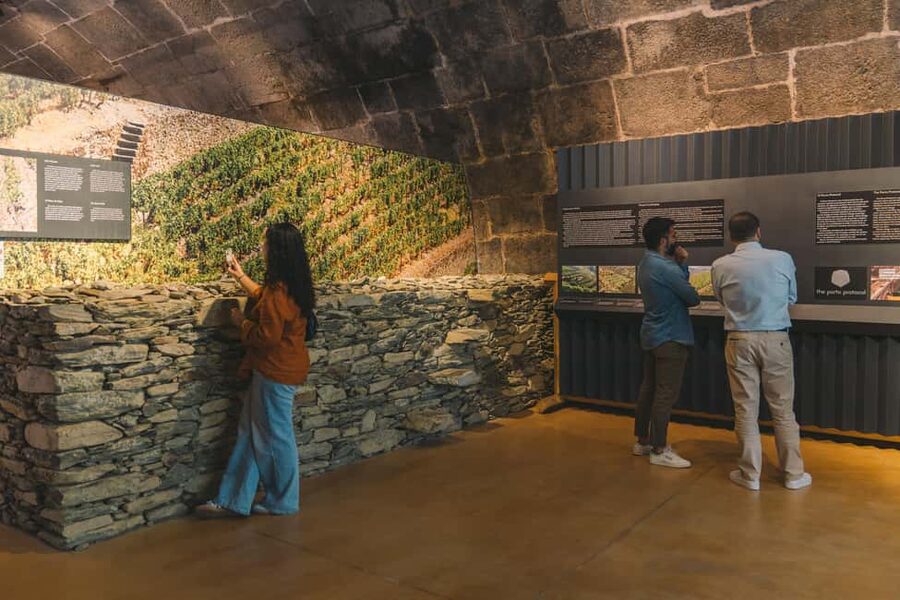
The most useful part of the visit explains where Fonseca Port begins. The grapes come from the Douro Valley, a region shaped by steep slopes and a demanding climate. The valley’s conditions help explain why Port is not simply an ordinary red or white wine with extra alcohol added later.
Fonseca also highlights Quinta do Panascal, where its Port wine is born. This gives the brand story a specific place rather than leaving the Douro as a vague name on a map. You get a sense of the link between the estate, the grapes, and the wine that later reaches the Gaia cellars.
You should pay attention to the production sequence. The displays and audio material take you from the origin of the grapes through winemaking, transport, and aging. This is especially helpful if you have heard people talk about vintage Port, tawny Port, white Port, or ruby Port without knowing how the styles differ.
The cellar visit does not turn you into a Port expert, and it does not claim to replace a vineyard visit. Its strength is the basic chain of events. You see how geography, grape growing, fortification, and time all affect what you taste at the end.
For me, that context makes the tasting more useful. Instead of trying a sweet red wine with no explanation, you can think about why Port has its particular weight, sweetness, aroma, and long finish. The experience is aimed at beginners, but it still gives experienced wine drinkers a few details to consider.
Seeing how Port ages in Vila Nova de Gaia
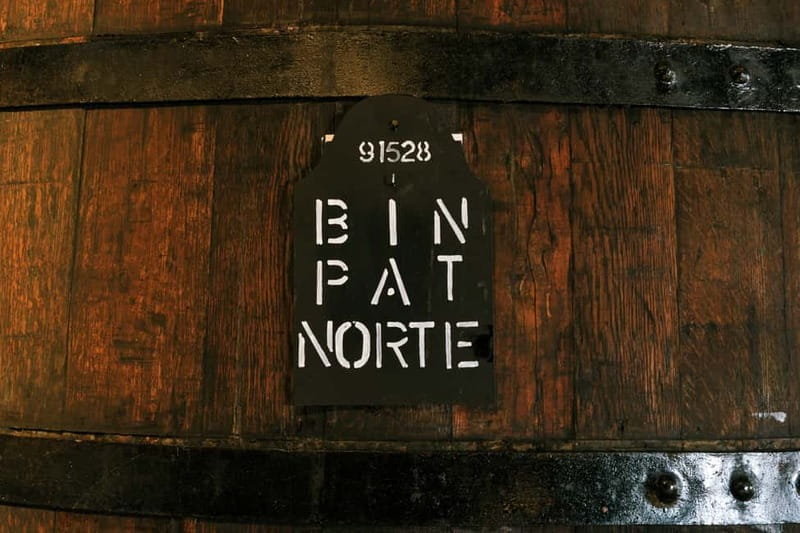
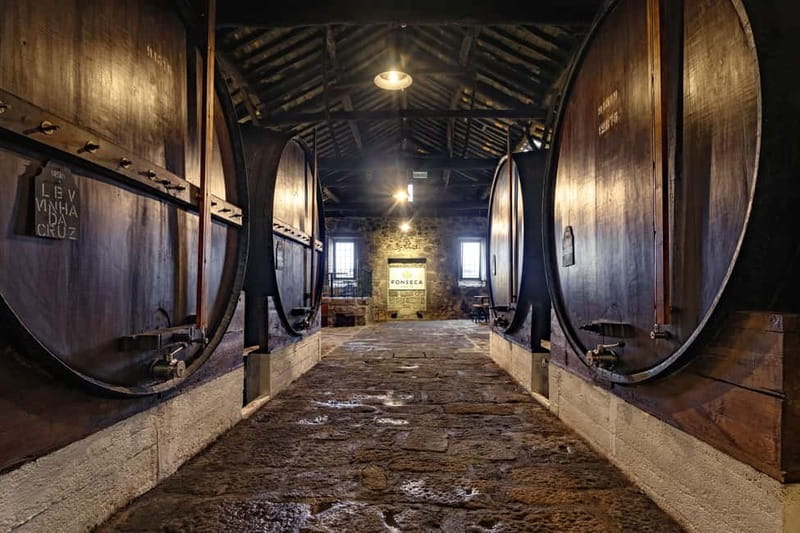
The aging section brings the story indoors. After the Douro Valley produces the wine, the cellar becomes the place where time does much of the work. The old rooms, photographs, tools, and explanatory displays help show why the final wine is connected to both sides of the river.
You will not be joining a barrel-handling session or touring every part of a large production site. This is a self-guided public experience. Expect information panels and audio material rather than a staff member walking beside you and answering questions as you go.
That quieter format works well if you dislike fixed group schedules. You can pause at an image, return to a panel, or move ahead if a section is already familiar. It also means the experience depends on your own attention. Visitors who prefer a lively storyteller should know that the visit can feel more like a small museum than a traditional guided tour.
Several comments describe the presentation as clear, with the history told through photographs, tools, and other objects. The sensory section, including guessing the scents associated with bottles, adds a little playfulness to the learning. It keeps the cellar walk from becoming a long sequence of dates and technical terms.
The overall atmosphere is relaxed. That is a plus if you want a calm break from Porto’s busy streets. The tradeoff is that the staff interaction may be limited, and the pace can feel slightly impersonal when the cellar is quiet.
A few other Porto half-days worth a look
- Porto: Cálem Cellar Tour, Interactive Museum & Wine Tasting
★ 4.5 · 4,113 reviews - Douro Valley Small-Group Tour with Wine Tasting, Lunch and Boat
★ 5.0 · 3,642 reviews - Porto: Cálem Cellar Tour, Fado Show & Wine Tasting
★ 4.4 · 3,530 reviews - Porto: Taylor’s Port Cellars & Tasting
★ 4.6 · 3,374 reviews
The Bin 27 and Siroco tasting
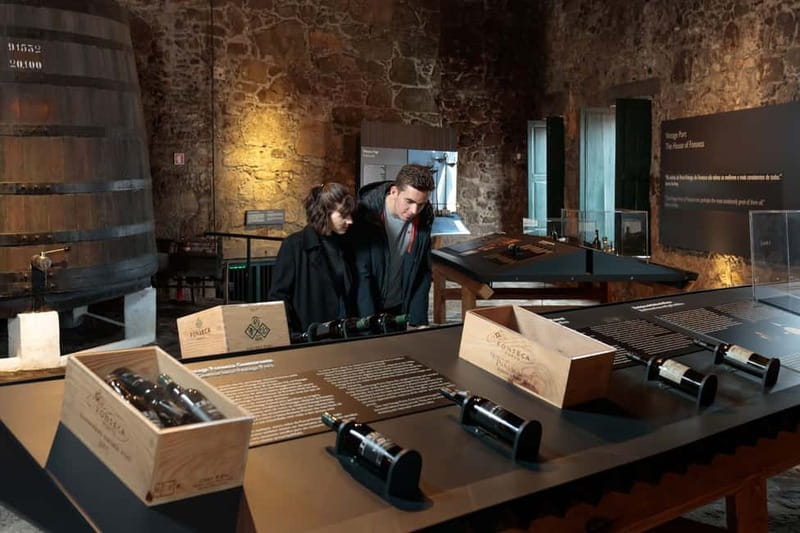
At the end, you receive two Port tastings: Fonseca Bin 27 and Siroco extra dry white Port. Children aged 8 to 17 receive grape juice from the Douro Valley instead of wine.
Bin 27 is the more familiar introduction for many people. It is a red Port with a full, sweet profile, and its approachable style makes sense as the main tasting wine for a first visit. You do not have to be a red wine drinker to enjoy it. The tasting has even won over people who normally avoid red wine.
Siroco gives you a useful contrast. The extra dry white Port shows that Port is not limited to dark, sweet pours served after dinner. Trying the two in the same visit helps you notice the difference in color, weight, sweetness, and style.
The tasting is commented, so you get some guidance on what is in the glass. Still, the format is not a lengthy wine class. If you want to compare several vintages or styles, ask about the extra tasting sets available at the cellar.
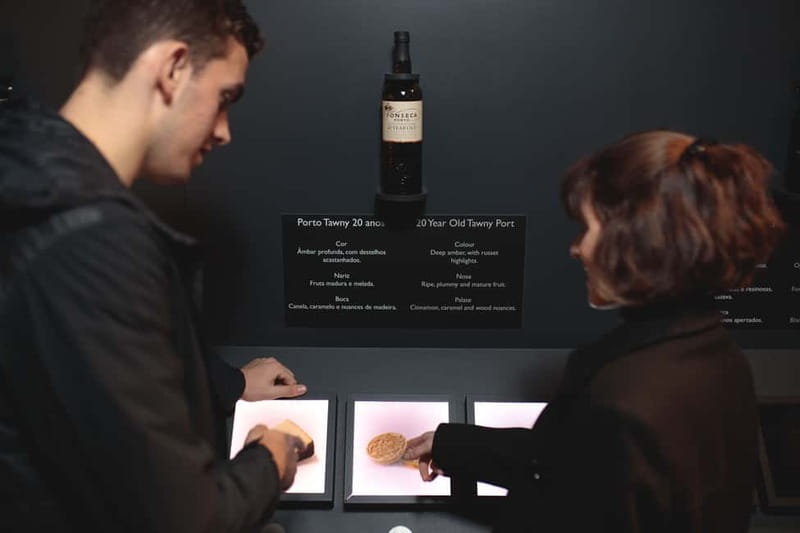
You might also find food pairing suggestions during the presentation. Cheese and biscuits work naturally with Port, and the material includes ideas for matching Port with food. That is one of the more practical parts of the visit, since it helps you use what you learn later at a restaurant or at home.
Allow a little extra time if you plan to browse the Fonseca Shop. Bin 27 is available to buy by the bottle, and its price is around €14 according to the supplied information. That makes it a fairly accessible souvenir if you enjoy the tasting and want to continue the experience after leaving.
Views of Porto and the Dom Luís I Bridge
The cellar visit is indoors, but the setting gives you more than barrels and information boards. You can admire views of Porto and the Dom Luís I Bridge, one of the city’s most recognizable sights.
This is a small but worthwhile part of the experience. The bridge helps you understand your position in Vila Nova de Gaia, looking across the Douro toward Porto. After the tasting, the view gives you a natural pause before you return to the city streets.
Do not book this solely as a viewpoint visit. The attraction is primarily the Fonseca cellar and Port presentation. But the city view adds a sense of place, and it makes the visit feel connected to Porto rather than like an enclosed wine display.
If you are planning several Gaia wine houses, this view also helps you organize the day. You can combine the Fonseca visit with other riverfront stops, but avoid assuming that every cellar offers exactly the same presentation. Port houses often cover similar ground, so choose Fonseca if its history, Bin 27, sustainability material, or convenient self-guided format appeals to you.
Sustainability and the modern Port story
Fonseca gives sustainability a clear place in its story. The visit explains the company’s role in more responsible winemaking and connects modern practices with the older traditions of the Douro.
This is useful because Port can otherwise be presented as a purely historic product. The traditional cellars and long company history matter, but so do current decisions about vineyards, production, and the future of the region. The sustainability material gives you another way to judge the house beyond its age and reputation.
The presentation does not turn into a separate environmental tour. It remains part of the broader explanation of how Fonseca produces and ages its wines. You should expect an introduction rather than a technical report, but it is still a worthwhile inclusion for anyone interested in how established wine companies adapt.
Timing, opening hours, and how to plan your visit
Fonseca is open daily from 11:00 am to 1:00 pm and from 1:30 pm to 6:00 pm, with last entrance at 6:00 pm. You can present your ticket at any time on the selected date during those hours, so you are not locked into one precise start time.
That flexibility is one of the strongest practical features. You can schedule the cellar before lunch, after a morning in Porto, or during the afternoon before dinner. The one-hour midday closure matters, so do not arrive between 1:00 and 1:30 pm.
Opening hours can change on bank holidays. Check the official website before setting out, especially if your Porto visit falls around a Portuguese holiday.
The activity is valid for one day, not for repeated entry across several dates. Free cancellation is available up to 24 hours before the visit, and you can reserve now and pay later if that option is offered when you book. Those terms are useful when your itinerary is still changing.
Because there is no fixed group departure, you can keep the visit relatively compact. I would allow enough time to read the main displays, use the audio guide, see the cellar rooms, enjoy both tastings, and take in the view. Add more time if you plan to purchase an extended tasting or shop for a bottle.
Who will enjoy Fonseca most
I would recommend this experience to first-time Port drinkers, couples looking for a calm indoor activity, and anyone who cannot spare a full day for the Douro Valley. It also works well for wine drinkers who want an introduction before visiting more cellars in Gaia.
Families can attend with children aged 8 to 17, who receive Douro grape juice rather than wine. The steep and uneven surfaces make it a poor choice for anyone with mobility problems, though.
You should also choose it if self-guided sightseeing suits you. You can move without waiting for a group, listen in one of several languages, and spend more time on the sections that interest you.
I would hesitate if your top priority is a personal guide, extensive cellar access, or a long technical tasting. The information is clear, but it is delivered through displays, QR codes, and audio rather than a named guide leading the group. One staff-related comment also noted a somewhat routine feeling during the tasting, so the human touch may vary.
Should you book the Fonseca cellar visit?
Book it if you want an affordable and easy introduction to Port in Vila Nova de Gaia. The two wines, Bin 27 and Siroco, give you a useful contrast, while the story of the Douro Valley and Quinta do Panascal explains where the drink comes from. The Dom Luís I Bridge view is a pleasant extra.
Skip it if you are already planning a full vineyard day in the Douro and want a more hands-on visit, or if self-guided museum-style tours leave you cold. For most visitors with a free hour in Gaia, though, the $16 price makes this a sensible way to understand Port before buying a bottle or ordering another glass.
FAQ
Where does the Fonseca Port cellar visit start?
The experience starts at the Fonseca Port Wine Cellars in Vila Nova de Gaia, across the Douro from Porto. It also ends back at the same meeting point.
How much does the experience cost?
The listed price is $16 per person.
How long is the ticket valid?
The ticket is valid for one day. You can visit on your selected date during the cellar’s opening hours.
Is the tour guided by a person?
No. The visit is self-guided. An audio guide is available, and information is presented in the cellar.
Which languages are available?
The audio guide is available in Portuguese, English, French, Spanish, German, and Korean. Written information is in Portuguese and English, with French and Spanish available through QR codes.
Which wines are included in the tasting?
The standard tasting includes one glass of Fonseca Bin 27 Port and one glass of Siroco extra dry white Port.
Do children receive wine?
Children aged 8 to 17 receive one glass of grape juice from the Douro Valley instead of wine.
Is the visit suitable for people with mobility impairments?
No. The cellars have uneven and steep surfaces, and the activity is not suitable for people who have difficulty walking.
New around Porto
- Porto: City Bike Rental★ 4.6 · 75 reviews
- Fado Concert with Welcome Drink★ 5.0 · 75 reviews
- Boat Trip to Régua Through the Douro Valley with Breakfast and Lunch★ 4.5 · 76 reviews
- Porto City Tour Half Day – Private★ 5.0 · 77 reviews
- Port : Private Cruise in the Douro — 6 Bridges & Sunsets★ 5.0 · 78 reviews
- Porto Private Airport Departure Transfer★ 4.5 · 78 reviews
- Half-Day Walking Tour Tasting Local Food in Porto★ 5.0 · 78 reviews
- Douro Valley Small-Group Tour: 2 Wineries, Lunch, Optional Cruise★ 5.0 · 78 reviews
Wine Tastings & Douro Valley Tours, compared.
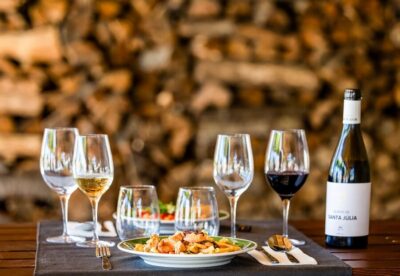
Douro Valley w/ Boat Tour, Wine Tasting & Lunch
Read our review →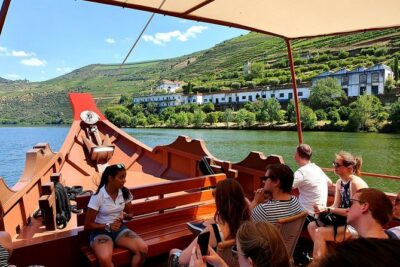
Complete Douro Valley Wine Tour with Lunch, Wine Tastings and River Cruise
Read our review →
Winner 2025 Undiscovered Lisbon Food & Wine Tour by Eating Europe
Read our review →
Wine Tour with Lunch, Tastings & River Cruise
Read our review →
Guided Tour by Tuk-Tuk & Optional Douro River Cruise
Read our review →
Historical Sites, Wine Experience, Lunch & Cruise
Read our review →Browse the lists this tour appears in