
Reviewed · WINE TASTINGS & DOURO VALLEY TOURS
Poças Guided Visit and Wine Tasting of 3 Port Wines
Poças gives you a close look at Port outside the grandest names of Vila Nova de Gaia. In about 90 minutes, you visit an aging cellar, hear how the Douro Valley shapes the wine, and taste three distinct styles: White Port, LBV, and Reserve Tawny.
I like the small family-run setting and the chance to ask questions without being swept through a huge commercial operation. I also like the tasting format, which shows how one fortified wine can range from fresh and chilled to nutty and aged. Guides such as Inês and Cindy have earned particular praise for their energy and clear explanations.
The main catch is the location. From the riverfront, the cellar can mean a steep uphill walk, and the setting feels quieter and less polished than the major Port houses. The nearby train and metro connections make it easier, but you should plan your arrival instead of wandering uphill with luggage.
Key points to know before booking
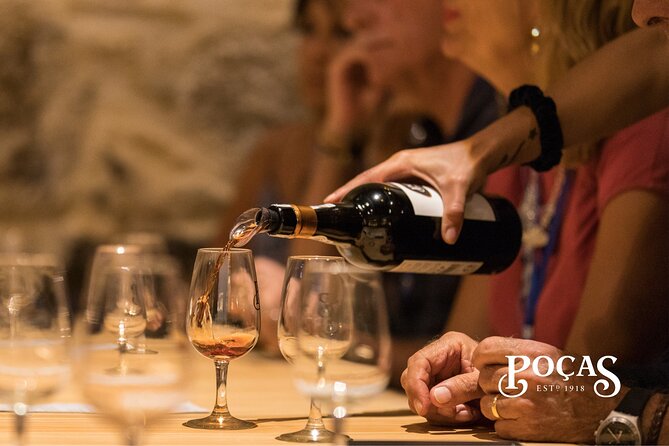
- Three contrasting Ports are included: White Port, Late Bottled Vintage, and Reserve Tawny.
- The tour lasts about 90 minutes: Allow extra time if you plan to shop or add food.
- The cellar is family-owned: Poças began in 1918 and remains a Portuguese-owned Port house.
- The group can reach 20 people: Many sessions feel smaller, but the maximum is not a private-tour size.
- The tasting focuses on food pairing: Cheese and sausage plates cost extra, at €16 or €20 per person.
- The cellar is uphill from the riverfront: Public transport is a better choice than a long climb.
Why Poças is different from the big Gaia houses
Port wine tourism in Vila Nova de Gaia often centers on famous labels with grand lodges, polished exhibits, and large groups. Poças offers a different scale. It is a Portuguese family business founded in 1918, and the family connection is part of the visit rather than a footnote.
That smaller scale matters. You can see aging barrels and hear how different Port styles come from the same grapes through different methods. The focus is not only on brand history. It is on what happens to the wine as it is aged, blended, fortified, and bottled.
I find that useful if you are still sorting out the basic Port categories. A short cellar visit can give you a better framework for the rest of your time in Porto. Afterward, a White Port, an LBV, or a Tawny on a restaurant menu will mean more than just a name.
Poças is also less familiar to many visitors than producers such as Cockburn’s. That can be a positive if you want to visit a working family house rather than follow the most obvious tourist circuit. It also means the presentation may feel less grand and the surrounding streets less lively.
More wine tastings around Porto:
- From Porto: Douro Valley w/ Boat Tour, Wine Tasting & Lunch
★ 4.7 · 19,061 reviews - Complete Douro Valley Wine Tour with Lunch, Wine Tastings and River Cruise
★ 5.0 · 12,920 reviews - Porto: Live Fado Show with Glass of Port Wine
★ 4.8 · 6,498 reviews
Arriving at R. Visc. das Devesas 168
The meeting point is at R. Visc. das Devesas 168 in Vila Nova de Gaia, across the river from central Porto. The experience begins and ends at the cellar.
The practical detail is worth taking seriously. From Gaia’s riverfront, the walk is uphill and can be tiring. One account described the route as roughly 1.5 kilometers uphill through an area with derelict buildings, while other visitors found the cellar a short walk from Gaia-Devesas station.
The provider places the cellar about two minutes from Gaia-Devesas train station and about five minutes from Santo Ovídio metro station. Another description gives a three to four minute walk from the train station. These routes are far easier than climbing from the waterfront, so I would use public transport or a taxi if you are carrying bags, managing mobility concerns, or visiting on a hot day.
The area may feel secluded compared with the busy riverside. Most people can take part, and the tour is near public transport, but solo visitors who feel uneasy in quiet industrial streets may prefer arriving by train or taxi rather than walking without a plan.
Choose your time slot carefully. Several start times are offered, which helps you fit Poças around lunch, a Douro excursion, or a visit to Porto’s historic center. Confirmation arrives when you book, and the activity accepts mobile tickets.
Walking through the aging cellar
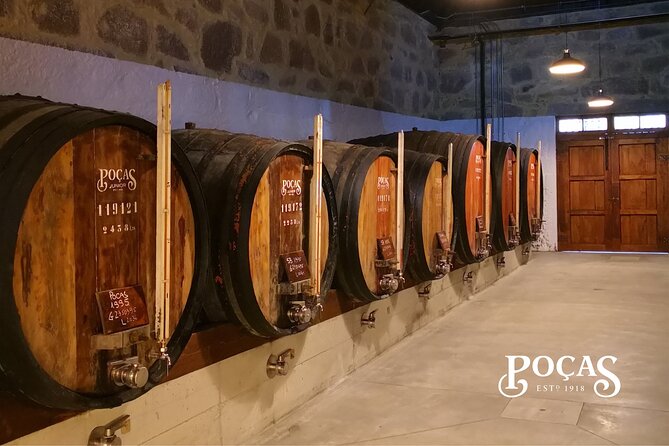
The first part of the visit takes place in the aging cellar. Poças presents wines that have spent long periods in wood, including barrels connected with the house’s long history. The cellar is not a full-scale production tour, because the actual Port-making work takes place in the Douro Valley and much of it is seasonal.
That limitation is important. You will learn where Port begins and how the Douro Valley affects the wine, but you should not expect to watch grapes being crushed or see every stage of production in action. A film may be used to explain parts of the process that are not happening at the cellar during your visit.
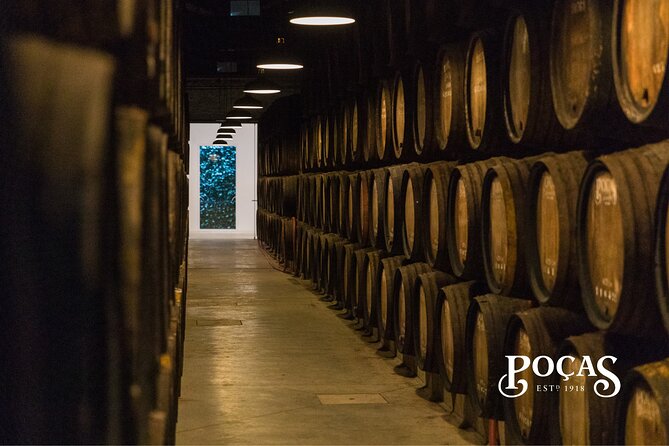
Instead, the cellar helps you understand aging. You see the vessels where Port matures and hear how time, wood, blending, and the style of wine alter its character. The setting is intimate, with old barrels and a working-winery feel rather than a large museum display.
The tour also explains what makes Port different from ordinary table wine. The guide connects the wine in the barrel to what you later taste in the room, which is the key to getting value from a short visit.
You will spend much of the tour standing. Wear comfortable shoes, especially if you are combining the visit with other walking in Gaia. In one unusual account, visitors were taken into a restricted bottling area and asked to wear protective clothing and hair covers. That is not described as part of every standard booking, but it is worth knowing that access to working areas may come with safety rules.
Understanding the three Port styles
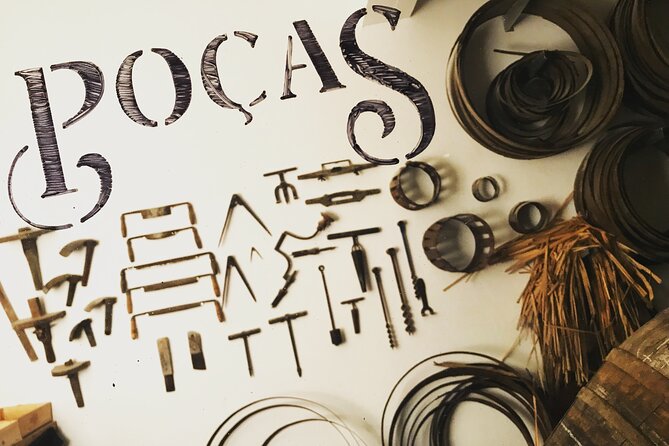
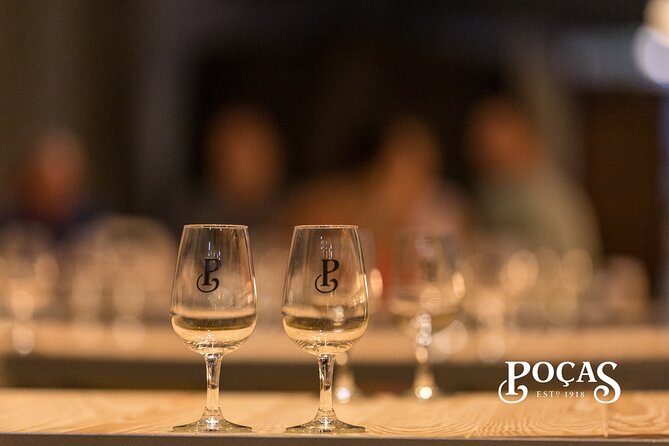
The tasting includes three wines, each chosen to show a different side of Port. The order and exact pours may vary, but the listed tasting consists of White Port, Late Bottled Vintage, and Reserve Tawny.
A few other Porto half-days worth a look
- Porto: Cálem Cellar Tour, Interactive Museum & Wine Tasting
★ 4.5 · 4,113 reviews - Douro Valley Small-Group Tour with Wine Tasting, Lunch and Boat
★ 5.0 · 3,642 reviews - Porto: Cálem Cellar Tour, Fado Show & Wine Tasting
★ 4.4 · 3,530 reviews - Porto: Taylor’s Port Cellars & Tasting
★ 4.6 · 3,374 reviews
White Port
White Port is served chilled and makes a useful starting point. It is lighter in color and often works well as an aperitif. The guide explains how it can pair with food, giving you an immediate way to think about Port beyond dessert.
This is a good introduction if you assume all Port is dark, sweet, and heavy. White Port can feel fresher and more approachable, particularly at the beginning of a meal.
Late Bottled Vintage
LBV, or Late Bottled Vintage, is made from a single vintage and spends longer in wood before bottling than a classic Vintage Port. It gives you a fuller, darker style without requiring you to compare several decades of old bottles.
The tasting is a chance to pay attention to the difference between fruit, sweetness, warmth, and length. One particularly praised bottle was the Poças 2020 LBV, so it may be worth asking whether that vintage is available when you visit.
Reserve Tawny
Reserve Tawny shows the effect of longer wood aging. Instead of focusing only on fresh fruit, it can bring nutty, dried-fruit, and caramel-like notes. The guide uses the comparison to show how the same broad Port family can lead to very different glasses.
This is where the cellar visit becomes useful. You have just seen the barrels, then you taste a style shaped by time in wood. That connection makes the Tawny easier to understand than it would be from a tasting flight alone.
Some accounts describe four or even six Ports, along with cheese, sausage, or chocolate. Those are different tasting levels or add-ons, not part of the standard package described here. The included experience is three Ports. If you want a larger flight, check the exact ticket option before paying, because confusing tasting levels has caused disappointment.
Food pairing and the extra cost
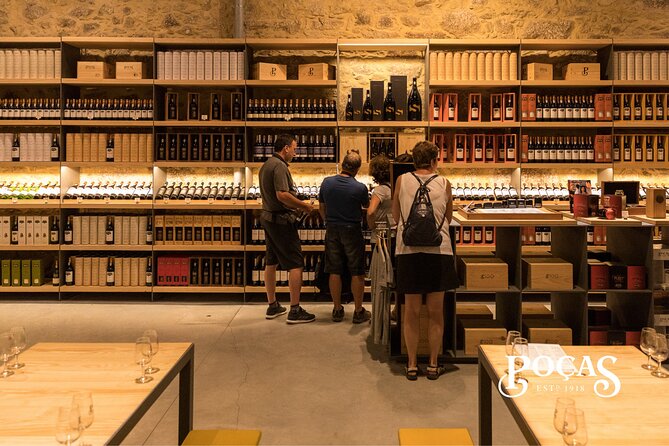
The included tasting is designed to show how Port works with food, but the listed price does not include a full snack plate. You can add a selection of sausages or cheeses for €16 per person, or a combined cheese and sausage selection for €20 per person.
That distinction affects the value. At $27.83 per person, the basic tour is fairly priced for a guided cellar visit and three samples, particularly if you want an introduction rather than a long tasting. It is not a meal, and the small palate-cleansing crackers should not be treated as one.
I would add the food if you want to turn the tasting into a relaxed aperitif. Cheese and charcuterie give you something substantial to compare with the Ports and make the visit feel more complete. If you plan to eat lunch afterward, skip the add-on and keep the basic ticket.
The shop provides another useful option. You can buy the wines served during the tasting and other available bottles, with no pressure to purchase. That matters because you can taste first, ask questions, and decide later rather than committing to a bottle from a shelf.
Guides, group size, and the pace of the visit
The guide is central to this experience. Inês has been praised for her warmth and enthusiasm, while Cindy has been singled out for her energy and clear knowledge of Port and the Douro Valley. The guide answers questions during the cellar walk and tasting, so bring the things you genuinely want to understand.
The best sessions seem to keep a personal pace. A maximum of 20 people is stated, though some groups are smaller. A smaller group gives you more room to ask about grape varieties, aging, serving temperature, or food pairings.
The tone may not suit everyone. The presentation style can include humor and a rehearsed rhythm, and one person found that irritating. If you prefer a quiet technical lecture, the guide’s personality may feel more noticeable than it would at a formal museum. Most of the available feedback points to an informative and relaxed approach, but personal taste matters.
The tour is also not rushed at the finish. You can spend time in the tasting room and browse the shop. That slower ending is valuable because Port is a wine you often understand better after comparing the glasses at your own pace.
How Poças compares with a larger Port house
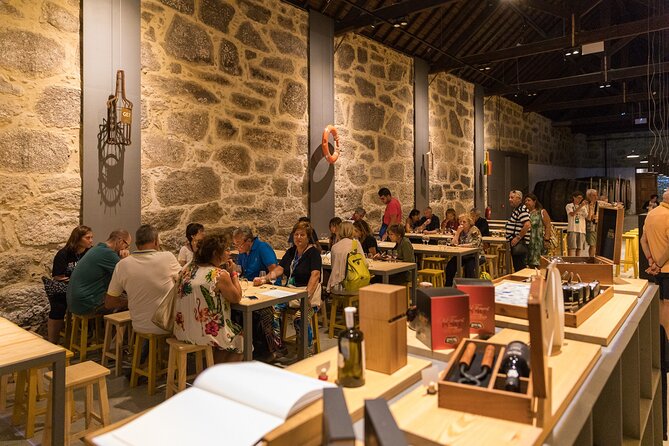
A major Gaia producer may offer more elaborate buildings, broader exhibits, and a more predictable tourist setup. Poças gives you fewer grand flourishes but a closer look at a smaller Portuguese-owned business.
Choose Poças if you want:
- A family-owned house with a Portuguese identity
- A small-scale cellar rather than a major visitor complex
- A guide-led explanation of Port production
- Three contrasting styles at a moderate price
- Time for questions and a relaxed tasting
- An experience away from the busiest riverside route
Choose a larger producer if you want a major brand, a larger museum-style presentation, or more certainty that every stage of Port production will be shown on site. Poças cannot show the full harvest and production cycle in one cellar visit, since much of that work happens in the Douro Valley.
The smaller setting is the reason to come, not a flaw to ignore. It feels more personal, but it also comes with a less central location and a simpler tour format.
Who will get the most from this visit
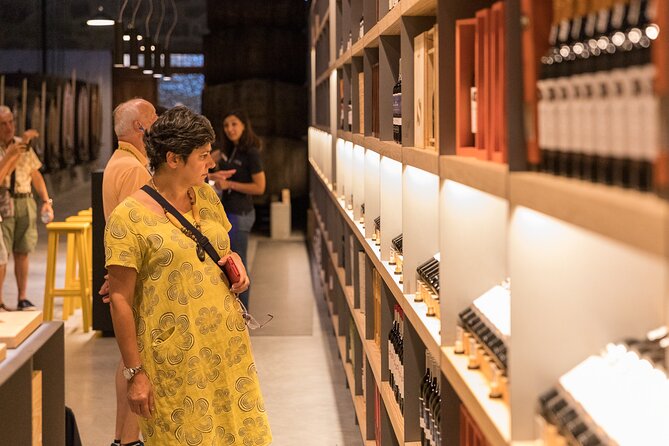
I would recommend Poças to first-time Port drinkers who want a clear introduction without spending half a day at a winery. The three-wine format gives you enough contrast to learn the basics without tiring your palate.
It also suits people who have already visited a famous Port house and want a more personal comparison. The family ownership, smaller cellar, and chance to discuss production methods make it a useful second stop.
Food lovers should consider the paid pairing plates. They add cost, but they also make the lesson more practical. You can see how White Port works as an aperitif and how aged styles pair with savory or sweet foods.
I would be more cautious if you dislike uphill walking, quiet streets, or standing for much of a tour. Use the train, metro, or taxi, and wear proper shoes. I would also avoid booking without checking the tasting level if your main goal is a large flight of wines.
Free cancellation is available if you cancel at least 24 hours before the local start time. Inside that window, the payment is not refunded and changes are not accepted.
Should you book Poças?
Book it if you want a 90-minute, family-run introduction to Port with three well-chosen styles, a cellar visit, and time to ask questions. The price is reasonable for what is included, and the public transport access makes the uphill location manageable.
Do not book it expecting a full working-production tour, a substantial meal, or the grand architecture of Gaia’s best-known houses. Confirm the tasting level, arrive by train or metro if possible, and add the €16 or €20 food plate only if you want more than a light tasting.
For an intimate look at Portuguese Port outside the main tourist lane, Poças is a sound choice. Its strongest points are the guides, the family setting, and the clear contrast among the wines. Its weak points are the location, standing time, and the possibility that a basic ticket may feel limited if you expected four to six Ports.
FAQ
Where does the Poças Port tour start?
The tour starts at Pocas Vinhos, R. Visc. das Devesas 168, 4400 Vila Nova de Gaia, Portugal. It ends at the same meeting point.
How long does the experience last?
The guided visit and tasting last approximately 1 hour and 30 minutes.
Which Port wines are included?
The standard experience includes White Port, Late Bottled Vintage Port, and Reserve Tawny Port.
Is food included with the tasting?
Food is not included. You can purchase a sausage or cheese selection for €16 per person, or a combined cheese and sausage selection for €20 per person.
Can I taste more than three Ports?
Different tasting levels are available, and additional wines may be ordered by the glass for an extra charge. Check the exact option you book, since the standard experience includes three Ports.
Is the tour offered in English?
Yes. The experience is offered in English and uses a mobile ticket.
How many people can join the tour?
The maximum group size is 20 people.
Is Poças close to public transport?
Yes. The cellar is near public transport, with the Gaia-Devesas train station and Santo Ovídio metro station described as short walks away. The walk from Gaia’s riverfront is considerably steeper.
Can I cancel for a refund?
Yes, if you cancel at least 24 hours before the experience begins. Cancellations or changes made less than 24 hours before the start time are not refunded.
New around Porto
- Porto: City Bike Rental★ 4.6 · 75 reviews
- Fado Concert with Welcome Drink★ 5.0 · 75 reviews
- Boat Trip to Régua Through the Douro Valley with Breakfast and Lunch★ 4.5 · 76 reviews
- Porto City Tour Half Day – Private★ 5.0 · 77 reviews
- Port : Private Cruise in the Douro — 6 Bridges & Sunsets★ 5.0 · 78 reviews
- Porto Private Airport Departure Transfer★ 4.5 · 78 reviews
- Half-Day Walking Tour Tasting Local Food in Porto★ 5.0 · 78 reviews
- Douro Valley Small-Group Tour: 2 Wineries, Lunch, Optional Cruise★ 5.0 · 78 reviews
Wine Tastings & Douro Valley Tours, compared.
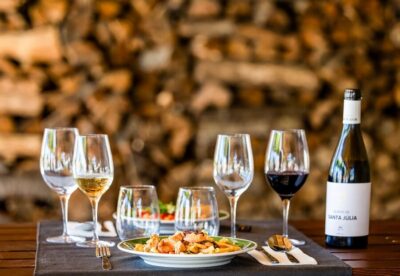
Douro Valley w/ Boat Tour, Wine Tasting & Lunch
Read our review →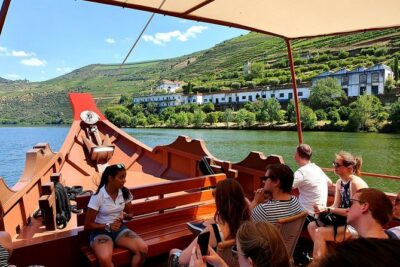
Complete Douro Valley Wine Tour with Lunch, Wine Tastings and River Cruise
Read our review →
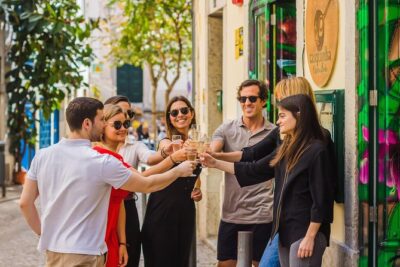
Winner 2025 Undiscovered Lisbon Food & Wine Tour by Eating Europe
Read our review →
Wine Tour with Lunch, Tastings & River Cruise
Read our review →
Guided Tour by Tuk-Tuk & Optional Douro River Cruise
Read our review →
Historical Sites, Wine Experience, Lunch & Cruise
Read our review →Browse the lists this tour appears in