
Reviewed · WALKING TOURS
Best of Porto Private Walking Tour
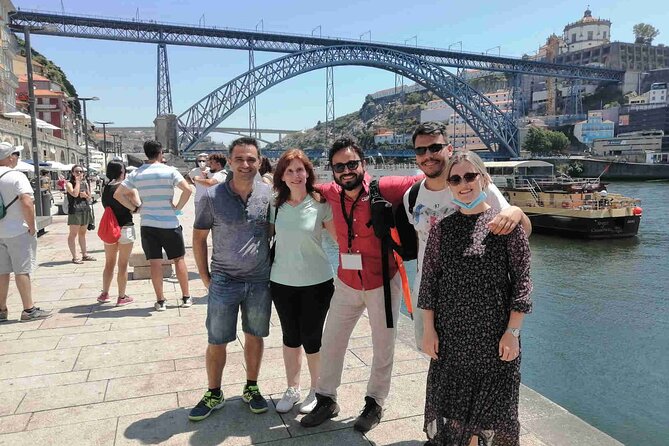
Porto reveals itself best on foot, one tiled church, grand square, and steep street at a time. This private three-hour walk links the city’s major sights with the story of Portugal’s Age of Discoveries, then finishes at Jardim do Morro with a broad view over the Douro.
I like the private format, since your guide can adjust the pace and keep children engaged. I also like the strong local focus: guides such as Monica, Jorge, Gianfranco, Caio, Artur, and Filipe bring different backgrounds and personalities to the walk. The main drawback is that three hours is a lot of ground, so some stops are quick and the tour requires suitable weather.
Key points to know before booking
- Starts at Fonte dos Leões: You meet beside the University of Porto, a central point near public transportation.
- Covers Porto’s essential sights: The route includes City Hall, Clerigos Tower, Igreja do Carmo, São Bento Station, major churches, the former Stock Exchange, and more.
- Tiles and architecture take center stage: Igreja do Carmo and São Bento offer some of the city’s most memorable decorative details.
- Private guiding changes the feel: Only your group takes part, allowing room for questions, family needs, and personal interests.
- Ends across the river: Jardim do Morro gives you a fine closing view of Porto and the Douro River.
- Costs $84.48 per person: That is a fair price if you value a private introduction and practical advice for the rest of your stay.
Why this three-hour route works well on a first day
I would choose this walk early in a Porto visit. It gives you a useful mental map before you start exploring alone, and the end point at Jardim do Morro helps connect Porto with Vila Nova de Gaia across the Douro.
The route is not just a checklist of monuments. It moves through several parts of Porto’s identity: civic power at City Hall, religious art in the churches, education at the university, rail travel at São Bento, trade at the former Stock Exchange, and seafaring ambition in the story of Henry the Navigator.
That range is the tour’s chief strength. You get architecture, local stories, and Portugal’s overseas expansion in one sitting. Guides also give practical suggestions for the rest of your stay. Monica, for example, has tailored walks for families and pointed people toward shops, cafés, and restaurants. One family even received a recommendation for a local cervejaria.
The pace may feel brisk if you want long visits inside every building. Several listed stops allow only around five or ten minutes, and some are viewed from outside rather than treated as full museum visits. Think of this as a city orientation with a personal guide, not a slow architectural seminar.
More Walking Tours in Porto
- Porto Walking Tour, Lello Bookshop, River Cruise and Cable Car
★ 5.0 · 3,354 reviews - Experience Porto’s Charm: 3-Hour Guided Walking Tour
★ 5.0 · 2,432 reviews - Porto: 3-Hour Guided City Highlights Walking Tour
★ 4.8 · 2,050 reviews
Beginning with City Hall and the city’s grand center
The meeting point is Fonte dos Leões at Praça de Gomes Teixeira, beside Porto’s university area. From there, the walk heads toward Porto City Hall, described as one of the city’s most charming civic buildings.
City Hall makes a good opening stop because it introduces Porto as a proud, formal city rather than only a riverfront town. You have about five minutes here, with no admission charge. Your guide can use the building and square to explain how the modern city is organized before leading you into older streets.
The short stop also sets expectations. This is an outdoor walking route, and the tour keeps moving. If you enjoy seeing a lot in a limited time, that works in your favor. If you prefer extended time for photographs or interiors, you will need to return later on your own.
Clerigos Tower, the bookshop, and Porto’s student spirit
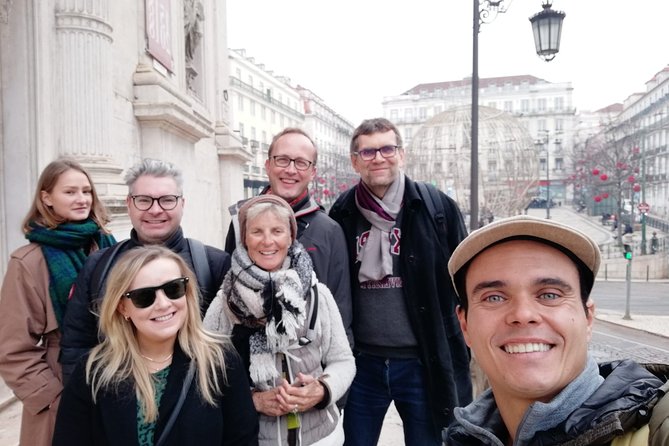
The route then brings you to Clerigos Tower, presented as Porto’s key symbol. Its tall profile is one of the city’s easiest landmarks to recognize, and it helps you understand Porto’s vertical character.
The nearby stop at one of the world’s most famous bookshops adds a very different mood. The bookshop is a visual treat and an important part of Porto’s modern sightseeing appeal. The supplied tour details do not promise an admission visit, so I would treat this as an exterior or orientation stop unless your guide tells you otherwise.
You also see the city’s most famous fountain and the University of Porto, described as the leading university in northern Portugal. These stops may seem less dramatic than the churches, but they help explain daily Porto. The university quarter brings students, public life, and a younger energy into the route.
This section is particularly useful if you want a guide who can connect monuments rather than simply point at them. Several guides have been praised for mixing history with humor. Monica has kept the explanations light for children, while Caio has offered clear, concise background on Porto and Portugal. That variety matters on a private tour because the tone can fit your group.
Igreja do Carmo and Porto’s blue-and-white tilework
Igreja do Carmo is one of the strongest visual stops. You have about ten minutes to see the church and its striking tiled façade, with no admission charge listed.
Porto’s tiles are not a minor decoration. They shape the city’s visual identity, and Igreja do Carmo gives you an immediate example. The patterned exterior rewards close looking, especially if your guide explains what you are seeing rather than rushing you past it.
This is also a good place to ask about other tiled buildings you might notice during the rest of your visit. A private guide can turn one famous façade into a tool for reading the city. That kind of advice often proves more useful than another list of dates.
Rain is worth considering here. One family completed the walk through on-and-off rain, with Monica keeping the pace and mood steady. Still, the experience requires good weather. If poor conditions lead to cancellation, you receive the choice of another date or a full refund.
More walking tours around Porto:
- Porto: Wine Tasting with Tapas Walking Tour
★ 4.4 · 1,541 reviews - Porto: Historic City Center Walking Tour
★ 4.7 · 1,172 reviews - Porto’s #1 Walking Tour
★ 5.0 · 1,026 reviews - Porto: Delicious Food and Wine Walking Tour
★ 4.8 · 977 reviews
São Bento Station, where travel becomes art
São Bento Railway Station receives about ten minutes and no admission charge. It is widely regarded as one of the world’s most beautiful stations, and it earns that reputation through its interior tile panels.
The station is a practical stop as well as a beautiful one. You are seeing a functioning transport hub, not a sealed monument. That gives the visit a sense of place and makes the building easier to remember when you return to use public transportation.
Your guide can also help you notice the difference between the station’s daily purpose and its ceremonial decoration. The stop is brief, but it is one of the places where a few well-chosen explanations can make the visit much more rewarding.
Since the route begins near public transportation and ends near Jardim do Morro, the tour is easy to fit into a wider day. You can continue exploring after the walk, use transit later, or make your way back across the river from the final viewpoint.
Churches, the former Stock Exchange, and the Age of Discoveries
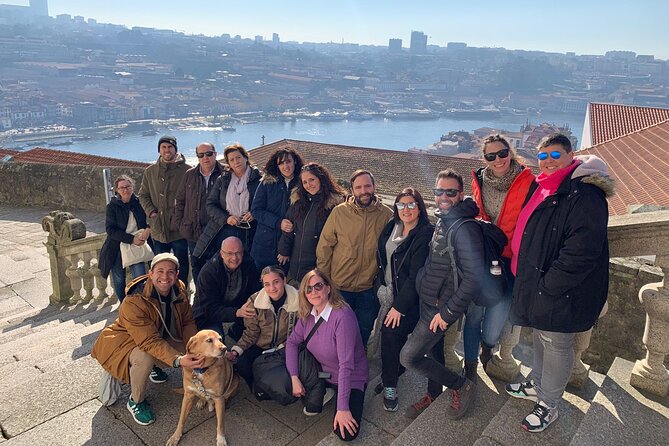
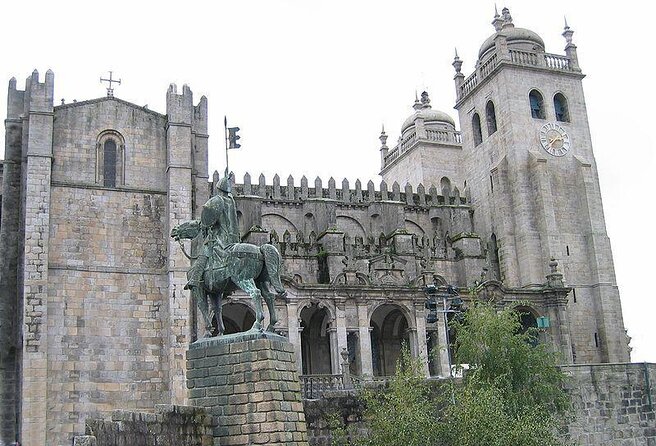
The walk continues to an important Porto church and one of the city’s oldest churches. The supplied details do not name these stops, so the exact presentation may depend on the guide and route on the day. Even so, their place in the walk is clear: they add religious and historic depth between the better-known landmarks.
You also visit the former Stock Exchange. This building points to Porto’s commercial life and the city’s long connection with trade. It provides a useful counterweight to the churches and towers. Porto is not only a city of grand façades and religious art; it was also shaped by merchants, finance, and port commerce.
The route then turns toward the birthplace of Henry the Navigator, identified as the most important person born in Porto and a central figure in the Portuguese Discoveries. This is where the larger national story comes into focus.
A good guide should help you see the Age of Discoveries as more than a heroic chapter. It changed Portugal’s wealth, reach, and place in the world, while also carrying serious consequences for other regions. Artur, whose family links Porto and Brazil, has been able to connect Portuguese and Brazilian history along with later events. That sort of personal and cross-Atlantic perspective can make the subject feel less remote.
Filipe brings an academic background in history, while other guides contribute local knowledge, humor, or international experience. You cannot select every detail of the storytelling in advance, but the range of guides suggests that the history will not be delivered in one fixed style.
The oldest quarter and the route toward the Douro
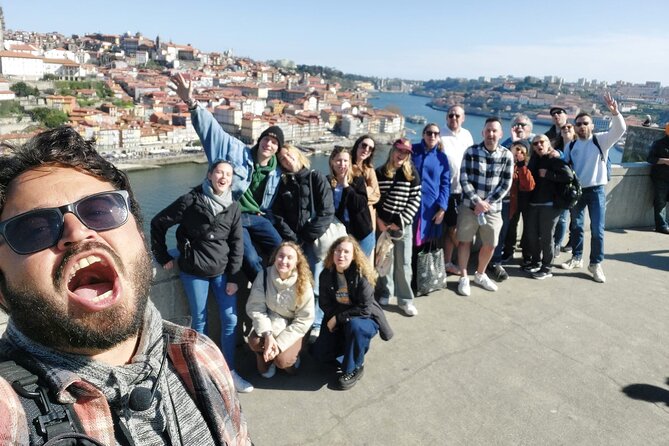
The final part reaches Porto’s oldest area, designated a UNESCO World Heritage Site in 1996. This is the part of town where the city’s age and layered character are easiest to feel.
The route gives you a broad introduction rather than a house-by-house study. You will see old streets and important buildings, hear how the quarter fits into Porto’s story, and move toward the river. If you want to return later for a slower wander, this tour gives you the orientation needed to do so with purpose.
You also see the remarkable bridge built by one of Eiffel’s disciples. The bridge is among Porto’s most recognizable landmarks and creates a strong visual link between Porto and Vila Nova de Gaia. Its engineering story adds another side to the city, especially after a route filled with churches and historic façades.
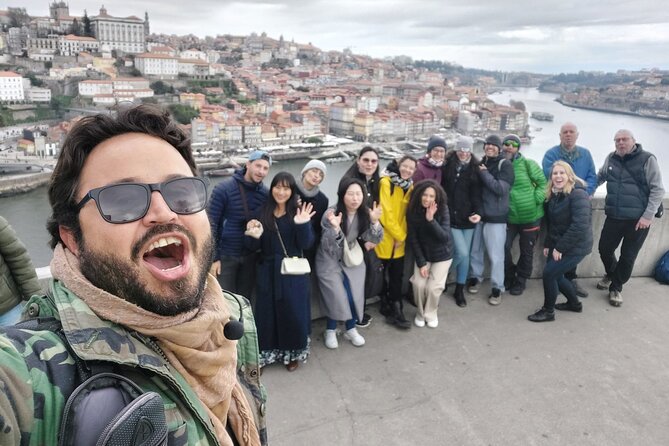
The walk ends at Jardim do Morro in Vila Nova de Gaia. This is a smart finish. Instead of ending in another central square, the tour gives you a scenic pause above the Douro, with Porto spread out across the water.
That final view is useful for planning. You can look back at the places you have just visited and understand how the center, river, bridge, and Gaia side relate to one another. It also gives the three-hour route a clear sense of arrival.
How the private format affects the experience
Only your group takes part, which is the main reason to consider this tour over a cheaper shared walk. You can ask questions without waiting for a large group, and the guide can adjust explanations for adults, children, or people especially interested in food, architecture, or history.
That flexibility appears in the guide styles. Monica has adapted the route for children and added local food suggestions. She has also shown less obvious places, including a historic café and a family-owned restaurant. Jorge has been praised for a warm, informative introduction, while Gianfranco combines humor with city history. Caio brings strong local background despite being Irish, and Artur connects Porto with Brazil.
The private setup does not guarantee a particular guide, and the tour is offered in English. If a specific guide matters to you, you can ask the operator when booking, but the available information does not promise a choice.
Is $84.48 per person good value?
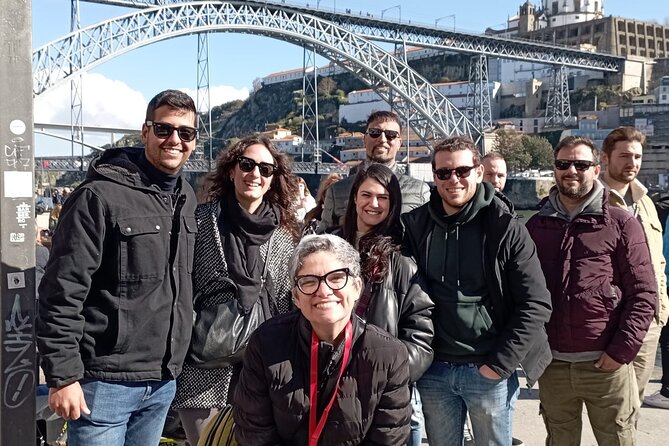
At $84.48 per person, this is not the cheapest way to see Porto. The price makes more sense for couples, families, or small groups who want a private guide and a strong first look at the city.
You are paying for three things: the guide’s time, a route joining many major sights, and the ability to shape the conversation around your group. Since admission tickets are listed as free at City Hall, Igreja do Carmo, and São Bento, the value is in the guiding rather than included entry fees.
For a group that would otherwise book several separate activities, the price can be reasonable. It is less compelling if you are happy to walk independently, read about the buildings beforehand, and return later for interiors.
The private format also makes group discounts worth checking. The listed price is per person, and discounts may make the total more attractive for larger groups. With an average booking lead time of 58 days, reserving early is sensible if your dates are fixed.
Who should book this Porto walking tour?
I would recommend it most strongly to:
- First-time visitors who want a clear introduction on day one
- Families who need a flexible pace and explanations that can stay light
- Couples who prefer a private guide to a large group
- History fans interested in Portugal’s Discoveries and Porto’s trade
- People who want restaurant and shop suggestions for the rest of their visit
- Visitors with only a short stay who need to cover major sights efficiently
I would be more cautious if you dislike outdoor walking, need long indoor visits, or want a tour focused on one subject only. The route covers a great deal, so it favors range over extended time at each monument.
The tour is near public transportation, and most people can participate. Confirmation arrives at booking. Free cancellation is available up to 24 hours before the start time, but changes or cancellations inside that window are not accepted. Poor weather can lead to a new date or a full refund.
My verdict on the Best of Porto Private Walking Tour
I would book this as an early Porto activity, especially for a first visit. The route brings together the city’s most useful landmarks, gives you the story behind the Age of Discoveries, and ends with one of the best views in the area.
The strongest reason to choose it is the guide. Monica, Jorge, Gianfranco, Caio, Artur, and Filipe each bring a different voice, and the private setting lets the experience feel personal rather than rehearsed.
Book it if you want a well-paced introduction with room for questions and local suggestions. Skip it if you prefer to explore at your own speed or want a full museum-style visit at every stop. For most first-time visitors, the combination of major sights, local context, and the Jardim do Morro finish makes the $84.48 price worthwhile.
FAQ
How long is the Best of Porto Private Walking Tour?
The tour lasts approximately three hours.
Where does the tour begin?
It begins at Fonte dos Leões, Praça de Gomes Teixeira 10, 4050-161 Porto, Portugal.
Where does the tour end?
It ends at Jardim do Morro in Vila Nova de Gaia, with a view of the Douro River.
Is this a private tour?
Yes. Only your group participates in the activity.
What language is the tour offered in?
The tour is offered in English.
Can I cancel for a full refund?
Yes, if you cancel at least 24 hours before the experience start time. Cancellations made less than 24 hours in advance are not refunded.
New around Porto
- Porto: City Bike Rental★ 4.6 · 75 reviews
- Fado Concert with Welcome Drink★ 5.0 · 75 reviews
- Boat Trip to Régua Through the Douro Valley with Breakfast and Lunch★ 4.5 · 76 reviews
- Porto City Tour Half Day – Private★ 5.0 · 77 reviews
- Port : Private Cruise in the Douro — 6 Bridges & Sunsets★ 5.0 · 78 reviews
- Porto Private Airport Departure Transfer★ 4.5 · 78 reviews
- Douro Valley Small-Group Tour: 2 Wineries, Lunch, Optional Cruise★ 5.0 · 78 reviews
- Half-Day Walking Tour Tasting Local Food in Porto★ 5.0 · 78 reviews
Walking Tours, compared.
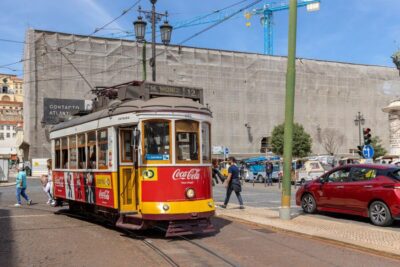

Best of Lisbon Small-Group Guided Walking Tour
Read our review →
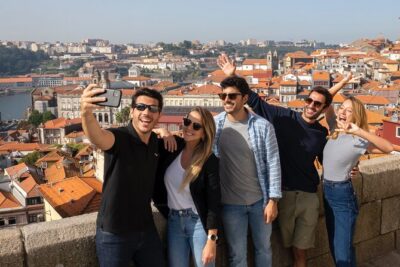
Porto Walking Tour, Lello Bookshop, River Cruise and Cable Car
Read our review →
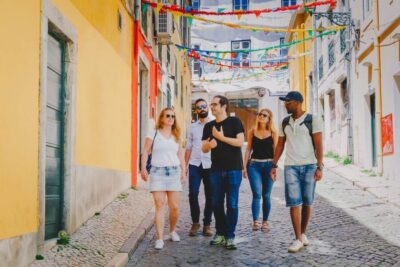
Best of Lisbon Walking Tour: Rossio, Chiado & Alfama
Read our review →
Experience Porto’s Charm: 3-Hour Guided Walking Tour
Read our review →
Enjoy a Guided Levada Walk in the Rabaçal Valley
Read our review →Browse the lists this tour appears in