Reviewed · LISBON TOURS
Hidden Flavors of the Hillside: Mouraria & Graça
Lisbon’s best food discoveries often happen in plain-looking cafés and old neighborhood eateries, not in polished dining rooms. This five-hour walk through Mouraria and Graça pairs those local tastes with church art, hillside streets, immigrant influences, and one of Lisbon’s finest viewpoints.
I like two things especially. First, the small group, limited to seven people, gives guides such as Kika, Gisela, and Laura room to tell stories and adjust the conversation. Second, the route connects food with daily life, from traditional tascas and cervejarias to newer cooking styles. The main drawback is the hills: you need moderate fitness, comfortable shoes, and patience for a long afternoon on foot.
Key points at a glance
- Four food-focused stops across two old neighborhoods: Expect several tastings rather than one large meal, with food and wine woven into the walk.
- A useful introduction to tasca culture: You learn how Lisbon’s modest neighborhood eateries fit into local life and dining customs.
- Guides bring different local perspectives: Kika, Gisela, and Laura are praised for warm storytelling, food knowledge, and familiarity with the city.
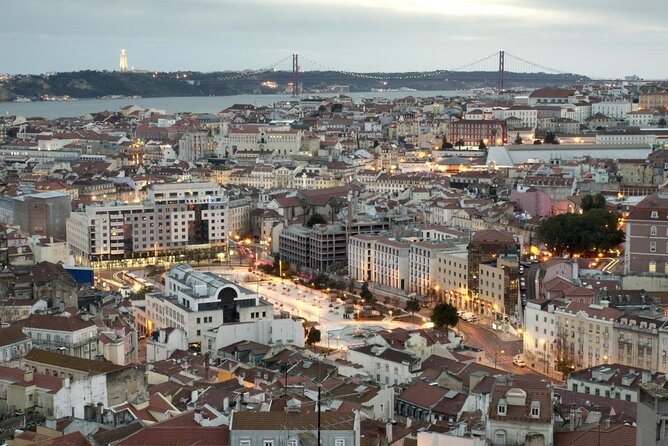
- A hilltop finish at Miradouro da Graça: The tour ends near one of Lisbon’s classic viewpoints, with broad city views.
- A small group of no more than seven: This suits people who prefer conversation and personal attention over a large food crawl.
- Plan for roughly five to six hours: The published duration is about five hours, but one outing lasted six, so leave your evening open.
Why this Lisbon food walk feels different
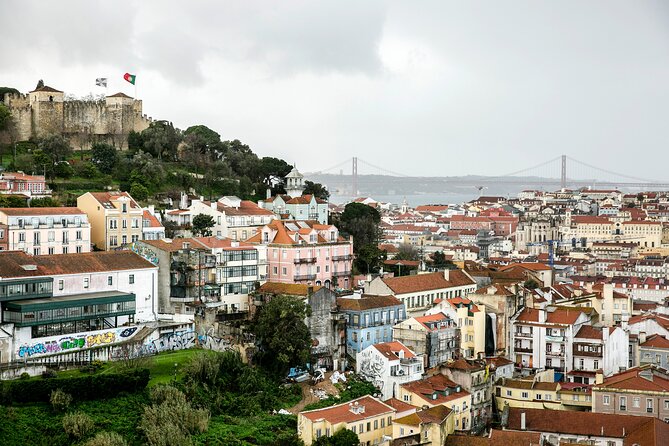
This is not simply a march between famous restaurants. The route uses food as a way to read Lisbon. You move through Mouraria and Graça, two neighborhoods where steep streets, old churches, small cafés, and changing communities sit close together.
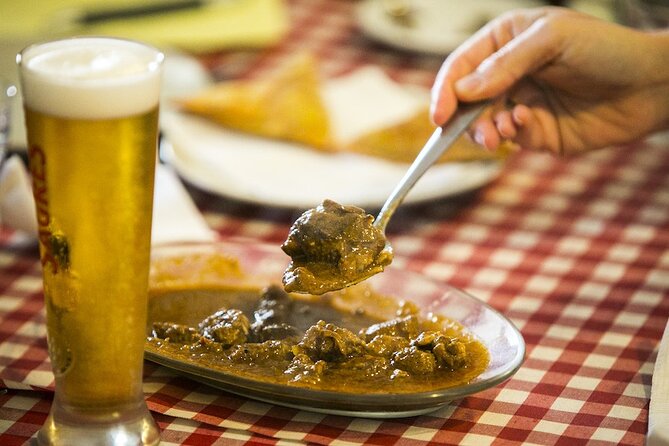
The food is part of the lesson. You may taste everyday comfort food, traditional cooking, wine, and newer interpretations of Portuguese flavors. The exact dishes are not fixed in the information provided, so you should think of this as a guided tasting route rather than a menu-driven meal.
That flexibility is useful in Lisbon. Food here is often tied to the room, the owner, the neighborhood, and the hour of the day. A guide can explain why a simple tasca matters, how a cervejaria fits into local eating habits, and how newer restaurants borrow from older traditions.
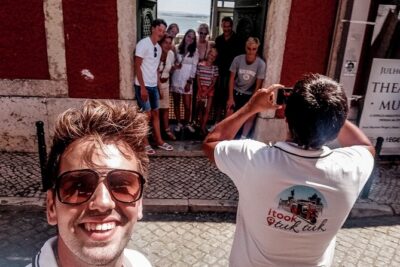
The experience also has a social side. The group size is capped at seven, and the afternoon gives you time to talk while walking and eating. If you are traveling alone or as a couple, that small format can feel more natural than sitting silently in a large organized group.
A few other Lisbon half-days worth a look
- Lisbon City Center Tour – The Unmissable Lisbon
★ 5.0 · 22,234 reviews - Lisbon: Sintra, Pena, Regaleira, Cabo da Roca & Cascais
★ 4.7 · 19,656 reviews - Lisbon: Jerónimos Monastery Entrance Ticket
★ 4.1 · 14,164 reviews
Starting beside Igreja Paroquial de São Cristóvão e São Lourenço
The meeting point is listed at Largo do Correio, on Rua de São Mamede, with a 2:15 pm start. From there, the first listed stop is Igreja Paroquial de São Cristóvão e São Lourenço, a Catholic church where the first bite is served.
The church stop lasts about 45 minutes, and admission is free. Its value is not only the food nearby. Beginning at a church gives the guide a way to place the surrounding streets in a wider story of Lisbon’s neighborhoods, religion, and everyday routines.
You should expect a compact introduction rather than a long formal church visit. The experience is built around the nearby food and the streets themselves. That is a good fit if you prefer history in manageable pieces, with something to eat keeping the afternoon moving.
Pay attention to the transition from the church to the surrounding eateries. This is where the tour’s approach becomes clear: grand sights provide context, while small food businesses provide the human scale.
A snack and a pause at Jardim da Cerca da Graça
The route continues uphill to Jardim da Cerca da Graça, a park where another bite is served. The stop is scheduled for about 45 minutes, with no admission charge.
A park break matters on a Lisbon walking tour. You get a chance to sit, eat, and catch your breath instead of rushing from one indoor stop to another. Since Mouraria and Graça are hilly, this pause helps make the five-hour schedule more comfortable.
The park also changes the rhythm of the afternoon. Food in a public green space feels less formal than a restaurant tasting, and it gives you time to ask questions about what you have already seen. You might find this one of the more relaxed parts of the route.
Still, the park stop should not be mistaken for a full lunch. The tour appears to spread food across multiple locations. If you normally need a substantial meal at midday, consider eating something light before the 2:15 pm start.
Martim Moniz and the story of the station
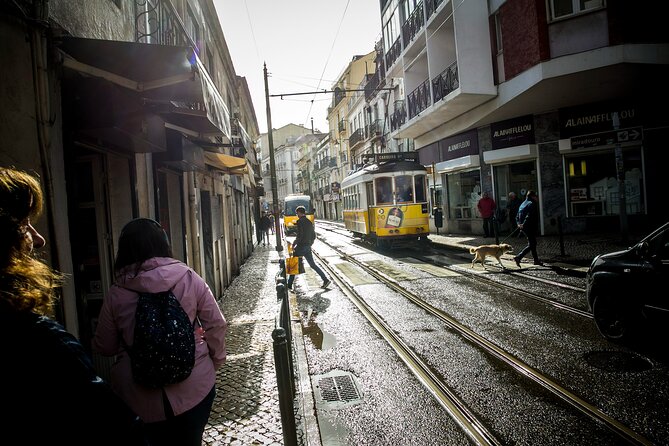
The longest scheduled stop is around Praça Martim Moniz, lasting about one hour. Here the tour covers the history of the Martim Moniz train station and may include one or two bites.
This part adds useful urban context. Martim Moniz is not presented merely as a transport point. It is a place where movement, commerce, food, and different parts of Lisbon meet. The guide’s role is to help you notice how the neighborhood functions, not just point out a station.
The hour gives the group time to take in the area without treating it as a quick photo stop. You can expect more conversation here, along with food connected to the local setting. The exact businesses and dishes can vary, so book this for the explanation and access to the area, not for a guaranteed list of named restaurants.
This is also where the route may feel busiest and least polished. That is part of the appeal for people who want ordinary Lisbon, but it can be less comfortable than a quiet sightseeing circuit. Keep your belongings secure in crowded public areas, as you would anywhere in a busy city center.
Same coastline, a completely different day out:
- Lisbon: History, Stories and Lifestyle Walking Tour
★ 4.8 · 10,902 reviews - Lisbon: Sunset Boat Party Cruise with DJ and Open Bar
★ 4.5 · 10,378 reviews - Lisbon: Pena Palace, Sintra, Cabo da Roca, & Cascais Daytrip
★ 4.7 · 9,981 reviews - Lisbon: Oceanário de Lisboa Entrance Ticket
★ 4.6 · 9,943 reviews
The climb to Miradouro da Graça
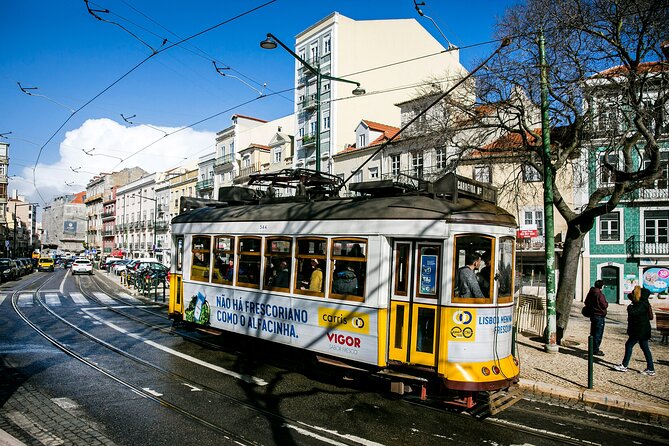
The final listed stop is Miradouro da Graça, also known as the Sophia de Mello Breyner Andresen viewpoint. The scheduled time is about 45 minutes, and the next food stop is described as being just uphill from the viewpoint.
The reward is the view. From Graça, you get the kind of broad outlook that helps make sense of Lisbon’s hills and layered neighborhoods. After walking through narrow streets and eating in small places, the open panorama gives the afternoon a clear finish.
The climb is the point to take seriously. The tour requires moderate physical fitness, and the route includes hills. Lisbon’s slopes can be tiring even when the distance does not look great on a map. Wear shoes with good grip, bring water, and avoid carrying more than you need.
The viewpoint is also a practical place for photographs. You will have time to take pictures, but the tour is not only a sightseeing stop. The food, stories, and uphill walk are meant to work together, so do not expect a long pause devoted solely to photography.
What the guides add to the food
The strongest part of this experience is the guide-led connection between dishes and place. Kika is praised for organizing a route that moves from traditional tascas to traditional restaurants, a cervejaria, and a modern tasca. That range gives you a better sense of Lisbon’s food culture than a single restaurant meal would.
Gisela brings an enthusiastic, social style. She is described as someone who makes the group feel comfortable while leading people through old Lisbon’s maze of streets. That matters when the route includes places you might not enter alone.
Laura’s strength is her personal connection to the area and her ability to explain Portuguese history through food and wine. If you are particularly interested in how local dishes reflect the past and present, her style sounds like a strong match.
You cannot request a particular guide with certainty from the information provided, so treat these names as examples of the team rather than a guarantee. The common thread is clear: expect storytelling, conversation, and explanations about food, not just a series of tastings.
Food portions, wine, and the shape of the afternoon
The experience is described as including several bites, traditional foods, modern cooking, and wine. One outing stretched to six hours and included enough food to feel like lunch, dinner, and snacks combined. That suggests a generous food schedule, though portion sizes and stops may change.
I like this format because it lets you compare styles. You are not judging one meal in isolation. You are seeing how a neighborhood café, a traditional restaurant, a cervejaria, and a newer tasca can each express Lisbon differently.
The tradeoff is timing. Eating at several places takes longer than sitting down for one meal, and the start time means you should leave your evening flexible. If you have theater tickets, a fado reservation, or a train to catch, allow plenty of extra time after the scheduled five hours.
Food restrictions should be raised when booking or as soon as you meet the guide. The information does not list a formal dietary policy, but the experience has accommodated some food restrictions in the past. That is encouraging, though you should not assume every dish can be changed.
Is $150 a fair price?

At $150 per person, this is not a cheap way to grab lunch. You are paying for a small-group walking experience, several food and drink stops, a guide, neighborhood interpretation, and roughly five hours of time. The group limit of seven is important here because it supports a more personal pace.
The value is strongest if you want access and context. You may be able to find some of the food on your own for less, but you would not automatically know which places to enter, what to order, or how the dishes connect to Mouraria and Graça.
It also works well early in a Lisbon visit. The route can give you confidence to try tascas and cafés for the rest of your stay. One useful result is practical knowledge: after the walk, you may feel less shy about stepping into an unfamiliar local eatery.
If your main goal is a large, luxurious meal, $150 may feel high. If you want a guided food-and-history afternoon with several stops and a small group, the price is easier to justify.
Timing, meeting point, and physical effort
The tour begins at 2:15 pm and ends in Graça. Because the finish is on the hillside, you should not plan around returning to the exact starting point. Check your route home before setting off, especially if you are meeting someone elsewhere in Lisbon.
The experience is near public transportation, which helps with reaching the start and leaving the final stop. The details supplied do not specify the exact transport connection, so use the confirmed meeting instructions you receive after booking.
Five hours is the listed duration, but food tours can run long. The scheduled stops add up to three hours, leaving time for walking, transitions, and additional tastings. Plan for six hours rather than assuming you will be finished exactly on schedule.
The route is not suited to anyone who finds steep walking difficult. The operator asks for moderate physical fitness, and the route includes a climb toward Graça. There is no need to race, but you should be ready to walk between stops and remain on your feet for much of the afternoon.
Who should book this experience?
You should consider it if you want Lisbon through local food rather than a checklist of monuments. It is especially suitable for people who enjoy history, neighborhood stories, wine, and conversation with a guide.
It also suits couples celebrating a birthday or a special occasion. The long format gives the afternoon a sense of occasion without making it formal, and the small group can feel more personal than a standard city tour.
Food-focused visitors will get the most from the variety of stops. So will first-time visitors who want a better idea of how Lisbon’s tasca and café culture works before exploring alone.
You may want to skip it if you dislike hills, prefer a fixed menu, need a strict end time, or want a short tasting lasting only two or three hours. The exact foods are not published, and the experience depends on walking, conversation, and the guide’s explanation as much as the food itself.
Should you book Hidden Flavors of the Hillside?
I would book this tour near the beginning of a Lisbon stay, especially if Mouraria and Graça are unfamiliar to you. The combination of small eateries, history, wine, and a viewpoint offers more than a meal and more than a standard sightseeing walk.
The best reason to choose it is the chance to learn how to eat in Lisbon with more confidence. You get several tastes, a guide who can explain the setting, and a route that finishes with one of the city’s memorable views.
Book it if you can handle the hills and keep your schedule open for five to six hours. Skip it if you want certainty about every dish or a relaxed, flat route. For curious eaters who value local context and small groups, the $150 cost is reasonable.
FAQ
Where does the tour begin?
It begins at Largo do Correio, Rua de São Mamede, 1100-171 Lisboa, Portugal.
What time does the tour start?
The listed start time is 2:15 pm.
Where does the tour end?
The tour ends in Graça, Lisbon.
How long does the experience last?
The stated duration is approximately five hours. One described outing lasted six hours, so you should leave extra time in your schedule.
How many people can join the tour?
The group has a maximum of seven people.
What language is offered?
The experience is offered in English.
Is the tour available with a mobile ticket?
Yes. A mobile ticket is provided.
What sights are included?
The route includes Igreja Paroquial de São Cristóvão e São Lourenço, Jardim da Cerca da Graça, Praça Martim Moniz, and Miradouro da Graça, also called the Sophia de Mello Breyner Andresen viewpoint.
Do I need to be fit for this tour?
You should have a moderate level of physical fitness. The route includes walking through Lisbon’s hillside neighborhoods and a climb toward Graça.
Can I cancel for a full refund?
Yes, if you cancel at least 24 hours before the experience start time. Cancellations made less than 24 hours in advance are not refunded. Poor weather or failure to meet the minimum number of participants may lead to another date or a full refund.
New around Lisbon
- Arrábida, Setúbal, Sesimbra, Olive with wine tasting★ 5.0 · 75 reviews
- Lisbon: Sunset Sailing Boat Cruise with Wine★ 5.0 · 75 reviews
- Lisbon Half Day Private Tour★ 5.0 · 75 reviews
- Private Half Day Tour to Fatima from Lisbon★ 5.0 · 75 reviews
- Fátima, Nazaré and Óbidos Private Tour from Lisbon★ 5.0 · 76 reviews
- Central Lisbon 3-Hour Guided E-Bike Tour★ 4.8 · 76 reviews
- Lisbon Historic City Tour by Tuk-Tuk★ 5.0 · 76 reviews
- Sintra World Heritage and Cascais Village Private Deluxe Tour★ 5.0 · 76 reviews
Lisbon Tours, compared.
Lisbon City Center Tour – The Unmissable Lisbon
Read our review →
Sintra, Pena, Regaleira, Cabo da Roca & Cascais
Read our review →

Sunset Boat Party Cruise with DJ and Open Bar
Read our review →
Pena Palace, Sintra, Cabo da Roca, & Cascais Daytrip
Read our review →