

Reviewed · MUSEUMS
Porto: Entry Ticket at WOW – The Wine Experience Museum
The best part of Porto’s Wine Experience Museum is its clear journey from soil and grape to finished bottle. You’ll see how climate, geography, grape types, fermentation, and aging shape the wine in your glass, with Portugal’s varied regions providing the main story.
I like the mix of hands-on displays and short films, and I like that the visit ends with three guided tastings: one red, one white, and one port. The main drawback is timing. The route can take longer than the advertised 1.5 hours, and a late arrival may leave you rushing toward the final tasting.
Key points to know before you go
- A full wine lesson in about 1.5 hours: The museum covers production, tasting, and Portuguese wine regions in a logical order.
- The tasting is part of the ticket: You receive a red wine, a white wine, and a port, or a non-alcoholic alternative.
- Portugal gets center stage: Expect more than port. Vinho Verde, Douro, Alentejo, Madeira, and the Azores all have a place here.
- Interactive displays keep the subject moving: Aroma stations, short films, and sensory features make the technical material easier to follow.
- WOW needs extra time: Restaurants, shops, outdoor spaces, and other museums share the complex.
- Flexible entry helps: You can enter anytime on your selected date during opening hours, from 10:00 AM to 7:00 PM, with last entry at 7:00 PM.
Starting at WOW in Vila Nova de Gaia
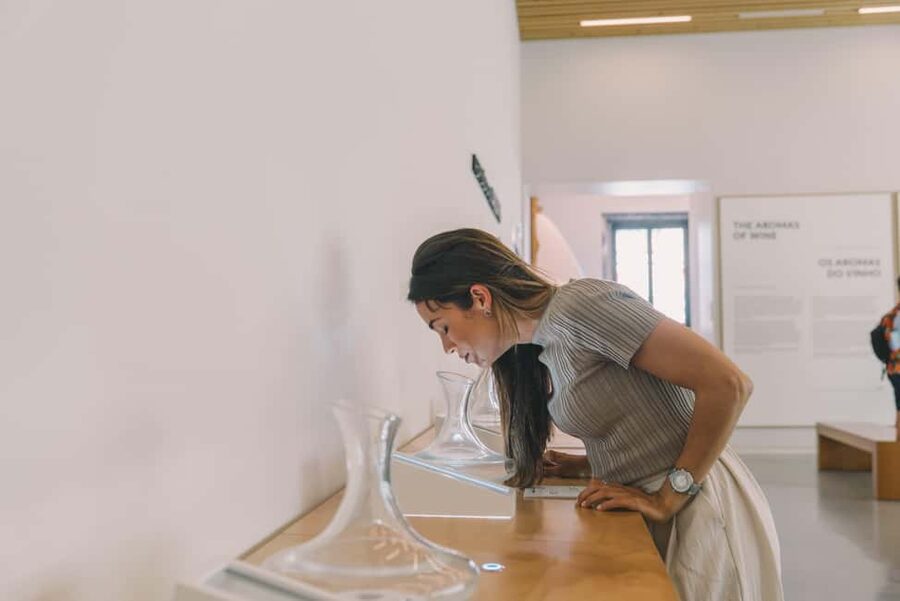
The Wine Experience is part of the World of Wine, usually called WOW, across the river from Porto in Vila Nova de Gaia. You show your ticket at the museum entrance, then follow the exhibition route at your own pace.
The museum is not a small room with a few dusty barrels. It is a modern, purpose-built exhibition with videos, displays, interactive features, and plenty of written explanation. That makes it a useful choice if you want to understand Portuguese wine before visiting a port lodge or ordering wine at dinner.
Finding the exact starting point inside the wider WOW complex can take a little attention. Signage and directions may not be immediately obvious, so allow a few extra minutes to get your bearings. Once inside, the route is easier to follow.
The ticket costs about $20 per person. That is not the price of a simple museum admission, but it includes the exhibition and three wine samples, which improves the value. You are also paying for a structured lesson rather than just a tasting at a bar.
More Museums in Porto
- Porto: Cálem Cellar Tour, Interactive Museum & Wine Tasting
★ 4.5 · 4,113 reviews - FC Porto: Museum & Tour
★ 4.6 · 2,826 reviews - Porto: 3D Fun Art Museum Porto Entry Ticket
★ 4.6 · 302 reviews
From soil and climate to the first grape
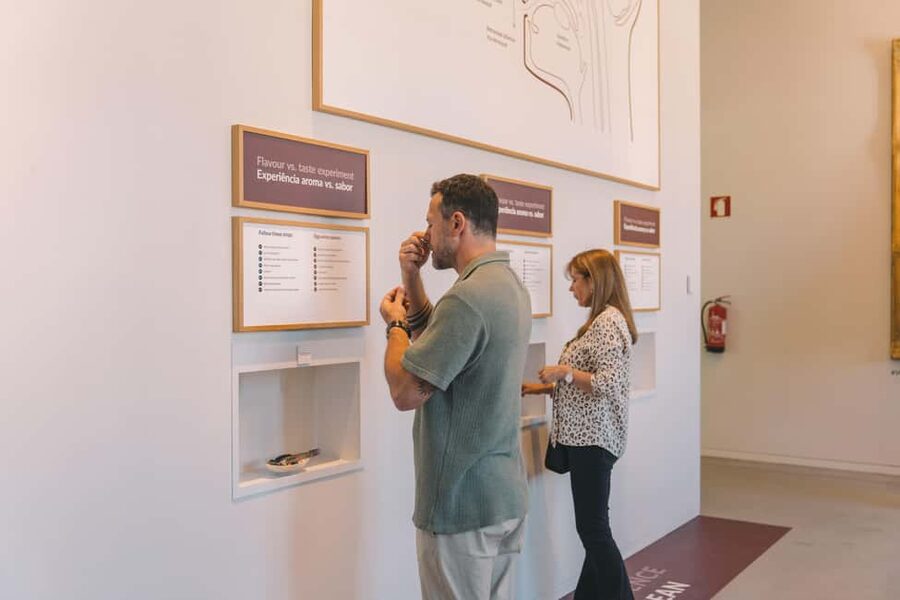
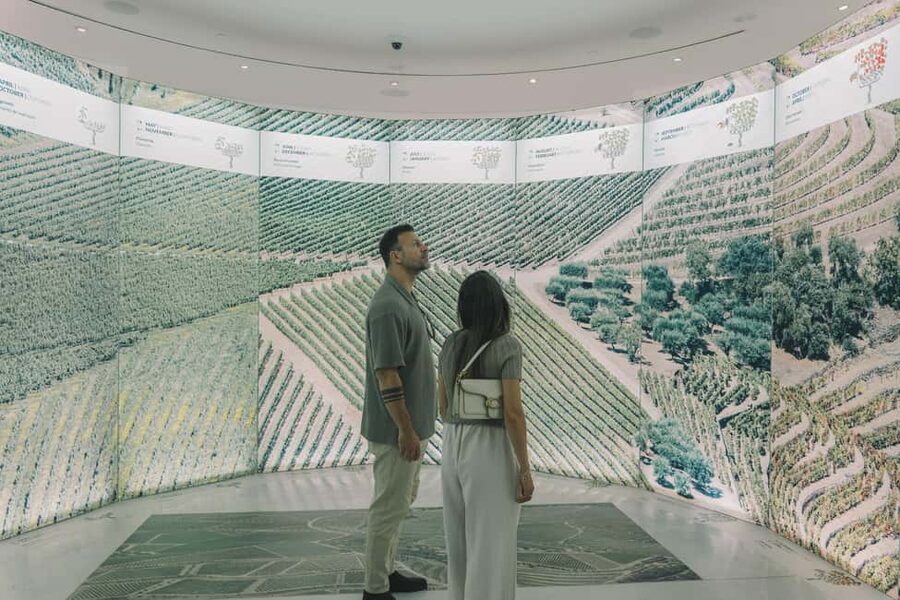
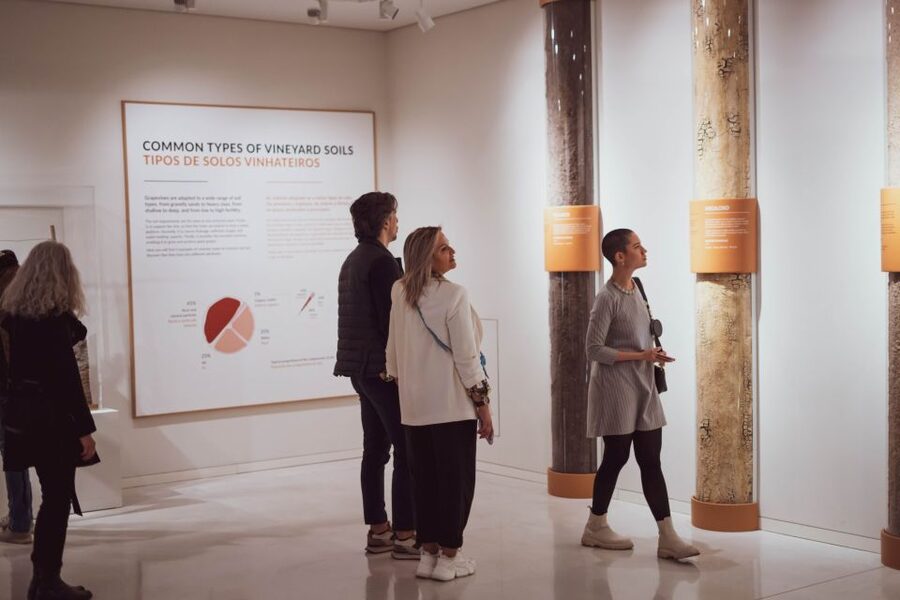
The first section explains why wine tastes different from one place to another. You’ll look at soil, weather, geography, and grape varieties, then connect those factors to the character of the finished drink.
This is useful because wine descriptions often assume you already understand these basics. Here, the ideas are broken into manageable pieces. You can see how a hot, dry growing area produces different conditions from a cooler, wetter one, and why the same grape cannot taste exactly the same everywhere.
The exhibition also gives attention to the vine itself. You follow the process from roots and leaves through grape development, harvesting, and the early stages of production. That attention to viticulture is one of the museum’s strongest points. Many wine attractions rush to barrels and bottles, but this one spends time on what happens before the grapes are picked.
You may find some of the information familiar if you already know wine production well. For newcomers, though, the displays provide a solid foundation without making the subject feel like a school lecture.
Following the grape through fermentation and bottling
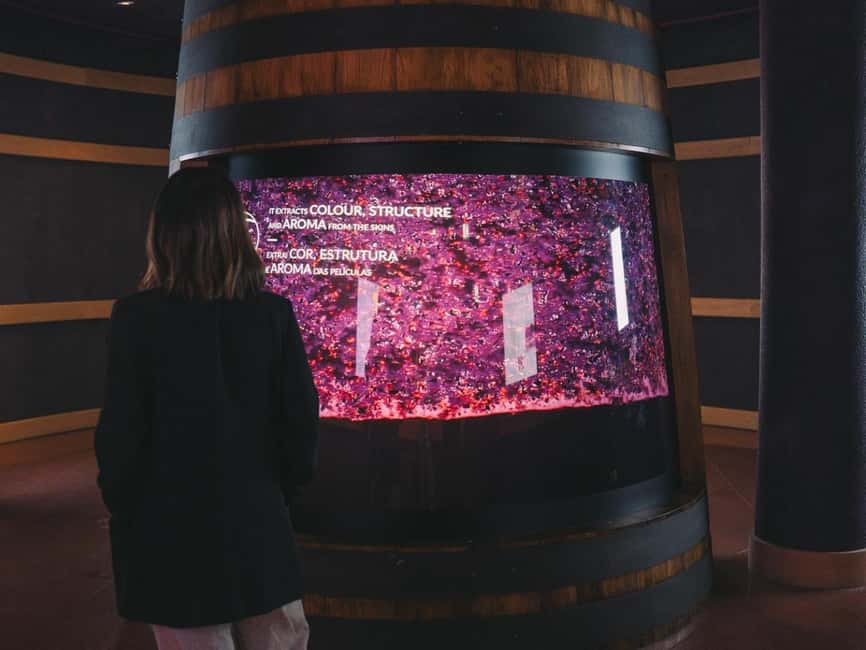
The next part traces the grape’s transformation into wine. You’ll learn about pressing, fermentation, production methods, and the steps that lead to bottling and serving.
Short films help explain the process, while information panels add more detail for anyone who wants to read further. The balance works well. You can move quickly through the basics, or pause at the sections that interest you most.
The museum also places traditional methods beside modern production. That comparison matters in Portugal, where old wine styles and long-established practices remain important, especially in the making of port. You’ll gain a better sense of why production is not simply a matter of crushing grapes and waiting.
I especially like this part for visitors who care more about how wine is made than about drinking it. The tasting at the end is welcome, but the museum does not treat it as the only reason to visit.
Portugal’s wine regions, from Vinho Verde to Madeira
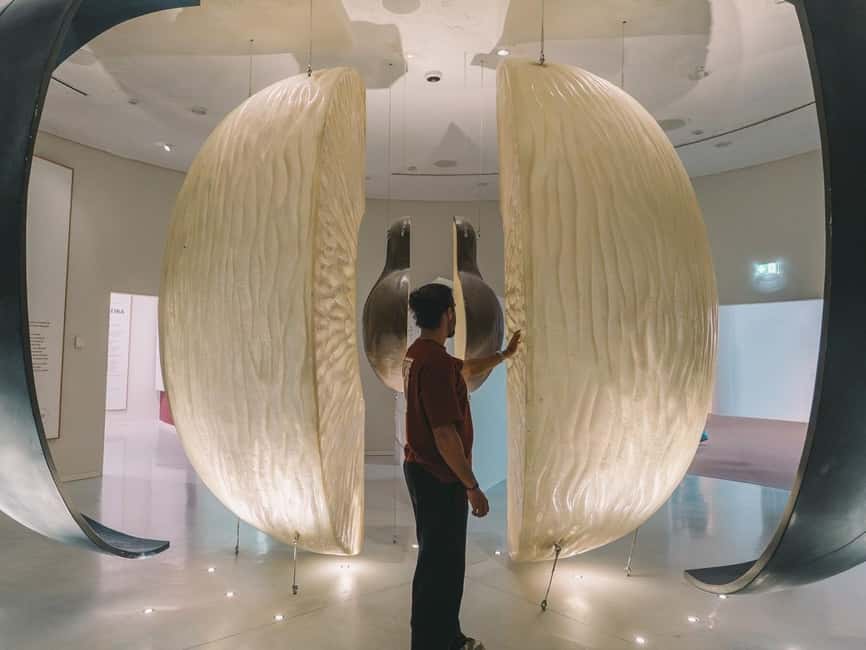
Portugal’s wine map is more varied than many first-time visitors expect. The museum introduces the cool, green north associated with Vinho Verde, the terraced vineyards of the Douro Valley, the broad Alentejo area, and the volcanic islands of Madeira and the Azores.
The regional section gives the tasting more meaning. Instead of sampling three unrelated drinks, you begin to understand how place and tradition influence Portuguese wine. The Douro is especially important for port, but the museum makes clear that the region also produces table wines.
Madeira and the Azores add another useful layer. Their volcanic soils and island conditions show that Portuguese wine is not limited to mainland vineyards. This wider view helps you see Portugal as a country with several distinct wine cultures, not simply the home of port.
If you are visiting Porto, this regional overview is a good substitute for a day trip to several far-flung wine areas. Of course, it cannot replace seeing the Douro Valley in person, but it gives you context before you make that trip or decide which bottles to buy.
More museums around Porto:
- Skip the Line: FC Porto Museum & Tour
★ 4.0 · 209 reviews - 3D Fun Art Museum Porto Ticket
★ 5.0 · 128 reviews - Porto: Wine Experience Museum with 3 Wine Tastings
★ 4.5 · 105 reviews - Lisbon: Luz Stadium Tour & SL Benfica Museum Ticket w/Scarf
★ 4.7 · 3,264 reviews
Interactive displays that keep wine from becoming dry
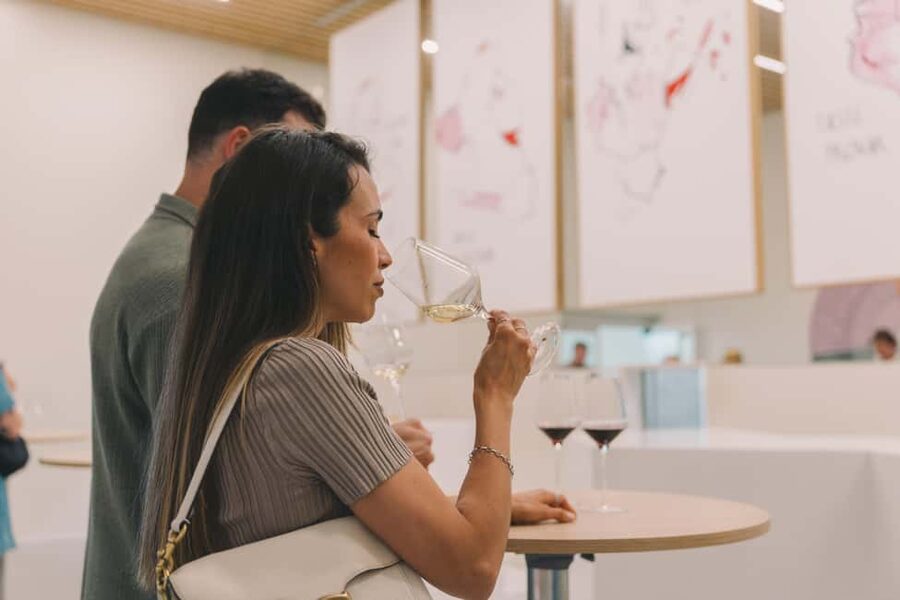
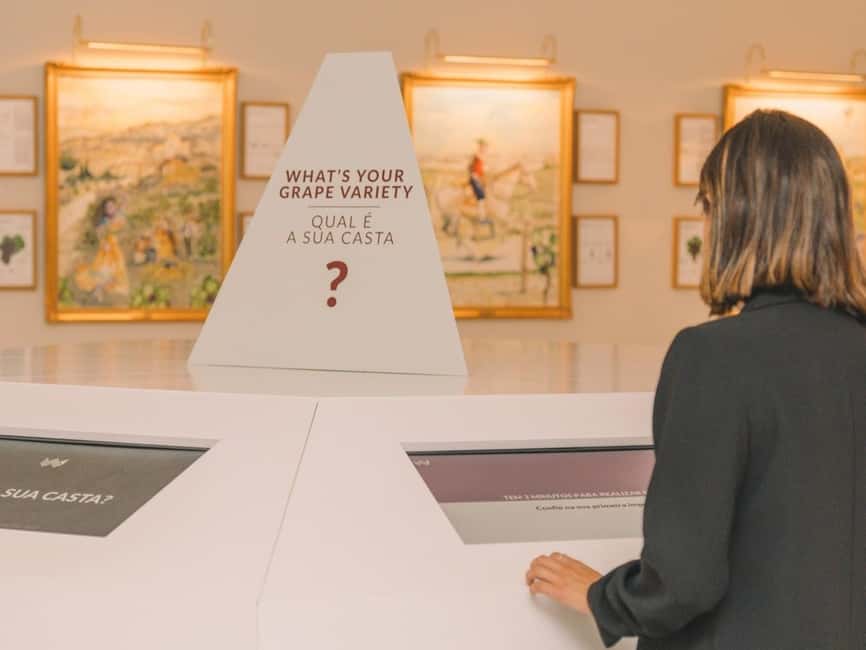
Wine museums can become text-heavy fast. This one uses interactive features to break up the reading, including sensory displays and opportunities to identify wine aromas.
The aroma stations are particularly helpful for beginners. They show how people talk about scents in wine and give you a more practical way to think about fruit, spice, floral, or earthy notes. You do not need a trained palate to take part.
Short films explain difficult ideas in a quick format. The videos are not a substitute for the written material, but they make the route less tiring. You can listen, watch, read, and interact rather than facing wall after wall of text.
The design also suits different levels of interest. You can make a brisk visit in roughly 1.5 hours, or spend closer to 2.5 hours if you read the panels and try every activity. One important tip: the route is sequential, so the final tasting may be later than you expect. Do not leave only a few minutes before closing.
The red, white, and port tasting
The visit ends with a guided tasting of three wines: red, white, and port. This is not simply a drink handed to you at the exit. A Wine Expert explains how to look at, smell, and taste the wine, then helps you identify its main features.
The tasting gives you a chance to put the museum lesson into practice. You can compare the structure of a red with the freshness of a white, then see how port differs from both. For someone new to wine, this three-glass format is approachable and useful.
Guides can make a real difference here. Audrianna has been singled out for explaining the production process clearly and making the tasting engaging. Staff levels can vary by season, so the atmosphere may feel quieter when you visit outside the busiest periods.
The included tasting adds real value to the $20 admission. Three pours do not turn the ticket into a bargain tasting tour, but they do make the museum feel complete. You leave with both information and a practical reference point for choosing wine later.
A non-alcoholic option is available. That matters if you are driving, traveling with children old enough to visit the museum, avoiding alcohol, or simply want the educational part without the tasting.
How much time should you allow?
The stated duration is 1.5 hours, but I would not plan the museum as a tight appointment. The displays are arranged in stages, and the amount of time you need depends on how much you read and how many interactive elements you try.
For a quick but worthwhile visit, allow around 1.5 hours. If you enjoy wine production, want to read the regional material, or are visiting with someone who likes museums, 2 to 2.5 hours is more realistic.
WOW itself can fill much of a day. The complex includes other experiences, gift shops, restaurants, scenic outdoor spaces, and places to stop for a drink. A roof terrace offers views toward the river area, and it can be a pleasant place to sit after the museum. Drinks there are described as reasonably priced, which is useful after a long indoor visit.
Because you can enter anytime on your selected date during opening hours, you have some flexibility. The museum is open daily from 10:00 AM, with last entrance at 7:00 PM. Bank holiday hours can change, so check the official website before setting your schedule.
Is the museum suitable for beginners?
Yes. The material starts with basic ideas and builds step by step. You do not need to know grape names, production terms, or tasting vocabulary before arriving.
The interactive design helps keep the information from becoming overwhelming. You can learn the difference between growing conditions, production stages, and regional styles without memorizing a long list of facts.
At the tasting, you are shown how to describe what you notice. The goal is not to turn you into a sommelier in 90 minutes. It is to help you feel more comfortable saying what you like and why.
That makes the experience useful before a meal in Porto. Afterward, you may feel more confident choosing between a dry white, a full red, or a glass of port instead of ordering at random.
Is it worthwhile for serious wine fans?
Experienced wine drinkers may find some introductory sections basic. The museum is designed for a broad audience, so it does not assume specialist knowledge.
Still, the coverage of Portuguese regions and traditional production gives the visit value beyond a beginner lesson. The focus on vineyards, soil, climate, and production is more detailed than a simple port tasting. The sensory displays also offer a practical way to think about aromas.
If you have visited several wine museums in Europe, parts of the general production material may feel familiar. The Portuguese focus is the main reason to choose this one in Porto.
I would especially recommend it to people interested in viticulture, port production, and the contrast between mainland and island wine regions. You can spend extra time with the sections on the Douro, Madeira, and the Azores.
Wheelchair access and practical planning
The museum is wheelchair accessible. An audio guide is available in English, Portuguese, Spanish, French, German, and Korean, so you can choose between listening and reading as you move through the displays.
You use the ticket directly at The Wine Experience, and the activity ends at the same location. There is no transport component, hotel pickup, or separate meeting point to arrange.
The flexible cancellation policy allows a full refund when you cancel at least 24 hours in advance. You can also reserve and pay later, which helps if your Porto schedule is still changing.
Because WOW has several attractions in one area, check your ticket details carefully and allow time to locate the museum. The Wine Experience is one part of the complex, not the entire site.
Who should book The Wine Experience?
I think this is a strong choice for first-time visitors to Porto who want an introduction to Portuguese wine without committing to a full-day vineyard excursion.
It suits:
- Beginners who want simple explanations and a guided tasting
- Couples looking for an indoor cultural activity with wine at the end
- Visitors interested in port but curious about Portugal’s other wine regions
- Museum lovers who enjoy interactive displays and short films
- Anyone planning to visit the Douro Valley and wanting useful background first
- Non-drinkers who still want the exhibition, thanks to the alternative tasting option
It may be less appealing if you want a small, intimate tasting with a winemaker or a visit to active vineyards. This is a polished museum experience inside a major visitor complex, not a quiet farm visit.
Should you book this Porto wine museum?
Book it if you want more than a glass of port and would like to understand how Portuguese wine reaches the table. The strongest features are the clear production sequence, the broad regional coverage, the interactive exhibits, and the tasting of red, white, and port wines.
At $20, the ticket offers fair value, especially if you spend two hours with the displays and make use of the tasting. Plan carefully, though. Arriving late in the day can make the final tasting feel rushed, and you will want extra time if you also plan to explore WOW’s shops, restaurants, outdoor areas, or roof terrace.
For a quick overview of Portuguese wine culture in Porto, I would book it. For a specialist tasting or a countryside vineyard visit, choose a different experience or pair this museum with one.
FAQ
How long does The Wine Experience take?
The advertised duration is 1.5 hours. You may need closer to 2 to 2.5 hours if you read the panels, use the interactive displays, and take your time before the tasting.
What does the ticket include?
The ticket includes entry to The Wine Experience Museum, a tasting of one red wine, one white wine, and one port, plus an audio guide available in several languages.
Is a non-alcoholic tasting available?
Yes. A non-alcoholic alternative is available instead of the wine tasting.
What time is the museum open?
The Wine Experience is open daily from 10:00 AM until 7:00 PM, with last entrance at 7:00 PM. Opening times may vary on bank holidays.
Can I enter at any time on my selected date?
Yes. You can use the ticket anytime on the selected date during the museum’s opening hours.
Which languages are available for the audio guide?
The audio guide is available in English, Portuguese, Spanish, French, German, and Korean.
Is the museum wheelchair accessible?
Yes. The Wine Experience is wheelchair accessible.
Where does the activity start and finish?
You start by showing your ticket directly at The Wine Experience. The activity finishes back at the museum.
Can I cancel the booking?
You can cancel up to 24 hours in advance for a full refund. A reserve now and pay later option is also available.
New around Porto
- Porto: City Bike Rental★ 4.6 · 75 reviews
- Fado Concert with Welcome Drink★ 5.0 · 75 reviews
- Boat Trip to Régua Through the Douro Valley with Breakfast and Lunch★ 4.5 · 76 reviews
- Porto City Tour Half Day – Private★ 5.0 · 77 reviews
- Port : Private Cruise in the Douro — 6 Bridges & Sunsets★ 5.0 · 78 reviews
- Porto Private Airport Departure Transfer★ 4.5 · 78 reviews
- Half-Day Walking Tour Tasting Local Food in Porto★ 5.0 · 78 reviews
- Douro Valley Small-Group Tour: 2 Wineries, Lunch, Optional Cruise★ 5.0 · 78 reviews
Museums, compared.
Cálem Cellar Tour, Interactive Museum & Wine Tasting
Read our review →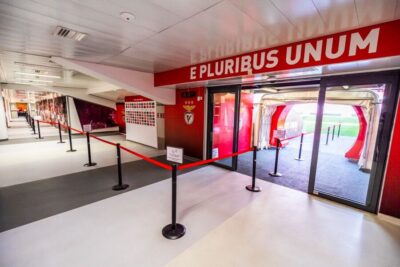
Luz Stadium Tour & SL Benfica Museum Ticket w/Scarf
Read our review →
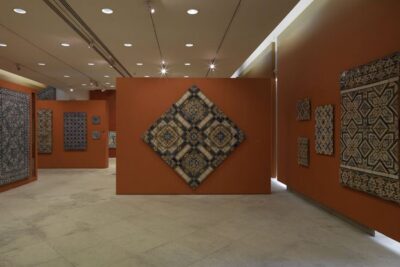

Banksy Museum Permanent Exhibition Entry Ticket
Read our review →
Belem, Jeronimos Monastery, and Coach Museum Tour
Read our review →

Browse the lists this tour appears in