
Reviewed · WALKING TOURS
Porto: Port and Douro Wine Walking Tour with 9 Tastings
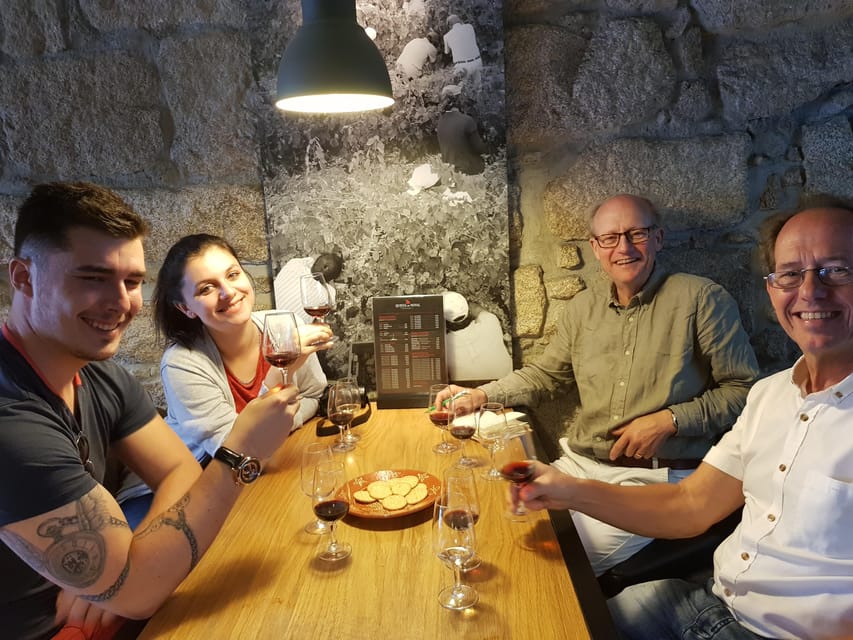
Across the river from Porto, Vila Nova de Gaia’s wine cellars offer a quick lesson in why Portugal’s most famous drink is more than a sweet after-dinner pour. This three-hour walk links three wine houses with tastings of Port and Douro wines, while your guide explains what is in your glass and why it tastes that way.
I like the wide range of styles and the friendly, informal teaching. I also like the short walks between cellars, which let you see Gaia without turning the afternoon into a tiring trek. The main drawback is simple: nine tastings can catch up with you, and the tour is not a good fit for children under 18 or anyone with mobility limits.
Key points at a glance
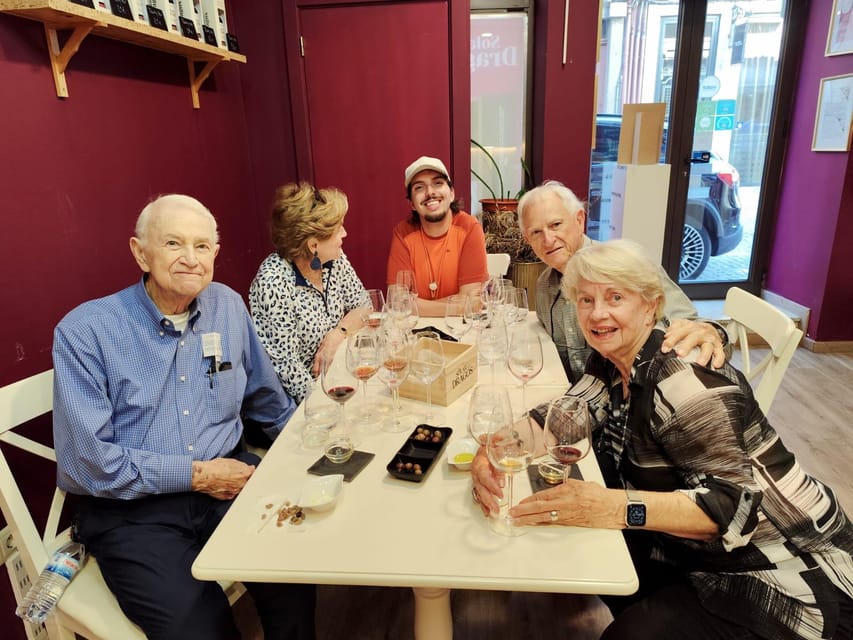
- Three different wine houses: Visit Vasques De Carvalho, Fonseca Port Wine Cellars, and Solar dos Dragos Porto & Douro Wines.
- Nine tastings included: Compare Port styles with Douro wines, with past sessions sometimes offering a tenth sample, so confirm the exact number when booking.
- Guides make the difference: Guides named Maria, Ricardo, João, Sara, Pedro, and others have been praised for humor, patience, and clear explanations.
- Easy Gaia route: The stops are close to the riverfront, with only a small amount of walking between them.
- A useful regional lesson: Learn how Port is made, how Douro wines differ, and why Gaia became the cellar district.
- Good value at $57: Three hours, three wine houses, a local guide, and the tastings make this a solid introduction to Porto’s wine culture.
Why Gaia is the right place to learn about Port
Porto gives Portugal its name, but Port wine is closely tied to Vila Nova de Gaia, the city on the south bank of the Douro River. This is where the great Port houses built their cellars, and it is here that you can connect the drink in your glass with the riverfront streets around you.
The tour begins outside the Posto de Turismo / Loja Interativa de Turismo, on the main sidewalk along the Gaia waterfront. That location is practical. You are already near the concentration of Port houses, and the tour avoids the hassle of finding each cellar on your own.
Your guide sets the tone early. The strongest part of this experience is not simply the number of pours. It is having someone explain the differences in plain language, answer questions, and keep the group moving without making the afternoon feel like a lecture.
Guides such as Maria, Ricardo, João, Sara, and Pedro have been singled out for being warm, funny, and generous with their time. The exact guide varies, but the pattern is clear: expect a social tour with plenty of room for questions rather than a silent tasting at a counter.
More Walking Tours in Porto
- Porto Walking Tour, Lello Bookshop, River Cruise and Cable Car
★ 5.0 · 3,354 reviews - Experience Porto’s Charm: 3-Hour Guided Walking Tour
★ 5.0 · 2,432 reviews - Porto: 3-Hour Guided City Highlights Walking Tour
★ 4.8 · 2,050 reviews
Stop one: Vasques De Carvalho and the first Port lesson
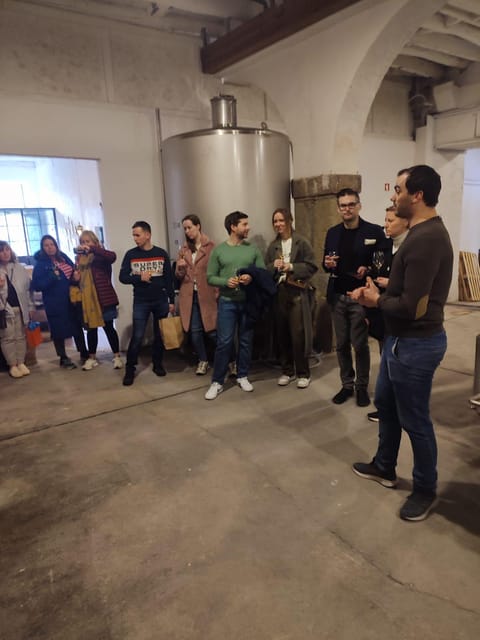
The first hour takes place at Vasques De Carvalho, a Port house where you begin tasting and learning. Starting with a guided explanation is useful because Port can seem confusing at first. Ruby, tawny, white, and other styles do not all taste alike, and Douro table wines belong to a different part of the region’s wine story.
You will be shown how to approach a tasting, including the basic ideas behind color, aroma, sweetness, and balance. You do not need a trained palate. The point is to give you a few simple tools so you can notice what changes from one glass to the next.
This first stop is also where pacing matters most. Port is fortified, so the pours may feel easy at first and then become surprisingly effective. Eat before the tour, or have a proper lunch beforehand. Several people who enjoyed the experience also offered this practical warning: save some room in your head for the final stop.
The atmosphere here may suit you if you prefer a smaller house to a large commercial presentation. At the same time, the precise tasting lineup can vary, and the advertised experience includes nine samples across the three stops rather than a guaranteed list of individual bottles.
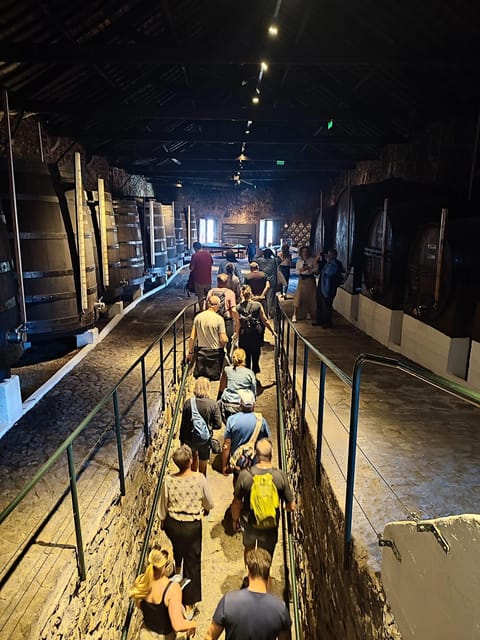
Stop two: Fonseca and a larger Port cellar
The second hour brings you to the Fonseca Port Wine Cellars. This gives the tour a useful change of scale. Instead of seeing only smaller local producers, you get a look at one of the better-known names in the Gaia cellar district.
The contrast helps. A large, established Port house can provide a clearer sense of the commercial and historical importance of Port production, while the smaller houses show a more personal side of the trade. You are not just tasting three versions of the same drink. You are seeing how different wine houses present the region.
Expect another guided tasting and more explanation of production. Your guide may connect the cellar to the Douro Valley, where the grapes are grown, and explain why aging and blending affect the finished wine. The cellar visit gives these ideas a physical setting, even if the tour does not take you into the Douro itself.
This is an important distinction when you book. The experience teaches you about the Douro Valley, but it is based in Gaia. You will not be driven through the vineyards or visit a rural quinta on this three-hour outing.
Stop three: Solar dos Dragos and the Douro comparison
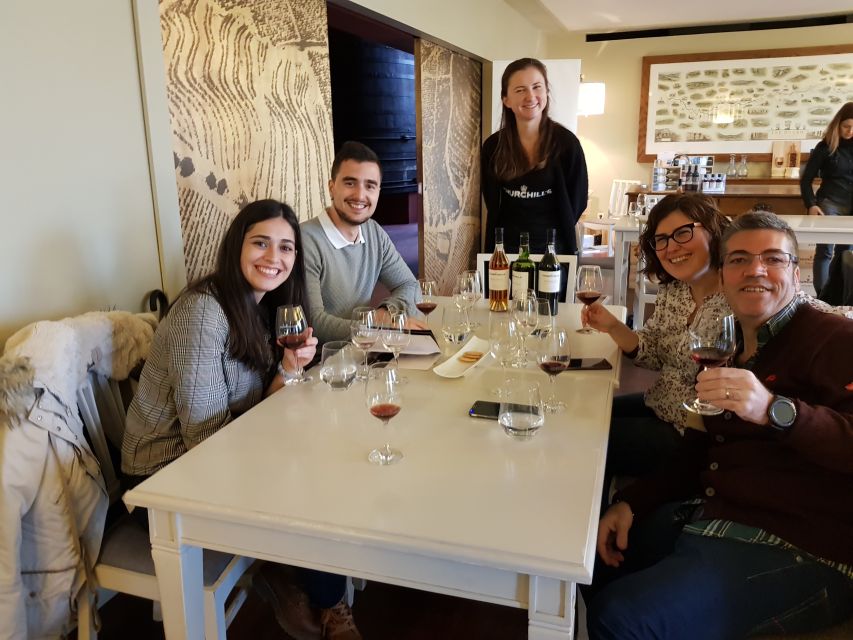
The final stop is Solar dos Dragos Porto & Douro Wines. This is where the tour broadens beyond Port and gives you a better chance to compare Douro table wines with fortified wines.
Some past sessions have featured a roughly balanced selection, with five Port samples and five Douro wines. The official description lists nine tastings, while some earlier participants described receiving ten, so the exact count and split may vary. The useful point is that you should expect several different samples rather than one token taste at each cellar.
Solar dos Dragos is also a relaxed place to finish. The tasting may include simple food pairings such as bread, olive oil, and cheese, although food is not listed as an included part of the tour. Treat any pairing as an occasional bonus, not something to rely on instead of lunch.
This stop can be especially helpful if Port is not normally your drink. Douro wines can be drier and more familiar to people who usually choose table wine. You may leave with a new favorite style, not just a bottle of Port because it is the famous local product.
More walking tours around Porto:
- Porto: Wine Tasting with Tapas Walking Tour
★ 4.4 · 1,541 reviews - Porto: Historic City Center Walking Tour
★ 4.7 · 1,172 reviews - Porto’s #1 Walking Tour
★ 5.0 · 1,026 reviews - Porto: Delicious Food and Wine Walking Tour
★ 4.8 · 977 reviews
What you actually learn about Port and Douro wine
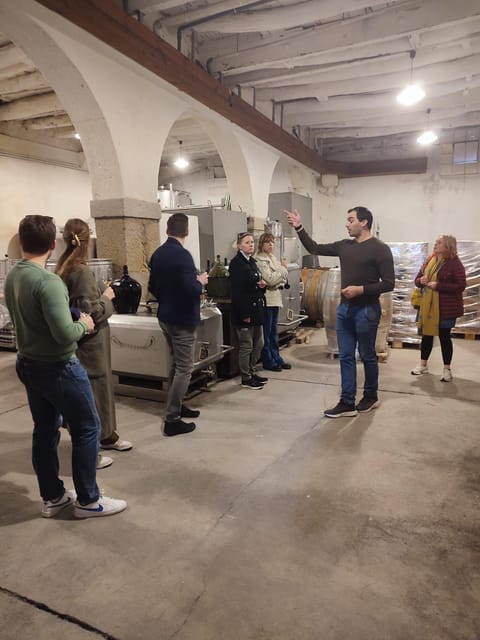
The strongest educational feature is the comparison. Port and Douro wines come from the same broad wine region, but they are made and enjoyed in different ways.
Port is fortified, which means grape spirit is added during production. That process helps preserve sweetness and gives the wine its higher alcohol level. The result can range from youthful and fruit-forward to mature, nutty, and more complex, depending on the style and aging.
Douro table wines are not simply unfinished Port. They are made as regular still wines and can show a different balance of fruit, acidity, tannin, and alcohol. Tasting both in one sitting helps you understand the difference far faster than reading a label in a shop.
The tour also covers the Douro’s status as the first demarcated wine region. That matters because boundaries, grape growing, and production rules shaped the identity of Port and the wider region. You get the historical context without needing a separate museum visit.
Your guide may also suggest food matches. Port can work with cheese and dessert, while Douro wines may fit more naturally with savory local dishes. These suggestions are practical because they help you use what you learn later, at a restaurant or when choosing a bottle to take home.
The walking: short, scenic, and not a fitness test
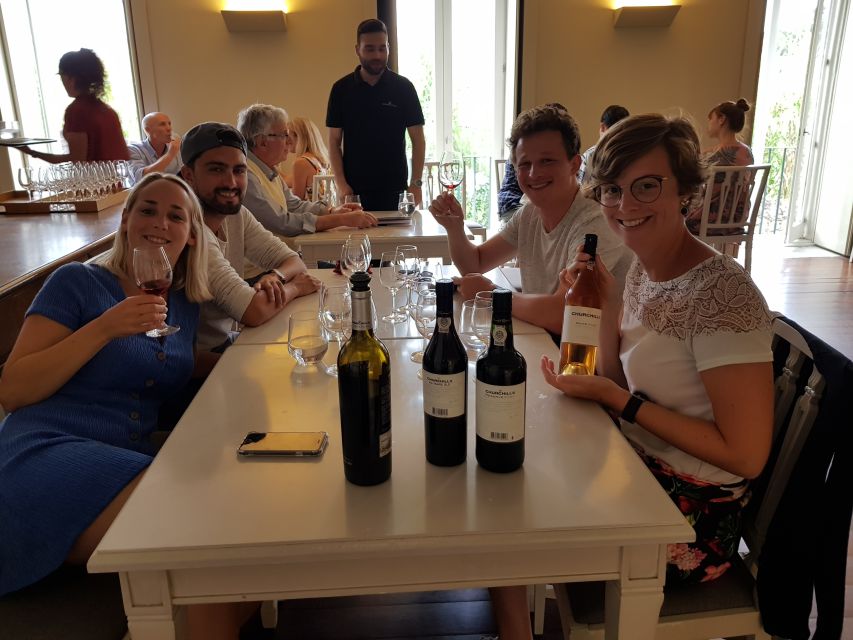
This is called a walking tour, but it is not a long city hike. The three wine houses are close to the Gaia quayside, and the walks between them are generally short and easy.
You should still wear comfortable shoes. Gaia has slopes and uneven streets, and the route operates in all weather. Bring clothing for sun or rain, since the tour does not move indoors from start to finish.
The walking breaks up the tastings and gives the group time to chat. Solo visitors can meet people without having to force conversation, while couples and friends get a shared activity that is more engaging than simply ordering a glass at a wine bar.
The experience is not suitable for people with mobility impairments, despite the short distances. The tour information also asks you not to bring luggage or large bags, which makes sense in compact cellars and on a group walk.
The guide and group style
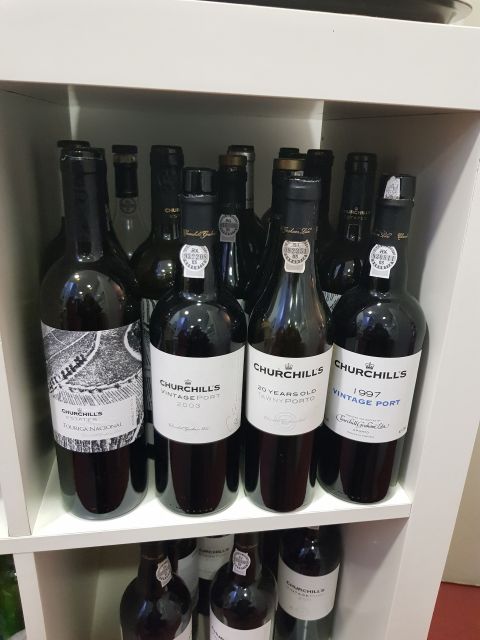
A good wine tour depends heavily on the guide, and this one has a notably personal feel. Maria has been praised for keeping her energy up, explaining the region clearly, and remembering people’s questions. Ricardo has been described as both entertaining and well informed about production. João and Sara have also been noted for making the tastings friendly and easy to follow.
Those names do not guarantee who will lead your departure. Still, the experience is designed around a professional local guide who speaks English or Portuguese. Private and small-group formats are available, so you can choose a more personal setting if the option and price suit your plans.
The social side is part of the appeal. People often talk between stops, and the final tasting can become lively after several samples. If you prefer a quiet, technical tasting with long pauses and detailed producer notes, this may feel a bit casual. If you want clear instruction, local stories, and a chance to meet others, the tone should suit you well.
Is $57 a fair price?
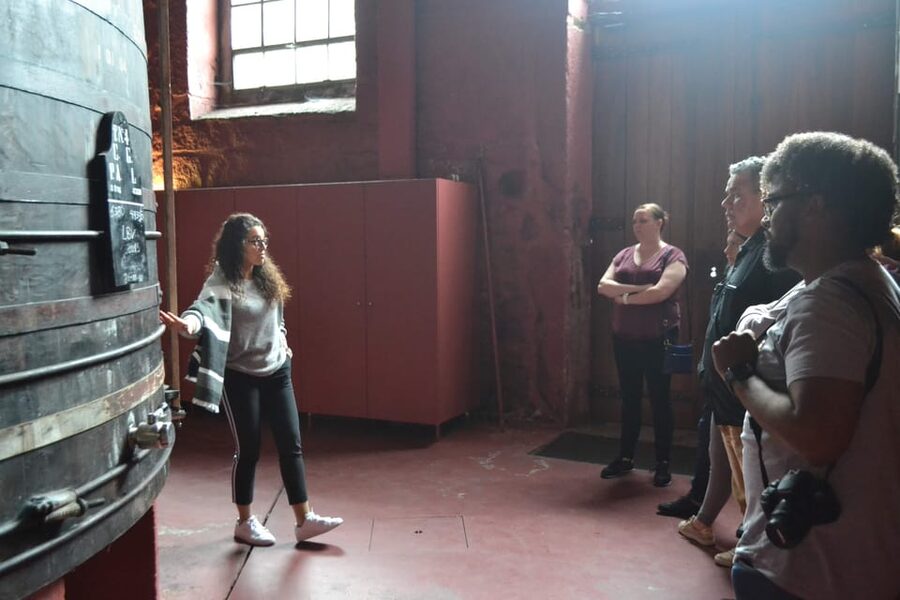
At $57 per person, the tour offers reasonable value for a first introduction to Gaia’s wine houses. You receive three hours with a guide, three cellar visits, and nine included tastings. Add the convenience of having someone lead you between the stops, and the price compares well with booking several separate tastings.
The value depends on what you want. If your main goal is to visit one famous Port house in depth, a single dedicated cellar tour may give you more detail about that producer. This experience spreads the afternoon across three places, so you gain variety but spend less time at each one.
The tour also saves you from guessing which wines to order. A guide can explain the samples as they arrive and help you notice differences you might otherwise miss. For many people, that education is worth as much as the liquid in the glass.
Food is not included, so eat beforehand and budget for lunch or a snack. Drinks not listed in the experience are also not included. The included tasting count is nine, although the supplied information from earlier departures has sometimes described ten samples, so ask if the precise total matters to you.
How to plan the three hours
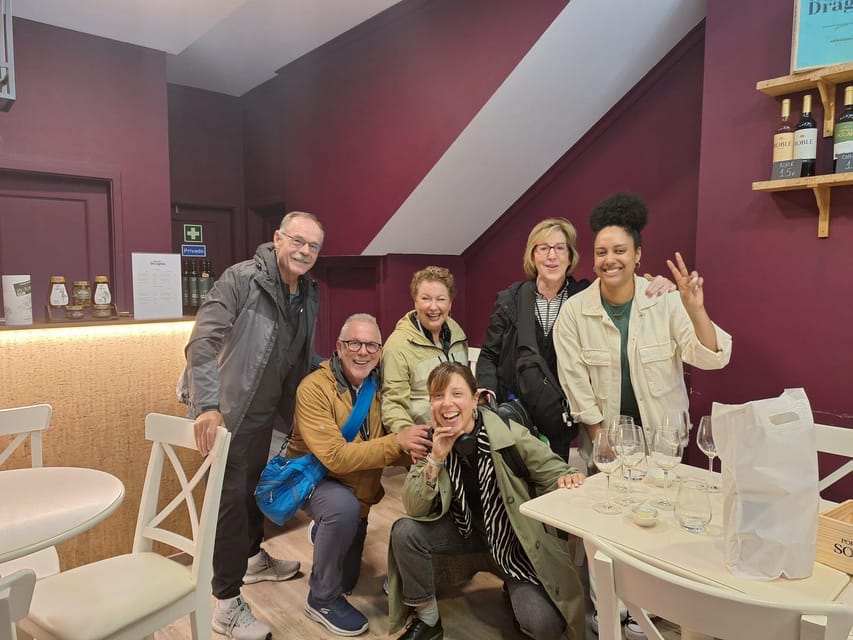
Arrive 10 minutes early at the tourism office on the Gaia riverfront. The meeting point is outside, on the main sidewalk, so allow time to identify the guide and avoid arriving breathless after crossing the river.
Do not bring a suitcase or large day bag. A small personal item is more practical, but the important thing is to keep your hands free and your load light.
Have food before you start. This is the single best practical tip for enjoying the tour. Nine Port and Douro samples may not sound like much when written on a page, but the combination of alcohol, standing, and repeated tasting can make the final hour feel very different from the first.
Drink water when it is offered, and take your time with each glass. You are not expected to finish every pour quickly. The goal is to compare, ask questions, and find styles you actually like.
The tour runs in all weather, so check the forecast and dress sensibly. The route includes indoor cellar stops, but you still walk outside between them.
Who will enjoy this tour most?
I would recommend it to a first-time Porto visitor who wants a clear introduction to Port without spending a full day in the Douro Valley. It also works well for solo visitors, couples, and small groups who like a social afternoon.
Wine beginners should feel comfortable here. You do not need to know grape varieties or production terms in advance. The guide explains the basics, and the variety of samples lets you discover your preferences by tasting rather than guessing.
It is also useful for people who already enjoy wine but want to compare Port with Douro table wines. The three-house format adds range, and the mix of a major name such as Fonseca with smaller local houses gives the afternoon some balance.
I would choose another activity if you need step-free access, want to bring luggage, or dislike alcohol-focused outings. Children under 18 cannot take part, and anyone looking for a vineyard visit in the Douro countryside should book a separate valley excursion.
Should you book the Gaia Port and Douro walk?
Book it if you want variety, guidance, and convenience in one short outing. The tour gives you a useful introduction to Port, adds Douro wines for comparison, and keeps the walking easy enough for most active visitors.
The best reason to choose it is the combination of three different wine houses and a guide who can connect the tastings to Gaia, Porto, and the Douro Valley. The main caution is the alcohol level and the limited time at each stop. Eat first, wear good shoes, and do not expect a full producer-by-producer masterclass.
For $57, it is a sensible choice for a relaxed first taste of Porto’s wine culture. You may not become a Port expert in three hours, but you should leave knowing which styles deserve another glass.
FAQ
Where does the tour meet?
Meet your guide outside the Posto de Turismo / Loja Interativa de Turismo on the main sidewalk along the Vila Nova de Gaia riverfront.
How long does the tour last?
The walking tour lasts three hours. Starting times vary, so check availability when booking.
How many wines are included?
The activity includes nine Port and Douro wine tastings. Some earlier departures described ten samples, so confirm the exact number and mix if that detail is important to you.
Which wine houses does the tour visit?
The route includes Vasques De Carvalho, Fonseca Port Wine Cellars, and Solar dos Dragos Porto & Douro Wines.
Is food included?
Lunch and food are not included. Some tastings may offer simple pairings such as bread, olive oil, or cheese, but you should eat before the tour.
What languages are available?
The live guide speaks English or Portuguese.
Can children join the tour?
No. The activity is not suitable for children under 18.
New around Porto
- Porto: City Bike Rental★ 4.6 · 75 reviews
- Fado Concert with Welcome Drink★ 5.0 · 75 reviews
- Boat Trip to Régua Through the Douro Valley with Breakfast and Lunch★ 4.5 · 76 reviews
- Porto City Tour Half Day – Private★ 5.0 · 77 reviews
- Port : Private Cruise in the Douro — 6 Bridges & Sunsets★ 5.0 · 78 reviews
- Porto Private Airport Departure Transfer★ 4.5 · 78 reviews
- Douro Valley Small-Group Tour: 2 Wineries, Lunch, Optional Cruise★ 5.0 · 78 reviews
- Half-Day Walking Tour Tasting Local Food in Porto★ 5.0 · 78 reviews
Walking Tours, compared.
Best of Lisbon Small-Group Guided Walking Tour
Read our review →
Porto Walking Tour, Lello Bookshop, River Cruise and Cable Car
Read our review →
Best of Lisbon Walking Tour: Rossio, Chiado & Alfama
Read our review →
Experience Porto’s Charm: 3-Hour Guided Walking Tour
Read our review →
Enjoy a Guided Levada Walk in the Rabaçal Valley
Read our review →Browse the lists this tour appears in