Reviewed · LISBON TOURS
Lisbon: Benfica Luz Stadium Tour with Souvenir Scarf
The best part of the Luz Stadium tour is that it takes you beyond the grandstands. You walk through the visitors’ locker room, press room, tunnel, and onto the pitch where Benfica plays. You also finish near the club’s famous eagles, Victoria and Gloria, when they are present.
I like the self-paced format, which lets you spend more time with the trophies or stadium models and less time being hurried along. I also like the value: for $18, you get stadium access, the museum, and a Benfica scarf. The main drawback is that the start can feel unclear, especially when several groups arrive together. Match schedules can also close the stadium for several days.
Key points to know before you go
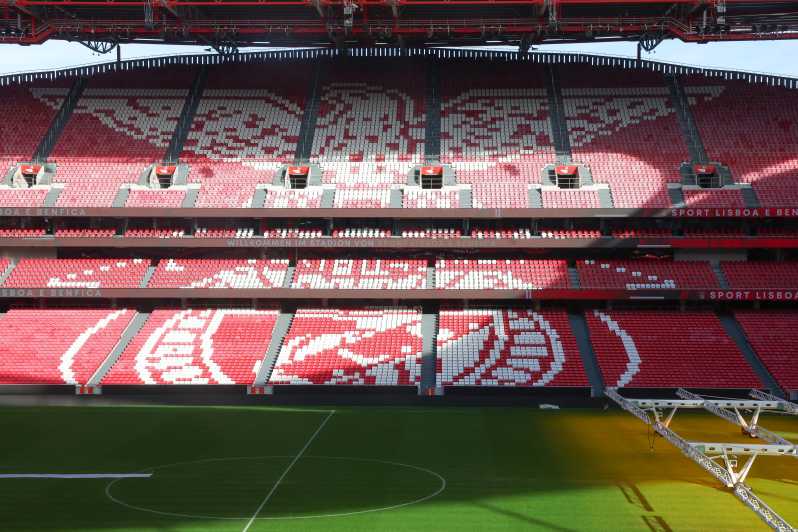
- Walk onto the pitch: The route includes pitch access, the tunnel, team areas, and a look toward the stadium bowl.
- See Benfica’s eagles: Victoria and Gloria may be on their perches, with a chance to watch them come down to the pitch.
- Follow the numbered route: Guides are stationed at key points, while you move through the stadium at your own pace.
- Visit the Cosme Damião Museum: Benfica trophies, Eusébio memorabilia, multimedia displays, and club history add depth beyond the football itself.
- Receive a scarf: The souvenir scarf is included, and the tour ends at the Benfica Official Store.
- Plan around match dates: Stadium visits are not available on match days, or during the two days before and one day after a European match.
Why Luz Stadium matters to Benfica fans
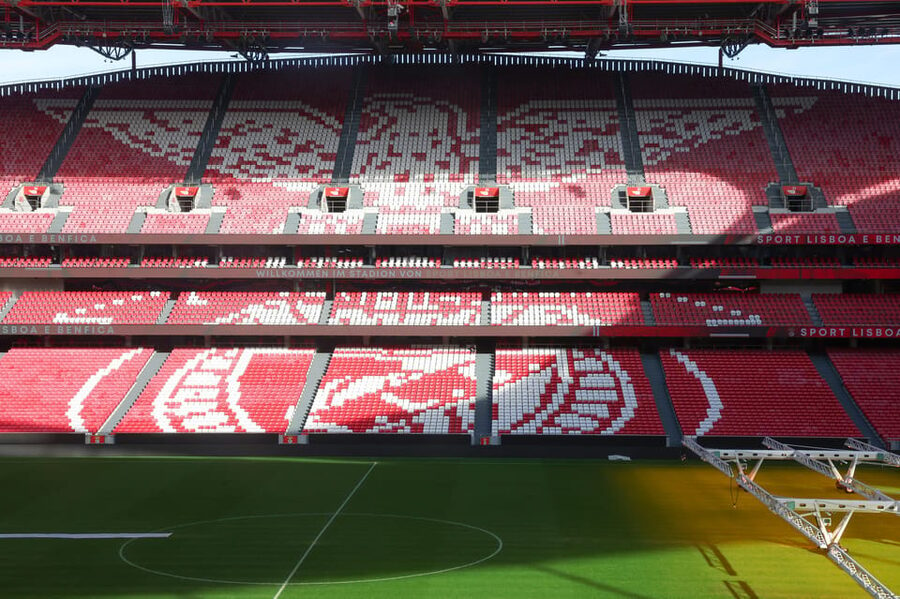
Luz Stadium is the home of Sport Lisboa e Benfica, one of Portugal’s best-known football clubs. The current stadium opened in 2003 and is described as the largest and most modern stadium in Portugal. It also hosted the 2014 Champions League final, giving the building a place in recent European football history.
You do not need to arrive as a lifelong Benfica supporter to enjoy the visit. The route explains how the club connects with Portuguese football and with the Portuguese-speaking world. The museum gives you a useful introduction before the stadium spaces turn the story into something physical.
I find stadium tours work best when they show both the public spectacle and the private working areas. Luz does that well. You see the scale of the pitch and seating bowl, then step into rooms used by players, coaches, journalists, and visiting teams.
The experience is listed at about 1.5 hours. That is a sensible amount of time if you follow the route steadily, though your visit can take longer if you stop for photos, read the displays, or wait around the eagle area.
A few other Lisbon half-days worth a look
- Lisbon City Center Tour – The Unmissable Lisbon
★ 5.0 · 22,234 reviews - Lisbon: Sintra, Pena, Regaleira, Cabo da Roca & Cascais
★ 4.7 · 19,656 reviews - Lisbon: Jerónimos Monastery Entrance Ticket
★ 4.1 · 14,164 reviews
Finding Door 17 and getting started
The meeting point is at Door 17, just after the statue of Eusébio inside the stadium’s commercial area. This detail matters because Luz is large, and simply heading toward the stadium is not enough to find the start.
Allow a little time to locate the entrance. The first step can be confusing when queues form, and signs showing which line to use may not always be obvious. Staff can help, but I would not plan to arrive at the last possible minute.
The tour uses English and Portuguese. The exact guide can vary. Guides named Prince and Carolina received special praise for being friendly and clear, and the setup allows staff to answer questions at points along the route rather than keeping you with one speaker for every minute.
One practical wrinkle is timing. Some tickets may show a broad entry window rather than a single traditional departure time, so check the details attached to your booking carefully. If your ticket permits arrival during a stated period, you may be able to begin when convenient, but do not assume every ticket works that way.
Stadium models and the Benfica Campus
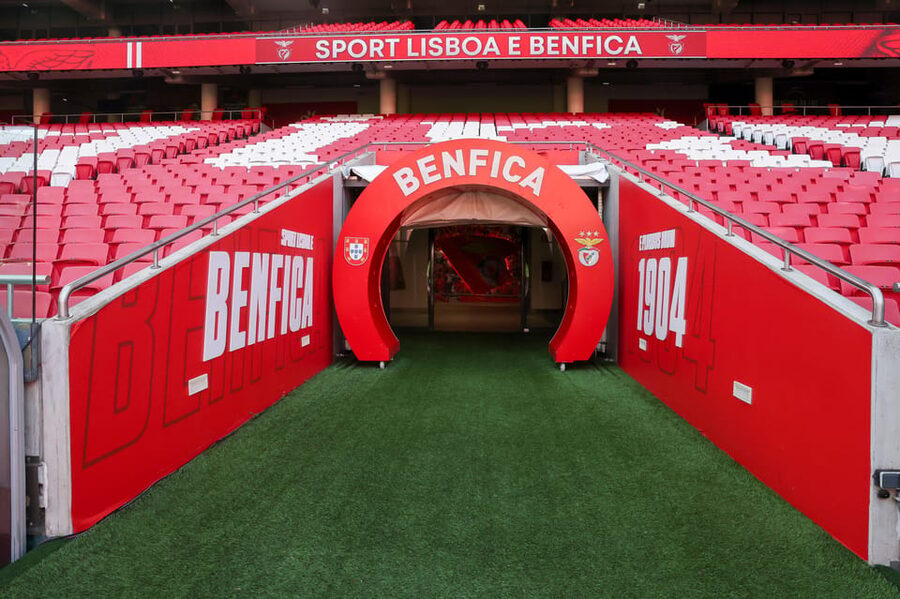
The first stops introduce the stadium through models and displays. This is more useful than it may sound. Before you enter the changing rooms or pitch, you get a sense of how the stadium is arranged and how the club’s wider facilities fit together.
The route includes stadium models, the Sagres Stand, and the NX Lounge. These areas show the stadium as more than a football field. Luz is also a large event building, and the lounges help explain how different parts of the venue serve different purposes.
A model of the Benfica Campus adds another layer. You can see how the club’s home stadium relates to the wider Benfica setup, even if the campus itself is not part of this visit.
The early displays are a good place to pause if you want context. If you are mainly here for the pitch, you can move on quickly. That flexibility is one of the better features of the current arrangement.
Eusébio, trophies, and the Cosme Damião Museum
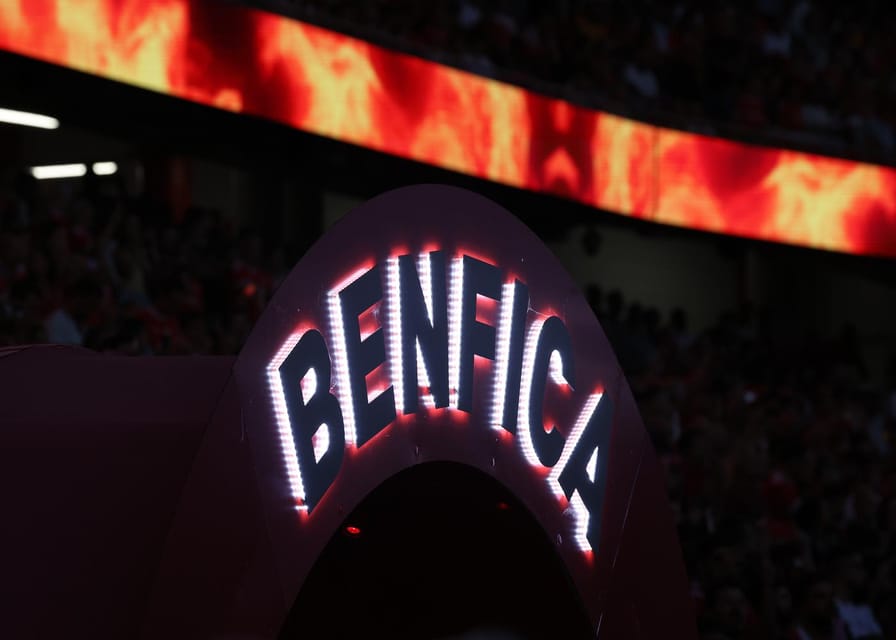
The Benfica Cosme Damião Museum is the heart of the historical side of the experience. It covers the club’s past and presents its trophies, famous players, and important moments through multimedia displays.
Eusébio receives particular attention. He is one of Benfica’s most celebrated players, and the museum uses his story to help explain the club’s importance in Portugal and across Portuguese-speaking communities. You can also find references to players such as Paulo Futre and Mantorras.
The museum is not just a cabinet of cups. It gives you an alternative way to learn about Portugal through football. Clubs often reflect local identity, migration, language, and shared memory, and Benfica’s displays connect those themes with the sport.
I would spend time here even if you are not interested in every trophy. The multimedia technology makes the museum more approachable than a room of labels and dates. It also helps younger visitors follow the story.
Families should note that the tour can work well for mixed interests. A football fan can linger over the silverware, while someone less committed to the sport can focus on the stadium design, famous personalities, and Portuguese social history.
Same coastline, a completely different day out:
- Lisbon: History, Stories and Lifestyle Walking Tour
★ 4.8 · 10,902 reviews - Lisbon: Sunset Boat Party Cruise with DJ and Open Bar
★ 4.5 · 10,378 reviews - Lisbon: Pena Palace, Sintra, Cabo da Roca, & Cascais Daytrip
★ 4.7 · 9,981 reviews - Lisbon: Oceanário de Lisboa Entrance Ticket
★ 4.6 · 9,943 reviews
The locker room, press room, and Hall of Fame
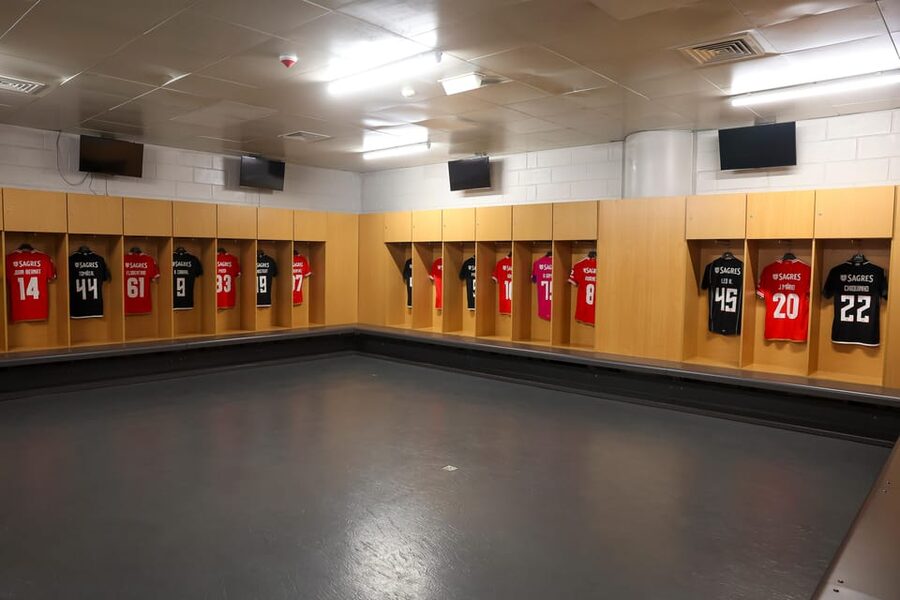
The route then moves into the working areas behind match day. You visit the visitors’ locker room, not necessarily the home team’s changing room, so keep that distinction in mind. Even so, it gives you a look at the part of the stadium most spectators never see.
The press conference room is another worthwhile stop. This is where football becomes public language: managers explain decisions, players answer questions, and big matches are discussed under bright attention. The room itself is less visually dramatic than the pitch, but it helps complete the behind-the-scenes picture.
The Hall of Fame includes a virtual reality experience. Technology can sometimes feel like filler on a museum visit, but here it offers another way to connect with the club’s major figures and moments. How much you enjoy it will depend on your interest in football and how busy the stop is.
You will also pass through the pitch access tunnel. This is one of the strongest transitions in the tour. You move from enclosed staff areas toward the open stadium, following the same basic route players use when heading out to compete.
The route is marked by numbered points, and guides are available at selected locations. You are not tied to a single large group for every explanation. That means you can set your own rhythm, although a crowded visit may still require patience while other people take pictures.
Stepping onto the Luz pitch
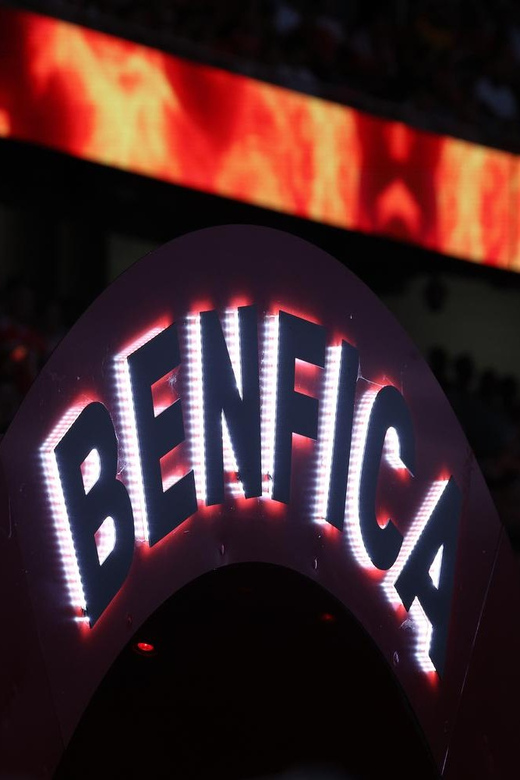
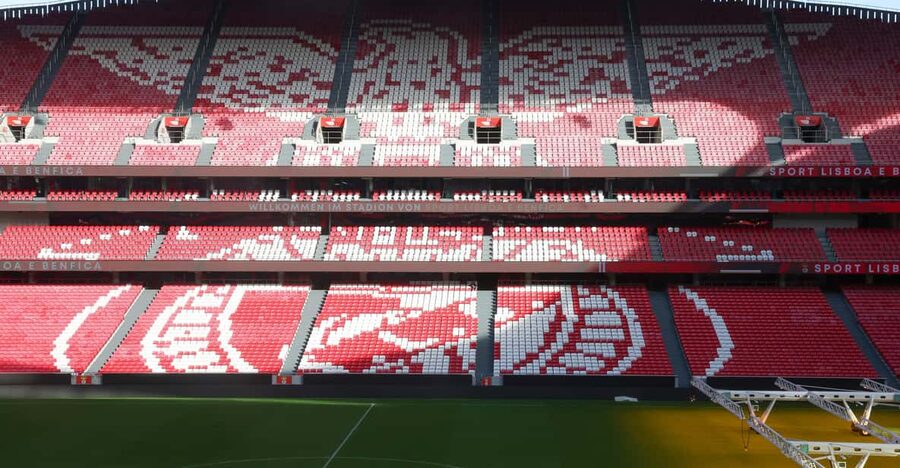
The pitch is the emotional center of the visit. From the grass level, the stadium feels different from the seats. You can look up at the stands, take in the scale of the bowl, and picture the venue during the 2014 Champions League final.
The tour includes access onto the field, plus views of the team and coach areas. Photography is a major part of this stop, so expect people to pause for pictures. If you prefer a quieter visit, try not to rush straight behind a large group.
This is also where the size of Luz becomes clear. From the pitch, the stands rise around you, while the tunnel behind gives the visit a sense of progression. You have moved from club history to the physical setting where the club’s present-day story continues.
I would not judge this as a match-day substitute. You will not get the noise, crowd, or live competition. What you do get is a calm chance to study the building and stand in places normally reserved for players and staff.
Meeting Benfica’s famous eagles
The eagle stop is the tour’s most unusual feature. Benfica is known for its eagle tradition, and the route includes time near the birds Victoria and Gloria when they are available.
The birds may be standing on their perches, and you may be able to watch them come down to the pitch. Stay for this part if the timing allows. It is easy to move toward the exit after seeing the field, but the eagles are one of the details that make this tour different from a standard locker-room visit.
The experience also includes a photo opportunity involving the eagle mascot of Sport Lisboa e Benfica. Treat this as an added moment rather than the main reason to book. The pitch, museum, and working areas provide most of the substance, while the eagles add character and a memorable finish.
Conditions around the birds can depend on the day and the stadium schedule, so I would not expect a guaranteed performance at a specific minute. The supplied tour information says to watch for Victoria and Gloria, not to count on a full show every time.
Ending at the club store
The route finishes back at the stadium area and leads to the Benfica Official Store. Your scarf is included, so check that you receive it before leaving.
The scarf makes the $18 price easier to justify, especially if you planned to buy a small club souvenir anyway. It is more useful than a disposable paper ticket and gives the visit a clear physical takeaway.
The official store is also worth a quick look if you want shirts or other merchandise. Prices can differ between club and sports-brand shops, so compare before buying. The club store was specifically noted as a better-value place to start than the nearby Adidas shop.
You can also find discounted merchandise associated with the tour. Do not feel obliged to shop, though. The store is the exit point, not a requirement for enjoying the stadium.
Is the $18 price good value?
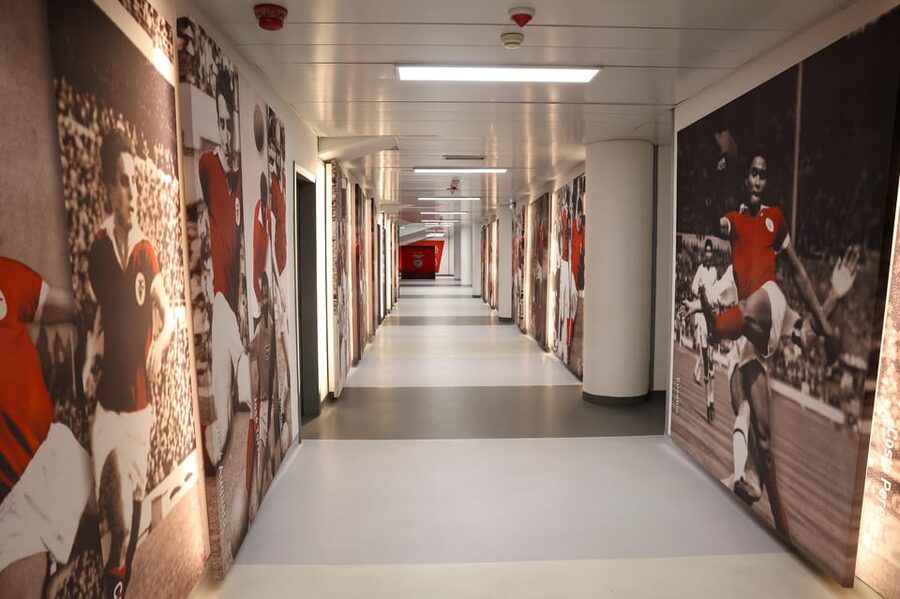
At $18 per person, this is a strong-value stadium visit if you want more than a museum ticket. The price includes entry, the tour route, and the scarf. Food and drinks are not included, but that is not a serious issue for a 1.5-hour activity.
The value improves if you care about football history, want to walk onto a professional pitch, or were already considering a Benfica souvenir. The museum alone provides historical content, while the locker room, press room, tunnel, and eagles give you several different types of access.
The main limitation is that this is not always a tightly guided, story-rich tour from beginning to end. The newer format uses points of interest with guides available to answer questions. I like the freedom, but you may prefer a traditional group tour if you want one guide leading every step.
Crowds can also affect the pace. One large group may take longer at photo stops, and queues at entry can be uneven. If you have a fixed afternoon plan, leave a buffer rather than treating 90 minutes as an exact promise.
Who will enjoy this most?
This is an easy choice for Benfica supporters, football fans, and families with older children. A 14-year-old football fan, for example, can follow the numbered route, see the dressing room and pitch, and enjoy the sense of being behind the scenes without needing a long history lecture.
It also suits first-time visitors to Lisbon who want a modern Portuguese cultural experience. Football is a useful doorway into the country’s public life, and the museum places Benfica within a wider Portuguese and Portuguese-speaking context.
You may want to skip it if you have no interest in football, stadium design, or club history. The views and architecture alone are not likely to carry the full 1.5 hours for everyone.
Accessibility is a plus: the activity is wheelchair accessible. The available languages are English and Portuguese, so check that this suits your group before booking.
Match dates can change everything
Do not book this casually around a Benfica fixture. The stadium cannot be visited on football match days. When there is a European football match, visits are also unavailable during the two days before and the day after the game.
That restriction can remove several dates from your schedule. Check the Benfica calendar and your chosen date before building the rest of your Lisbon plans around this activity.
Free cancellation is available up to 24 hours before the activity for a full refund, and a reserve-now, pay-later option may help if your schedule is still moving. These policies are useful, but the match-day restriction remains the key planning issue.
Should you book the Luz Stadium tour?
I would book this tour if you want a well-priced look at Benfica from several angles: club history, trophies, working rooms, pitch access, and the famous eagles. The scarf adds practical value, and the self-paced format gives you room to stop where your interest is strongest.
I would choose a quieter time if possible and arrive with enough time to find Door 17. Check the ticket’s stated entry hours, allow for queues, and confirm that no match or European fixture blocks the date.
Skip it only if football is unlikely to hold your attention. For everyone else, Luz offers a solid mix of access and history without the cost or time commitment of a full-day activity.
FAQ
How long does the Benfica Luz Stadium Tour take?
The tour lasts about 1.5 hours. You may spend longer if you take your time at the museum, stop for photos, or wait to see the eagles.
What is included in the ticket?
The ticket includes stadium entry, the tour, and a Benfica souvenir scarf. Food and drinks are not included.
Where does the tour start?
The meeting point is at Door 17, just after Eusébio’s Statue, inside the stadium’s commercial area.
Where does the activity finish?
The tour ends back at the meeting point area, at the Benfica Official Store.
Can I visit on a football match day?
No. Stadium visits are not possible on football match days.
Are there extra restrictions around European matches?
Yes. When there is a European football match, the stadium cannot be visited during the two days before or the day after the game.
Is the tour wheelchair accessible?
Yes, the activity is wheelchair accessible. The available languages are English and Portuguese.
New around Lisbon
- Arrábida, Setúbal, Sesimbra, Olive with wine tasting★ 5.0 · 75 reviews
- Lisbon: Sunset Sailing Boat Cruise with Wine★ 5.0 · 75 reviews
- Lisbon Half Day Private Tour★ 5.0 · 75 reviews
- Private Half Day Tour to Fatima from Lisbon★ 5.0 · 75 reviews
- Fátima, Nazaré and Óbidos Private Tour from Lisbon★ 5.0 · 76 reviews
- Central Lisbon 3-Hour Guided E-Bike Tour★ 4.8 · 76 reviews
- Lisbon Historic City Tour by Tuk-Tuk★ 5.0 · 76 reviews
- Sintra World Heritage and Cascais Village Private Deluxe Tour★ 5.0 · 76 reviews
Lisbon Tours, compared.
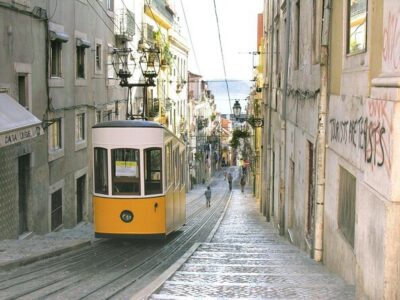
Lisbon City Center Tour – The Unmissable Lisbon
Read our review →
Sintra, Pena, Regaleira, Cabo da Roca & Cascais
Read our review →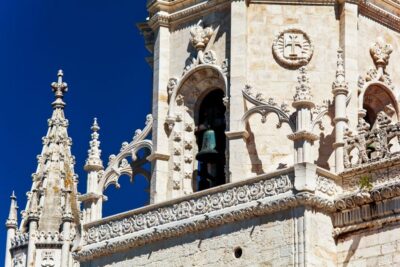
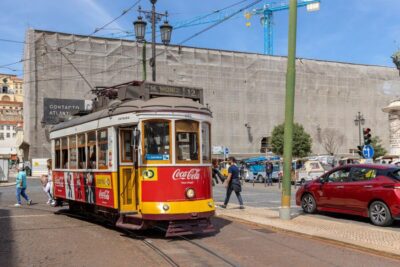

Sunset Boat Party Cruise with DJ and Open Bar
Read our review →
Pena Palace, Sintra, Cabo da Roca, & Cascais Daytrip
Read our review →