
Reviewed · DOLPHIN & WHALE WATCHING
Horta: University Startup Whale and Dolphin RIB Boat Trip
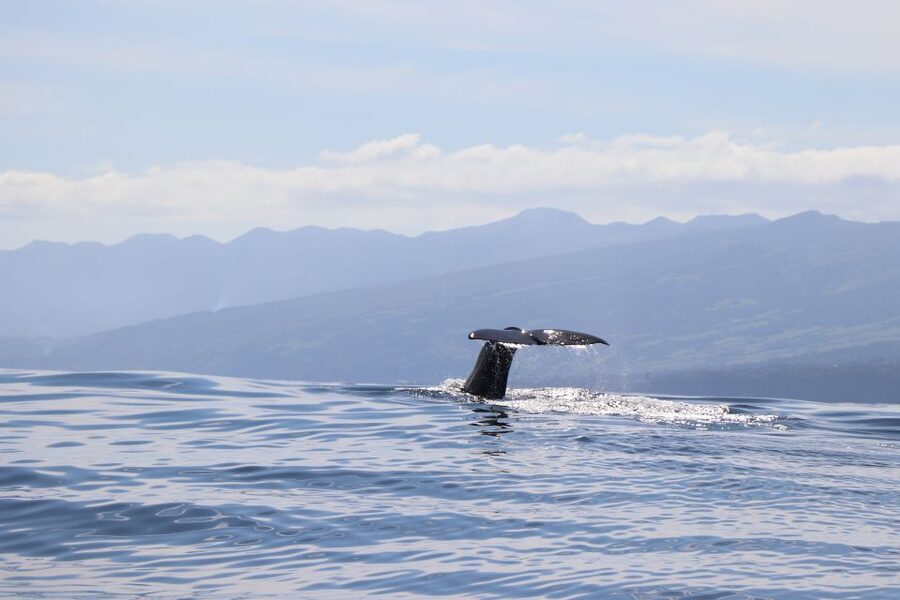
The star of this Horta outing is the chance to watch sperm whales year-round, with dolphins, seabirds, turtles, and migratory whales adding plenty of surprises. The boat carries a marine researcher from the University of Lisbon and the University of the Azores, so you get field notes and current science while the skipper searches the waters around Faial and Pico.
I like the small 16-person RIB and the use of land-based whale spotters, which gives the crew a better starting point than simply motoring out and hoping. I also like the waterproof clothing, safety cover, and the chance to support student research. The tradeoff is a real one: this is a fast, open boat, and rough water can make the ride wet and uncomfortable, especially in the front seats.
Key points at a glance
- Sperm whales can be seen all year, while blue, fin, humpback, sei, and Bryde’s whales appear at different times.
- University marine researchers ride with you, explaining animal behavior and collecting data.
- Land-based spotters help locate wildlife before the RIB heads out from Horta.
- The 16-seat boat keeps the group fairly small, but the ride can be bumpy in rough seas.
- Wildlife goes beyond whales, with dolphins, turtles, sharks, sunfish, squid, octopus, and seabirds all possible.
- Morning and afternoon departures last about three hours, with weather-related rescheduling and full refunds available if a trip is canceled.
Leaving Horta Marina with a research team
You meet Naturalist Science and Tourism at the marina in Horta. Arrive 15 minutes early, at 8:45 a.m. for the 9 a.m. departure or 1:45 p.m. for the 2 p.m. departure. Hotel pickup is not included, so plan your own way to the marina.
The first formal step is a safety briefing of about 10 minutes. This matters more than it might on a larger sightseeing boat. A rigid inflatable boat moves quickly, sits close to the water, and responds sharply to waves. You will receive waterproof trousers and a jacket, along with the safety information needed for the ride.
The boat holds up to 16 passengers. Actual group size can be smaller, and one recorded trip had 11 tourists with two marine biologists aboard. That is a useful size for whale watching. You are not packed into a large vessel, and the guide can usually keep the commentary connected to what you are seeing.
The boat is also the source of the tour’s main physical demand. Several people found the sea rough at times, and those seated toward the front had a good chance of getting wet. Bring shoes that can handle water or dry quickly. Severe back problems, recent surgery, pregnancy, and children under five are listed as reasons not to take this trip.
More dolphin and whale trips around Portugal:
- Albufeira: 2.5-Hour Benagil Caves & Dolphin Watching
★ 4.6 · 10,710 reviews - Albufeira: Benagil Caves & Dolphin Watching Speed Boat Tour
★ 4.6 · 6,316 reviews - From Funchal: Ecological Catamaran Dolphin Whale Watching
★ 4.5 · 5,771 reviews
How the whale search works around Faial and Pico
The Azores are not a simple one-species whale stop. More than 25 cetacean species occur in the region, but sightings remain wild sightings, not scheduled performances. On a normal departure, you might see two or three different species, though the actual result depends on weather, season, and animal behavior.
The operator works with whale spotters on land in Faial and Pico. These observers scan the ocean and help identify where whales and dolphins are active. Once the crew has useful information, the RIB can head toward the area rather than spend all three hours searching without a plan.
That system is especially helpful for a fast-moving animal such as a dolphin pod or a whale that surfaces only briefly. It does not guarantee sightings, and one recorded outing did not see whales. Still, the combination of shore-based observation, a capable skipper, and a marine researcher gives you a sensible approach to an unpredictable activity.
The crew may wait, reposition, or move to another area. On one successful trip, the captain shifted location more than once after waiting for animals, helping the boat reach whales at the right time. This is a good reminder that whale watching includes quiet stretches. The crew’s work is often about patience and positioning, not simply driving straight to a guaranteed show.
The wildlife you may meet offshore
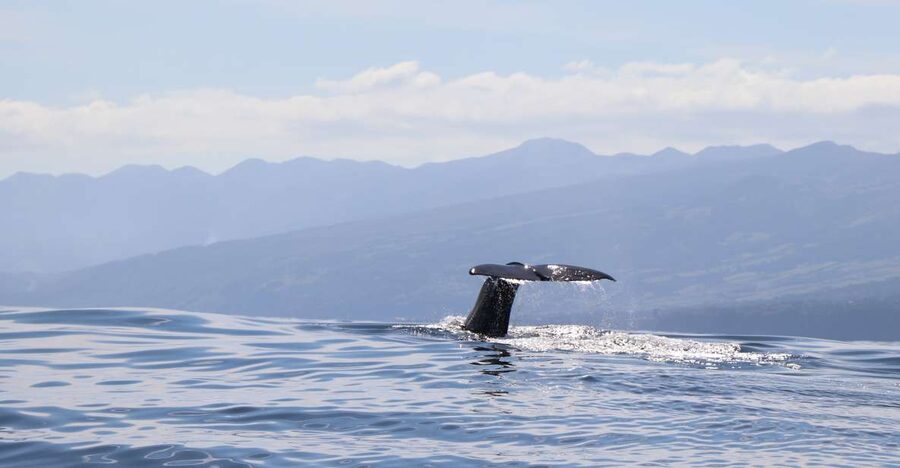
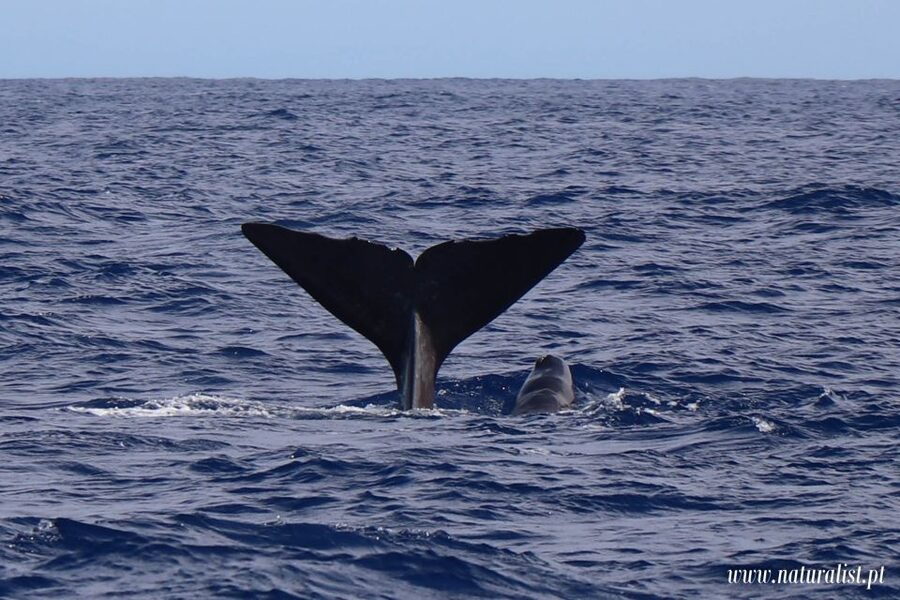
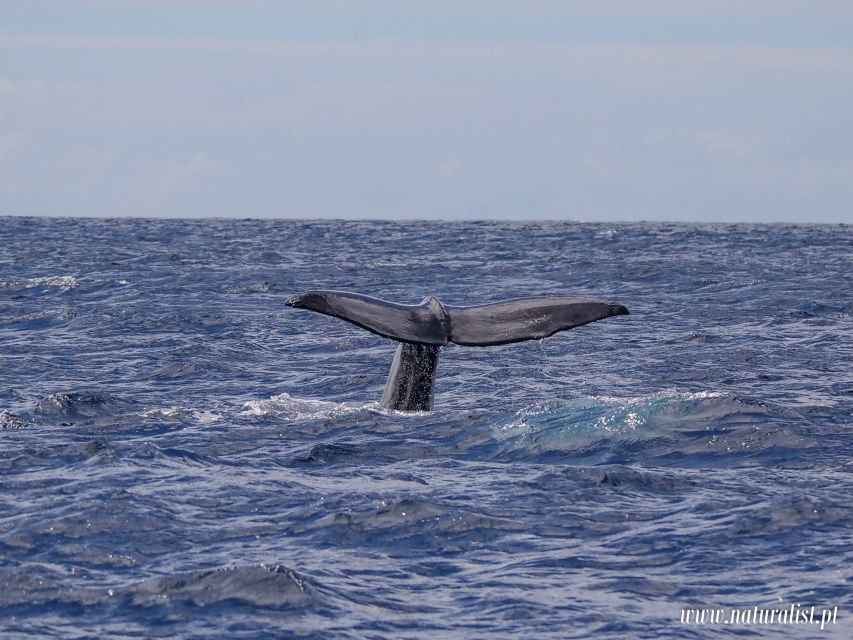
Sperm whales are the most dependable large whale prospect because they live in the Azores throughout the year. They are also among the most memorable animals here, and several trips recorded multiple sperm whales, including five seen together on one April outing.
Blue and fin whales are most associated with spring. Humpback and sei whales also pass through, while Bryde’s whales may appear in summer. Sightings can overlap, too. One September outing included sperm, sei, and humpback whales, along with hundreds of dolphins and large numbers of birds feeding in the same area.
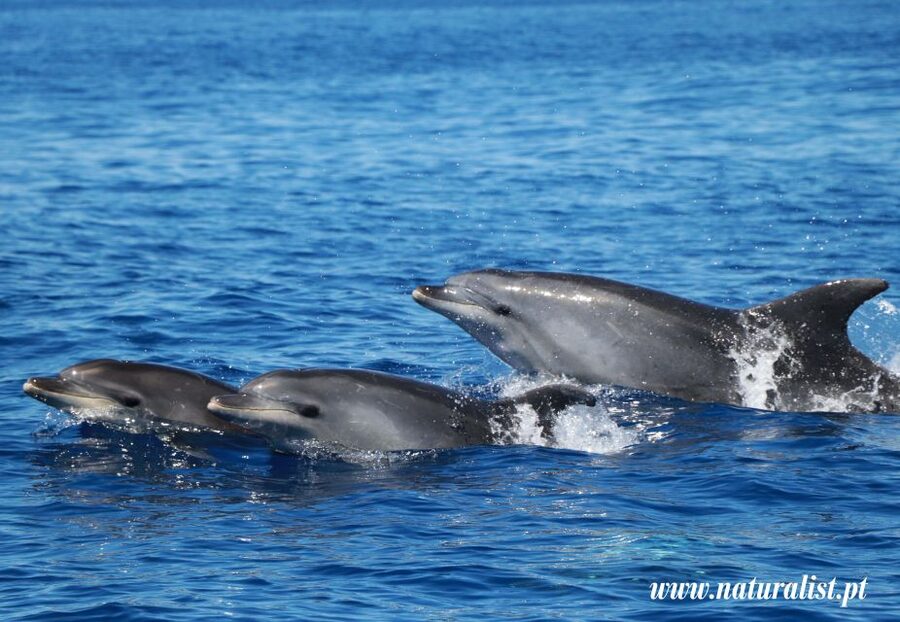
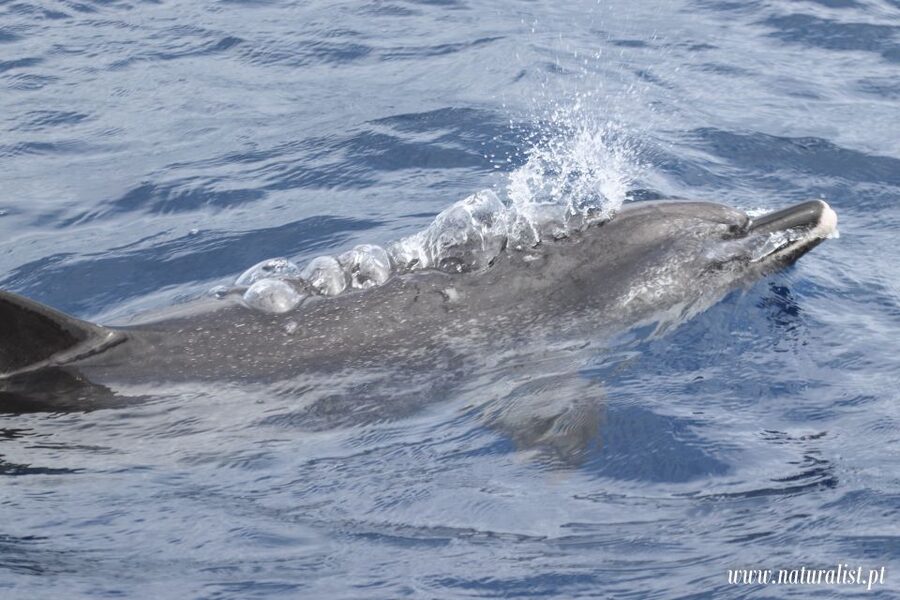
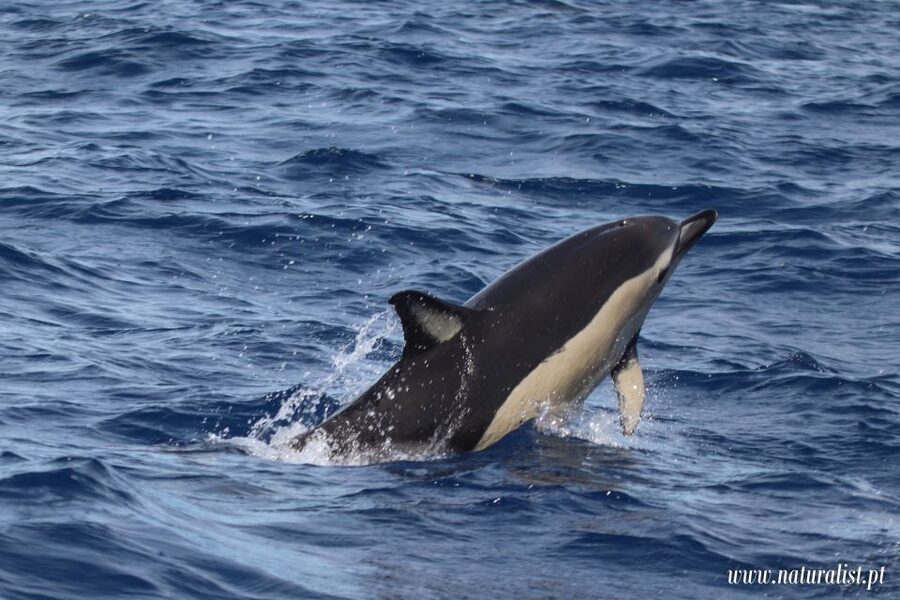
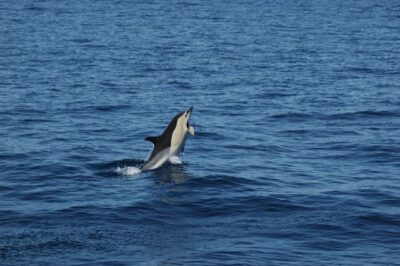
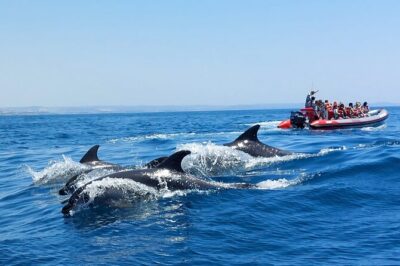
Dolphins are often a strong part of the experience. Bottlenose, Risso’s, and common dolphins are resident species, with other kinds passing through. The boat may encounter a few animals or a very large pod. One trip came across dozens of dolphins close to the RIB, while another found a massive group moving through the waves.
You should also keep an eye on the water between whale sightings. Loggerhead and green turtles live in the Azores, and leatherback and Kemp’s ridley turtles can occur too. A trip recorded two loggerhead turtles, a welcome reminder that the ocean here is more than a whale habitat.
Possible fish and invertebrates include flying fish, squid, octopus, hammerhead sharks, blue sharks, and ocean sunfish. None should be treated as promised sightings. They are part of the area’s known marine life, and the guide can explain what you encounter if luck puts it near the boat.
What the marine biologist adds
The university connection is the clearest reason to choose this tour over a basic boat ride. A marine researcher or biologist travels on board to collect data and explain the animals in front of you. The briefing covers local marine biodiversity and the cetaceans found in the region, then the information becomes more meaningful once an animal surfaces.
Past trips have included guides named Anna and Cristiana. Anna was praised for clear explanations during a whale-rich outing, while Cristiana provided detailed information during a trip that saw sei and Bryde’s whales. The guide role is not just to name a species. You can expect discussion of behavior, identification, and the reasons the skipper keeps a respectful distance.
That scientific focus also changes the pace. A guide may ask you to watch for a particular blow, dorsal fin, or surfacing pattern instead of treating every dark shape as a whale. If the boat is waiting, you are more likely to understand why rather than assume nothing is happening.
Some trips include photographs taken by the marine team and shared afterward at no extra charge. That is a useful touch, since handling a camera on a moving RIB can be awkward. It also lets you pay attention to the animals instead of trying to record every second yourself.
More boat trips around Portugal:
- From Porto: Douro Valley w/ Boat Tour, Wine Tasting & Lunch
★ 4.7 · 19,061 reviews - Complete Douro Valley Wine Tour with Lunch, Wine Tastings and River Cruise
★ 5.0 · 12,920 reviews - Porto: Six Bridges Cruise
★ 4.2 · 11,680 reviews - Lisbon: Sunset Boat Party Cruise with DJ and Open Bar
★ 4.5 · 10,378 reviews
The three-hour itinerary, from briefing to open water
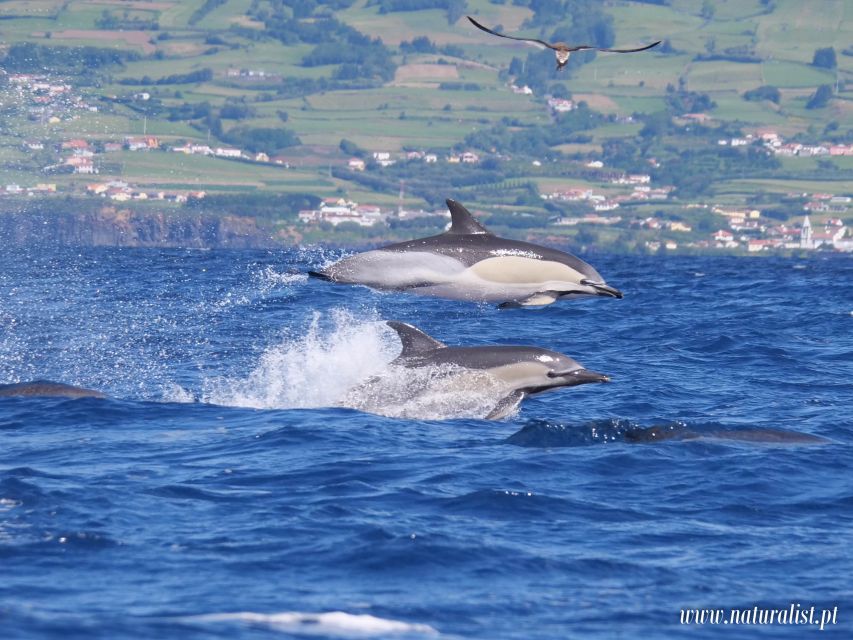
After the 10-minute safety talk, the outing moves into the main wildlife portion. The published schedule describes guided touring, scenic views, dolphin watching, marine-life viewing, photography stops, and whale watching, with the full expedition averaging three hours.
The departure from Horta is part of the experience, but the real time is spent offshore looking for signs of life. You might watch a pod of dolphins moving across the surface, wait for a whale to breathe, or scan for seabirds feeding above a patch of fish.
A photography stop does not mean a fixed sightseeing stop with a guaranteed subject. It is better understood as time to observe and photograph wildlife when conditions allow. The skipper must balance a good view with distance, sea conditions, and the animals’ behavior.
The RIB’s speed is useful when the crew receives a sighting farther away. It also makes the ride more energetic than a slow harbor cruise. In calm weather, that can be thrilling. In rough weather, the same speed can mean hard jolts and spray. I would choose a seat according to your tolerance: the front offers a lively ride and a closer feel to the water, while the back may be more comfortable for anyone concerned about spray.
At the end, the crew returns to Horta. One trip ended with hot tea and lemon cookies after a cold ride, but that should be treated as an occasional courtesy rather than a listed inclusion. Food and drinks are not included, so do not count on a meal.
Seabirds turn a whale trip into a wider nature outing
The birdwatching is easy to overlook when you are hoping for a large whale, but it gives you something to watch during quieter periods. Possible species include Cory’s, great, and Manx shearwaters, along with common and roseate terns.
These birds can help show where feeding activity is taking place. Large groups of birds above the water may point toward fish, which can also attract dolphins and whales. One October trip recorded shearwaters alongside three kinds of whales and tuna. Another saw thousands of birds feeding with dolphins and whales.
You do not need to be a dedicated birder to enjoy this part. The marine biologist can help you notice the difference between a tern’s quick flight and a shearwater’s glide. If whales stay below the surface for a while, the birds keep the open-water search interesting.
What the price of $101 includes
At $101 per person, this is not the cheapest way to spend three hours in Horta. The value depends on what you want from the outing.
You are paying for a small RIB rather than a large passenger vessel, waterproof clothing, safety insurance, a wildlife briefing, and a marine researcher on board. The university link gives the tour more substance than a simple sightseeing cruise, and the boat’s size allows the crew to respond quickly when animals are located.
The price also includes the possibility of photographs afterward, based on how the photo service has operated on past departures. Food, drinks, and hotel pickup are not included. If you need lunch, bring or buy it separately, while keeping in mind that anything carried on the boat should be secure and suitable for wet conditions.
The less certain part of the value is the wildlife itself. The species list is impressive, but no company can promise a whale. One outing saw no whales, while others saw several species, dolphins, turtles, and birds. I would book this for the chance to see wild marine life, not for a guaranteed checklist.
Weather, clothing, and comfort on the RIB
Weather controls the schedule. Trips can be rescheduled if conditions are poor, and a canceled departure comes with a full refund. That flexibility is useful in the Azores, where ocean conditions can change your plans.
Even with supplied waterproof clothing, you should dress for wind and spray. Wear layers underneath, and choose shoes that can get wet. The waterproof jacket and trousers were considered especially useful on rougher trips, but they cannot remove the motion of the boat.
This is not suitable for pregnant women, people with severe back problems, people recovering from recent surgery, or children under five. Those restrictions are practical, not fussy. A semi-rigid boat can hit waves firmly, and the ride may be tiring even when the wildlife viewing is excellent.
If you are prone to motion sickness, the supplied information does not list a specific remedy, so plan according to your own needs. The safest general advice is to arrive rested, dress warmly, and accept that some time may be spent sitting still while the crew watches for a surfacing animal.
Who should book this Horta whale trip
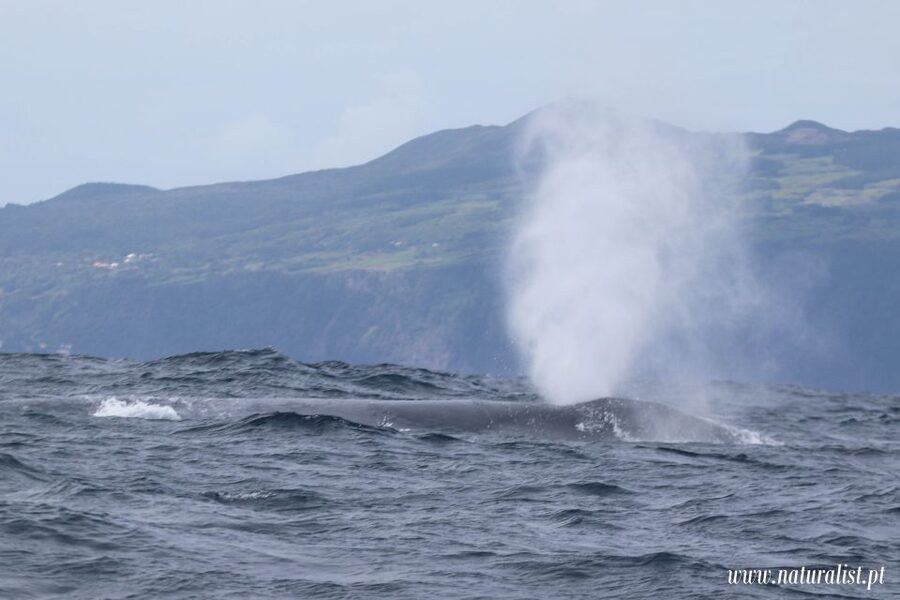
I would choose this outing if you want a science-led whale watch rather than a basic boat ride. It suits adults and older children who enjoy learning how researchers identify whales, dolphins, and seabirds, and who can manage a three-hour ride on open water.
It is also a good fit for visitors staying in Horta who want a compact half-day activity. The 9 a.m. and 2 p.m. departures leave the rest of the day open, though you should allow extra time for weather changes if your schedule is tight.
This may not suit you if you need guaranteed sightings, dislike speed, or are uncomfortable on rough seas. A calm-looking harbor does not tell you what the water will feel like farther offshore. If you are deciding between this and a larger boat, the RIB gives you a smaller group and quicker movement, but less shelter and a bumpier ride.
The activity is available in English and Portuguese. The tour information also describes Spanish departures, while French needs to be requested in advance and depends on availability. Confirm your preferred language before booking.
Should you book it?
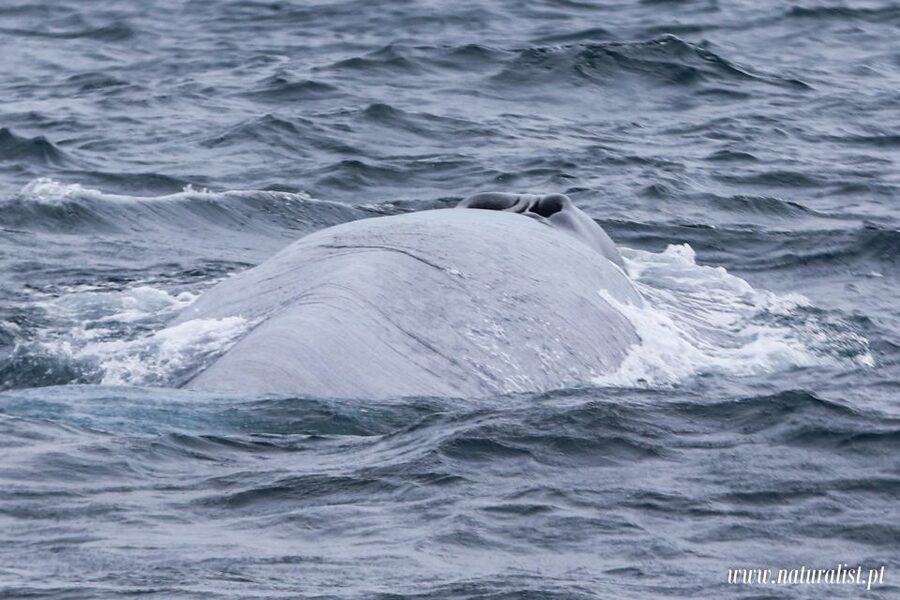
Book this Horta trip if the mix of wildlife and marine science appeals to you, and if you can accept that nature sets the schedule. The strongest parts are the university biologist, land-based whale spotting, small group, and broad range of possible species.
I would avoid booking it as your only chance to see a whale if you have a tight itinerary and would be upset by an empty sighting list. For most people who enjoy open water, careful wildlife watching, and useful explanations, the $101 price is reasonable, especially when several species appear and the crew handles the search with patience.
Cancel up to 24 hours before departure for a full refund, and you can reserve now while paying later. Those terms help, but the main decision is physical: if you are comfortable with a fast, wet RIB and uncertain sightings, this is a strong way to meet the marine life around Faial and Pico.
FAQ
Where does the Horta whale-watching trip begin?
Meet Naturalist Science and Tourism at the whale-watching area in Horta Marina. You should arrive 15 minutes before departure, at 8:45 a.m. for the morning trip or 1:45 p.m. for the afternoon trip.
How long does the activity last?
The expedition takes about three hours. Departures are scheduled for 9 a.m. and 2 p.m., subject to availability and weather conditions.
What animals might I see?
Possible sightings include sperm, blue, fin, humpback, sei, and Bryde’s whales; bottlenose, Risso’s, common, and other dolphins; loggerhead and green turtles; sharks, sunfish, flying fish, squid, octopus, tuna, and seabirds.
Are whales guaranteed?
No. The tour searches for wild animals, and sightings depend on conditions and animal behavior. Sperm whales live in the region year-round, while several other whale species are seasonal or migratory.
Is the boat suitable for everyone?
No. The semi-rigid RIB is not recommended for pregnant women, people with severe back problems, people with recent surgeries, or children under five.
Are waterproof clothes provided?
Yes. Waterproof trousers and jackets are included, along with safety insurance and a briefing about the tour and local animals. Bring shoes that can get wet or dry quickly.
What languages are available?
English and Portuguese are listed as the available guide languages. Spanish may be possible, and French must be requested in advance according to availability.
New around Portugal
- Exclusive Boat Tour to the Benagil Caves★ 5.0 · 74 reviews
- Surf’s Up in Albufeira: Learn to Ride the Waves★ 5.0 · 74 reviews
- Lisbon: Kayaking and snorkeling in Sesimbra with photos!★ 5.0 · 74 reviews
- Porto: City Bike Rental★ 4.6 · 75 reviews
- Arrábida, Setúbal, Sesimbra, Olive with wine tasting★ 5.0 · 75 reviews
- Private 4×4 Jeep Full Day Porto Moniz or Santana★ 5.0 · 75 reviews
- Lagoa: Dolphins Expedition with biologist guide on board★ 5.0 · 75 reviews
- Douro Valley: Quinta do Tedo Wine Experience with Picnic★ 4.8 · 75 reviews
Dolphin & Whale Watching, compared.

Benagil Caves & Dolphin Watching Speed Boat Tour
Read our review →
Dolphins Search and Benagil Caves from Albufeira
Read our review →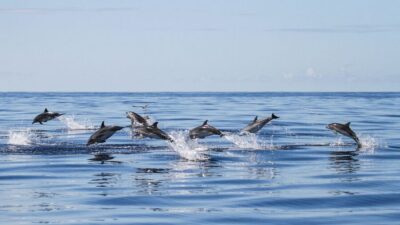
Benagil Caves & Dolphins Watching with Biologist
Read our review →Browse the lists this tour appears in