
Reviewed · RIA FORMOSA BOAT TOURS
Faro: Eco-Friendly Ria Formosa Bird Watching in Solar Boat
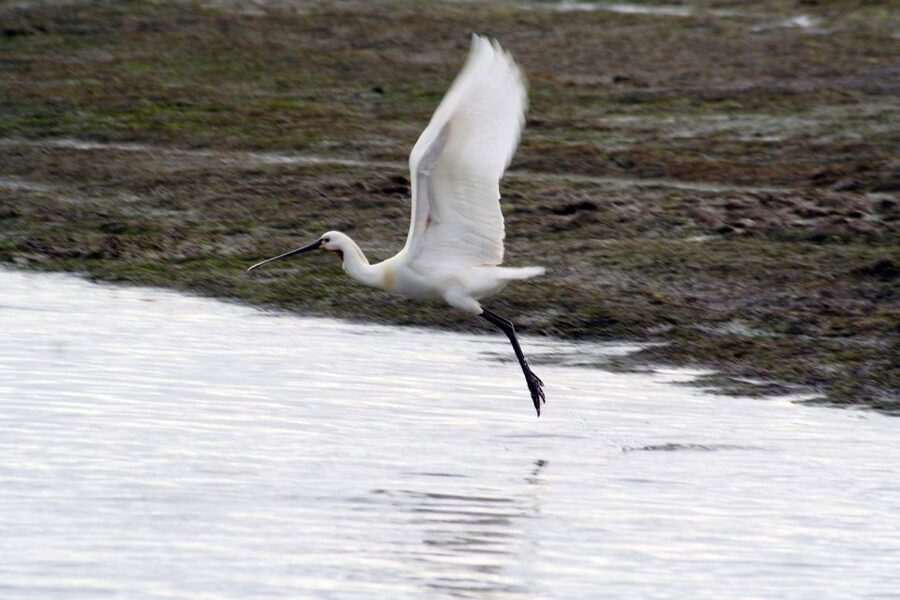
The best thing about this Faro boat trip is its silence. The small solar-powered vessel slips through the Ria Formosa’s saltwater canals without the steady engine noise of a standard excursion boat, giving you a better chance to hear bird calls and approach wildlife calmly. I especially like the quiet electric boat and the chance to watch birds such as ospreys, spoonbills, kingfishers, white storks, and marsh harriers in their own feeding grounds.
I also like the local guides, who do more than name birds. Sebastian, Iris, Andre, and the other guides explain how the salt marsh works, point out nests, and share local information as they steer through the channels. The main consideration is timing: bird activity changes with the tide, season, and weather, and flamingos are not guaranteed. The boat is also not suitable for wheelchair users.
Key points at a glance
- The solar boat moves quietly: Less engine noise helps you hear calls and get closer to wildlife.
- The tide shapes the whole outing: Ria Formosa’s water level changes by about 3 meters every six hours, so each trip has a different feel.
- A local guide does the spotting: Guides including Iris, Sebastian, and Andre are praised for sharp eyes and clear explanations.
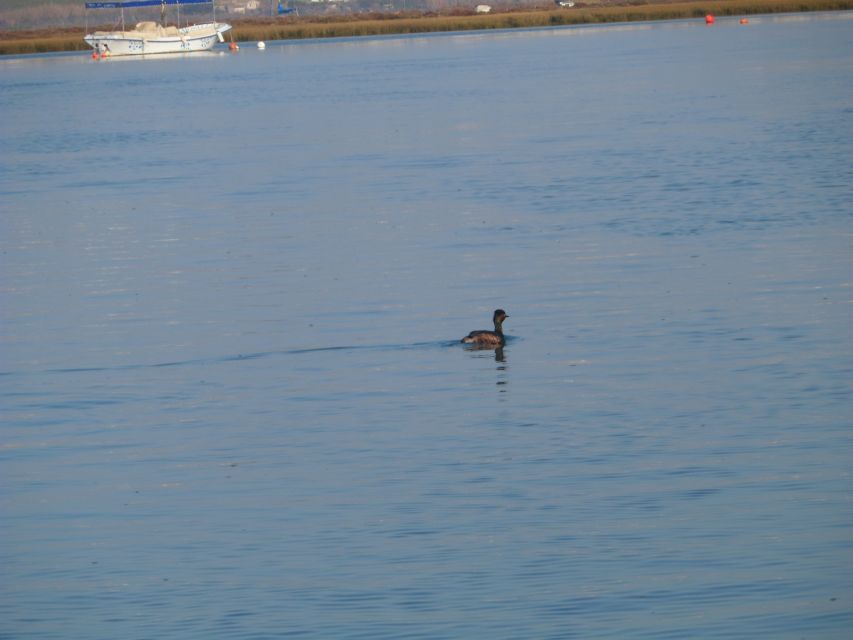
- You may see serious bird variety: Ospreys, spoonbills, kingfishers, storks, herons, waders, and marsh harriers have all been seen.
- The group stays small: The boat carries no more than 12 participants, with binoculars and wildlife guides supplied.
- Come prepared: Bring water, snacks, sunscreen, and comfortable clothes. Parking near Rua da Porta Nova can be difficult.
Why the solar boat changes the experience
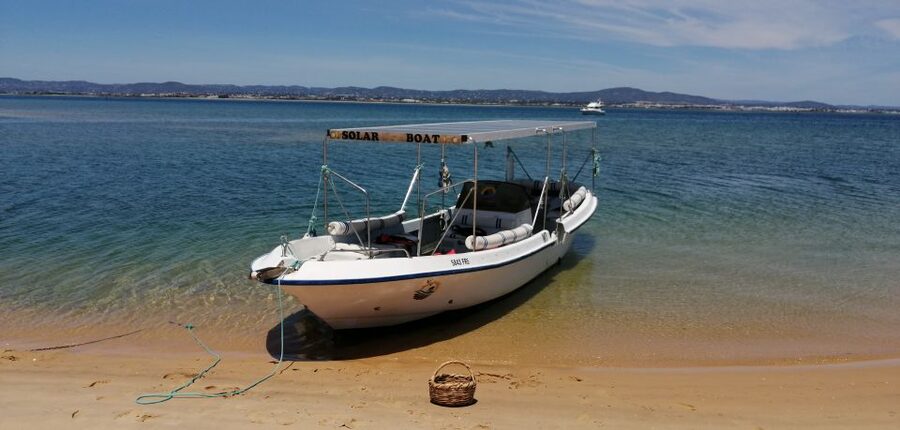
The Ria Formosa is not a place you want to rush through. It is a shifting system of islands, saltwater channels, mudflats, marshes, and shellfish areas. The solar boat suits it well because it travels at an unhurried pace and makes very little noise.
That quiet matters for two reasons. First, you can hear more of the place. Bird calls, wingbeats, and the small sounds of the water are easier to notice when there is no loud motor running beside you. Second, the guide can position the boat near feeding birds without the same level of disturbance produced by a combustion engine.
I would not book this as a high-speed sightseeing cruise. The pleasure comes from slowing down, watching the banks, and letting the guide work out what is moving in the reeds or across the mud. One group spent close to half an hour watching a male osprey eat its catch. Another saw an osprey hunt and circle close to the boat before settling on a perch.
The boat also has shade, a useful detail in the Algarve sun. You are still outdoors, so sunscreen and water matter, but the covered seating makes two hours easier than sitting fully exposed on a small craft.
More Boat Tours in Algarve
- Portimão: Benagil Caves Speed Boat Tour with Sunset Option
★ 4.8 · 9,329 reviews - Albufeira: Benagil Caves & Dolphin Watching Speed Boat Tour
★ 4.6 · 6,316 reviews - Albufeira: Coastline and Benagil Caves Tour by Catamaran
★ 4.7 · 4,077 reviews
Setting out from Rua da Porta Nova
The meeting point is at Rua da Porta Nova in Faro, at the kiosk described as the only one with bird advertising. This is a useful landmark, since the waterfront can otherwise feel confusing when several boat operators are nearby.
Give yourself extra time to find it. Parking in this part of Faro can be difficult, and you may need to leave the car farther away and walk. The meeting point is not reached by included transport, so getting there is your responsibility.
Once aboard, the skipper and guide provide binoculars and guides covering local flora and fauna. The group limit is 12 people, though some departures have only a few passengers. A very small group gives you more room and makes it easier to ask questions, but the experience remains worthwhile with a full boat because the guide is actively scanning for wildlife and sharing the viewing opportunities.
The guides speak Portuguese, English, and Spanish. Several guides are also praised for switching between languages during the trip, which is helpful for mixed groups.
Entering the Ria Formosa’s saltwater canals
The Ria Formosa changes hour by hour because the tide rises and falls by about 3 meters every six hours. That is not a minor detail. At one point, a channel may be full enough for the boat to pass easily. Later, exposed mud and shallower water can bring feeding waders closer to view.
This constant change helps explain why no two trips are exactly alike. You are not simply passing a fixed collection of birds. The feeding areas shift, the water moves through the channels, and different species use different parts of the marsh.
The guide’s job is part naturalist, part skipper, and part patient spotter. You might be shown birds sitting openly on a bank, but you might also be asked to look toward a distant silhouette or a patch of reeds. This is where the binoculars help. The supplied wildlife guide gives you a way to compare shapes and markings, though one passenger felt there were not enough monoculars for everyone and wanted a more complete photo book for identifying birds.
If you are new to bird-watching, do not worry about knowing species before you arrive. The guide points out the bird, gives you time to find it, and explains what you are seeing. If you already know your shorebirds, the setting still rewards careful attention, especially when the boat reaches a busy feeding area.
What you might see along the route
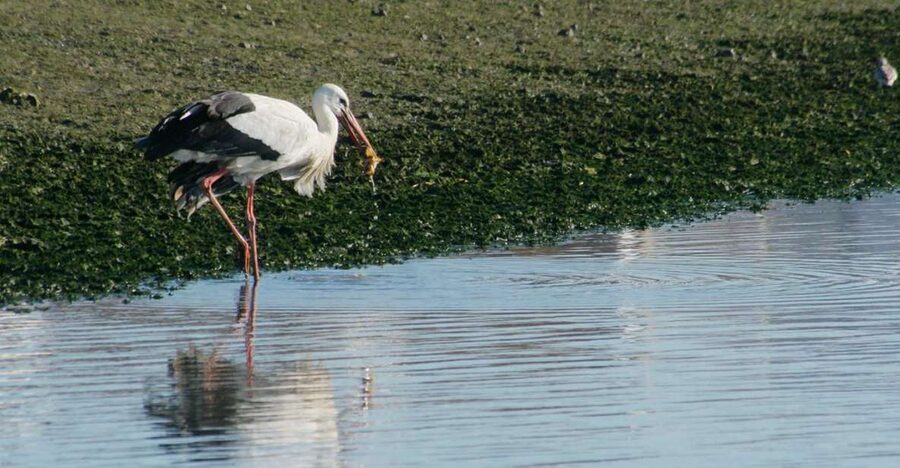
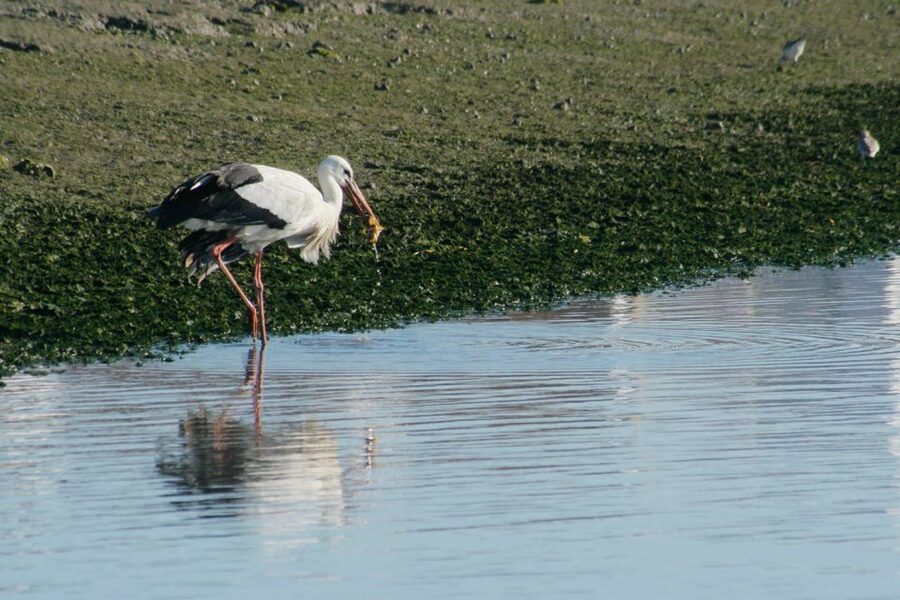
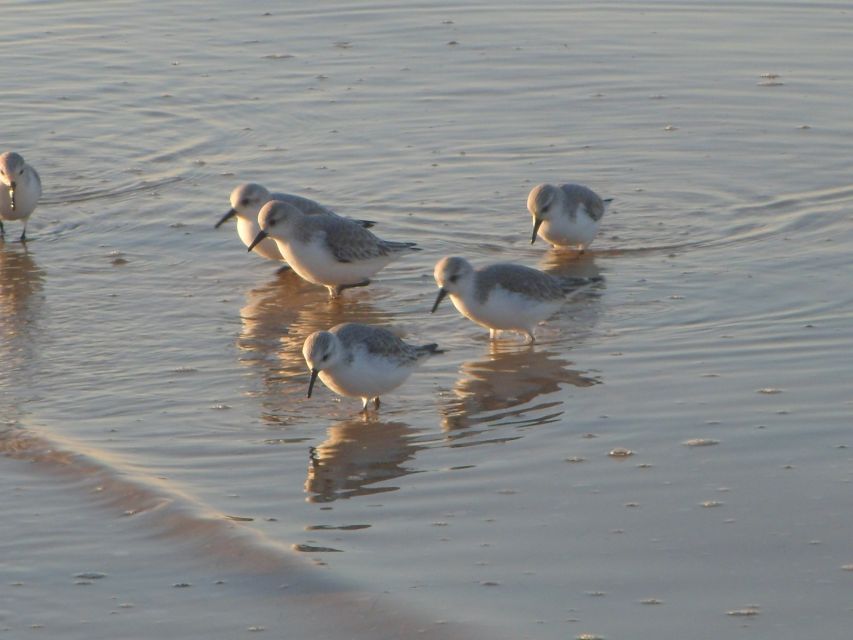
The bird list is one of the strongest reasons to choose this outing, but it should be treated as a possibility rather than a promise. The species seen on recent departures include:
- Ospreys hunting or eating fish
- Spoonbills
- Kingfishers
- White storks
- Marsh harriers
- Herons
- Ruddy turnstones
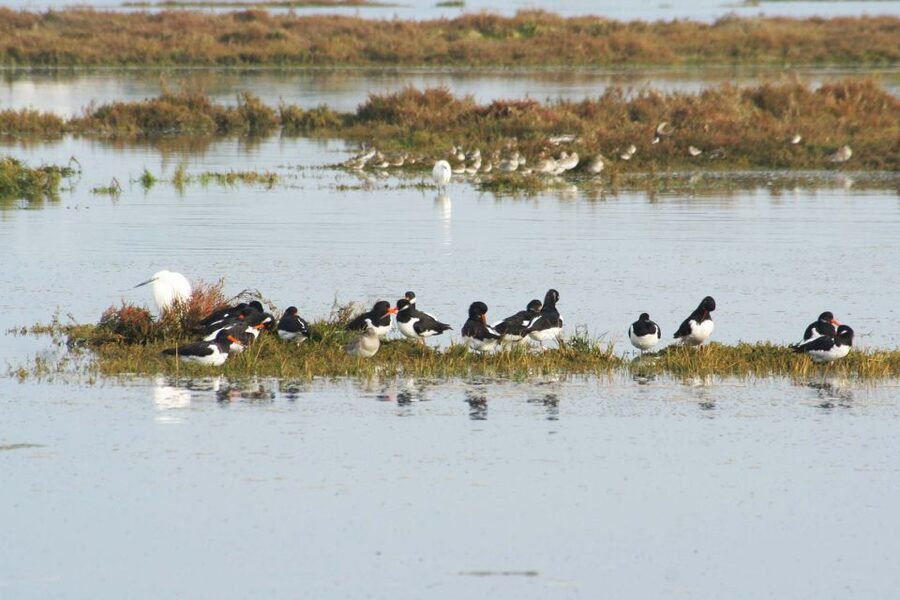
- Oystercatchers
- Flamingos
- Other waders and shorebirds
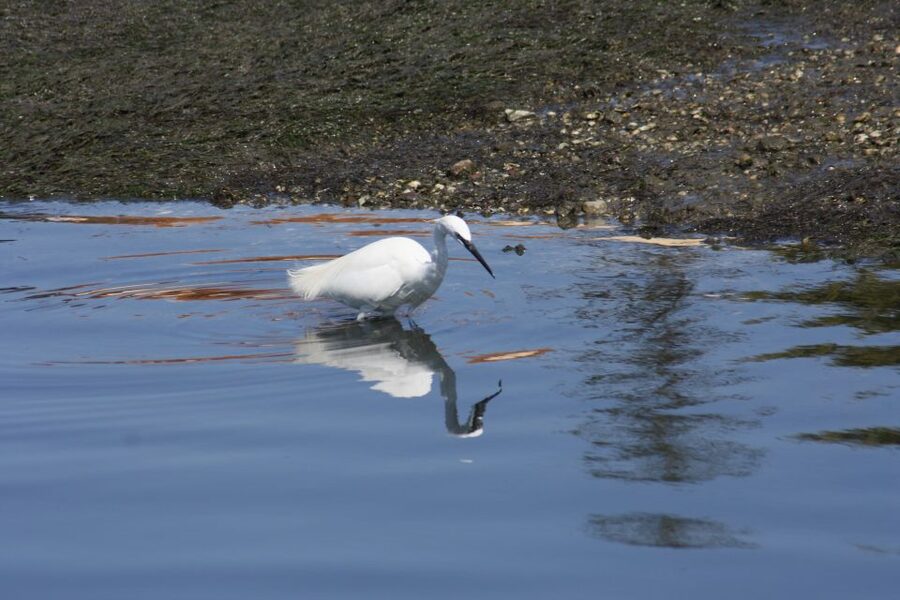
Ospreys seem to provide some of the most memorable sightings. Guides have managed close views of them hunting, catching fish, circling the boat, and feeding nearby. That kind of encounter depends on luck and conditions, but a guide with a sharp eye improves your chances.
Oystercatcher fans should listen closely. One guide promised a passenger a sighting of this favorite bird and then found 28 of them. That is a fine example of how the trip works at its best: the guide listens to what interests you and keeps looking for it.
Flamingos are possible, but I would not make them your main reason for booking. They have been seen from the boat, yet one guide points out that they prefer salt-plain areas, so they may not appear on every route. The Ria Formosa offers plenty to watch even when flamingos stay away.
Summer may not be the strongest period for every species. A July departure had fewer birds than expected, but the guide still worked hard to find what was present. For a broader range of bird activity, spring and autumn are sensible times to consider, though the available information does not promise a specific seasonal list.
A few other Algarve half-days worth a look
- 4 Stops | 3 Islands & Ria Formosa Natural Park – From Faro
★ 5.0 · 3,080 reviews - Faro: Ria Formosa Faro Islands Boat Tour
★ 4.8 · 2,588 reviews - Ria Formosa – Boat trip to the 3 Islands: Armona | Culatra Island | Lighthouse
★ 5.0 · 1,872 reviews - Ria Formosa Natural Park and Islands Boat Cruise from Faro
★ 5.0 · 1,314 reviews
The guided hour in Parque Natural da Ria Formosa
The itinerary identifies about one hour as a guided tour within Parque Natural da Ria Formosa, with the full experience lasting two hours. The remaining time is spent traveling by boat through the channels and returning to the starting point.
That balance is sensible. You need time to reach the right feeding zones, and the ride itself is part of the experience. The guide can explain the park while steering, then pause or reposition the boat when an osprey, heron, or group of waders appears.
The ecosystem lesson is practical rather than abstract. You learn how the rising and falling tide affects the channels, why shellfish and fishing can operate here, and how those food sources support migratory birds that return year after year. The park is a working natural system, not a sealed-off exhibit.
You may also hear local history and information about the people who use the area. That gives the bird sightings more meaning. You are seeing an environment that supports both wildlife and parts of the local economy.
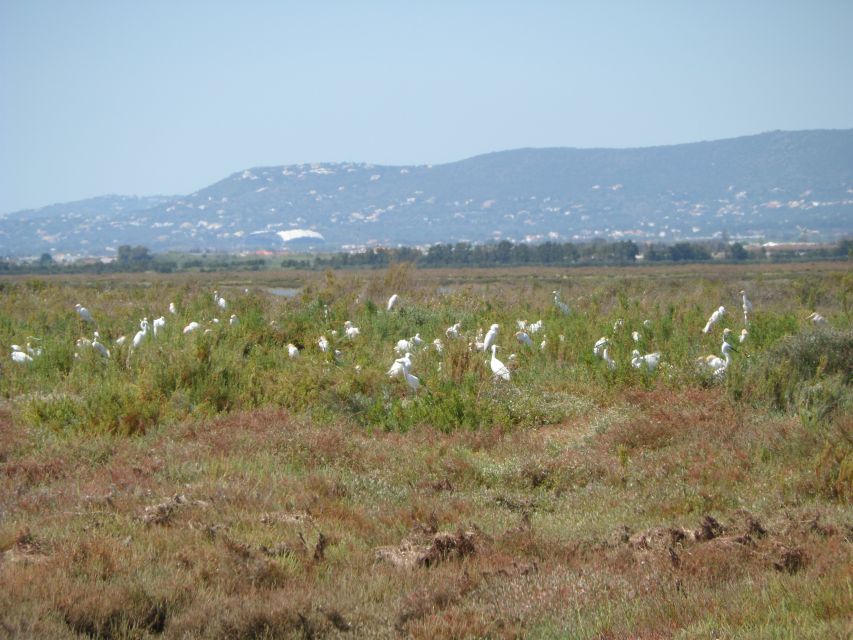
The best moments may involve no rare species at all. A slow turn into a narrow canal, a bank lined with nests, or a quiet stretch where the only sound is bird calls can be just as satisfying as a dramatic hunting scene.
Guide quality and the value of local eyes
The guides receive the strongest praise for this experience. Their value is not limited to speaking English, Spanish, or Portuguese. They know where to look, how to approach birds quietly, and how to keep the group involved.
Sebastian is described as enthusiastic and highly skilled at finding distant wildlife. He is also praised for explaining the environment clearly and making sure passengers saw a variety of species. Iris combines bird-spotting skill with a relaxed sense of humor, while Andre has been praised for explaining birds, the salt marsh, and local information in detail.
These names may not be assigned to your particular departure, but they show the kind of role the guide plays. You are not simply handed binoculars and sent down a canal. The guide keeps scanning, identifies what appears, and adjusts the boat for a better view.
This matters most when birds are far off. Without a trained eye, you might see only a shape against the marsh. With a guide, that shape becomes an osprey, spoonbill, or marsh harrier, and you learn what features to notice next time.
The guides also seem comfortable with mixed levels of interest. You can ask basic questions about the park, or focus closely on species identification. The small group limit makes that exchange easier.
Comfort, pace, and small-group limits
Two hours is a good length for this kind of trip. It is long enough to reach several parts of the marsh without taking up a full morning or afternoon. It is also short enough for people who are curious about bird-watching but do not want to commit to a full-day nature program.
The pace is slow and relaxing. If you need constant action, this may feel too gentle. Wildlife watching involves pauses, distant birds, and occasional stretches when the guide is searching. That is part of the appeal, but it requires patience.
The boat holds up to 12 participants, and some departures have only two passengers or around half a dozen people. A small group gives you a more personal outing and makes it easier to move your attention from one side of the boat to the other. It also means the atmosphere can be quiet, which suits the setting.
Bring comfortable clothes, sunscreen, water, food, and snacks. Food and drinks are not supplied aboard. The shade helps, but it does not remove the need for sun protection, especially in an open wetland with little shelter away from the boat.
Weather can cancel the trip. You are notified in advance if conditions make the outing unsafe or unsuitable. Since the experience depends on calm movement through narrow canals, this is a reasonable condition rather than a flaw.
Is $47 a fair price?
At $47 per person for two hours, I consider this a good value if you care about wildlife and want a focused outing from Faro. The price includes the boat, skipper, local guide, binoculars, and information about local flora and fauna. It also buys you a small-group experience rather than a generic ride around the water.
The solar boat is a real part of the value, not just a label. Its quiet movement improves your chance of hearing and seeing birds, and it fits the character of the park. You are paying for access to the canals plus the guide’s ability to find and explain wildlife.
It is less compelling if you only want broad views of Faro from the water. Other boat trips may offer a more general look at the area, while this one spends its time on birds, nests, feeding places, and the workings of the marsh.
The flexible booking terms help if your schedule is still moving. You can reserve and pay later, and cancellation is free up to 24 hours before departure for a full refund. These terms do not change the quality of the tour, but they reduce the risk of fitting it into a busy Algarve itinerary.
Who should book this Faro nature trip?
I would choose this for bird lovers, quiet-nature fans, photographers who value close observation, and anyone wanting a slower break from Faro’s town center. It also suits families or couples who enjoy asking questions and watching wildlife without a loud motor nearby.
You do not need to be an expert. Beginners get help with the binoculars and species guides, and the guides explain what they spot. Still, you should enjoy waiting and looking carefully. This is not an amusement ride, and sightings depend on tide, season, weather, and plain luck.
The outing is less suitable for wheelchair users because it is specifically marked as not accessible for them. If you are concerned about mobility or boarding the vessel, ask the operator before booking.
Should you book the solar boat?
Yes, if your idea of a good morning or afternoon is a quiet ride through working wetlands with a guide who keeps searching for birds. The combination of a small solar boat, changing tides, and strong local guiding gives this trip more substance than a simple canal cruise.
Book it with realistic expectations. You may see an osprey catch a fish, a group of spoonbills, or even flamingos, but you may also spend part of the trip watching common waders and learning how the marsh functions. That is still the point of the Ria Formosa.
Choose a time that fits your schedule and, if possible, consider tide and seasonal bird activity when checking departures. Arrive early because parking near Rua da Porta Nova can be awkward. Bring water, snacks, and sunscreen, then let the guide do the hard work of finding the wildlife.
FAQ
How long does the Faro solar boat bird-watching tour last?
The activity lasts two hours, including the boat journey through the Ria Formosa and the return to Rua da Porta Nova. About one hour is identified as a guided tour within Parque Natural da Ria Formosa.
How much does the tour cost?
The price is $47 per person.
Where does the boat tour meet?
The meeting point is at Rua da Porta Nova, 8000-250 Faro. The operator says it is the only kiosk in the area with bird advertising.
What languages does the guide speak?
The tour is offered in Portuguese, English, and Spanish.
Are binoculars provided?
Yes. Binoculars and guides with information about local fauna and flora are included.
Can I bring food and drinks?
Food and drinks are not included, so you should bring your own water, food, and snacks. Comfortable clothes and sunscreen are also recommended.
What happens if the weather is bad?
The tour can be canceled because of unfavorable weather conditions. You will be notified in advance if this happens. You can also cancel up to 24 hours before departure for a full refund.
More Boat Trips in Algarve
- From Lagos: Boat Cruise to Ponta da Piedade
★ 4.9 · 3,346 reviews - Albufeira: Dolphin Watching and Benagil Cave Boat Cruise
★ 4.8 · 3,008 reviews - Portimão: Benagil Cave and Praia de Marinha Boat Tour
★ 4.8 · 2,904 reviews - Portimão: Pirate Ship Cave Cruise
★ 4.7 · 2,813 reviews
New around Algarve
- Surf’s Up in Albufeira: Learn to Ride the Waves★ 5.0 · 74 reviews
- Exclusive Boat Tour to the Benagil Caves★ 5.0 · 74 reviews
- Lagoa: Dolphins Expedition with biologist guide on board★ 5.0 · 75 reviews
- 2-hour Bird Watching Guided Boat Trip in Ria Formosa from Faro Algarve★ 4.5 · 75 reviews
- Lagos/Praia da Luz: Wine Tour, Tastings, Tapas, and Music★ 4.8 · 75 reviews
- Sunset Benagil Caves Boat Tour from Armacao de Pera★ 5.0 · 76 reviews
- Visit Secret Caves, Hidden Beaches and Snorkel in Alvor, Portugal★ 5.0 · 76 reviews
- Lagoa: 2.5-Hour Vineyard Dinner with Winetasting★ 4.5 · 77 reviews
Ria Formosa Boat Tours, compared.
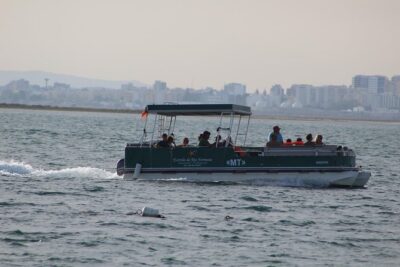
4 Stops | 3 Islands & Ria Formosa Natural Park – From Faro
Read our review →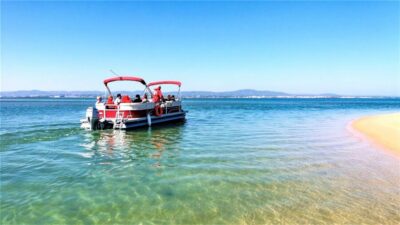
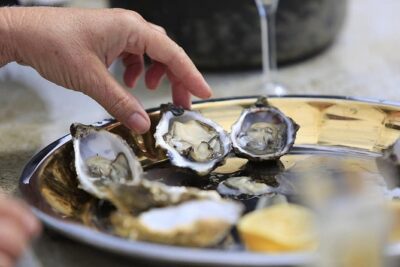
Ria Formosa – Boat trip to the 3 Islands: Armona | Culatra Island | Lighthouse
Read our review →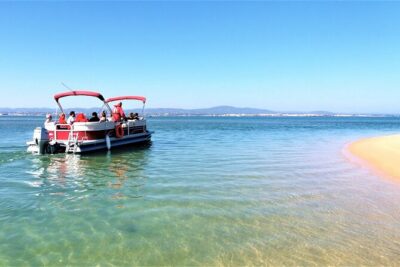
Ria Formosa Natural Park and Islands Boat Cruise from Faro
Read our review →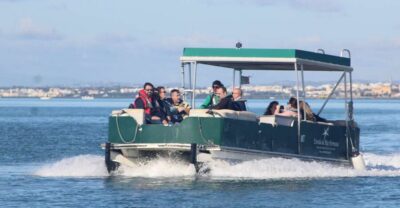
4 Stops, 3 Islands in Ria Formosa Catamaran Tour
Read our review →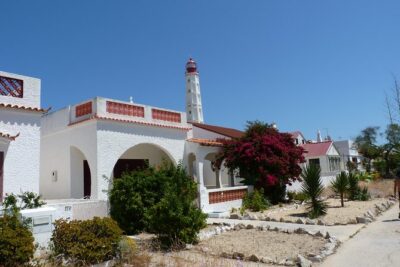
2 Stop | 2 Islands & Ria Formosa Natural Park – From Faro
Read our review →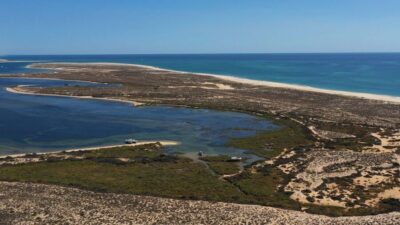
Browse the lists this tour appears in