

Reviewed · FADO SHOWS
Lisbon: Fado Vadio Tour with Portuguese Tapas
Lisbon’s Fado is best understood in a small room, not a polished concert hall. This 3.5-hour evening walk begins at Café A Brasileira and leads into the old neighborhoods where Fado still feels like part of daily life. You hear the music close up, eat simple Portuguese food, and learn why the songs carry so much longing.
I like the small group of no more than 10 and the way the guide stays with you inside the Fado house instead of dropping you at the door. I also like the personal touch: guides such as Ana, Cristiana, Cristina, and Diogo bring their own stories, and some evenings include a surprise performance by the guide.
The main consideration is that this is a late-evening cultural outing rather than a full restaurant dinner. The tapas are generous enough for a light meal, but you should not book it expecting several courses or a long sightseeing tour.
Key points at a glance
- Meet at Café A Brasileira: Look for your guide wearing yellow in Baixa Chiado.
- Walk through old Fado neighborhoods: The route focuses on Chiado, Bica, and Bairro Alto, with local sights tied to Lisbon’s music culture.
- Eat while you listen: Expect Portuguese cheese, bread, codfish cakes, sausage, caldo verde soup, and a drink.
- Hear Fado in a small traditional house: The setting is intimate, with close access to singers and guitarists.
- Guides make the difference: Ana, Cristiana, Cristina, Diogo, João, and others have been praised for warm, personal storytelling.
- Plan for cobblestones: Comfortable shoes matter, especially on Lisbon’s steep streets.
Starting at Café A Brasileira in Baixa Chiado

Your evening begins at Café A Brasileira, a well-known meeting point in Baixa Chiado. The guide wears yellow, which is useful in a busy central area, particularly if several tours are gathering nearby.
The first part is a short walking tour. You move through some of Lisbon’s most recognizable central neighborhoods, including Chiado, Bica, and Bairro Alto. These districts matter because Fado is not just a style of music presented on a stage. It grew from Lisbon’s streets, taverns, working neighborhoods, and social life.
I like this introduction because it gives the music a setting. You are not simply told that Fado is about longing and fate. You begin to see the streets and old quarters connected with the singers, musicians, and characters who shaped it.
Do not expect a full city tour. The walking portion is there to prepare you for the evening, not to cover every major sight in Lisbon. Guides explain the connection between the places you pass and the story of Fado. Diogo, for example, has been praised for linking local landmarks with the music in clear detail, while Cristiana is especially associated with explaining Fado’s musical structure, leading performers, and changing place in Lisbon life.
More Fado Shows in Lisbon
- Lisbon: Live Fado Show with Port Wine in Historic Center
★ 4.7 · 4,166 reviews - Lisbon: Fado in Chiado Live Show
★ 4.6 · 3,095 reviews - Lisbon: Fado Show and Portuguese Dinner
★ 4.5 · 1,531 reviews
Chiado, Bica, and Bairro Alto after dark
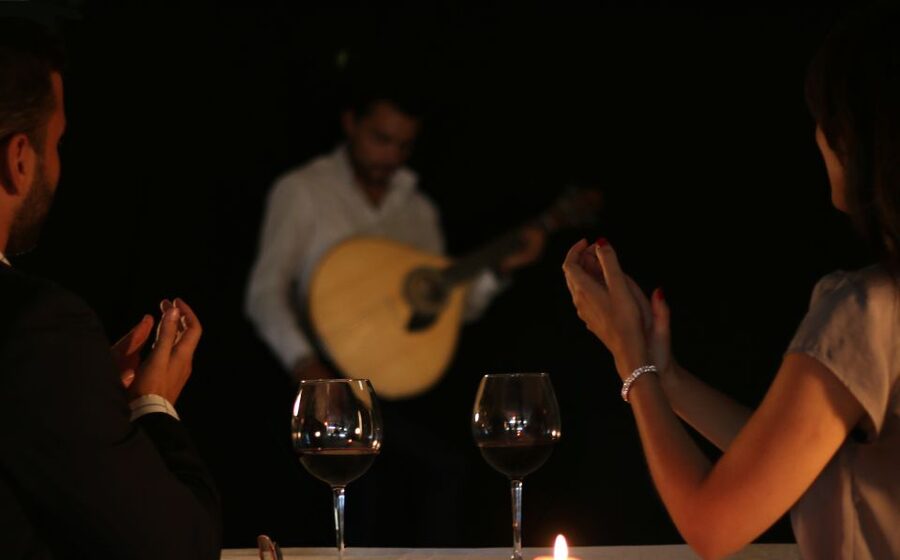
The route through these districts is one of the strongest parts of the experience. Chiado brings grand cafés and central Lisbon energy. Bica is known for its steep streets and old-fashioned character. Bairro Alto changes personality at night, with narrow lanes and small bars tucked behind plain facades.
That setting helps you understand why a tiny Fado house can feel more meaningful than a large dinner show designed mainly for sightseeing. The neighborhoods give the music a sense of place. You are walking through the same kind of urban fabric that made Fado a natural part of Lisbon’s evenings.
The terrain is not difficult for most people in a general sense, but Lisbon’s paving can be uneven and steep. Wear shoes you trust. This is not the night for thin soles or dress shoes that turn every cobblestone into a small personal crisis.
The route and exact stops may vary with the guide and evening arrangements. The advertised focus is on Chiado, Bica, and Bairro Alto, while some experiences described by participants also included parts of Alfama and a stop at the city’s old bookstore. Treat those extra details as possible additions rather than fixed promises.
Entering a traditional Fado house
The evening’s central event takes place in a small, typical Fado venue. The room is intended for listening, and the music is presented in sets rather than as a nonstop stage show. One account describes staying for three sets, with stories from the guide between performances.
That format gives the night a natural rhythm. You eat, listen, ask questions, and hear the room fall quiet when the singer begins. Fado works best when the audience pays attention, and these small settings make that easier.
The musicians and singers are close by. You are not watching from the back of a large auditorium, and reserved seating may place you near the front. That matters because the sound of the Portuguese guitar and the singer’s voice becomes immediate. You can see the concentration on the performers’ faces and notice how much the room depends on silence.
The venue may be famous within Lisbon’s Fado circle, but it is described as small and traditional rather than grand. That is an advantage for atmosphere, though it also means the room may feel tight. If you prefer open space, a large stage, and a predictable show format, this may not be your ideal evening.
The phrase everybody can sing points to the informal spirit of the event. It does not mean you will be required to perform. It means the experience aims to bring the audience and musicians closer together instead of treating you as a silent audience member at a formal concert.
Portuguese tapas, soup, and a drink
Food is included, and the selection is designed for sharing. You can expect:
- Portuguese cheese and bread
- Codfish cakes
- Sausage
- Caldo verde soup
- A drink
This is a useful way to sample several familiar Portuguese flavors without committing to a long restaurant meal. The codfish cakes are a classic snack, while caldo verde is a simple soup made for comfort. Cheese, bread, and sausage fit the relaxed tavern setting and give you something to eat during the performance.
The food has an important role, but it is not the main reason to book. Think of it as a traditional supper spread supporting the music. The portions may satisfy you after a light day of eating, but I would plan an earlier meal if you arrive very hungry.
A drink is included, and the experience has also been described with wine or sangria. Since the fixed information specifies a drink rather than a particular beverage, do not count on one exact option. If you want extra drinks, the guide may remain with the group and help with ordering, but additional purchases are not listed as included.
I like the way the food is introduced as part of the culture rather than treated as a separate tasting. Ana has been praised for explaining the cuisine, and the guides’ continued presence helps connect what is on the table with the city outside.
More fado nights around Lisbon:
- Lisbon: Fado Show with Wine in a Historic Venue
★ 4.8 · 1,294 reviews - Lisbon: Alfama Tour and Live Fado with Traditional Dinner
★ 4.4 · 970 reviews - Fado in Chiado – Live Show in Lisbon on Stage for over 15 Years
★ 4.5 · 638 reviews - Lisbon: Fado Night with Dinner in a Typical Fado House
★ 4.3 · 365 reviews
Why the guide matters so much
This tour rises or falls with the guide. The music venue supplies the performers, but the guide gives you the context that turns a pleasant night into a useful introduction to Fado.
Ana is repeatedly described as warm, funny, and deeply connected to the subject. Cristiana is praised for explaining the story of Fado, its musical form, and its leading figures. Cristina has been singled out for arranging a memorable evening and making the experience personal. Diogo is noted for his clear explanations during both the walk and the show.
João has also been praised for treating the group in a friendly, welcoming way and for explaining the area around the Fado venue. Other guides named in the feedback include John and Christiane. The exact guide is not guaranteed, but the pattern is clear: the experience depends on someone who can talk about Fado with more than textbook facts.
Some guides have a direct connection with the music. Several evenings included a surprise in which the guide sang Fado. That is not something I would treat as a guaranteed part of every booking, but it explains why the experience can feel unusually personal.
The guide also helps with practical matters inside the house. If you want another drink or need clarification about what is happening between sets, having the guide stay with the group is useful. You are less likely to feel lost in a traditional place where the customs may not be obvious to a first-time listener.
What makes the music feel authentic
Fado is often translated through themes of longing, fate, absence, and memory, but a good introduction should show more than a list of meanings. This experience places the music among the neighborhoods and people who gave it a home.
You learn about important figures from earlier periods and about Fado as it exists now. That present-day connection matters. The tour does not frame Fado as a museum piece preserved behind glass. It presents a living form that still belongs to Lisbon’s singers, guitarists, taverns, and regular audiences.
The setting also discourages passive listening. Your guide may explain the structure of the music, identify performers, and tell stories about the venue between sets. These details help you hear differences in the songs instead of treating every performance as one long, sad melody.
The small room can also make the music feel more exposed. There are fewer distractions, and the audience is close to the performers. If you enjoy quiet, intimate concerts, this is a strong match. If you want dancing, a party atmosphere, or a show with subtitles and a formal program, choose a different type of evening.
Is $68 a fair price?
At $68 per person, the price is reasonable if you value the guide and the reserved cultural access as much as the food. You are paying for a private guide, a small group, the walking introduction, admission to the Fado show, tapas, and a drink.
A standalone Fado performance might cost less, but it would not necessarily include the neighborhood walk or an English-speaking guide who explains what you are hearing. A dinner show might offer more food, yet it could feel more arranged for visitors and less connected to a small local venue.
The group limit of 10 is important to the value. A guide can answer questions, keep the group together on narrow streets, and remain involved at the venue. With a much larger group, the walking explanations and front-row access would likely feel less personal.
I would compare this price with the cost of arranging a Fado evening on your own. You would need to choose a venue, understand the schedule, find a table, and learn enough background to follow the performance. This tour packages those pieces into one night. You are still paying a premium for convenience, but the premium is easier to justify for a first visit to Lisbon.
Who should book this evening?
I would recommend it for a first-time visitor who wants an introduction to Fado without spending the evening at a large tourist production. It also suits solo visitors and couples who like small groups, local stories, and a guided cultural setting.
It is a good choice if you have only one night in Lisbon. Cristina’s evening was specifically praised as a way to experience Fado when time was short, and the 3.5-hour length gives you a substantial night without taking over an entire day.
Music lovers should pay attention to the guide options when booking, if names are shown. Ana and Cristiana are especially associated with personal passion for Fado, and several accounts describe Cristiana singing during the evening. Still, the listing does not promise a specific guide or a guide performance, so book for the format rather than one individual.
Families with very young children may find the late, quiet concert format less suitable, though no age restriction is provided. People with mobility concerns should also consider the steep, cobbled streets. The only stated preparation is comfortable footwear, so ask the operator directly if you need more detailed accessibility information.
You should also know that the evening is conducted in English. That makes the explanations accessible to English-speaking visitors, but the songs themselves remain in Portuguese. The guide can help you understand their meaning, but Fado is heard in its original language.
Booking details worth knowing
The meeting point is Café A Brasileira in Baixa Chiado, and the activity returns there at the end. The tour lasts 3.5 hours, but starting times vary, so check the available departure when choosing your date.
Free cancellation is offered up to 24 hours before the activity for a full refund. You can also reserve now and pay later, which is useful if your Lisbon plans are still shifting.
The overall rating is 4.8 from 145 reviews, with particularly strong praise for the guides, intimate venue, music, and personal surprises. I would place most weight on those points, since they are the parts that make this more than a standard dinner with background entertainment.
Should you book the Lisbon Fado Vadio Tour?
Book it if you want Fado explained by a local guide, heard in a small traditional house, and paired with a walk through the neighborhoods that shaped Lisbon’s musical life. The combination of music, stories, tapas, and a small group gives you a clear introduction in one evening.
Skip it if your priority is a substantial dinner, a large-scale concert, or a fixed itinerary with guaranteed sights and a named performer. For everyone else, $68 is a fair price for a carefully arranged night, especially if Lisbon is new to you and you want something more personal than a standard show.
FAQ
Where does the Fado tour begin?
Meet your guide at Café A Brasileira in Baixa Chiado. The guide will be wearing yellow.
Where does the activity end?
The tour ends back at the original meeting point at Café A Brasileira.
How long does the experience last?
The activity lasts 3.5 hours. Starting times vary, so check availability for your chosen date.
What food is included?
The included Portuguese tapas consist of cheese, bread, codfish cakes, sausage, and caldo verde soup. One drink is also included.
Is the Fado show included in the price?
Yes. Entrance to the Fado show and the necessary tickets are included.
What language is the tour conducted in?
The live guide speaks English.
How many people are in the group?
The group is limited to 10 participants.
What should I bring?
Bring comfortable shoes for walking through Lisbon’s historic neighborhoods and over cobbled streets.
New around Lisbon
- Arrábida, Setúbal, Sesimbra, Olive with wine tasting★ 5.0 · 75 reviews
- Lisbon: Sunset Sailing Boat Cruise with Wine★ 5.0 · 75 reviews
- Lisbon Half Day Private Tour★ 5.0 · 75 reviews
- Private Half Day Tour to Fatima from Lisbon★ 5.0 · 75 reviews
- Fátima, Nazaré and Óbidos Private Tour from Lisbon★ 5.0 · 76 reviews
- Central Lisbon 3-Hour Guided E-Bike Tour★ 4.8 · 76 reviews
- Lisbon Historic City Tour by Tuk-Tuk★ 5.0 · 76 reviews
- Sintra World Heritage and Cascais Village Private Deluxe Tour★ 5.0 · 76 reviews
Fado Shows, compared.
Live Fado Show with Port Wine in Historic Center
Read our review →

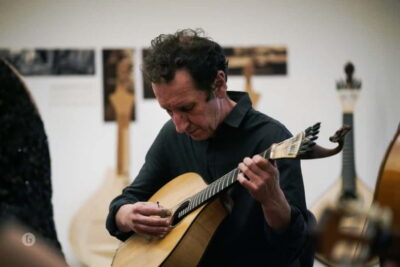
Authentic Fado Show, Port Wine & Handmade Instruments
Read our review →
Live Fado Concert with Glass of Tawny Port Wine
Read our review →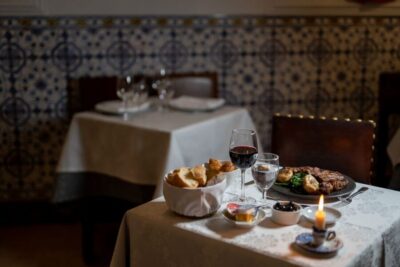

Browse the lists this tour appears in