Reviewed · ALGARVE TOURS
Cork Factory Tour & Cork Shop
Portugal’s cork story becomes much clearer when you see the rough bark being cut, graded, boiled, and flattened in front of you. This 70-minute Eco-Cork Factory visit goes beyond wine stoppers, showing how one natural material becomes bowls, accessories, and many other products.
I like the live cutting demonstrations and the chance to ask questions instead of simply watching a fixed presentation. I also like the small shop, where you can compare factory prices with those in town. The main drawback is transport: there is no public transportation to the factory, and the tour does not include hotel pickup.
Key points before you book
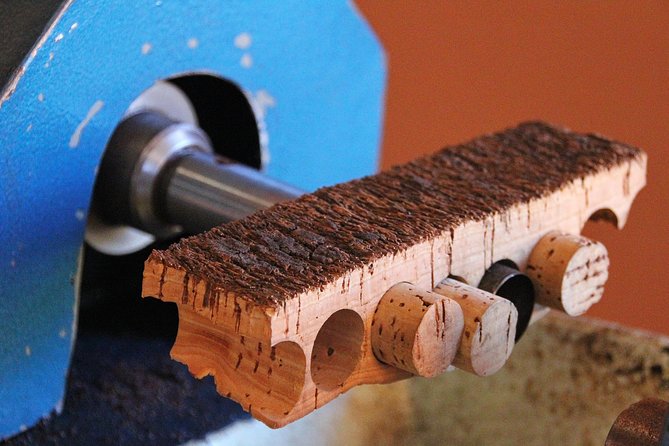
- Watch cork being cut and graded: Skilled workers demonstrate how large and small pieces are assessed and prepared.
- Learn what happens after harvest: The tour covers boiling, flattening, sorting, and the many grades of cork.
- Expect an indoor factory visit: You will not go into a cork grove as part of the standard tour.
- English guidance is provided: Elena is praised for clear explanations, while other staff demonstrate their craft.
- Allow time for the shop: The small on-site store sells cork gifts and practical items.
- Plan your own ride: The factory is outside the easy reach of public transport, and transfers are not included.
Why this short Faro tour is worth your time
Cork is easy to overlook. Most people know it as the thing pulled from a wine bottle, but Portugal’s cork trade reaches far beyond stoppers. This tour gives you a close look at the work behind that familiar material, from raw bark to finished product.
The price is about $21.17 per person, which is fair for a guided factory visit lasting roughly one hour and ten minutes. You are paying for access, explanations, demonstrations, and the chance to see working equipment and skilled handwork. It is not a full-day agricultural outing, and it does not include food, drinks, or transport, so keep the price in that context.
The experience has earned a 4.6 rating from 150 reviews, with 91 percent recommending it. The strongest praise centers on the guides, the clear account of cork production, and the live demonstrations. Those are the parts that give the tour its value.
A few other Faro half-days worth a look
- 4 Stops | 3 Islands & Ria Formosa Natural Park – From Faro
★ 5.0 · 3,080 reviews - From Faro: Benagil Cave, Marinha Beach, Algar Seco & More
★ 4.7 · 2,027 reviews - Ria Formosa – Boat trip to the 3 Islands: Armona | Culatra Island | Lighthouse
★ 5.0 · 1,872 reviews
Getting to Eco-Cork Factory near Faro
The meeting point is Eco-Cork Factory, also shown as Eco-Fábrica de Cortiça, at Francisco Carrusca, Sítio da Mesquita Baixa, 8150-048, Portugal. The tour starts at 11:30 in the morning and ends at the same place.
This is the detail I would sort out before booking. One direct account notes that public transportation does not reach the factory, and the tour does not provide hotel pickup or drop-off. You need to arrange your own transport and allow enough time to arrive before 11:30.
The meeting point should be easy to identify once you reach the address, but do not treat this as a central Faro walking tour. It is a factory visit at its own premises. If you are building a day around it, confirm your driving or taxi plan first.
The group can reach up to 30 people. That is a manageable size for a working-site visit, but it may feel crowded during a demonstration, especially if everyone gathers around one worker. One person found that a larger group made the guide hard to hear, so standing near the presenter is a sensible move.
The opening lesson: from tree bark to useful material
The first part explains where cork comes from and how it is collected. You learn about the cork oak, the removal of its bark, and the markings used on trees. One detailed account also connected painted numbers and letters on the trees with the cork trade, which adds useful context if you have already seen cork trees in the Algarve.
The bark is removed without cutting down the tree. That fact alone changes how you look at a cork oak. The tour explains the labor involved in taking the bark, assessing it, and preparing it for later use.
Do not expect to walk into a cork field during this activity. The factory tour focuses on processing, not harvesting in the grove. One person appreciated the factory but wished the visit had included firsthand harvesting. If you want both parts, you would need a separate cork farm experience.
A short video may form part of the introduction, followed by live explanations from the guide. Elena is specifically praised for speaking clearly and explaining the manufacturing process in an easy way. The guide’s role matters here because cork production involves several stages that are not obvious when you see only the finished product.
Seeing workers cut, sort, and grade cork
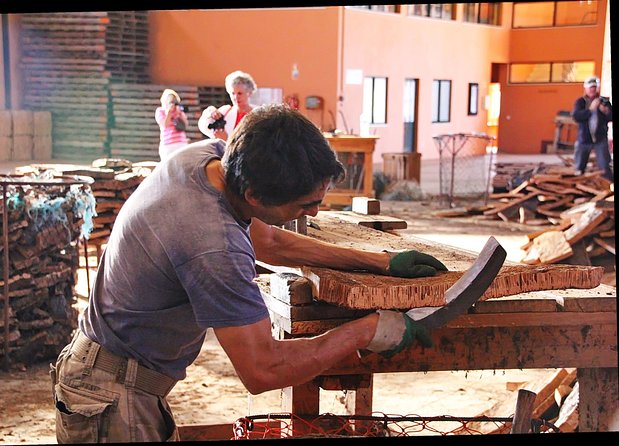
The most useful part of the visit is the factory floor. You may see a worker trimming large and small pieces of bark, checking their quality, and sorting them by grade. The grading system helps explain why some cork is suitable for bottle stoppers while other pieces are better for boards, decoration, or crafted goods.
This is not just a machine show. Several demonstrations focus on hand skills. A worker may show how cork is cut, and some groups are given a chance to try cutting a piece themselves. That small hands-on moment makes the material less abstract, especially for children.
A striking detail is the knife sharpening demonstration. One account praised the staff member’s skill with sharpening tools, along with the careful cutting and grading of cork. You are seeing a trade that depends on judgment and steady manual work, not only factory equipment.
The pace is fairly brisk, but the guide leaves room for questions. I would use that time. Ask how grades differ, which products use the best material, and how raw bark changes after treatment. The tour is strongest when you treat it as a conversation rather than a lecture.
Same coastline, a completely different day out:
- Ria Formosa Natural Park and Islands Boat Cruise from Faro
★ 5.0 · 1,314 reviews - 2 Stop | 2 Islands & Ria Formosa Natural Park – From Faro
★ 5.0 · 1,045 reviews - Faro: Deserta Island and Farol Island Catamaran Boat Trip
★ 4.6 · 955 reviews - From Faro: Benagil, Algar Seco, 7 Hanging Valleys, & Marinha
★ 4.9 · 890 reviews
The vats, boiling process, and flattened sheets
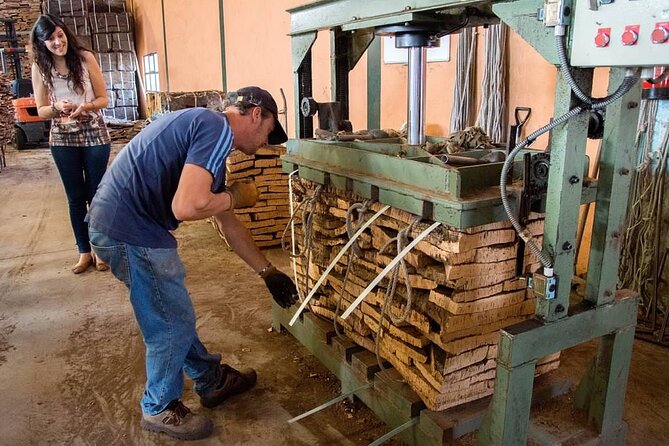
The factory also gives you a look at large water vats where the cork is boiled. This stage helps prepare the bark for later use, and the material is then flattened for sale and further processing.
For me, this is the step that turns a simple souvenir into an industrial product. A cork hat or wallet may look light and delicate in a shop, but the factory process involves heavy raw material, water, heat, sorting, and repeated handling.
The explanations cover the various grades and the different jobs cork can perform. The point is not simply that cork is natural. You learn why certain pieces are selected for certain products and how quality affects the finished result.
Most of this is an indoor experience, which can be useful in hot Algarve weather. It also means the tour remains focused on manufacturing rather than scenery. On a rainy day, the noise of heavy rain on the building may make the guide hard to hear, so choose a calmer day if your schedule allows.
More than wine stoppers
The tour spends plenty of time on stoppers, since that is one of cork’s best-known uses. Still, the wider lesson is that cork can be shaped into many other items.
The guide explains how different grades and forms of cork suit different purposes. You might see or discuss household pieces, accessories, decorative goods, and other products made from the material. The exact stock on display can change, but the shop helps connect the factory process with finished objects.
This part is especially good for families. Children can see a natural material being handled, cut, and sorted, rather than simply hearing a talk about sustainability. The chance to make a cut under supervision, when offered, gives them something concrete to remember.
The experience also gives you a better sense of Portugal’s cork economy. Cork is not a novelty item made only for tourists. It supports skilled work and small businesses, and the tour presents that local connection directly.
The Cork Shop: useful souvenirs, not just trinkets
The visit ends at the Cork Shop in the same location. It is small, so do not expect a huge retail hall, but it offers a selection of cork goods and makes a convenient final stop after the factory demonstration.
Several people found the shop’s quality good, with prices lower than those in local shops. That makes it a practical place to buy a gift or test whether a cork product feels well made before purchasing. You can also ask about the material and compare different finishes.
I would wait until after the tour to shop. Once you understand the grades and the work involved, the products make more sense. You can also avoid buying the first cork item you see elsewhere in Faro, then wondering if the factory has a better choice.
The shop is not included as a separate shopping excursion. It is part of the factory visit, and the available range may be limited. If you want a large selection, this may not satisfy you. If you want a few well-chosen souvenirs after seeing how they are made, it fits the bill.
What the guide and demonstrations add
A good factory tour depends heavily on the person leading it. Here, Elena is singled out for clear English and a personable approach. Other staff members provide the working demonstrations, including cutting, grading, and sharpening.
That mix works well. The guide gives you the wider picture, while the workers show the exact movements needed on the floor. You are not left with only a video or a row of finished products.
The tour is designed for questions, and I would take advantage of that. If you are curious about harvesting, ask about the tree stage. If your interest is in products, ask about grades and processing. The staff are described as proud of their work and willing to explain it.
There are a few limits. The group can hold up to 30 people, and the building may not have the polished feel of a visitor center. One person found the premises rather plain and wished the tour had ended in a more comfortable room with a drink. Food and drinks are not included, so plan accordingly.
Who should book this experience
I would recommend this tour to you if you enjoy practical industry visits, local crafts, or short educational stops. It works well for families, first-time visitors to Portugal, and anyone who has already seen cork oaks but wants to understand what happens next.
It is also a good match for people who prefer a focused activity. At about an hour and ten minutes, it does not consume an entire day. You can fit it around other plans in the Faro area, provided you have sorted out transportation.
You may want to skip it if you expect a countryside walk, a cork harvest demonstration in the trees, or a polished museum setting. The standard experience stays indoors at the factory, and its strongest moments come from the explanations and working demonstrations.
People with mobility needs should note that the activity says most participants can take part, service animals are allowed, and child seats are available if requested at booking. Since the factory is an operating site, it is wise to state any needs when you reserve rather than assume every arrangement is automatic.
Timing, price, and practical value
The 11:30 start is convenient for a late breakfast or an early morning in Faro. The tour ends at the factory, so you remain responsible for the next leg of your day.
At $21.17, the cost is reasonable if you value access to a working cork facility and clear instruction. It is less attractive if you are mainly looking for a free shop visit or a countryside drive. The ticket includes the Eco-Cork factory visit and the Cork Shop, but not food, drinks, or transfers.
Confirmation is provided when you book. You can cancel for a full refund if you do so at least 24 hours before the local start time. Changes or cancellations inside that window are not accepted for a refund.
My call: a worthwhile short stop with one clear warning
I would book this Cork Factory Tour if I were curious about Portuguese cork and had a car or a reliable ride to the factory. The live cutting and grading make it more useful than a simple product display, and Elena’s clear English explanations help turn a short visit into a solid lesson.
Go in expecting a working factory, not a cork forest excursion. Arrange transport, arrive ready to stand near the guide, and allow a few extra minutes for the shop. With those expectations, the tour offers good value and a memorable look at one of Portugal’s most distinctive natural industries.
FAQ
Where does the Cork Factory Tour start?
It starts at the Eco-Cork Factory, also called Eco-Fábrica de Cortiça, at Francisco Carrusca, Sítio da Mesquita Baixa, 8150-048, Portugal.
What time does the tour begin?
The scheduled start time is 11:30 am.
How long does the experience last?
The tour lasts approximately 1 hour and 10 minutes.
Is the tour offered in English?
Yes. English is the listed language, and Elena is specifically noted for clear English explanations.
Does the price include transportation?
No. Hotel pickup and drop-off are not included, and the activity does not provide transportation to or from the factory.
Will I visit a cork forest or see bark harvested from a tree?
The included activity is a visit to the Eco-Cork factory and Cork Shop. A cork grove or firsthand harvesting is not listed as part of the standard tour.
Are food and drinks included?
No. Food and drinks are not included.
Can I cancel for a full refund?
Yes, if you cancel at least 24 hours before the local start time. Cancellations or changes made less than 24 hours before the experience are not accepted for a refund.
New around Faro
- 2-hour Bird Watching Guided Boat Trip in Ria Formosa from Faro Algarve★ 4.5 · 75 reviews
- Faro – Ria Formosa tour with visit to 2 islands (Deserta, Farol) 3.5 hours★ 5.0 · 78 reviews
- Highlights & Hidden Gems of Faro Private Tour★ 5.0 · 78 reviews
- Olhão: Ria Formosa 3 Islands Guided Day Trip by Boat★ 4.6 · 84 reviews
- From Faro: Ria Formosa Eco Tour guided by Marine Biologist★ 5.0 · 87 reviews
- From Faro: Benagil, Marinha Beach, 7 Hanging Valleys, Algar Seco★ 5.0 · 88 reviews
- From Faro : Benagil, Algar Seco, 7 Hanging Valleys & Navy★ 5.0 · 92 reviews
- Boat trip from Faro to Ilha Deserta by Ferry★ 4.5 · 97 reviews
Algarve Tours, compared.
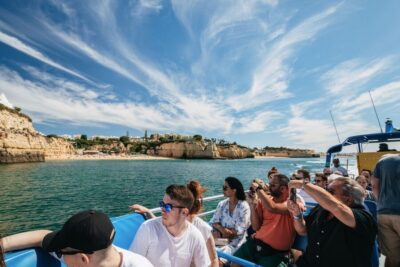
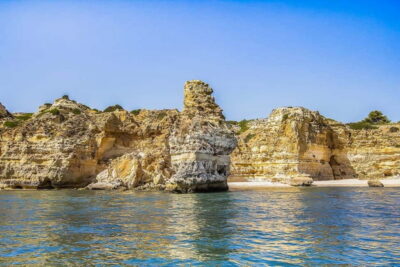
Benagil Caves Speed Boat Tour with Sunset Option
Read our review →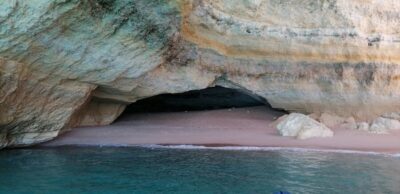

Benagil Caves & Dolphin Watching Speed Boat Tour
Read our review →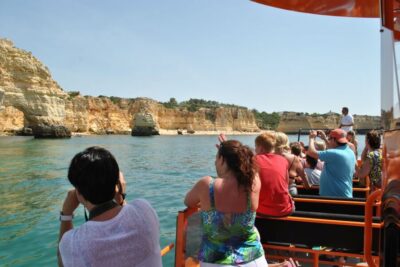

Dolphins Search and Benagil Caves from Albufeira
Read our review →
Coastline and Benagil Caves Tour by Catamaran
Read our review →