
Reviewed · CANYONING & GORGES
Azores: Canyoning in Salto do Cabrito
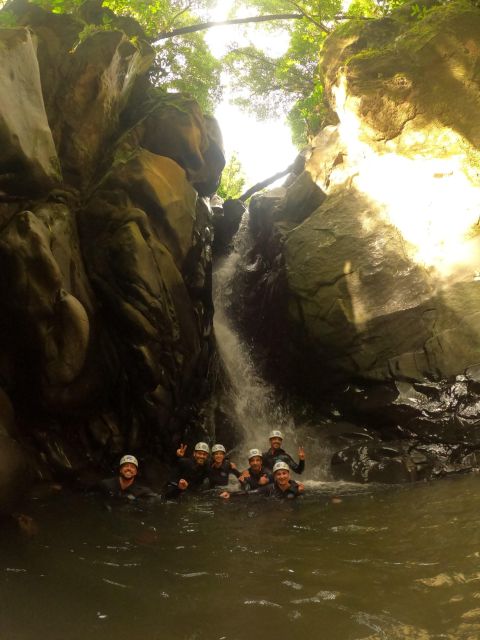
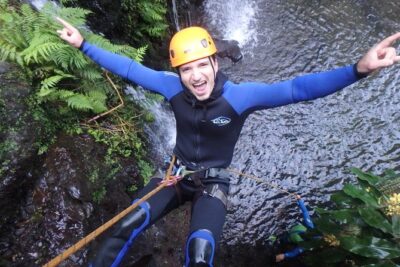
Salto do Cabrito gives you a close-up look at São Miguel’s volcanic interior, one rappel and waterfall at a time. Over four hours, you walk into the canyon, clip into a harness, and descend through wet rock and thick green growth, with a zip-line and optional three-meter jump adding extra nerve-testing fun. The canyon itself is the star, not just the adrenaline.
I like the careful way the activity builds up, with equipment checks and two safety briefings before the main descent. I also like the choice built into the course: you can attempt the jumps and zip-line, or skip them without missing the heart of the experience. Guides such as Inés, Rodrigo, Diogo, Ricardo, Claudio, and João have been praised for calm instructions and steady encouragement.
The main consideration is physical. You should be comfortable walking over slippery rocks, muddy slopes, and uneven ground, and you may feel the height on rappels of up to 16 meters. This is beginner-friendly, but it is not a gentle nature walk.
Key points at a glance
- Four hours at Salto do Cabrito: The activity starts and ends near the waterfall, with about 30 minutes of walking before the canyon descent.
- Rappels from 4 to 16 meters: You’ll lower yourself down several waterfalls and rock sections under guide supervision.
- Optional thrills: A zip-line and a jump of roughly three meters may be offered, but you can opt out.
- Made for first-timers: You do not need canyoning experience or strong swimming skills, though you must feel comfortable in water.
- Small-group option: Smaller groups can make instructions and encouragement more personal.
- Useful inclusions: Wetsuit, socks, helmet, boots, harness, insurance, and photos and videos are included.
Why Salto do Cabrito works so well for canyoning
Salto do Cabrito is near Ribeira Grande and Caldeira Velha on São Miguel Island, about a 20-minute drive from Ponta Delgada. The setting combines waterfalls, volcanic rock, running water, and dense plant life, giving the activity a stronger sense of place than an artificial adventure park.
You are not simply walking to a platform and stepping off. The canyon changes with the season. Water flow, rock conditions, and the exact sequence of jumps or rappels can vary, so the guides adjust the route to local conditions. That keeps the experience tied to the real terrain, though it also means you should not expect every departure to follow the same exact sequence.
The activity is aimed at most ability levels, including beginners. That does not mean it requires no effort. You need a moderate to good level of fitness for the approach walk and for moving across unstable ground. The reward is a more direct experience of São Miguel’s volcanic waterways, with plenty of action along the way.
More canyoning trips around Portugal:
- Canyoning Madeira Island – Level One
★ 5.0 · 1,362 reviews - Canyoning in Madeira Island- Level 1
★ 5.0 · 1,125 reviews - From Funchal: Intermediate (Level 2) Canyoning Adventure
★ 4.9 · 1,111 reviews
Meeting at the waterfall and getting ready
You meet at the Salto do Cabrito parking lot in Ribeira Grande if you arrange your own transport. The activity also offers pickup and return within Ponta Delgada when that option is selected and available. Pickup is generally around 8:50 to 9:10 a.m. from November through March, and around 8:20 to 8:40 a.m. from April through October.
At the meeting point, the guides distribute your canyoning equipment. You receive a harness, wetsuit, socks, helmet, and canyoning boots, with insurance and photos and videos included in the price. Wear swimwear beneath the wetsuit and bring a towel for afterward.
The first briefing covers safety and equipment use. This matters, especially if you have never rappelled before. The guides need to explain how to position your body, manage the rope, and listen for instructions before you reach the first obstacle. English and Portuguese are available.
Allow a little patience at this stage. Getting the right equipment fitted takes time, and a good fit matters more than rushing into the canyon. Bring comfortable clothes for before and after the activity, a hair tie if needed, personal medication, and a reusable water bottle. Comfortable shoes are also listed among the recommended items, though the canyoning boots are supplied for the activity itself.
The 30-minute walk into the canyon
After changing and receiving the initial briefing, you walk for about 30 minutes to reach the canyoning section. This approach is part of the outing, not a separate scenic stroll. Expect uneven terrain, slippery rocks, muddy slopes, and some small uphill and downhill scrambles.
For someone in average shape, the walk should be manageable, but it is worth treating it as part of the physical demand. Good footwear and careful steps will help. You might find the approach more tiring after rain or during a period of higher water flow, since the surface can be slick.
The walk also gives you time to get comfortable with the group and guides before the technical part begins. At the canyon entrance, you receive another briefing with more specific instructions. This second explanation is useful because the techniques make more sense when you can see the actual rock and water ahead of you.
Rappelling down waterfalls from 4 to 16 meters
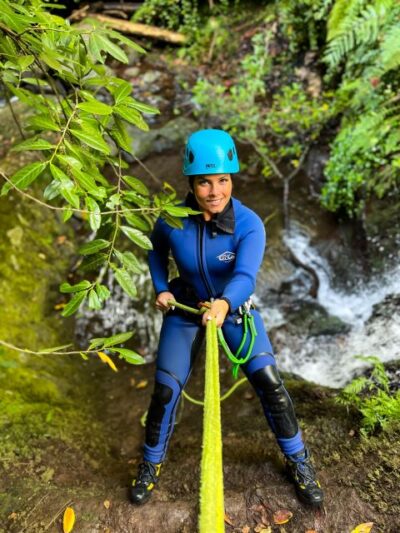
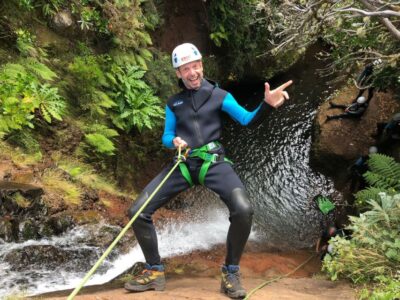
The main event is a series of rappels ranging from about 4 to 16 meters. You move down rock faces and waterfalls while secured by ropes and guided by the instructors. The highest rappel is around 16 meters, enough to feel genuinely exciting without turning the whole outing into an extreme expedition.
Your first rappel may be the point where nerves rise. The basic technique is simple to understand, but standing at the edge and leaning back over a drop is another matter. Several people with no previous canyoning experience have found the activity manageable, especially because the guides explain each step and offer help when someone hesitates.
The best advice is to listen closely and move at the guide’s pace. You do not need to prove anything by rushing. The instructors can help you work through a difficult section, and the activity allows you to take part without treating every obstacle as a test of courage.
You should still be honest about your comfort level. One participant described being afraid of heights but completing the course with help from the guides. That points to the right expectation: the guides can support you, but you will still need to face the height and physical movement yourself.
A few other Portugal half-days worth a look
- Islet Tour- Ilhéu de Vila Franca do Campo
★ 4.8 · 471 reviews - Ponta Delgada: São Miguel Buggy Tour Around Sete Cidades
★ 5.0 · 210 reviews - Vila Franca Islet: Around The Islet Guided Boat Tour
★ 4.7 · 159 reviews - Boat Trip to Corvo and Island Sightseeing Tour
★ 4.8 · 141 reviews
Choosing the zip-line and three-meter jump
The course can include a zip-line and an optional jump of approximately three meters. These features add variety to the rappels and give you a chance to choose your preferred level of excitement.
The jump is not compulsory. If you would rather rappel or move through the section another way, you can opt out. That flexibility is one of the activity’s best features for mixed groups, since one person can chase the bigger thrill while another takes the more cautious route.
The zip-line offers a different kind of sensation from the waterfall rappels. Instead of controlling a descent down rock, you glide across a section of the canyon in a more direct burst of speed. Exact options depend on water, terrain, and seasonal conditions, so the advertised elements should be treated as likely possibilities rather than a fixed promise for every departure.
Guides have been praised for making people feel safe and for encouraging hesitant participants without pressuring them. That balance matters. The activity is at its best when you choose the challenge because you want it, not because you feel pushed into it.
Water, volcanic rock, and changing conditions
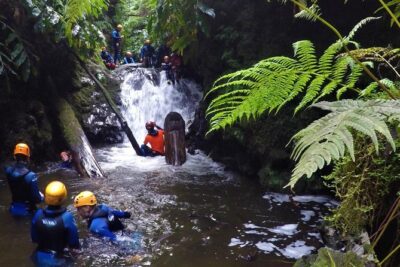
The canyon’s appeal comes from its setting as much as its obstacles. You pass waterfalls and move through a volcanic area covered in thick plant life. Clear water, dark rock, dripping surfaces, and the sound of falling water create a strong contrast with the more familiar sightseeing stops around São Miguel.
Conditions change through the year. Water flow can affect the route, and the precise set of jumps, rappels, and other techniques may be adjusted. That is a practical safety measure, not a flaw, but it means you should stay flexible.
You do not need to know how to swim. You do need to be comfortable in water, and you should tell the operator if you are not a swimmer. The supplied wetsuit helps keep you warm, but you will still get wet and should not plan another activity immediately afterward unless you have enough time to dry off and change.
The photos and videos are a useful extra. Canyoning leaves your hands busy and your attention fixed on ropes and rocks, so having the activity documented saves you from trying to carry a phone into the water. Bring your own camera only if the operator specifically permits it and you can keep it secure.
Guides make the difference for beginners
This activity depends heavily on the guides. Names associated with especially strong departures include Inés, Rodrigo, Diogo, Ricardo, Claudio, and João, though the exact team can vary. The most important qualities are patience, clear explanations, and the ability to keep the group moving without making nervous participants feel embarrassed.
First-timers can expect repeated instructions at the technical points. Guides have helped people through moments of fear, explained each stage of the rappels, and kept the mood friendly. A little humor is useful here, since standing above a waterfall in a harness can make even a confident person rethink the plan.
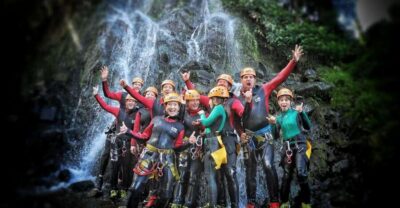
Small groups are available and are worth considering if you want more individual attention. Group size can affect how long you wait at each station and how much time the guide has to help you personally. The four-hour duration includes preparation, walking, and the descent, so the pace may vary depending on the group.
Is $111 a fair price?
At $111 per person, this is not the cheapest way to spend half a day in São Miguel. It is a reasonable value if you want a fully organized canyoning experience rather than arranging technical equipment, transport, insurance, and instruction separately.
The price includes accredited guides, all essential canyoning gear, insurance, and photos and videos. Optional hotel pickup and drop-off within Ponta Delgada can make the cost easier to justify, especially if you are not renting a car. If you drive, the parking-lot meeting point keeps the arrangement simple.
The value also comes from the range of activity. You get a walk into the canyon, several rappels, waterfall sections, possible jumps, a zip-line, and professional support in one four-hour outing. It is a better fit for someone seeking an active highlight than for someone who only wants to see Salto do Cabrito from a viewpoint.
Free cancellation up to 24 hours before the activity and the reserve-now, pay-later option add useful flexibility. Still, I would book for a day when you are not already worn out from a long hike or another strenuous excursion.
Who should book, and who should skip it
I would recommend this to active adults and teenagers aged 14 or older who want a physical challenge with clear support. It suits couples, friends, and families with older children, especially when some people are new to canyoning but willing to try rappelling.
You should be comfortable with wet clothing, uneven ground, and heights. You do not need prior canyoning experience, and you do not need to be a swimmer, but you should have a moderate to good fitness level.
The activity is not suitable for children under 14, pregnant women, people with mobility impairments, people with heart problems, or people with back problems. There are also limits of 120 kilograms in weight and 120 centimeters in height, plus a minimum weight of 20 kilograms.
If you are looking for a relaxed waterfall visit, choose a simpler outing instead. If you like the idea of being nervous at the top of a rappel and pleased with yourself at the bottom, this is a strong match.
What to bring and how to prepare
Keep your packing simple:
- Swimwear to wear under the wetsuit
- Towel and comfortable clothes for afterward
- Comfortable shoes
- Hair tie
- Personal medication
- Reusable water bottle
Do not arrive expecting to stay dry. Wear clothing that you can change out of easily, and keep valuables to a minimum. The activity provider supplies the technical equipment, so you do not need to bring a harness, helmet, boots, or wetsuit.
I would also eat something light beforehand. The activity involves walking and repeated physical effort, but the available information does not specify food or drink being provided. If you are prone to feeling cold, remember that you will spend time in water despite the wetsuit.
Should you book Salto do Cabrito canyoning?
Book it if you want one of São Miguel’s most active nature experiences, particularly if you are new to canyoning and want guides who can explain the ropes without making you feel out of place. The optional jumps, zip-line, and range of rappels let you set your own level of adventure.
Skip it if slippery ground, cold water, heights, or a moderate fitness requirement sound unpleasant. At $111, the experience earns its price through equipment, instruction, insurance, documentation, and access to a real volcanic canyon. For an adrenaline-minded day on São Miguel, it is a well-balanced choice with enough flexibility for cautious beginners.
FAQ
Where does the canyoning activity take place?
It takes place at Salto do Cabrito near Ribeira Grande on São Miguel Island in the Azores. The meeting point is the Salto do Cabrito parking lot.
How long does the experience last?
The activity lasts about four hours, including equipment distribution, safety briefings, the walk to the canyon, and the descent.
Is hotel pickup available?
Pickup and drop-off can be arranged within the city of Ponta Delgada if that option is selected and available. For accommodation outside Ponta Delgada, contact the provider in advance.
What time is pickup?
In low season, from November through March, pickup is approximately between 8:50 and 9:10 a.m. In high season, from April through October, it is approximately between 8:20 and 8:40 a.m.
Do I need canyoning experience?
No. The activity is suitable for beginners, and accredited guides provide safety briefings and instructions. You should still have a moderate or good fitness level.
Do I need to know how to swim?
No, but you must be comfortable in the water. Tell the provider if you do not know how to swim.
What equipment is included?
The provider supplies a harness, wetsuit, socks, helmet, and boots. Insurance, accredited guides, and photos and videos are also included.
Are the jumps required?
No. The approximately three-meter jump is optional, and you may also choose whether to take part in other features such as the zip-line, depending on the route and conditions.
Who cannot take part?
The activity is not suitable for children under 14, pregnant women, people with mobility impairments, heart problems, or back problems. It also has limits of 120 kilograms in weight, 120 centimeters in height, and 20 kilograms minimum weight.
New around Portugal
- Exclusive Boat Tour to the Benagil Caves★ 5.0 · 74 reviews
- Surf’s Up in Albufeira: Learn to Ride the Waves★ 5.0 · 74 reviews
- Lisbon: Kayaking and snorkeling in Sesimbra with photos!★ 5.0 · 74 reviews
- Porto: City Bike Rental★ 4.6 · 75 reviews
- Arrábida, Setúbal, Sesimbra, Olive with wine tasting★ 5.0 · 75 reviews
- Private 4×4 Jeep Full Day Porto Moniz or Santana★ 5.0 · 75 reviews
- Douro Valley: Quinta do Tedo Wine Experience with Picnic★ 4.8 · 75 reviews
- Lagoa: Dolphins Expedition with biologist guide on board★ 5.0 · 75 reviews
Canyoning & Gorges, compared.
Browse the lists this tour appears in