
Reviewed · CRUISES & BOAT TOURS
Lisbon: Tagus Estuary Nature Reserve Birdwatching Boat Tour
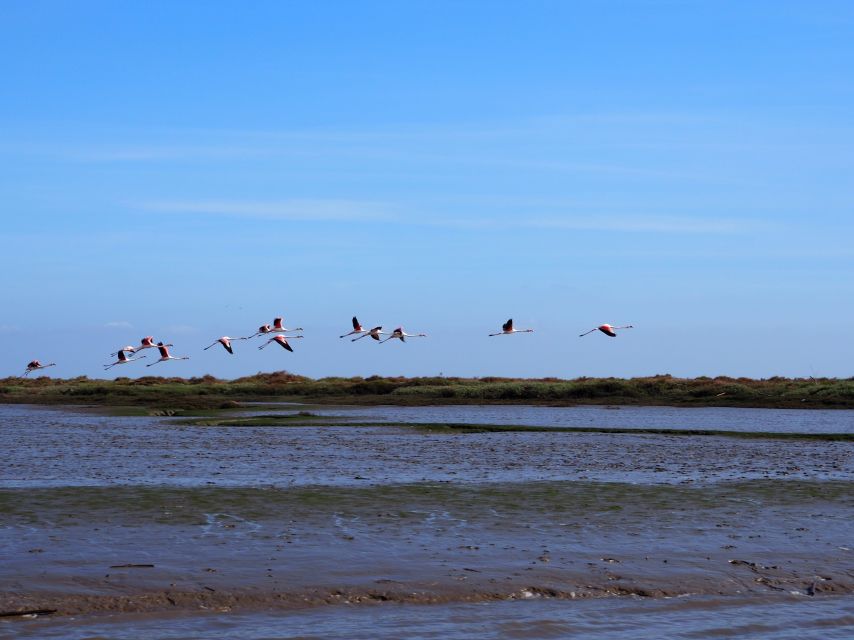
Just outside Lisbon, the Tagus Estuary opens into mudflats, channels, and shallow water where birds gather by the thousands. A three-hour boat trip with Captain Carlos Cera takes you from Parque das Nações into this surprisingly wild corner of Portugal, often with flamingos, spoonbills, ibis, herons, and birds of prey in view.
I like two things right away: the small group of no more than 10 people, which makes bird spotting far easier, and Carlos’s habit of working with the tides rather than simply cruising in a straight line. The main consideration is that wildlife is never guaranteed. Tide, fog, wind, and season all shape what you see, and summer can be quieter than winter.
Key points to know before you book
- A major wetland beside Lisbon: The Tagus Estuary Nature Reserve covers about 14,000 hectares and has recorded around 200 bird species.
- Carlos Cera guides the trip: He identifies birds, explains their behavior and migration, and adjusts the route to suit conditions.
- Winter brings the biggest numbers: Regular winter counts reach about 120,000 birds, while 12,000 flamingos were counted in the estuary in 2024.
- A tide-sensitive experience: Exposed mudflats can attract feeding waders, so checking the tide may help you choose a stronger departure time.
- Binoculars and safety gear are supplied: You receive binoculars and wear a life vest, though bringing your own optics can still be useful.
- An easy city break from the city: The meeting point is near the Onda Luso-Americana artwork at Parque das Nações, reached by metro according to tour participants.
Why this estuary trip changes your view of Lisbon
Lisbon is often presented through tiled streets, hilltop viewpoints, grand plazas, and the riverfront. Those are good reasons to visit, but the Tagus also offers a quieter side that many city itineraries miss.
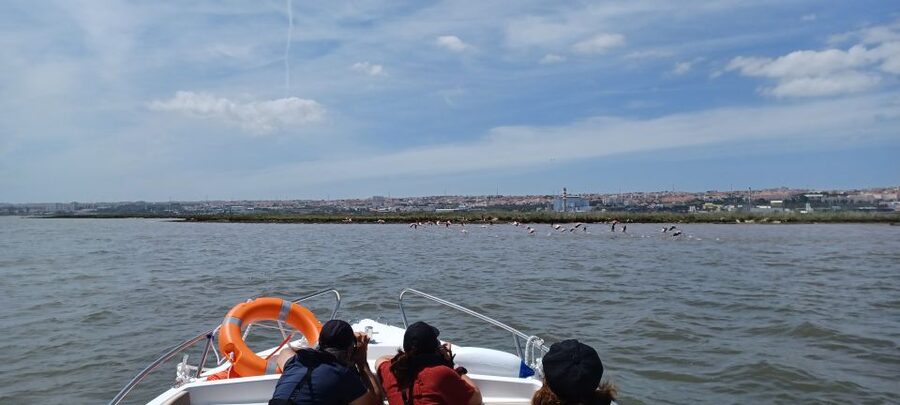
The estuary is the largest in western Europe, and its broad water channels reach surprisingly close to the modern buildings of Parque das Nações. Within a short boat ride, cranes, bridges, apartment blocks, and the city skyline give way to mudflats and low islands where birds feed and rest.
That contrast is the real pleasure. You do not need to spend a full day traveling into the countryside to find open space. The boat takes you from a major urban district into a protected wetland in roughly the same outing.
I especially like this for a second or third day in Lisbon. After walking steep streets and crowded sights, three hours on the water feels calm and unhurried. It is also a good option if you want an outdoor activity without a long hike. One participant appreciated seeing so much wildlife without adding thousands of steps to the day.
More Boat Tours in Lisbon
- Lisbon: Sunset Boat Party Cruise with DJ and Open Bar
★ 4.5 · 10,378 reviews - Lisbon: Daytime/Sunset/Night City Sailboat Tour with Drink
★ 4.9 · 3,114 reviews - Lisbon: Sunset Cruise with Welcome Drink and Snacks
★ 4.4 · 3,021 reviews
Meeting at Parque das Nações
The trip begins at the Onda Luso-Americana artwork, near the marina in Parque das Nações. Check the exact meeting instructions carefully, since one of the few practical criticisms concerned the address being harder to identify than expected.
Parque das Nações is a sensible launch point. This former Expo area has wide promenades, modern architecture, public art, and easy metro access. Give yourself time to arrive, especially if you want to look around before boarding.
At the marina, expect a safety briefing of about 15 minutes. Life vests are supplied and worn by everyone. That matters because the boat moves beyond the sheltered waterfront and into open channels where wind and water conditions can change.
The boat is described in participant accounts as a small, comfortable speedboat. A small craft helps Carlos get close enough for good views while keeping the group compact. It also means you should dress for exposure to wind and sun. Bring a jacket even on a warm Lisbon morning.
The first stretch past the city
The opening part of the cruise gives you time to settle in. You pass along Parque das Nações with modern Lisbon on one side and the wide Tagus on the other.
This is more than a transfer to the bird reserve. Carlos points out views of the city and explains the river environment as you move away from the marina. You also get photographs that are difficult to take from land, with Lisbon, its bridges, and the open water arranged in one frame.
The route continues past Bairro dos Pescadores, adding a different view of the riverfront. The name reflects the area’s connection with fishing communities, and this section helps link the estuary’s working past with its present role as a protected habitat.
The sights here are pleasant, but the birdwatching is still only getting started. If your main goal is wildlife, do not judge the tour by the first half-hour. The best part comes when the boat reaches the shallow channels and mudflats.
Entering the 14,000-hectare reserve
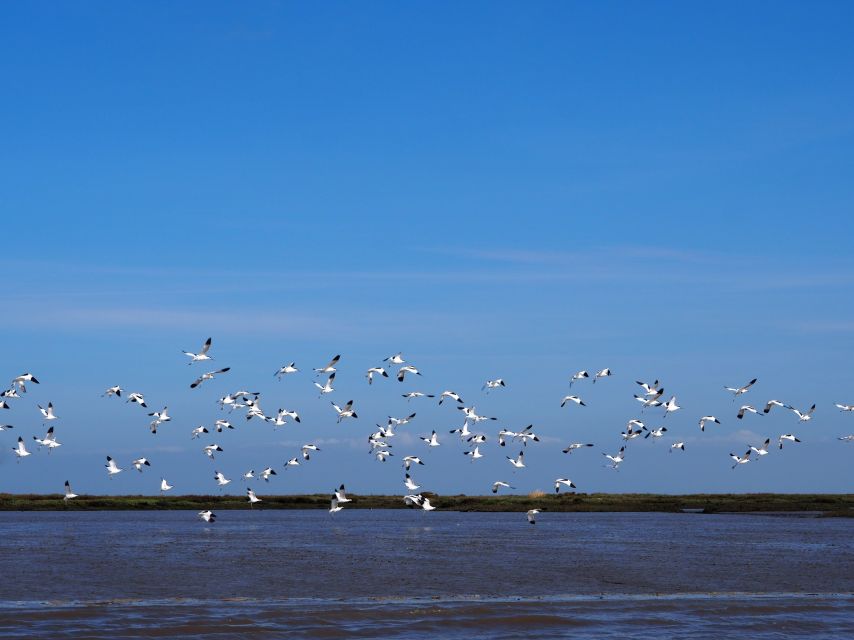
The Tagus Estuary Nature Reserve is the heart of the experience. Its mudflats are especially important because many birds feed in the soft sediment exposed by the falling tide.
This is where timing becomes important. At low tide, mudflats appear and waders arrive to feed. A participant specifically noted that Carlos used the changing tide to reach exposed feeding areas at the right moment. Another suggested checking tide times before booking, a useful tip if you have flexibility.
Carlos does not simply point at every bird and move on. He uses binoculars, bird guides, and his knowledge of the estuary to help you identify what you are seeing. Past trips have included more than 20 species in three hours, and some have produced more than 30. That is not a promise for your departure, but it shows how much can appear in a short period under favorable conditions.
Possible sightings include:
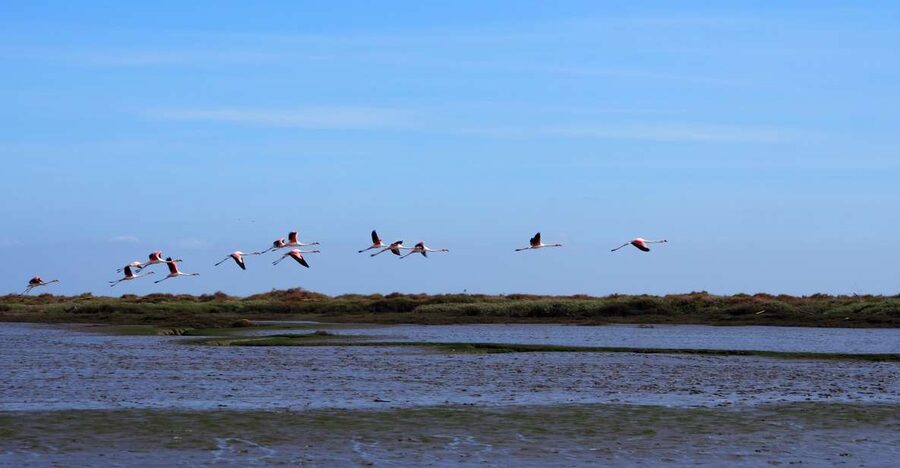
- Flamingos, sometimes seen in large groups or in flight
- Spoonbills feeding in shallow water
- Avocets with their distinctive upturned bills
- Purple, little, and cattle egrets
- Herons and glossy ibis
- Little terns
- Ospreys
- Marsh harriers
- Black-winged stilts
- Migrating black ibis
The sighting list changes with the season. In October and November, migration can bring large movements of birds, including striking flights of black ibis and flamingos. Winter generally brings the highest bird numbers, with regular counts reaching around 120,000 wintering birds.
Spring and summer can still be rewarding, but the mix shifts. Birds may be breeding, and some migrants have already moved on. One July outing produced black-winged stilts, purple herons, spoonbills, glossy ibis, egrets, little terns, and marsh harriers. Another late-spring trip recorded 17 species despite being outside the strongest season.
More boat trips around Lisbon:
- Lisbon: Tagus River Cruise to the Ocean & Dolphin Watching
★ 4.0 · 3,019 reviews - Lisbon: Sunset Boat Tour with Music and Drinks
★ 4.6 · 2,973 reviews - Lisbon: Sunset Catamaran Boat Tour with Music and Drinks
★ 4.7 · 2,834 reviews - 2 Hour Lisbon Sunset and Wine Sailing Tour
★ 5.0 · 2,680 reviews
What Carlos adds to the experience
The guide makes a large difference on a wildlife trip. Carlos Cera is not just steering the boat. He searches for birds, recognizes their calls and flight patterns, and explains habitat, behavior, and migration status.
That expertise is valuable even if you cannot tell a heron from an ibis at first glance. He helps you focus your binoculars in the right direction and gives you a name and a reason to care about what you are seeing.
He also appears to tailor the outing to the group. If some people are serious birders and others are simply curious, the trip can accommodate both. The boat is small enough for questions, and several people found Carlos friendly, patient, and willing to take time for photographs.
Respect for wildlife is another strength. Carlos keeps a reasonable distance and does not rush the boat toward feeding or resting birds. You may not get a perfect close-up of every species, but the animals are not treated as props.
The tour is conducted in Portuguese, English, and Spanish. French is also listed among the possible tour languages in the activity information, so confirm the language arrangement when booking if that matters to you.
Mouchao da Povoa and the open channels
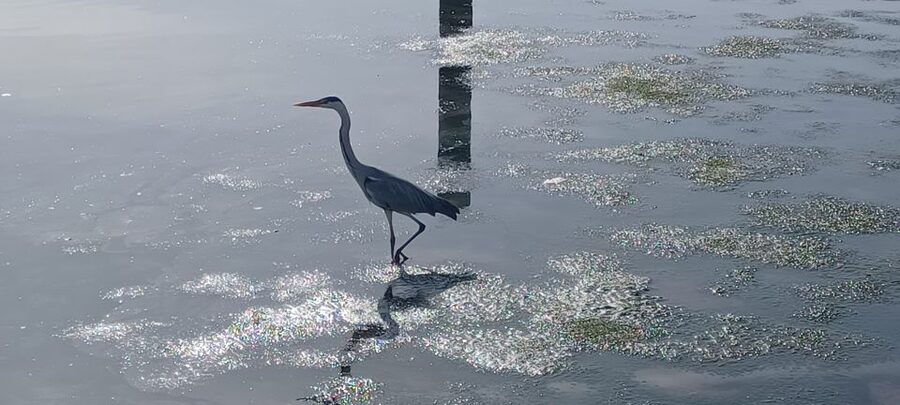
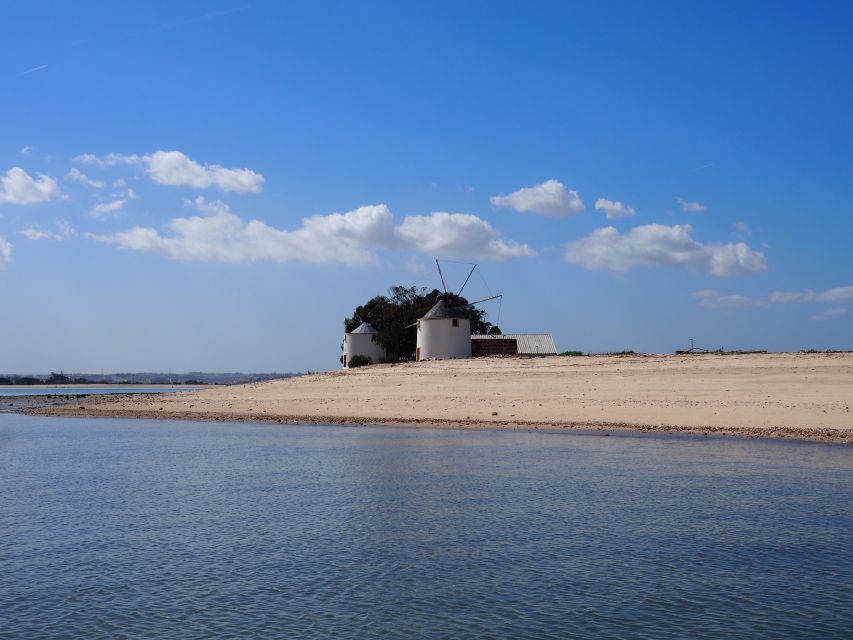
The route continues toward Mouchao da Povoa, an island area within the estuary. The boat passes by rather than making a land stop, so think of this as a viewing section, not a walk ashore.
This part of the route adds variety. Instead of looking only at the main river, you see channels, low islands, and shallow feeding areas. Carlos can scan for birds using the water and open ground around the island, while you enjoy a more remote-feeling setting.
The boat may pause for wildlife viewing and photographs, depending on conditions. Keep your camera ready, but do not expect a fixed sequence of sightings. Birdwatching rewards patience. A flock may lift off suddenly, an osprey may cross the water, or a group of flamingos may remain distant and still offer a memorable view.
The open water can also be the least predictable part of the ride. Wind and chop may make photography harder, and a foggy morning can lead to a late cancellation. Safety takes priority, and the operator contacts you within 24 hours if rescheduling is needed. If a new time does not work, you receive a full refund.
Passing under the Vasco da Gama Bridge
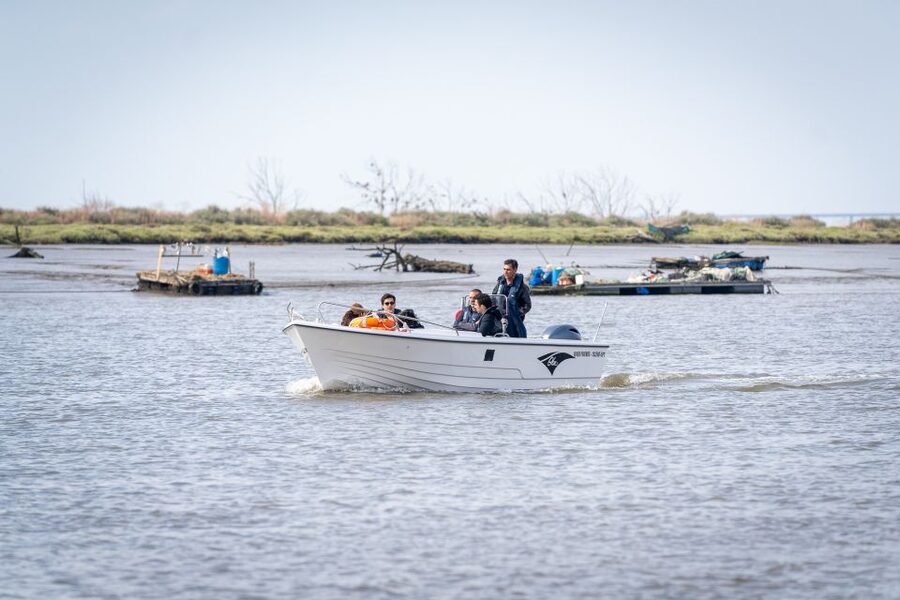
The Vasco da Gama Bridge provides a strong closing landmark before the boat returns. From the water, its long span gives you a sense of the estuary’s scale and connects the natural setting with Lisbon’s modern infrastructure.
This is primarily a scenic pass-by rather than a major birdwatching stop. Still, it gives the trip a clear shape. You begin among the city’s waterfront buildings, reach the reserve’s quiet channels, and return with the bridge and Lisbon skyline back in view.
The entire outing lasts about three hours. That is long enough to spend real time in the reserve without taking over your whole day. You can schedule it alongside other Parque das Nações sights, though leave some breathing room in case the boat returns slightly later than planned.
Price, group size, and what you receive
The price is $58 per person. For three hours on a small boat with a specialist guide, fuel, insurance, life vests, and binoculars included, I consider that fair value, especially if birdwatching is one of your interests.
The strongest part of the value is the group size. With a maximum of 10 participants, you have a better chance of hearing Carlos, sharing a sighting, and reaching the side of the boat with the clearest view. A large sightseeing boat would be cheaper in some cases, but it would not suit this kind of wildlife search nearly as well.
You do not receive hotel pickup or drop-off, and food and drinks are not included. Bring water and any snacks you need. A picnic is allowed, though protect it from wind and keep food out of the way while the boat is moving.
Binoculars are provided, but the number of spare pairs may be limited. If you own compact binoculars, bring them. A camera with a useful zoom will also help, but the estuary is worth seeing even when the birds are too far away for frame-filling photographs.
Free cancellation is available up to 24 hours before departure, and you can reserve now and pay later. Weather remains the key uncertainty. Fog and poor sea conditions can cause last-minute changes, so do not place this tour immediately before a flight or other fixed appointment.
The best season and the role of the tide
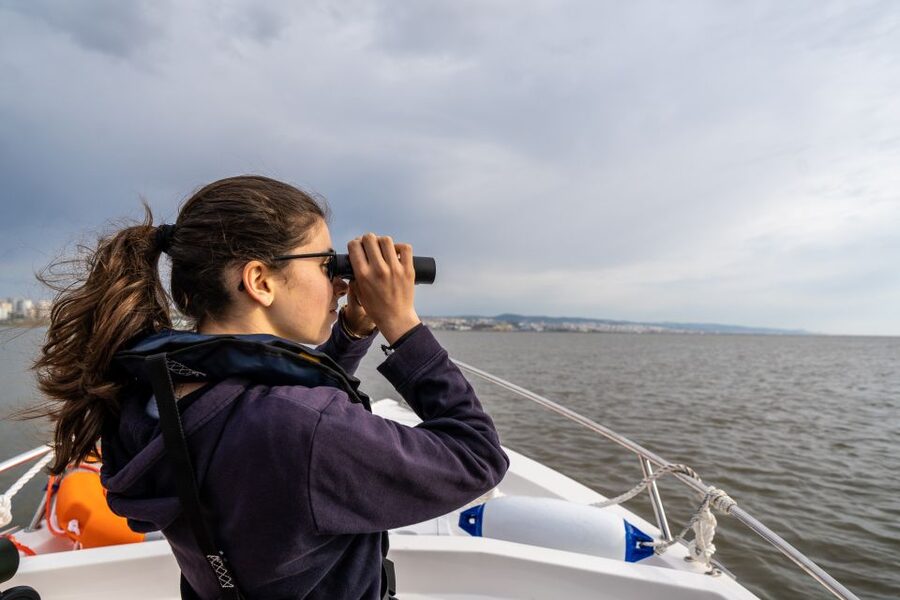
For the largest bird numbers, winter is the safest choice. The reserve regularly holds around 120,000 wintering birds, and the cooler months bring more visiting species to the mudflats.
Autumn can also be excellent, especially during migration. October sightings have included flamingos, spoonbills, ibis, ospreys, marsh harriers, and more than 20 species in a single trip.
Spring offers a different mix. Breeding birds may be present, but some migrants have left. Summer is not the peak period for overall numbers, yet sightings can still be varied and rewarding. The timing of the tide may matter as much as the month. Exposed feeding flats can draw birds into view, so compare departure times with the tide chart if you can.
You should treat these as planning clues, not guarantees. Wildlife follows food, weather, and water levels, not an itinerary.
Who will enjoy this boat tour
You do not need to be an expert birder. Carlos can help first-time birdwatchers identify species, and the scenery alone makes the trip worthwhile for many people.
This is a particularly good choice for:
- Birders hoping to add Portuguese wetland species to a life list
- Photographers who enjoy birds, bridges, and wide river views
- Families looking for a calm outdoor activity
- Couples wanting a quieter break from central Lisbon
- Visitors who prefer a small group to a large sightseeing cruise
- Anyone curious about how a major city coexists with protected wetlands
Young children can enjoy the boat and the wildlife, though you should decide for yourself if a three-hour outing suits their attention span. The experience is not designed around games or entertainment. Its appeal comes from watching, listening, and letting Carlos explain what appears.
It is less suitable if you need a guaranteed list of animals, dislike weather-dependent plans, or want a fast sightseeing ride with constant landmarks. Birdwatching includes quiet stretches, distant birds, and waiting.
Practical packing advice
Wear comfortable clothes and shoes, plus a jacket. The boat can feel cool even when Lisbon is warm, and weather conditions on the estuary can shift quickly.
Bring sunglasses, a camera, biodegradable sunscreen, and weather-appropriate clothing. You are also asked to bring a passport or ID card. Binoculars are supplied, but your own pair can save time if several people want to look at the same bird.
There is no meal included, so carry water and a picnic if useful. Keep your hands free for the binoculars and camera, and secure loose items against wind.
Should you book the Tagus Estuary birdwatching tour?
I would book this if you want to see a quieter, more natural side of Lisbon and are willing to accept the unpredictability of wildlife. The combination of a small boat, a protected wetland, and Carlos Cera’s personal guidance gives the outing more substance than a standard river cruise.
Choose an autumn or winter departure if bird numbers are your top priority, and check the tide when possible. Summer can still bring excellent sightings, but you should book for the setting and the experience, not a guaranteed flock of flamingos.
At $58, this is a sensible splurge for birders and a strong choice for anyone who wants three peaceful hours away from city streets. If your Lisbon schedule allows only one outdoor excursion, this is a memorable way to make it count.
FAQ
Where does the Tagus Estuary birdwatching tour begin?
The meeting point is next to the Onda Luso-Americana artwork at Parque das Nações in Lisbon.
How long does the boat tour last?
The activity lasts three hours, including the safety briefing and the cruise through the estuary.
How many people can join the boat?
The group is limited to 10 participants.
Who guides the tour?
Captain Carlos Cera guides the boat trip and explains the birds, habitats, migration, and river environment.
What languages are available?
The tour is offered in Portuguese, English, and Spanish. French is also listed among the possible tour languages in the activity information.
Are binoculars provided?
Yes. Binoculars are included, along with life vests, insurance, fuel, and tour fees.
Is food included?
No. Food and drinks are not included. You may bring a picnic if you prefer.
What happens if bad weather cancels the tour?
Boat trips depend on weather and sea conditions. If the activity is cancelled, you may be contacted within 24 hours to reschedule. If rescheduling is not possible, you receive a full refund.
More National Park Trips in Lisbon
- Sesimbra & Arrábida National Park Tour with 5 Wines Tasting
★ 4.9 · 153 reviews - Waterfall, Lagoon and Old Village in Peneda-Gerês National Park
★ 5.0 · 1,132 reviews - Madeira: Garajau Nature Reserve Kayak and Snorkel Tour
★ 4.1 · 906 reviews - From Porto: Peneda-Gerês National Park Tour with Lunch
★ 4.9 · 886 reviews
New around Lisbon
- Arrábida, Setúbal, Sesimbra, Olive with wine tasting★ 5.0 · 75 reviews
- Lisbon: Sunset Sailing Boat Cruise with Wine★ 5.0 · 75 reviews
- Lisbon Half Day Private Tour★ 5.0 · 75 reviews
- Private Half Day Tour to Fatima from Lisbon★ 5.0 · 75 reviews
- Fátima, Nazaré and Óbidos Private Tour from Lisbon★ 5.0 · 76 reviews
- Central Lisbon 3-Hour Guided E-Bike Tour★ 4.8 · 76 reviews
- Lisbon Historic City Tour by Tuk-Tuk★ 5.0 · 76 reviews
- Sintra World Heritage and Cascais Village Private Deluxe Tour★ 5.0 · 76 reviews
Cruises & Boat Tours, compared.

Douro Valley w/ Boat Tour, Wine Tasting & Lunch
Read our review →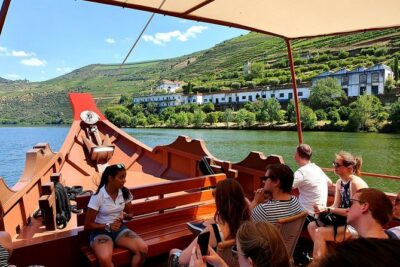
Complete Douro Valley Wine Tour with Lunch, Wine Tastings and River Cruise
Read our review →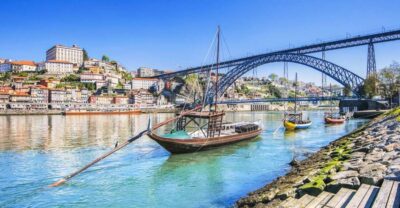

Sunset Boat Party Cruise with DJ and Open Bar
Read our review →
Benagil Caves Speed Boat Tour with Sunset Option
Read our review →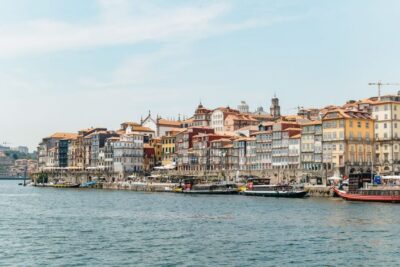

Benagil Caves & Dolphin Watching Speed Boat Tour
Read our review →
Wine Tour with Lunch, Tastings & River Cruise
Read our review →Browse the lists this tour appears in